
Image Source: i.ytimg.com
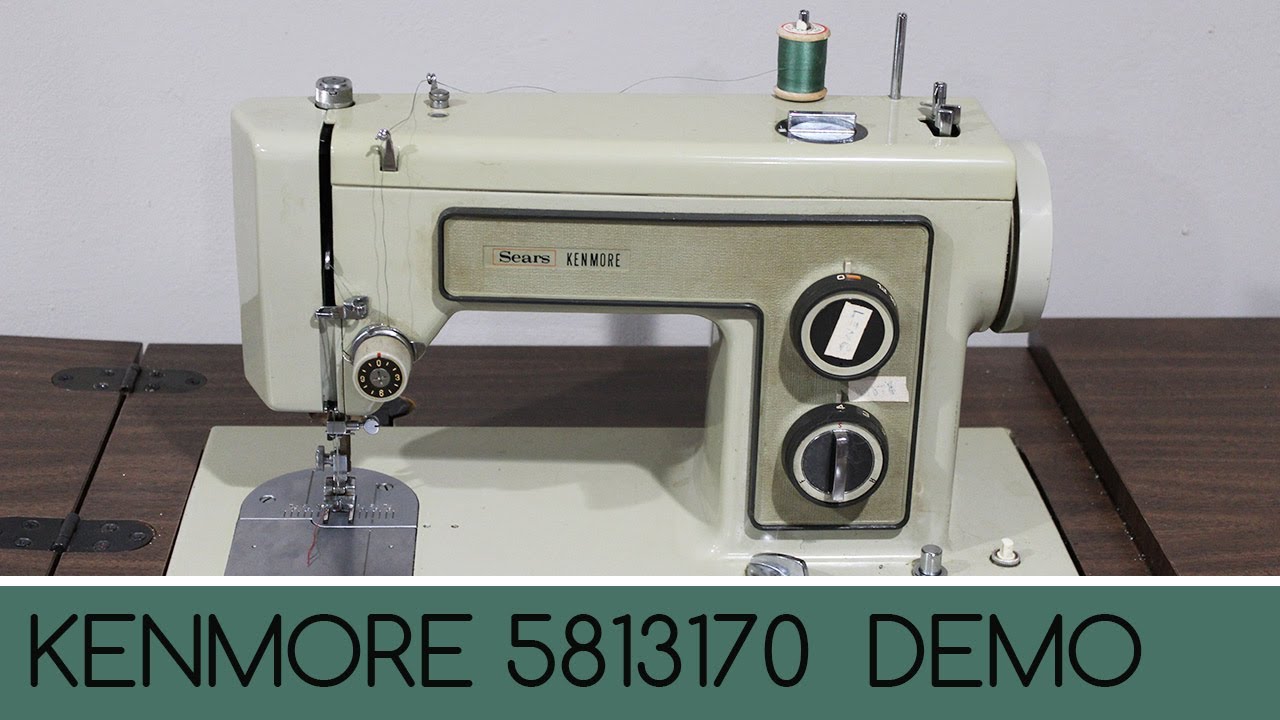
How To Thread A Sears Kenmore Sewing Machine Simply
Can I thread a Sears Kenmore sewing machine without a manual? Yes, you absolutely can thread a Sears Kenmore sewing machine without a manual by following these clear, step-by-step instructions.
Threading a sewing machine might seem a bit daunting at first, especially with a classic like a Sears Kenmore. These machines are workhorses, known for their durability and simplicity once you get the hang of them. The process of Kenmore sewing machine threading is designed to be straightforward, guiding the sewing machine upper thread through a specific path to ensure proper Kenmore stitch formation. This guide will walk you through each step, from preparing your machine to achieving a perfect stitch, making Kenmore needle threading a breeze. We’ll also touch on sewing machine bobbin winding, sewing machine thread tension, and essential sewing machine maintenance to keep your Kenmore running smoothly.
Preparing Your Kenmore Sewing Machine for Threading
Before you even think about running a thread through your Kenmore, a little preparation goes a long way. This ensures a smooth threading experience and prevents common issues.
Essential Supplies
You’ll need a few things:
- Your Kenmore Sewing Machine: Of course!
- Thread Spool: Make sure it’s the right type and color for your project. Cotton or polyester threads are generally good choices for most Kenmore models.
- Needle: A sharp, properly sized needle for your fabric is crucial for good Kenmore stitch formation.
- Scissors: For cutting your thread cleanly.
- Fabric: Ready for your sewing project.
Checking the Needle and Presser Foot
A dull or bent needle can cause skipped stitches or fabric snags. Always check your needle before threading.
- Needle Condition: Look for any bends or burrs on the needle. If it looks damaged, replace it.
- Needle Insertion: Ensure the needle is inserted all the way into the needle clamp and that the flat side of the needle is facing the correct direction as indicated by your machine (usually towards the back). The sewing machine presser foot should be in its lowest position for threading.
Raising the Presser Foot
This is a critical first step for proper Kenmore sewing machine threading.
- Locate the Presser Foot Lifter: This is usually a small lever located behind the needle area.
- Lift the Lever: Raise the sewing machine presser foot to its highest position. This opens up the tension discs, allowing the thread to pass through them smoothly. You’ll hear a little “click” when it’s fully up.
Mastering the Upper Thread Path on Your Kenmore
The upper thread is the star of the show when it comes to creating stitches. Following the designated Kenmore thread path is key. Your Kenmore machine will have numbered guides on its body, showing you exactly where the thread should go.
Step 1: Placing the Thread Spool
- Spool Pin Location: Find the spool pin on your Kenmore. This is usually on the top of the machine, sometimes extending upwards.
- Mounting the Spool: Place your spool of thread onto the spool pin. Make sure the thread unwinds from the spool in a way that allows it to flow smoothly, usually from the front or top of the spool. Some machines have a spool cap to help keep the thread from unwinding too quickly.
Step 2: Guiding the Thread Through the First Few Guides
This is where the numbered path begins.
- Thread Guide: Bring the thread towards the front of the machine and guide it up to the first thread guide, often a small metal or plastic loop at the top.
- Around the Tension Discs: This is a crucial step for controlling sewing machine thread tension. The thread needs to pass between the two tension discs. With the presser foot up, these discs are separated, allowing the thread to slide in. Ensure the thread goes through the slot that separates the discs. Many Kenmore models have a diagram on the machine showing this path.
Step 3: Looping Through the Take-Up Lever
The take-up lever is a vital component that lifts and lowers the needle, forming the stitches.
- Locate the Take-Up Lever: This is usually a U-shaped or hook-shaped metal arm that moves up and down as you sew.
- Thread the Lever: Bring the thread up and through the eye of the take-up lever. It’s essential that the thread goes from right to left or left to right, depending on your specific Kenmore model – check the machine’s diagram. The thread should go through the eye or slot of the lever.
Step 4: Completing the Upper Thread Path
Continue following the numbered path on your machine.
- Lower Thread Guides: Guide the thread downwards, passing it through any remaining thread guides on the machine’s body. These are often small metal loops or guides that direct the thread towards the needle.
- Needle Clamp Guide: Finally, bring the thread to the needle clamp guide, usually a small hook or loop just above the needle.
Step 5: Threading the Needle
This is where Kenmore needle threading happens.
- Method 1: Manual Threading:
- Hold the end of the thread firmly.
- Bring the thread directly to the eye of the needle.
- With a steady hand, guide the thread through the eye. It can be helpful to slightly wet the end of the thread or use a threader if your machine has one.
- Method 2: Needle Threader (If Equipped):
- Many Kenmore machines come with a built-in needle threader.
- Follow the instructions for your specific model. Generally, you’ll bring the thread to a small hook or wire, and a lever will push the thread through the needle’s eye.
Ensuring Proper Threading
After threading the needle, pull a few inches of thread through.
- Thread Pull: Hold the needle with one hand and pull the thread gently with the other. You should have a few inches of thread hanging freely from the needle.
Winding and Inserting the Bobbin
The bobbin holds the lower thread, and its proper winding and insertion are just as important as the upper thread for good Kenmore stitch formation.
Step 1: Winding the Bobbin
- Prepare the Bobbin: Place an empty bobbin onto the bobbin winder spindle. Many Kenmore machines have a small stopper or clip to secure the bobbin.
- Secure the Thread: Take the end of your thread from the spool and insert it into one of the small holes in the bobbin.
- Engage the Bobbin Winder:
- Swing the bobbin winder spindle into position, usually over the handwheel.
- Lift the sewing machine presser foot.
- Hold the thread end taut.
- Lightly touch the foot pedal to start the winder. As the bobbin starts to fill, you may need to snip the thread tail close to the bobbin.
- Winding Evenly: The thread should wind evenly onto the bobbin. Avoid winding too loosely or too tightly, as this can affect sewing machine thread tension. Most Kenmore machines will automatically stop winding when the bobbin is full.
- Cut the Thread: Once wound, cut the thread from the spool and remove the bobbin.
Step 2: Inserting the Bobbin
The bobbin case and insertion method can vary slightly between Kenmore models, but the principle is the same.
- Locate the Bobbin Area: This is typically under the needle plate. You might need to lift a cover or swing open a compartment.
- Bobbin Case Type:
- Front-Loading Bobbin (Drop-in): If your Kenmore has a clear plastic cover, you likely have a drop-in bobbin. Place the bobbin into the bobbin case with the thread unwinding counter-clockwise. You’ll see a small notch on the bobbin case that the thread should fit into.
- Front-Loading Bobbin (Metal Case): Some older models have a removable metal bobbin case. Place the bobbin into the case, making sure the thread unwinds correctly. Then, insert the bobbin case into the machine’s bobbin housing.
- Top-Loading Bobbin (Drop-in): Newer Kenmores might have a top-loading drop-in bobbin. Place the bobbin in the designated slot with the thread unwinding counter-clockwise, and guide it through the small slot.
- Securing the Thread: Gently pull the thread to ensure it’s seated correctly in any guides or clips within the bobbin area.
Bringing the Bobbin Thread Up
Now, you need to bring the bobbin thread up to meet the upper thread.
- Hold the Upper Thread: With one hand, hold the end of the upper thread that you’ve already threaded through the needle.
- Turn the Handwheel: Slowly turn the handwheel towards you (counter-clockwise). This will lower the needle and then bring it back up.
- Catching the Bobbin Thread: As the needle comes back up, it will catch the bobbin thread.
- Pulling the Thread: Continue turning the handwheel until the needle is at its highest point. You should now see a loop of bobbin thread coming up through the needle plate.
- Retrieve the Loop: Use your fingers or tweezers to pull the loop of bobbin thread completely out.
- Positioning the Threads: Place both the upper thread and the bobbin thread to the back of the sewing machine presser foot, underneath it.
Adjusting Sewing Machine Thread Tension
Proper sewing machine thread tension is critical for balanced stitches. You typically adjust the tension for the upper thread using a numbered dial on your Kenmore. The bobbin tension is usually factory-set and rarely needs adjustment, but if it does, it involves a small screw on the bobbin case.
Upper Thread Tension
- The Tension Dial: This dial usually ranges from 0 to 9 or higher. A lower number means less tension, and a higher number means more tension.
- Starting Point: For most fabrics and general sewing, start with a tension setting around 4 or 5.
- Test Swatches: Always test your tension on a scrap piece of your fabric.
- Signs of Incorrect Tension:
- Too Loose: Loops of thread appear on the underside of the fabric. This might mean your upper thread tension is too high or your bobbin tension is too low.
- Too Tight: Loops of thread appear on the upper side of the fabric. This might mean your upper thread tension is too low or your bobbin tension is too high.
- Adjustments: If your stitches look uneven, adjust the tension dial up or down by one or two numbers at a time and test again.
Bobbin Tension (Generally Not Adjusted)
- If you suspect a bobbin tension issue (loops on the top of the fabric), it’s usually the upper thread that’s too loose.
- If you must adjust bobbin tension, locate the small screw on the bobbin case. A slight turn clockwise increases tension; a slight turn counter-clockwise decreases tension. Make tiny adjustments and test frequently.
Selecting Stitches and Practicing
Once threaded and tension is set, you’re ready to sew!
Kenmore Stitch Selection
Your Kenmore machine will have a dial or buttons to select different stitches.
- Straight Stitch: This is the most common stitch. Ensure the stitch selector is set to the straight stitch symbol.
- Zigzag Stitch: Useful for finishing seams or decorative purposes. Select the zigzag stitch and often a width setting.
- Other Stitches: Depending on your model, you might have buttonhole stitches, decorative stitches, or utility stitches.
- Stitch Length: You’ll also have a stitch length dial. Shorter lengths are for finer fabrics or basting, while longer lengths are for stronger seams or gathering.
Practicing Your Stitches
Before diving into your project, it’s wise to practice.
- Scrap Fabric: Use a piece of the same fabric you’ll be sewing.
- Start Slow: Begin with a slow, steady speed.
- Observe: Watch how the stitches form on both sides of the fabric.
- Troubleshooting: If you encounter issues like skipped stitches, thread breakage, or uneven tension, re-check your threading path, bobbin insertion, and tension settings.
Common Kenmore Threading Issues and Solutions
Even with careful attention, you might run into snags. Here are some common problems and how to fix them.
Thread Snapping
- Cause: Dull needle, incorrect needle size, thread snagging, too much tension, or rough threading path.
- Solution:
- Ensure your needle is new and sharp.
- Verify the needle is the correct type and size for your fabric.
- Check the entire Kenmore thread path for burrs or rough spots.
- Lighten the upper thread tension slightly.
- Make sure the presser foot is fully up when threading.
Skipped Stitches
- Cause: Incorrect needle insertion, bent or dull needle, wrong needle type for fabric, or improper threading.
- Solution:
- Re-thread the machine completely, ensuring the needle is inserted correctly.
- Replace the needle with a new, sharp one appropriate for your fabric.
- Ensure the upper thread and bobbin thread are both pulled under the sewing machine presser foot.
Uneven or Loopy Stitches
- Cause: Incorrect sewing machine thread tension, improper threading, or lint buildup in the tension discs.
- Solution:
- Re-thread the machine.
- Adjust the upper thread tension dial.
- Clean the tension discs by running a piece of dental floss or a stiff brush through them.
- Ensure the bobbin is wound evenly.
Basic Sewing Machine Maintenance for Kenmore
Regular sewing machine maintenance keeps your Kenmore running smoothly and makes threading much easier.
Cleaning
- Lint Buildup: Lint from fabric and thread can accumulate in the bobbin area, around the feed dogs, and within the tension discs.
- Cleaning Steps:
- Turn off your machine.
- Remove the needle plate and bobbin case.
- Use a small brush (often provided with the machine) or a vacuum cleaner with a brush attachment to remove lint.
- Pay special attention to the bobbin race and tension discs.
Oiling
- Lubrication: Some Kenmore models require periodic oiling. Check your machine’s manual for specific oiling points.
- Oil Type: Use only sewing machine oil.
- Frequency: Oil as recommended by your manual, usually after extended use or if the machine sounds noisy.
Needle Replacement
- Regular Changes: Needles should be replaced regularly, typically after every 6-8 hours of sewing or at the start of a new project. A dull needle can damage fabric and affect stitch quality.
Frequently Asked Questions (FAQ)
Here are some common questions about threading Kenmore sewing machines:
- Q: Why does my Kenmore thread keep breaking?
A: This is often due to a dull needle, incorrect tension, or a snag in the thread path. Ensure your needle is sharp and correctly inserted, and double-check your threading and tension settings. - Q: How do I know if my Kenmore thread tension is correct?
A: The ideal stitch should look the same on both the top and bottom of the fabric, with no loops or puckering. Test on a scrap piece of your project fabric. - Q: My Kenmore sewing machine is skipping stitches. What should I do?
A: The most common causes are a dull or bent needle, incorrect needle insertion, or improper threading. Re-thread the machine carefully and consider replacing the needle. - Q: Can I use any type of thread on my Kenmore sewing machine?
A: While most general-purpose polyester or cotton threads work well, avoid very thick or specialty threads unless your machine is designed for them, as they can affect sewing machine thread tension and the Kenmore stitch formation. - Q: How often should I clean my Kenmore sewing machine?
A: It’s best to clean out lint from the bobbin area after every project and do a more thorough cleaning and dusting every few months, or more frequently if you sew often or with linty fabrics.
Threading a Sears Kenmore sewing machine is a skill that becomes second nature with practice. By following these detailed steps, you’ll be able to confidently thread your machine and get back to your sewing projects, creating beautiful stitches and enjoying the reliability of your Kenmore. Happy sewing!