
Can you change a sewing machine needle yourself? Absolutely! Changing your sewing machine needle is a straightforward task that you can easily learn. It’s a crucial part of sewing machine maintenance that keeps your projects looking professional and prevents skipped stitches or fabric damage. This guide will walk you through how to change the needle on a sewing machine with clear, simple steps.
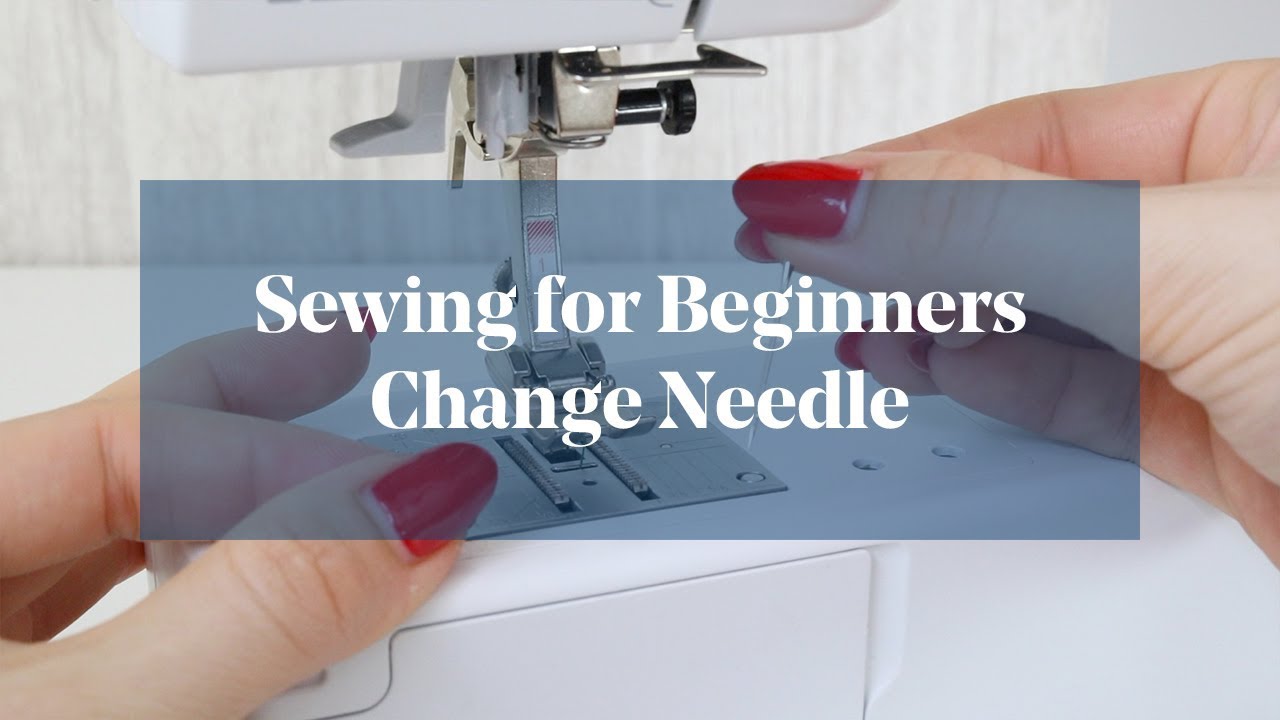
Image Source: i.ytimg.com
Why You Need to Change Your Sewing Machine Needle
Sewing machine needles aren’t meant to last forever. They can bend, dull, or even break. Using a worn-out needle can lead to a host of sewing problems.
Signs Your Needle Needs Changing
- Skipped stitches: If your stitches are uneven or some thread loops are left on the fabric surface, it’s time for a new needle.
- Thread breaking: A dull or bent needle can snag or break your thread.
- Fabric damage: A sharp needle pierces fabric cleanly. A dull needle can snag, pull, or even tear delicate materials.
- Uneven stitches: The needle might be bent, causing your stitches to be inconsistent.
- Strange noises: Your machine might sound like it’s struggling or making odd clicking sounds. This can be a sign of a bent or improperly installed needle.
Getting Ready: What You’ll Need
Before you start changing the sewing needle, gather these essential items:
- A new sewing machine needle: Make sure it’s the right type and size for your project and fabric.
- A small screwdriver or needle wrench: Most machines come with one. If not, a small flathead screwdriver can work in a pinch.
- Clean cloth or paper towel: For wiping down the needle area.
Step-by-Step Guide: How to Change the Needle on a Sewing Machine
Let’s get your sewing machine ready for its new needle!
Step 1: Power Down Your Machine
Safety first! Always unplug your sewing machine from the power outlet before you begin sewing machine needle replacement. This prevents accidental starting and potential injury.
Step 2: Lower the Presser Foot
Lower the presser foot. This holds the fabric in place and will also help stabilize the needle area as you work.
Step 3: Locate the Needle Clamp Screw
Look directly above the needle. You’ll see a small metal arm that holds the needle. This is the needle clamp. There’s a small screw on this clamp. This is the screw you need to loosen.
Step 4: Loosen the Needle Clamp Screw
Using your screwdriver or needle wrench, turn the screw counter-clockwise. You don’t need to remove the screw completely, just loosen it enough so the old needle can slide out.
Step 5: Remove the Old Needle
Gently pull the old needle straight down and out of the needle clamp. Be careful, as the tip might be sharp.
Step 6: Identify the Flat Side of the New Needle
Sewing machine needles have a special shape. One side of the shank (the part that goes into the clamp) is flat. This flat side should always face the back of your sewing machine. This is crucial for proper needle installation sewing machine.
Step 7: Insert the New Needle
Slide the new needle into the needle clamp, making sure the flat side of the shank is facing the back. Push the needle up as far as it will go into the clamp.
Step 8: Tighten the Needle Clamp Screw
Hold the needle firmly in place and tighten the needle clamp screw clockwise. Make sure it’s snug, but don’t overtighten, as you could strip the screw or damage the clamp. The needle should feel secure and not wobble.
Step 9: Test Your Work
Plug your machine back in and turn it on. Lower the presser foot. Slowly turn the handwheel towards you to bring the needle down. Check that it enters the presser foot hole cleanly without hitting anything. You can also try a few practice stitches on a scrap piece of fabric.
Choosing the Right Sewing Machine Needle
Not all needles are created equal. The sewing machine needle types you choose significantly impact your sewing results.
Universal Needles
A universal sewing needle is a good all-rounder. It works well for most fabrics, including cotton, polyester, and blends. They have a slightly rounded point.
Specialty Needles
There are many other types of needles designed for specific fabrics and techniques:
- Ballpoint Needles (Jersey Needles): These have a rounded tip that pushes through knit fabrics, preventing snags and runs.
- Sharp Needles (Microtex Needles): These have a very sharp point, ideal for tightly woven fabrics like silk, microfiber, and faux leather. They create a clean piercing for a precise stitch.
- Leather Needles: These have a wedge-shaped tip that cuts through leather, creating a stitch hole.
- Denim Needles (Jeans Needles): These are strong and sharp, designed to pierce through thick, sturdy fabrics like denim.
- Embroidery Needles: These have a larger eye to accommodate thicker embroidery threads and a special groove to protect the thread.
- Darning Needle: While not typically used in a sewing machine, a darning needle sewing machine might refer to a specific type of needle for certain mending tasks or a machine with darning capabilities. Generally, a darning needle is a hand-sewing needle with a large eye. If your machine has a darning function, consult your manual for the specific needle type.
Needle Sizing
Needles come in different sizes, indicated by numbers. Smaller numbers mean finer needles (e.g., size 8), and larger numbers mean thicker needles (e.g., size 18).
- Smaller sizes (e.g., 65/9, 70/10, 75/11): For lightweight fabrics like silk, chiffon, and fine cottons.
- Medium sizes (e.g., 80/12, 90/14): For medium-weight fabrics like quilting cottons, knits, and medium-weight wovens. A universal sewing needle in this size is very common.
- Larger sizes (e.g., 100/16, 110/18): For heavyweight fabrics like denim, canvas, and upholstery fabrics.
Table: Common Needle Types and Their Uses
| Needle Type | Point Type | Best For | Considerations |
|---|---|---|---|
| Universal | Slightly Rounded | Most woven fabrics, cotton, polyester blends | Good general-purpose needle |
| Ballpoint/Jersey | Rounded | Knits, t-shirt fabrics, stretchy materials | Prevents skipped stitches and holes |
| Sharp/Microtex | Very Sharp | Silk, microfiber, fine wovens, quilting | Creates precise stitches, avoids snags |
| Leather | Wedge | Leather, vinyl, faux leather | Cuts a hole for the thread |
| Denim/Jeans | Sharp | Denim, heavy canvas, upholstery, multiple layers | Strong and sharp for piercing thick fabrics |
| Embroidery | Sharp with Eye Groove | Embroidery, decorative stitching, thicker threads | Larger eye, special groove protects thread |
| Topstitch | Large Eye | Topstitching, using thicker threads or metallic threads | Larger eye accommodates thicker threads |
Important Considerations for Needle Installation
When performing sewing machine needle replacement, keep these points in mind:
- Always use the correct needle type: Using a leather needle on silk will damage the fabric and the needle. Using a ballpoint needle on denim will likely bend or break it.
- Match needle size to fabric weight: A needle that’s too thick for your fabric can leave large holes or tear it. A needle that’s too fine might break on heavier materials.
- New needle for new projects: It’s good practice to start a new project with a fresh needle. This ensures the best stitch quality.
- Change needles regularly: Even if you don’t notice obvious problems, needles can become dull over time. A good rule of thumb is to change your needle after every 6-8 hours of sewing or after completing a project.
Beyond the Needle: Other Essential Sewing Machine Maintenance
While changing the sewing needle is vital, it’s part of a broader routine for keeping your sewing machine in top condition. Regular sewing machine maintenance ensures smooth operation and prolongs the life of your machine.
Cleaning Your Sewing Machine
Dust and lint can build up inside your machine, affecting its performance.
- Brush out lint: Use a small brush (often supplied with your machine) to clean lint from the bobbin area, needle plate, and feed dogs.
- Wipe down the machine: Use a soft, dry cloth to wipe down the exterior.
Oiling Your Machine
Some machines require regular oiling. Check your machine’s manual for specific instructions on where and how often to oil. Use only the recommended sewing machine oil.
Checking and Changing the Bobbin
Just like the needle, the bobbin is essential for stitching. If you’re having stitch issues, it’s worth checking your bobbin.
- How to replace bobbin: First, remove the old bobbin from the bobbin case. Ensure the bobbin is wound evenly and correctly. Place the new bobbin into the bobbin case with the thread unwinding in the correct direction (usually counter-clockwise, but check your manual). Pull about 4-6 inches of thread through the bobbin case opening and under the presser foot. Then, you’ll need to perform sewing machine threading to bring the top thread up to loop through the bobbin thread.
Threading Your Machine Correctly
Proper sewing machine threading is critical for good stitches. If your machine isn’t stitching properly, re-thread both the top thread and the bobbin. Ensure the thread is seated correctly in all the tension discs and guides.
Troubleshooting Common Sewing Machine Issues
Sometimes, even with a new needle, you might encounter problems.
Skipped Stitches
- Check the needle: Is it the right type and size? Is it installed correctly with the flat side to the back?
- Check the needle’s condition: Is it bent or dull? Try a new needle.
- Check threading: Re-thread the machine, ensuring the thread is in all the guides and tension discs.
- Check the bobbin: Is it wound correctly? Is it seated properly?
- Check the machine: Ensure no lint is blocking the bobbin case or needle plate.
Thread Breaking
- Check the needle: Is it bent or burred? A new needle is often the solution.
- Check threading: Make sure the thread isn’t caught on anything and that the machine is threaded correctly.
- Check tension: If the tension is too tight, it can break the thread.
- Check the thread: Is the thread old or poor quality? Try a different spool.
Fabric Puckering
- Needle size: You might be using a needle that is too large for the fabric.
- Tension: The upper tension might be too tight, or the bobbin tension too loose.
- Thread type: Some threads are coarser and can cause puckering.
If you consistently face issues that you can’t resolve, it might be time for sewing machine repair. A qualified technician can diagnose and fix more complex problems.
Frequently Asked Questions (FAQ)
Here are answers to common questions about changing a sewing machine needle:
Q: How often should I change my sewing machine needle?
A: It’s a good practice to change your needle after about 6-8 hours of sewing time, or after completing a project. Even if it looks fine, it can become dull and cause problems.
Q: What happens if I don’t change my sewing machine needle?
A: Using a dull or bent needle can lead to skipped stitches, thread breakage, fabric damage (like snags or runs), and uneven stitches.
Q: Can I use any needle in my sewing machine?
A: No, you must use needles specifically designed for your type of sewing machine (usually a “shank” needle). Also, choose the needle type and size appropriate for your fabric.
Q: What is the flat side of the needle for?
A: The flat side of the needle shank should always face the back of the sewing machine. This is how the machine’s mechanism correctly interacts with the needle.
Q: My machine is making a loud noise. What could it be?
A: A loud noise can indicate several things, including a bent needle hitting the needle plate, a thread jam, or issues with the machine’s internal mechanisms. First, check and replace the needle, then re-thread the machine. If the noise persists, it may require professional inspection.
Q: I can’t get my new needle in. What’s wrong?
A: Ensure you’ve loosened the needle clamp screw enough. Also, double-check that you’re inserting the needle correctly with the flat side facing the back. If you’re still having trouble, consult your sewing machine’s manual or a repair technician.
By following these simple steps and tips for sewing machine needle replacement, you can ensure your machine runs smoothly and your sewing projects turn out beautifully. Happy sewing!