
Can I set up my Singer sewing machine easily? Yes, absolutely! Setting up a Singer sewing machine for the first time, or even after storage, is straightforward with a little guidance. This guide will walk you through each step, ensuring you’re ready to create beautiful projects in no time. We’ll cover everything from unpacking your new Singer sewing machine to understanding its basic Singer sewing machine parts and getting those first Singer sewing machine stitches just right.
Sewing can seem daunting, but a reliable machine like a Singer makes the journey much smoother. Many people feel intimidated by their sewing machine when they first get it. This guide is designed to demystify the process, making the Singer sewing machine setup feel like a breeze. Whether you’ve just unboxed your very first machine or are dusting off an old faithful, this Singer sewing machine beginner guide is for you.
We’ll delve into the essential steps, including how to thread your machine for perfect stitches, how to wind a bobbin, and some basic Singer sewing machine maintenance tips to keep it running smoothly. We’ll also touch on common Singer sewing machine troubleshooting for those little hiccups that can sometimes happen.
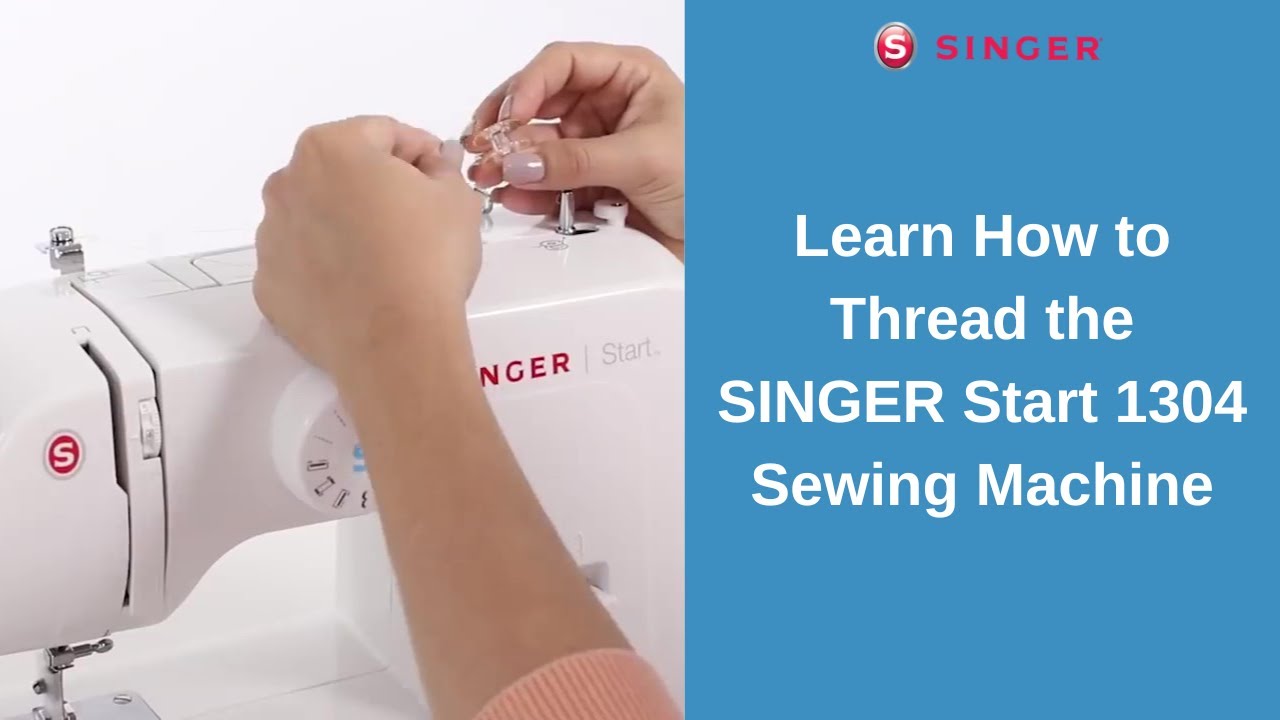
Image Source: i.ytimg.com
Unpacking Your New Singer Sewing Machine
The excitement of a new Singer sewing machine is undeniable! The first step in Singer sewing machine setup is careful unpacking.
What’s Inside the Box?
When you open the box, you’ll typically find:
- Your Singer sewing machine.
- A power cord and foot pedal.
- An accessory box or bag.
- An instruction manual.
- Possibly some starter Singer sewing machine needles, bobbins, and other basic tools.
Important Note: Always keep your instruction manual! It’s your best friend for specific model information and troubleshooting.
Getting Your Machine Out
- Gently Lift: Carefully remove the machine from its packaging. It might be in a Styrofoam mold or a protective bag.
- Check for Accessories: Open the accessory box. Make sure you have all the essential Singer sewing machine parts and accessories mentioned in the manual. This usually includes:
- Various presser feet (like a general-purpose foot, zipper foot, buttonhole foot).
- Seam ripper.
- Screwdriver.
- Brush.
- Bobbins.
- Spool pin.
- Felt or spool cap.
- Needles.
Placement is Key
- Stable Surface: Find a sturdy, well-lit table or desk. Your machine should sit flat and not wobble. Avoid placing it near vibrations or drafts.
- Power Access: Ensure you have easy access to a power outlet.
Connecting Your Singer Sewing Machine
Once your machine is safely unpacked and placed, it’s time to connect the power and foot pedal. This is a crucial part of the Singer sewing machine setup.
Connecting the Power Cord
- Locate the Port: Find the power port on your Singer sewing machine. It’s usually on the back or side.
- Plug It In: Connect the power cord to the machine and then plug the other end into a wall socket.
- Foot Pedal Connection: Find the foot pedal connector port. This is often near the power port. Plug the foot pedal into this port.
Powering On
Most Singer machines have a power switch, often located on the side or back of the machine. Flip it to the ‘On’ position. You might see a light illuminate, indicating the machine is ready.
Winding a Bobbin: The Foundation of Sewing
Before you can do any sewing, you need to wind a bobbin with thread. This is a fundamental skill for Singer sewing machine setup. A properly wound bobbin ensures even stitches and prevents thread tangles.
What You’ll Need
- A bobbin.
- A spool of thread.
- Your sewing machine.
- The bobbin winder spindle and a thread guide for winding.
Step-by-Step Bobbin Winding
Most Singer machines have a dedicated bobbin winder. The exact location of the bobbin winder spindle can vary between models.
-
Place the Thread Spool:
- Insert the spool pin into its designated slot. This is usually on top of the machine.
- Place your spool of thread onto the spool pin. Make sure the thread unwinds from the spool in the correct direction (check your manual, but typically counter-clockwise).
- Add a spool cap or felt washer if provided, to help stabilize the spool.
-
Thread the Bobbin Winder:
- Locate the thread guide for the bobbin winder. It’s a small metal loop or hook specifically for winding bobbins.
- Pass the thread from the spool through the primary thread path of your sewing machine, but do not go through the needle. Instead, loop it around the bobbin winder’s thread guide. Some machines have a small tension disc for the bobbin winder that the thread must pass through. Consult your manual if you’re unsure.
-
Prepare the Bobbin:
- Place an empty bobbin onto the bobbin winder spindle. It usually snaps or slides into place.
- Push the bobbin winder spindle to the right (or the direction indicated in your manual) to engage the winding mechanism. Some machines automatically engage when you push the spindle.
-
Start Winding:
- Hold the end of the thread.
- Gently press the foot pedal. The bobbin will start to spin.
- Once a few wraps of thread are on the bobbin, stop and snip the excess thread tail close to the bobbin. This prevents the tail from getting caught.
- Continue pressing the foot pedal. The machine will wind the thread evenly onto the bobbin.
-
Stop Winding:
- Most Singer machines will automatically stop winding when the bobbin is full, or when the thread runs out of the spool.
- If yours doesn’t, stop by lifting your foot off the pedal when the bobbin looks full.
- Push the bobbin winder spindle back to its disengaged position (usually to the left).
- Remove the wound bobbin.
- Snip the thread from the spool.
Tip: Always wind bobbins with the same type and weight of thread you plan to use for sewing.
Threading the Needle: The Heart of the Stitch
Properly threading your Singer sewing machine is crucial for consistent Singer sewing machine stitches. This involves threading the machine from the spool to the needle.
What You’ll Need
- A wound bobbin.
- A spool of thread.
- Your Singer sewing machine.
- A Singer sewing machine needle correctly inserted.
Step-by-Step Threading Process
Referencing your manual for specific threading paths is highly recommended as Singer sewing machine threading can vary slightly between models. Generally, the process is as follows:
- Raise the Presser Foot: Always ensure the presser foot is in the up position before threading. This opens the tension discs, allowing the thread to pass through them correctly.
- Insert the Needle: Make sure a Singer sewing machine needle is properly inserted. The flat side of the needle should face the back of the machine, and it should be pushed all the way up into the needle clamp. Tighten the clamp screw.
- Place the Thread Spool: Put the spool of thread on the spool pin (as you did for bobbin winding).
-
Follow the Thread Path: This is the most important part of Singer sewing machine threading. Your machine will have a series of guides, tension discs, and a take-up lever.
- Guide 1 (Spool Pin Area): Take the thread from the spool and pass it through the initial thread guide near the spool pin.
- Guide 2 (Upper Thread Path): Follow the numbered or marked path on the machine. The thread will typically go down, then loop around the tension discs, and then up towards the take-up lever.
- The Take-Up Lever: This is a crucial step. The thread must pass through the eye of the take-up lever. Ensure it goes in from the left side and out the right side, or as indicated by your machine’s diagram.
- Guide 3 (Lower Thread Path): After the take-up lever, the thread usually descends down the front of the machine. It will pass through one or more additional thread guides.
- Tension Disc Engagement: Make sure the thread is properly seated between the tension discs. If it’s not, the tension will be off, leading to poor stitches.
- Needle Threading: Finally, bring the thread towards the needle.
- Manual Threading: Pass the thread from left to right (or right to left, depending on your machine model – check your manual!) through the eye of the needle. Pull about 6 inches of thread through.
- Automatic Needle Threader: Many Singer machines have an automatic needle threader. If yours does, follow the instructions in your manual for using it. It typically involves guiding the thread through a hook and pressing a lever.
-
Thread the Lower (Bobbin) Thread:
- Open the bobbin case or remove the bobbin compartment cover.
- Insert the wound bobbin into its housing. Make sure the thread is pulled from the bobbin in the correct direction (usually counter-clockwise, with the thread coming up through a small slot).
- Pull the thread through the bobbin case and up into the machine. You’ll see a small slot for the thread to pass through.
- Hold the upper thread with one hand. With the other hand, gently turn the handwheel towards you, bringing the needle down and then back up. This action will catch the bobbin thread and pull it up through the needle plate.
- Now you should have both the upper and lower threads visible. Pull about 6 inches of each thread towards the back of the machine, sliding them under the presser foot.
Selecting Your First Stitches
Your Singer sewing machine offers a variety of Singer sewing machine stitches. For beginners, starting with the basics is best.
Essential Stitches for Beginners
- Straight Stitch: This is your workhorse stitch for most seams, piecing, and general sewing.
- Selection: Usually represented by a straight line symbol.
- Settings: Typically involves adjusting stitch length (e.g., 2.0-2.5mm for general sewing).
- Zigzag Stitch: Useful for finishing raw edges to prevent fraying, sewing stretch fabrics, and decorative purposes.
- Selection: Represented by a zigzag line.
- Settings: You’ll adjust both stitch width (e.g., 1.0-3.0mm) and stitch length (e.g., 0.5-1.5mm for edge finishing).
How to Select a Stitch
Your Singer machine will have a stitch selector dial or buttons.
- Identify the Stitch Type: Look for the symbols on your machine or in your manual.
- Turn the Dial/Press the Button: Select the desired stitch. Ensure the machine is paused or off when making selections.
- Adjust Stitch Length and Width: Use the dedicated dials or buttons to set the stitch length and width according to the stitch type and your project needs.
Table: Common Stitch Settings for Beginners
| Stitch Type | Purpose | Typical Stitch Length | Typical Stitch Width | Notes |
|---|---|---|---|---|
| Straight Stitch | Seams, piecing, general | 2.0 – 2.5 mm | N/A | Adjust length for fabric weight. |
| Zigzag Stitch | Edge finishing, stretch | 0.5 – 1.5 mm | 1.0 – 3.0 mm | Wider width for stretch, narrow for finishing. |
| Buttonhole | Sewing buttonholes | Varies (often auto) | Varies (often auto) | Refer to manual for specific model. |
| Backstitch | Securing seams | Short (e.g., 1.0 mm) | N/A | Used at start and end of seams. |
Preparing Your Fabric and Sewing
With your machine threaded and a stitch selected, you’re ready to sew!
Placing the Fabric
- Lower the Presser Foot: With the needle up, slide your fabric under the presser foot.
- Position the Fabric: Align the fabric edge with the seam guide markings on the needle plate. These lines help you maintain a consistent seam allowance (e.g., 5/8 inch, 1.5 cm).
- Lower the Presser Foot: Gently lower the presser foot to hold the fabric in place.
Starting to Sew
- Hold Threads: Hold both the upper and lower thread tails behind the presser foot for the first few stitches.
- Use the Foot Pedal: Gently press the foot pedal to start the machine.
- Guide the Fabric: Let the machine feed the fabric. Use your hands to gently guide it, keeping it straight. Don’t push or pull the fabric.
- Backstitch: At the beginning and end of a seam, sew a few stitches forward, then press the reverse lever or button (usually near the handwheel) to sew a few stitches backward. This locks the seam and prevents it from unraveling.
Changing Singer Sewing Machine Needles
Needles are like the “hands” of your sewing machine, and using the correct type and sharpness is vital for good Singer sewing machine stitches.
-
When to Change:
- When the needle is bent or damaged.
- When you notice skipped stitches or fabric snagging.
- After every 6-8 hours of sewing time (or per project for best results).
- When switching fabric types (e.g., from cotton to denim).
-
How to Change:
- Turn Off Machine: Ensure the power is off.
- Raise Needle: Turn the handwheel to bring the needle to its highest position.
- Loosen Screw: Use the small screwdriver (if provided) or your fingers to loosen the needle clamp screw.
- Remove Old Needle: Pull the old needle down and out.
- Insert New Needle: Insert the new Singer sewing machine needle, ensuring the flat side faces the back. Push it all the way up into the clamp.
- Tighten Screw: Tighten the needle clamp screw securely.
Table: Common Singer Sewing Machine Needle Types
| Needle Type | Purpose |
|---|---|
| Universal | Good all-rounder for most fabrics. |
| Ballpoint | For knits and stretch fabrics to avoid snagging or running stitches. |
| Sharp/Microtex | For tightly woven fabrics like silk, microfiber, and synthetic leather. |
| Denim/Jeans | Stronger needle for sewing denim, canvas, and other heavy materials. |
| Leather | Has a wedge-shaped tip to pierce leather without tearing. |
Basic Singer Sewing Machine Maintenance
Regular Singer sewing machine maintenance will extend its life and ensure it performs beautifully.
Cleaning
- Lint Removal: Lint and dust build up inside your machine, especially around the bobbin area and feed dogs.
- Power Off: Always unplug the machine.
- Remove Needle Plate and Bobbin Case: Refer to your manual for specific instructions.
- Brush Away Lint: Use the small brush (often provided) to gently brush away any lint from the feed dogs, bobbin area, and other accessible parts.
- Use a Vacuum (Optional): A small vacuum with a brush attachment can be helpful for stubborn lint.
- Wipe Down: Use a soft, dry cloth to wipe down the exterior of the machine. For stubborn marks, use a slightly damp cloth, then dry immediately.
Oiling
- Check Your Manual: Some Singer machines are self-lubricating and do not require oiling. Others have specific oiling points.
- If Oiling is Required: Use only Singer-approved sewing machine oil. Apply a tiny drop to the designated points as per your manual.
- Never: Use household oils like WD-40, as they can gum up the machine.
Storage
- Cover: Always cover your sewing machine when not in use to protect it from dust.
- Gentle Storage: If storing for a long period, ensure the machine is clean and dry. Store it in its original box or a dedicated sewing machine cover.
Common Singer Sewing Machine Troubleshooting
Even with perfect Singer sewing machine setup, you might encounter minor issues. Here’s a quick guide to common problems and their solutions.
1. Skipped Stitches
- Problem: The machine is sewing, but some stitches are missing on the fabric.
- Possible Causes & Solutions:
- Bent or Dull Needle: Replace the Singer sewing machine needle.
- Incorrect Needle Type: Ensure you’re using the correct needle for your fabric.
- Improper Threading: Re-thread the entire machine, ensuring the presser foot is up when threading.
- Bobbin Not Inserted Correctly: Remove and reinsert the bobbin, ensuring the thread is in the correct groove.
- Thread Tangled: Check for thread jams or tangles in the bobbin area or under the presser foot.
2. Thread Breaking
- Problem: The upper or bobbin thread keeps breaking.
- Possible Causes & Solutions:
- Thread Snagging: Check for snags in the thread path, especially around the spool or bobbin winder.
- Needle Clamp Screw Loose: Ensure the needle is securely clamped.
- Sharp Needle Eye: The eye of the needle might be damaged. Replace the needle.
- Tension Too High: Reduce the upper tension setting slightly.
- Improper Threading: Re-thread the machine, double-checking all guides and the take-up lever.
- Lint in Tension Discs: Clean the tension discs.
3. Uneven or Loose Stitches
- Problem: Stitches look messy, loopy, or too loose.
- Possible Causes & Solutions:
- Incorrect Tension: Adjust the upper and bobbin thread tension. Usually, you’ll increase the upper tension or decrease the bobbin tension for a looser stitch. If the loops are on the underside, the upper tension is too loose. If loops are on the top, the bobbin tension is too tight.
- Improper Threading: Re-thread the machine.
- Wrong Stitch Length: Ensure the stitch length is appropriate for your fabric.
4. Fabric Not Feeding Properly
- Problem: The fabric isn’t moving forward, or it’s bunching up.
- Possible Causes & Solutions:
- Presser Foot Not Lowered: Make sure the presser foot is down.
- Feed Dogs Lowered: Many machines have a lever to drop the feed dogs (for free-motion sewing or darning). Ensure they are raised.
- Lint Under Feed Dogs: Clean the feed dogs.
- Too Much Pressure: If using a very thick fabric, ensure the machine’s pressure foot pressure isn’t set too low (if adjustable).
Frequently Asked Questions (FAQ)
Q1: How often should I change my Singer sewing machine needle?
A1: It’s generally recommended to change your Singer sewing machine needle after every project, or after approximately 6-8 hours of sewing. Using a dull or bent needle can cause skipped stitches, fabric damage, and thread breakage.
Q2: What is the most important step in Singer sewing machine setup?
A2: Proper threading of both the upper thread and the bobbin is the most critical step. Incorrect threading leads to a majority of sewing problems.
Q3: Can I use any brand of thread with my Singer sewing machine?
A3: While you can use most good quality sewing threads, it’s best to use thread that matches the weight and type of fabric you are sewing. Silk, cotton, polyester, and rayon threads are common. Avoid very cheap or old, brittle threads.
Q4: My Singer sewing machine is making a loud noise. What should I do?
A4: A loud noise can indicate several issues:
* Lint buildup: Clean the machine thoroughly.
* Loose parts: Check that all accessible screws are tight.
* Needle plate not aligned: Ensure it’s seated correctly.
* Machine needs professional servicing: If cleaning and checking don’t help, it might be time for a tune-up.
Q5: What are the basic Singer sewing machine parts I need to know?
A5: Key parts include: Spool pin, thread guides, tension discs, take-up lever, needle clamp, presser foot, feed dogs, needle plate, bobbin case/winder, handwheel, and power switch.
Conclusion
Setting up your new Singer sewing machine doesn’t have to be complicated. By following these detailed steps for Singer sewing machine setup, you’ll be well on your way to enjoying the rewarding experience of sewing. Remember to consult your machine’s specific manual for any model-specific instructions and enjoy creating with your reliable Singer. Happy sewing!