
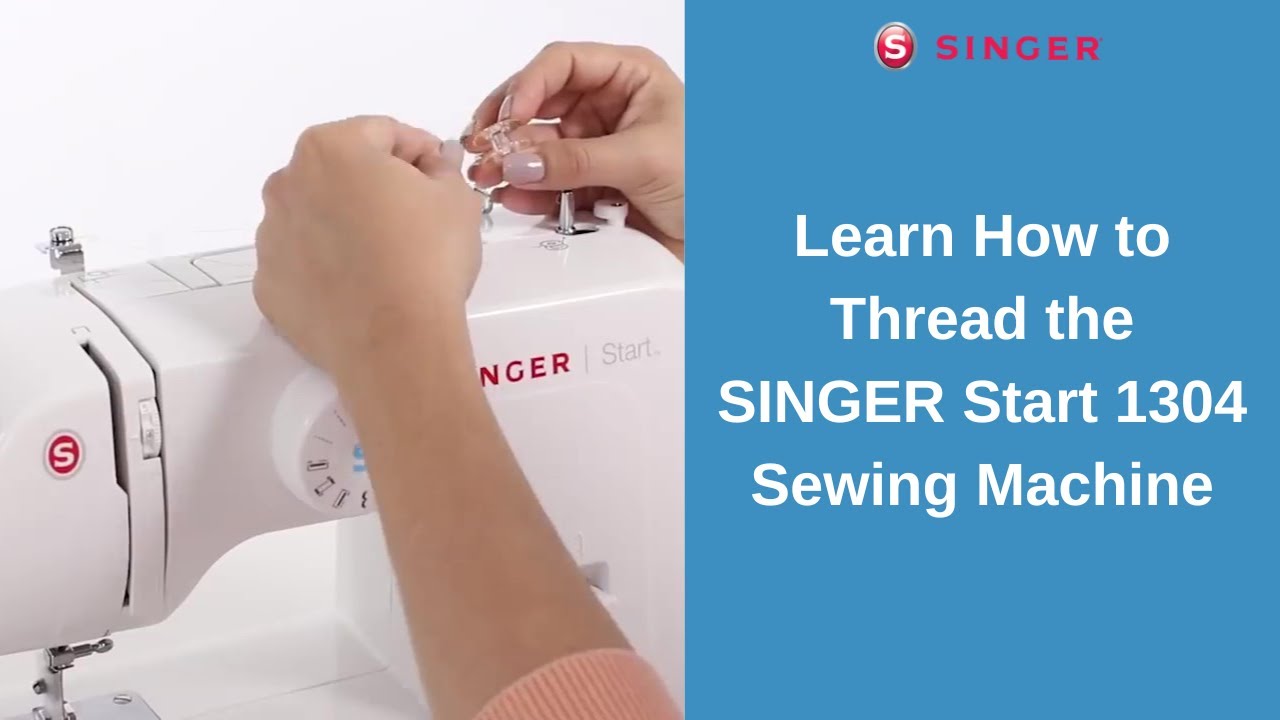
Image Source: i.ytimg.com
How To Operate A Singer Sewing Machine: Simple Guide
What is the basic operation of a Singer sewing machine? The basic operation involves preparing your machine by threading it correctly, winding a bobbin, selecting a stitch, and then guiding your fabric under the presser foot with the needle. Can I sew with a Singer sewing machine without prior experience? Yes, with this guide and a bit of practice, you can begin sewing even if you’re a complete beginner.
Singer sewing machines are renowned for their reliability and ease of use, making them a fantastic choice for both novice and experienced sewers. Whether you’ve just unboxed a brand-new Singer or dusted off a cherished vintage model, this guide will walk you through the essential steps to get you stitching in no time. We’ll cover everything from identifying Singer sewing machine parts to selecting the perfect stitch and maintaining your machine for years of sewing joy.
Getting to Know Your Singer Sewing Machine
Every sewing machine, including a Singer, has several key components that work together to create stitches. Familiarizing yourself with these parts is the first step towards successful operation.
Essential Singer Sewing Machine Parts
- Needle: This is what pierces the fabric and carries the upper thread.
- Presser Foot: This holds the fabric in place against the feed dogs. There are many types of Singer sewing machine presser feet designed for different tasks.
- Feed Dogs: These are small, toothed metal parts under the presser foot that move the fabric forward as you sew.
- Bobbin: This small spool holds the lower thread.
- Bobbin Case: In some machines, this holds the bobbin.
- Take-Up Lever: This lever moves up and down, guiding the upper thread through the machine.
- Stitch Selector Dial/Buttons: This is how you choose the type and length of your stitch.
- Handwheel: Located on the side of the machine, this allows you to manually move the needle up and down. Always turn it towards you.
- Foot Pedal/Controller: This controls the speed of the sewing machine.
- Power Switch: Turns the machine on and off.
Preparing Your Singer Sewing Machine for Sewing
Before you can start creating beautiful seams, a little preparation is in order. This ensures your machine is ready to sew smoothly and efficiently.
Singer Sewing Machine Bobbin Winding
A wound bobbin with the correct thread is crucial for a good stitch.
- Place a bobbin on the bobbin winder spindle. Your Singer sewing machine manual will show you the specific location.
- Secure the bobbin with a stopper or clip.
- Loop the thread end around the small hole in the bobbin. This prevents the thread from unraveling.
- Guide the thread through the bobbin winder tension disc. This is often a small metal spring or slot.
- Bring the thread up and over the needle.
- Swing the bobbin winder tension lever into the winding position.
- Hold the thread tail firmly.
- Gently press the foot pedal. The bobbin will start to wind.
- Once a few wraps have gone around, trim the thread tail close to the bobbin.
- Continue winding until the bobbin is full. Many machines have an automatic stopper or a line to indicate when to stop.
- Cut the thread and remove the wound bobbin. Swing the bobbin winder tension lever back to its original position.
Singer Sewing Machine Threading
Proper threading is vital for a balanced stitch. Always thread your machine with the presser foot up and the needle in its highest position.
- Place your spool of thread on the spool pin.
- Guide the thread through the first thread guide.
- Bring the thread down and around the tension discs. This is usually a mechanism with two metal discs.
- Pass the thread up and through the take-up lever. Ensure it sits securely in the hook of the lever.
- Bring the thread back down, guiding it through the remaining thread guides. Follow the numbered path indicated on your machine.
- Thread the needle. Most modern machines have a needle threader. For manual threading, pass the thread from front to back through the eye of the needle.
- Lower the presser foot. This engages the tension discs.
Inserting the Bobbin
The bobbin provides the lower thread that interlocks with the upper thread to form a stitch.
- Locate the bobbin area. This is usually under a removable plate on the machine bed.
- Place the wound bobbin into the bobbin case or shuttle. Ensure the thread is unwinding in the correct direction (check your Singer sewing machine manual for this).
- Pull a loop of thread from the bobbin.
- Thread the bobbin case. If your machine has a bobbin case, you’ll thread the bobbin through a small slit in the case, creating a loop.
- Insert the bobbin case into the machine. Ensure it clicks into place. For machines without a separate bobbin case (drop-in bobbins), simply place the bobbin in the bobbin housing and pull the thread into the designated slot.
- Now, you need to bring the bobbin thread up to meet the needle thread.
Bringing Up the Bobbin Thread
This is a critical step for starting to sew.
- Hold the upper thread loosely with your left hand.
- Turn the handwheel towards you (one full turn).
- The needle will go down and then come back up, catching the upper thread.
- As the needle comes up, it will loop the upper thread around the bobbin thread.
- Use your fingers or a seam ripper to pull this loop of bobbin thread up through the needle plate.
- Now you have both the upper and lower threads emerging from the needle plate. Pull about 4-6 inches of both threads towards the back of the machine and under the presser foot.
Selecting and Using Stitches
Singer sewing machines offer a variety of stitches for different sewing needs.
Singer Sewing Machine Stitch Selection
Most Singer machines have a dial or buttons to choose your stitch.
- Straight Stitch: The most common stitch, used for most seams. You’ll typically select a stitch length, usually between 1.5 and 3.0 mm.
- Zigzag Stitch: Useful for finishing raw edges, sewing stretchy fabrics, or creating decorative effects. You can often adjust the width and length of the zigzag.
- Buttonhole Stitch: Used to create buttonholes. Your machine may have a specific buttonhole setting or a multi-step process.
- Decorative Stitches: Many modern machines include various decorative patterns.
Singer Sewing Machine Basic Stitches Explained
| Stitch Type | Use | Recommended Settings |
|---|---|---|
| Straight Stitch | Piecing, hemming, general sewing | Stitch length: 2.0-2.5 mm (adjust for fabric thickness) |
| Zigzag Stitch | Finishing raw edges, sewing knits, decorative accents | Stitch width: 1.0-3.0 mm; Stitch length: 1.0-2.0 mm (adjust as needed) |
| Buttonhole | Creating neat buttonholes | Follow machine-specific instructions; typically uses multiple stitches |
| Backward Stitch | Securing seams at the beginning and end | Activated by a lever or button, usually runs a few stitches backward |
Sewing with Your Singer Machine
With the machine prepped and a stitch selected, it’s time to sew.
Adjusting Stitch Length and Width
- Stitch Length: This determines how long each individual stitch is. A shorter length creates a denser stitch, while a longer length makes it more spaced out. For most woven fabrics, a length of 2.0-2.5 mm is a good starting point. For very fine fabrics, you might go shorter (1.5 mm), and for thicker materials, you might go longer (3.0 mm).
- Stitch Width: This is primarily for zigzag stitches and decorative stitches. A narrower width creates a finer zigzag, while a wider width creates a more pronounced one.
Using Singer Sewing Machine Presser Feet
The presser foot is what guides and secures your fabric as you sew. Many different types of Singer sewing machine presser feet can be attached to adapt your machine for specific tasks.
- All-Purpose Foot: This is the standard foot that comes with most machines and is suitable for most everyday sewing.
- Zipper Foot: Allows you to sew close to the teeth of a zipper.
- Buttonhole Foot: Designed to create buttonholes easily.
- Overcasting Foot: Helps to finish raw edges to prevent fraying.
- Blind Hem Foot: Assists in creating nearly invisible hems.
To change a presser foot:
- Raise the presser foot lifter.
- Turn the handwheel to bring the needle to its highest position.
- Press the presser foot release lever (usually on the back of the presser bar). The old foot will drop off.
- Position the new presser foot under the presser bar. Align the tongue or shank of the foot with the screw on the presser bar.
- Press the presser foot release lever again to secure the new foot in place.
- Lower the presser foot lifter.
Guiding the Fabric
- Place your fabric under the presser foot. Ensure the needle is positioned over the starting point of your seam.
- Hold the thread tails gently behind the presser foot. This prevents them from getting caught.
- Lightly press the foot pedal. The feed dogs will move the fabric, and the needle will start to sew.
- Guide the fabric with your hands. Do not push or pull the fabric forcefully. Let the feed dogs do the work. Your hands are there to steer and keep the fabric flat against the feed dogs.
- Sew forward until you reach the end of your seam or your desired stopping point.
- To sew backward (for securing seams), press the reverse lever or button. Hold it down as you sew backward. Release it to sew forward again.
Finishing a Seam
- Sew to the end of your seam.
- Stop sewing and raise the needle to its highest position by turning the handwheel towards you.
- Raise the presser foot lifter.
- Gently pull your fabric away from the machine.
- Cut the upper and lower threads with scissors or a thread cutter (usually located on the machine’s base). Leave about 4-6 inches of thread for the next seam.
Essential Singer Sewing Machine Maintenance
Regular maintenance keeps your Singer running smoothly and prevents issues.
Singer Sewing Machine Cleaning
Dust and lint are the enemies of sewing machines.
- After each sewing session: Brush away any lint from the bobbin area, needle plate, and feed dogs using a small brush.
- Weekly or bi-weekly (depending on use):
- Turn off and unplug the machine.
- Remove the needle plate and bobbin case.
- Use a soft brush to clean all accessible areas, especially around the feed dogs and bobbin driver.
- A puff of compressed air can help dislodge stubborn lint, but be gentle.
- Wipe down the exterior of the machine with a soft, dry cloth.
Singer Sewing Machine Oiling
Oiling is crucial for reducing friction and wear. Always consult your Singer sewing machine manual for specific oiling points.
- Frequency: Most machines need oiling every few hours of use or at least once a month.
- Type of Oil: Use only Singer brand sewing machine oil or a high-quality synthetic sewing machine oil. Never use WD-40 or general lubricants.
- Oiling Points: These are typically metal-on-metal contact points. Look for small holes or areas where parts move against each other. Common points include:
- The bobbin driver area.
- The needle bar.
- The presser bar.
- Around the hook mechanism.
- How to Oil: Apply only one or two drops of oil to each specified point. Run the machine for a few minutes without fabric to distribute the oil. Wipe away any excess oil.
Singer Sewing Machine Needle Types and Replacement
Needles can become dull, bent, or burred, leading to skipped stitches, thread breakage, and fabric damage.
- When to Change: Change your needle every 8-10 hours of sewing time, or immediately if you notice sewing problems.
- Choosing the Right Needle: The Singer sewing machine needle types you use depend on your fabric and thread.
- Universal Needles: Good for most all-around sewing.
- Sharps/Microtex Needles: For fine, crisp fabrics like silk and cotton lawn.
- Ballpoint/Jersey Needles: For knits and stretchy fabrics – the rounded tip pushes the fabric fibers aside rather than piercing them, preventing runs.
- Denim/Jeans Needles: Stiffer and sharper for sewing through denim, canvas, and other heavy fabrics.
- Leather Needles: Have a wedge-shaped tip to pierce leather.
- How to Change a Needle:
- Turn off and unplug the machine.
- Lower the presser foot.
- Turn the handwheel to bring the needle to its highest position.
- Loosen the needle clamp screw (usually with a screwdriver or your fingers).
- Remove the old needle.
- Insert the new needle, ensuring the flat side of the needle shank faces the back of the machine.
- Push the needle up as far as it will go into the needle clamp.
- Tighten the needle clamp screw securely.
- Raise the presser foot.
Singer Sewing Machine Troubleshooting Common Issues
Even with the best maintenance, you might encounter problems. Here are some common Singer sewing machine troubleshooting tips:
| Problem | Possible Cause(s) | Solution(s) |
|---|---|---|
| Skipped Stitches | Incorrect needle type, dull/bent needle, needle inserted incorrectly, improper threading, lint in the bobbin area, worn bobbin case. | Use the correct needle type for your fabric. Ensure the needle is sharp and inserted correctly (flat side back). Re-thread the machine, paying close attention to threading the take-up lever and bobbin. Clean the bobbin area and check the bobbin case for damage. |
| Thread Breaking (Upper) | Needle inserted incorrectly, wrong needle type, snagged thread spool, too much tension, lint in the tension discs, rough threading path. | Re-thread the machine. Check needle insertion and type. Ensure thread unwinds smoothly from the spool. Reduce upper tension slightly. Clean tension discs. Inspect the entire thread path for rough spots. |
| Thread Breaking (Bobbin) | Bobbin wound unevenly, bobbin case dirty or damaged, lint in the bobbin area, incorrect bobbin insertion, too much tension. | Rewind the bobbin smoothly. Clean the bobbin case and bobbin area. Ensure the bobbin is inserted correctly. Check and adjust bobbin tension (refer to your manual). |
| Fabric Puckering | Too much upper tension, needle too large for the fabric, stitch length too short, feeding fabric incorrectly. | Reduce upper tension. Use a smaller, sharper needle. Increase stitch length. Guide fabric gently without pushing or pulling. |
| Noisy Machine | Lint build-up, needs oiling, loose parts, incorrect needle. | Clean and oil the machine according to the manual. Check that all parts are securely tightened. Ensure the correct needle is used and is properly seated. |
| Uneven Stitches | Incorrect tension setting, lint in the bobbin area, feed dogs not engaging properly, worn parts. | Adjust upper and lower tension. Clean the bobbin area. Ensure feed dogs are raised and clean. If problems persist, the machine may need professional servicing. |
| Needle Bending/Breaking | Wrong needle type, forcing fabric, needle not inserted correctly, bent needle. | Use the correct needle for the fabric. Never force fabric through the machine. Ensure the needle is straight and correctly seated. |
Frequently Asked Questions (FAQ)
Q: How often should I change the needle on my Singer sewing machine?
A: It’s recommended to change your needle after every 8-10 hours of sewing time, or whenever you encounter sewing issues like skipped stitches or thread breakage.
Q: Can I use any brand of thread with my Singer sewing machine?
A: While you can use most good-quality sewing threads, it’s best to use threads specifically designed for sewing machines. Avoid very cheap or old threads that may be weak or shed lint excessively.
Q: My machine is making a loud grinding noise. What should I do?
A: A loud grinding noise often indicates a problem with the bobbin area or hook mechanism. First, ensure there is no lint or debris caught in these areas. If the noise persists after cleaning, it’s best to consult your Singer sewing machine manual or seek professional servicing.
Q: What is the difference between stitch length and stitch width?
A: Stitch length refers to how long each individual stitch is along the seam line, affecting how dense or spaced out the stitches are. Stitch width refers to how wide a zigzag or decorative stitch is from side to side.
Q: My Singer sewing machine keeps jamming.
A: Jamming is often caused by incorrect threading, lint buildup, or a problem with the bobbin. Double-check your threading, ensure the bobbin is wound evenly and inserted correctly, and thoroughly clean the bobbin area and feed dogs.
By following these steps and tips, you’ll be well on your way to operating your Singer sewing machine with confidence and enjoying the creative possibilities it unlocks. Happy sewing!