
Yes, you can definitely sew patches onto sleeves using a sewing machine perfectly! It’s a fantastic way to personalize your clothing, repair worn areas, or add a unique touch. This comprehensive guide will walk you through every step, ensuring your sleeve patch attachment looks professional and lasts.
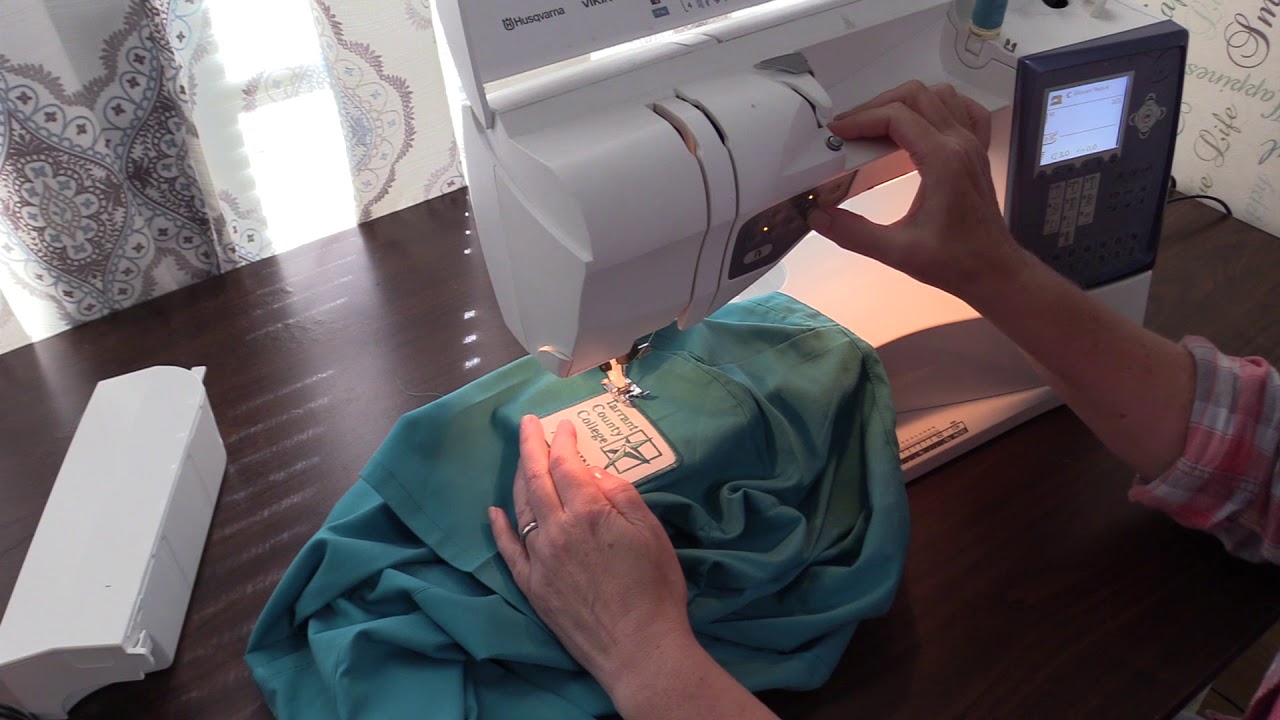
Image Source: i.ytimg.com
Why Machine Sew Patches on Sleeves?
Hand-sewing patches is a classic method, but using a sewing machine offers several advantages for sleeve patch application. It’s faster, more consistent, and can create a very durable stitch. Whether you’re a beginner looking for DIY sleeve patches or an experienced crafter, mastering machine sewing patches will elevate your sewing skills.
Benefits of Machine Sewing Patches:
- Speed: Significantly faster than hand-stitching.
- Durability: Machine stitches are often stronger and more secure.
- Consistency: Creates neat, even stitches every time.
- Professional Finish: Achieves a clean, polished look.
- Versatility: Works well with various patch types and fabrics.
Essential Supplies for Sleeve Patch Sewing
Before you start, gather all your materials. Having everything ready makes the process smooth and enjoyable.
What You’ll Need:
- Your Sleeve: The garment with the sleeve you want to decorate.
- Your Patch: Ensure it’s suitable for machine sewing (iron-on patches can also be machine-sewn after ironing).
- Sewing Machine: Any standard home sewing machine will work.
- Matching Thread: Choose a thread color that complements your patch and sleeve.
- Sharp Scissors: For trimming threads and fabric.
- Fabric Pins or Wonder Clips: To hold the patch in place.
- Iron and Ironing Board: Essential for preparing iron-on patches.
- Embroidery Hoop (Optional): Can help stabilize stretchy sleeves.
- Water-Soluble Marker or Chalk: For marking placement.
- Rotary Cutter and Mat (Optional): For precise fabric trimming.
- Seam Ripper (Just in case!): For fixing mistakes.
- Starch (Optional): To give the sleeve a little extra stiffness for easier handling.
Preparing Your Patch and Sleeve
Proper preparation is key to achieving a perfect result when sewing patches on sleeves.
Preparing the Patch:
- Iron-On Patches: If your patch is iron-on, follow the manufacturer’s instructions. Generally, this involves placing the patch on the sleeve and pressing with a hot iron for a specified time. This fuses the adhesive to the fabric, providing a stable base for machine sewing. Even after ironing, machine stitching will add extra security.
- No-Iron Patches: These patches are typically made of fabric and have a merrowed (stitched) edge. They don’t have adhesive, so they rely entirely on stitching.
Preparing the Sleeve:
- Wash and Dry: Always wash and dry your garment before sewing. This prevents shrinkage after the patch is attached, which could distort the design.
- Iron the Sleeve: Ensure the sleeve is smooth and wrinkle-free. This makes accurate placement much easier.
- Starching (Optional): For very stretchy or slippery fabrics, a light application of fabric starch can make the material easier to handle and prevent it from shifting under the needle. Let it dry completely.
- Consider the Sleeve Structure: Think about the seam allowances and any bulky areas within the sleeve, such as thick side seams or cuff attachments. You want to avoid sewing directly over these if possible.
Deciding on Patch Placement
The right placement makes all the difference.
Placement Tips:
- Symmetry: If you’re adding patches to both sleeves, ensure they are placed at the exact same height and position on each.
- Arm Movement: Avoid placing patches where they will constantly bend or bunch up when the arm is in motion, as this can stress the stitches. The upper or mid-sleeve is usually a good spot.
- Visual Balance: Hold the patch against the sleeve and step back to see how it looks. You can use a mirror for a better perspective.
- Marking: Use a water-soluble marker or tailor’s chalk to lightly mark the desired position. A small “X” in the center or dots at the corners can be helpful guides.
Machine Sewing Techniques for Patch Application
Now, let’s get to the core of attaching your patch with a sewing machine. There are a few methods depending on the look you want and your machine’s capabilities.
Method 1: Straight Stitch Around the Edge
This is the simplest and most common method for machine sewing patches.
Steps:
- Pin the Patch: Carefully pin the patch in place on the sleeve. Use plenty of pins, especially around the edges, to prevent shifting. If using Wonder Clips, they are excellent for holding without snagging. For very stretchy fabric, you might consider using a temporary fabric adhesive spray or even some large, loose hand basting stitches to hold it firmly.
- Set Up Your Machine:
- Needle: Use a universal needle appropriate for your fabric weight (e.g., size 80/12 for medium-weight cotton).
- Thread: Use a good quality polyester thread that matches your patch or sleeve.
- Stitch Selection: Select a straight stitch.
- Stitch Length: A medium stitch length (around 2.0-2.5mm) is usually good for durability.
- Start Sewing: Begin sewing at a discreet point, perhaps along the bottom edge of the patch or a less visible area.
- Sew Around the Patch:
- Navigate Curves: When you reach a corner or curve, slow down. Stop with the needle down in the fabric.
- Lift Presser Foot: Lift the presser foot.
- Pivot: Turn the fabric so you can continue sewing along the next edge.
- Lower Presser Foot: Lower the presser foot.
- Edge Stitching: Aim to sew very close to the edge of the patch, about 1-2mm away. This helps to catch the entire merrowed edge of the patch. If your patch doesn’t have a merrowed edge, you’ll be sewing through the patch material itself.
- Reinforce the Start/End: Before you start sewing and after you finish, backstitch a few times (usually 3-5 stitches forward and backward) to secure the stitches.
- Finishing: Once you’ve sewn all the way around, backstitch again, lift the presser foot, and cut the threads. Remove all pins.
Variations for Straight Stitch:
- Double Stitching: For extra durability, you can sew a second line of stitching just inside or outside the first one. This is particularly useful for patches that will see a lot of wear.
Method 2: Zigzag Stitch
A zigzag stitch is another excellent choice for machine sewing patches. It offers more flexibility and can be very forgiving on stretchy fabrics.
Steps:
- Pin the Patch: Secure the patch firmly with pins or clips.
- Set Up Your Machine:
- Needle and Thread: Same as for the straight stitch.
- Stitch Selection: Select a zigzag stitch.
- Stitch Width: Start with a narrow to medium width (e.g., 1.0-2.5mm). You want the stitches to primarily go over the edge of the patch and the sleeve fabric.
- Stitch Length: A shorter stitch length (e.g., 1.5-2.0mm) works well with zigzag stitches for a dense, secure finish.
- Start Sewing: Begin at a less visible spot.
- Sew Around the Patch:
- Edge Coverage: Guide the patch so that the needle stitches just over the edge of the patch and onto the sleeve fabric. The zigzag stitch should catch the patch’s edge.
- Adjust as Needed: You might need to slightly adjust the stitch width and length as you go, especially around curves, to ensure good coverage without the stitches going too far onto the patch’s design.
- Reinforce and Finish: Backstitch at the beginning and end, then cut threads. Remove pins.
Tips for Zigzag Stitch Application:
- Test First: Always test your zigzag stitch settings on a scrap piece of fabric with a patch edge to see how it looks and feels before sewing on your actual sleeve.
- Narrow Zigzag: A narrow zigzag stitch can look very similar to a straight stitch but provides more stretch.
- Wider Zigzag: A slightly wider zigzag can create a decorative border, but ensure it doesn’t cover too much of the patch’s detail.
Method 3: Satin Stitch (Decorative and Secure)
If your machine has a satin stitch (also known as a zigzag stitch with very close stitch length and width), it can create a beautiful, solid-looking border that is both decorative and very secure. This is ideal for patches that don’t have their own thick merrowed edge.
Steps:
- Pin the Patch: Pin securely.
- Set Up Your Machine:
- Stitch Selection: Satin stitch (often looks like a solid bar of stitching).
- Stitch Width: Adjust the width to cover the edge of the patch effectively. You’ll be stitching back and forth across the edge.
- Stitch Length: Set to the shortest possible length so the stitches are very close together, creating a solid appearance.
- Start Sewing: Begin at a discreet point.
- Sew Around the Patch:
- Guide Carefully: You’ll be moving the fabric with the sewing machine’s feed dogs. The needle will swing from side to side, covering the edge.
- Control Speed: Go slowly and steadily, guiding the fabric precisely to keep the satin stitch within the desired area (usually covering the edge of the patch and a tiny bit of the sleeve).
- Reinforce and Finish: Backstitch at the start and end. Cut threads and remove pins.
Considerations for Satin Stitch:
- Practice is Key: Satin stitching takes practice to get perfectly neat.
- Thread Tension: Ensure your thread tension is balanced for a clean satin stitch.
- Fabric Choice: This method works best on patches with a defined edge that you want to encase smoothly.
Advanced Sleeve Patch Sewing Tips
Elevate your patch application with these expert tips.
Stabilizing Stretchy Sleeves
If you’re working with a very stretchy knit fabric, it can be challenging to prevent it from distorting under the needle.
- Stabilizer: Use a wash-away or tear-away stabilizer. Place a piece of stabilizer behind the sleeve where you’ll be sewing.
- Embroidery Hoop: Hoop the sleeve (with stabilizer if needed) to keep it taut. This is especially helpful for smaller patches or intricate stitching.
- Slow and Steady: Sew very slowly to give the fabric less chance to stretch and pull.
Working with Different Patch Types
- Embroidered Patches: These can be thick. Ensure your sewing machine needle is sharp and strong enough.
- Woven Patches: Similar to embroidered, they are quite durable.
- PVC/Rubber Patches: These often have a smooth edge that can be sewn with a straight or narrow zigzag stitch.
- Appliqué Patches: If the patch is a raw-edge appliqué, you might want to use a satin stitch or a close zigzag to prevent fraying.
Handling Bulk
- Seam Allowance: Be mindful of existing seams on the sleeve. Try to position the patch so you don’t sew directly over thick seams. If you must, use a “stitch-in-the-ditch” technique or a hump jumper (a special presser foot tool) to help the needle clear the bulk.
- Needle Choice: A heavier-duty needle might be necessary for very thick fabrics or multiple layers.
Thread Choices for Durability and Aesthetics
- Polyester Thread: This is generally the strongest and most durable thread for sewing patches.
- Cotton Thread: Good for cotton sleeves and patches, but less strong than polyester.
- Decorative Threads: Metallic or variegated threads can add a unique look, but they can be trickier to work with and may require a larger needle.
Using Your Sewing Machine Features
- Needle Up/Down: Many machines have a setting that keeps the needle down when you stop. This is incredibly useful for pivoting.
- Speed Control: If your machine has a speed control slider or foot pedal with a wider range, use it to sew slowly and precisely.
- Presser Foot: While the standard presser foot works fine, a walking foot or even a free-motion foot (if you plan to stitch around the patch in a decorative way) can be beneficial.
Troubleshooting Common Issues
Even with the best intentions, you might encounter minor problems.
Problem: Patch is Shifting While Sewing
- Solution: You likely need more pins or clips. Ensure they are placed close to the edge you are sewing. Try a temporary fabric adhesive spray or basting stitches for extra security.
Problem: Stitches are Skipped
- Solution:
- Your needle might be dull or bent. Replace it.
- The needle might be the wrong size for the fabric or thread.
- Your thread might be old or of poor quality.
- The fabric might be too thick for your needle.
- Check your machine’s tension settings.
Problem: Fabric is Puckering
- Solution:
- Your stitch length might be too short for the fabric.
- Your thread tension might be too tight.
- You’re sewing too fast, causing the fabric to pull.
- For stretchy fabrics, use stabilizer or a walking foot.
Problem: Sewing Machine is Jamming
- Solution:
- Check that the bobbin is wound evenly and inserted correctly.
- Ensure the upper thread is correctly threaded through the machine.
- Clear any lint or thread buildup around the bobbin area and feed dogs.
- Make sure you are using the correct needle for your fabric.
Adding Patches to Specific Sleeve Types
The type of sleeve you are working with can influence the process.
T-Shirt Sleeves
- Fabric: Usually made of jersey knit, which is stretchy.
- Tips: Use a ballpoint or jersey needle to avoid snagging the fabric. Stabilizer or a walking foot can be very helpful. Position the patch to avoid stretching the fabric while sewing.
Denim Jacket Sleeves
- Fabric: Denim is sturdy and often has a twill weave.
- Tips: Use a strong universal needle (size 90/14 or 100/16) and heavy-duty thread. You might need to go slower due to the thickness.
Dress Shirt Sleeves
- Fabric: Often woven cotton or cotton blends, less stretchy than knits.
- Tips: Standard universal needles work well. Pay attention to the seam lines of the sleeve construction.
Sweatshirt Sleeves
- Fabric: Typically fleece or French terry, which can have a fuzzy back.
- Tips: Use a universal needle. Be careful not to let the fuzzy backing get caught in the stitch. A slightly longer stitch length can sometimes prevent puckering on thicker fleece.
Machine Sewing Patches: A Summary
Machine sewing patches on sleeves is a rewarding skill. By following these steps and tips, you can confidently attach your chosen patches, transforming your garments. Whether you’re looking for a quick way to add personality or a durable repair, the sewing machine is your best ally for sleeve patch attachment.
Key Takeaways for Success:
- Preparation is Paramount: Wash, iron, and position your patch carefully.
- Choose the Right Stitch: Straight, zigzag, or satin stitch all have their uses.
- Use the Correct Needle and Thread: Match them to your fabric and patch.
- Pin Generously: Secure the patch firmly before sewing.
- Sew Slowly and Steadily: Especially around curves and on stretchy fabrics.
- Test First: Always test your machine settings on a scrap.
With practice, you’ll become adept at this technique, making DIY sleeve patches a regular part of your sewing repertoire. Enjoy personalizing your wardrobe!
Frequently Asked Questions (FAQ)
Q1: Can I sew an iron-on patch onto a sleeve with just my sewing machine?
A1: Yes, absolutely! While iron-on patches have adhesive, sewing them with a machine provides much greater durability. It’s recommended to iron the patch on first according to the manufacturer’s instructions to create a stable base, then machine stitch around it.
Q2: What is the best stitch to use for sewing patches on sleeves?
A2: The best stitch depends on the patch and the look you desire. A straight stitch sewn very close to the edge of the patch is simple and effective. A narrow zigzag stitch offers more flexibility, especially on stretchy fabrics. A satin stitch (a very dense zigzag) can create a solid, decorative edge.
Q3: What kind of needle should I use for sewing patches on sleeves?
A3: Generally, a universal needle is a good starting point for most fabrics. If you’re sewing on stretchy knits like t-shirt sleeves, use a ballpoint or jersey needle to prevent skipped stitches and fabric damage. For thicker materials like denim, a denim or heavy-duty needle (size 90/14 or 100/16) is recommended.
Q4: How do I prevent the sleeve fabric from stretching or puckering when I sew the patch?
A4: To prevent stretching on knit fabrics, consider using a wash-away or tear-away stabilizer behind the sleeve, or hooping the sleeve in an embroidery hoop. Sewing slowly and using a walking foot can also help manage the fabric. Ensure your thread tension is balanced and your stitch length is appropriate for the fabric.
Q5: Can I sew patches onto the underside of a sleeve without the stitches showing on the inside?
A5: It’s difficult to completely hide the stitches on the inside when machine sewing patches, especially with standard methods. The back of the stitches will be visible on the sleeve’s interior. For a cleaner look on the inside, you can:
* Use a stitch witchery or fusible web to adhere the patch first, then sew a very fine stitch along the very edge of the patch.
* Use a satin stitch that’s dense enough that the underside doesn’t look too messy.
* Consider using a patch with a very thin merrowed edge that your machine can easily cover with a narrow zigzag.
* You can try to trim excess stabilizer or fabric from the back if you used those methods.
Q6: How close to the edge of the patch should I sew?
A6: Aim to sew approximately 1-2mm away from the very edge of the patch. This ensures you catch the merrowed (stitched) border of the patch, securing it firmly without going too far onto the patch design itself or leaving too much of the patch edge unstitched.
Q7: My sewing machine is struggling with the thickness of the patch or sleeve. What can I do?
A7: If your machine is struggling, try the following:
* Use a sharper, heavier-duty needle appropriate for the fabric thickness.
* Use a higher stitch length if you’re using a straight stitch, which can help the needle penetrate thicker layers.
* Consider using a walking foot or even feed foot, which helps feed multiple layers of fabric more evenly.
* Sew slowly and carefully.
* Ensure your machine’s bobbin tension is correctly set for the thicker material.
* If the patch itself is very thick, ensure its backing is designed to be sewn.