
Is your sewing machine just not working? Does it refuse to sew? You might see problems like the thread breaking, stitches skipping, or the fabric not moving. The good news is that most sewing machine problems are simple to fix. They often happen because of small things like how the machine is set up or a worn-out part. This guide will help you figure out what is wrong and how to get your machine sewing again. We will look at common issues and show you how to fix them step by step. This is your guide for troubleshooting sewing machine problems.
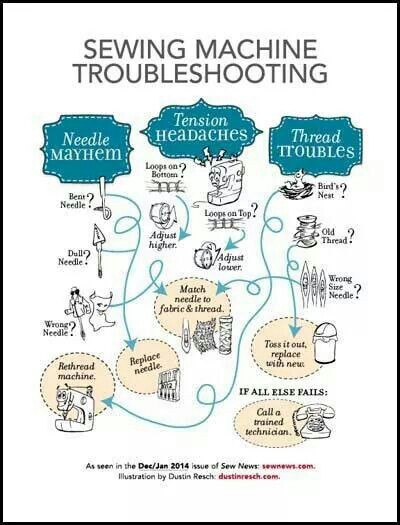
Image Source: bestfabricstore.com
Pinpointing Common Sewing Machine Problems
Sewing machines can stop working for many reasons. Knowing the main troubles helps you fix things faster. Most problems fall into a few main groups.
h4 Common Problem Areas
* Trouble with the needle.
* Problems with the thread.
* Issues with the bobbin.
* Tension settings are wrong.
* The machine feed dogs are not moving fabric.
* Parts are stuck or jammed.
Let’s look at each of these areas closely. We will find out what goes wrong and how to fix it easily.
Checking the Needle
The needle is small but super important. Many sewing problems start here. A bad needle cannot make good stitches.
h4 Signs of Needle Trouble
* Sewing machine skipping stitches.
* Sewing machine thread breaking.
* Making loud noises when sewing.
* Poking holes in fabric.
* Bending or breaking often.
h4 Why Needle Problems Happen
Needles are strong, but they don’t last forever. They get dull. They can bend. Sometimes, they are put in wrong.
h5 A Bent or Dull Needle
Think of a needle like a tiny knife point. It has to go through fabric easily. If the point is dull, it has to push hard. This can pull on the thread too much. It can bend the needle. A bent needle does not move straight. It might hit parts inside the machine.
- A dull needle makes sewing hard.
- It can snag fabric threads.
- It causes the machine to skip stitches.
- A bent needle might hit the metal plate under the needle. This makes a loud noise.
- A bent needle can make the thread break.
h5 The Wrong Needle Size or Type
Needles come in different sizes. They also come in different types. You need different needles for different fabrics.
- Use a small needle for light fabrics like silk.
- Use a bigger needle for thick fabrics like denim.
- Jersey fabric needs a ballpoint needle. This needle has a round tip. It pushes fabric threads apart instead of breaking them.
- Leather needs a special leather needle. It has a sharp, triangle point.
Using the wrong needle can cause big problems. The needle might not make a clean hole. It might break threads. It could cause sewing machine skipping stitches.
h5 Needle Put In Wrong
Sewing machine needles are flat on one side. This flat side must face a certain way. Check your machine’s manual. It will tell you which way the flat side should point.
- Most machines need the flat side pointing to the back.
- Some old machines are different. Always check the manual.
- If the needle is backwards or twisted, it cannot pick up the bobbin thread right.
- This leads to stitches not forming. It causes the bobbin thread not catching.
h5 Fixing Needle Issues
Checking and changing the needle is the first step when your machine won’t sew right.
- Turn off the machine. Unplug it for safety.
- Look closely at the needle. Is it bent? Is the tip broken?
- Feel the tip gently with your finger. Does it feel sharp? Or is it round and dull?
- If it looks bent, broken, or feels dull, change it.
- To change the needle, find the screw that holds it in place. Loosen the screw.
- Pull the old needle down and out.
- Get a new needle. Make sure it is the right size and type for your fabric.
- Hold the new needle with the flat side facing the right way.
- Push the top of the new needle up into the holder as far as it will go.
- Tighten the screw to hold the needle firmly.
- Thread the machine again. Test it on scrap fabric.
Changing the needle fixes many sewing machine problems quickly. It is the easiest fix.
Dealing with Thread Problems
Thread is just as important as the needle. If the thread is bad or not put in right, the machine will not sew. Sewing machine thread breaking and the sewing machine upper thread keeps coming out are very common.
h4 Why Thread Causes Trouble
Thread can break for many reasons. It can also come out of the needle or guides.
h5 Bad Quality Thread
Cheap thread can be weak. It might have thick and thin spots. It might have knots.
- Weak thread breaks easily under tension.
- Uneven thread gets caught.
- Use good quality thread from a sewing store. It is stronger and smoother.
h5 Thread Put In Wrong
Your sewing machine has a path for the upper thread. It goes through guides, tension discs, and the take-up lever.
- If you miss a guide, the thread tension will be wrong.
- If the thread is not in the tension discs, it is too loose.
- If the thread is not in the take-up lever, it cannot pull the loop of thread correctly.
- This can cause sewing machine skipping stitches or thread loops on the fabric.
- The thread might also come out of the needle or guides. This is why the sewing machine upper thread keeps coming out.
h5 Upper Thread Tension Too Tight
If the top thread tension is too high, the thread is pulled too hard.
- High tension makes the thread very tight.
- Tight thread breaks easily. This leads to sewing machine thread breaking.
- Check your tension dial. Try setting it to the middle number first.
h5 Thread Snagging
The thread path must be smooth. If the thread gets caught anywhere, it will pull too hard and break.
- Check the thread spool. Is it spinning freely on its pin?
- Is the thread catching on a crack in the spool?
- Is the thread catching on the machine casing?
- Is the thread tangled before it reaches the first guide?
h5 Fixing Upper Thread Issues
- Turn off the machine. Unplug it.
- Take out the upper thread completely.
- Get your machine manual. Look at the diagram for threading the upper thread.
- Re-thread the machine carefully. Follow the path exactly.
- Make sure the presser foot is up when threading. This opens the tension discs so the thread sits in them right.
- Check your thread spool. Use a spool cap if your machine uses one. The cap holds the spool firm and helps it spin well.
- If thread keeps breaking, try using a different spool of thread. Make sure it is good quality.
- Check the tension dial. Set it to the middle setting. Sew on scrap fabric. Adjust only if needed.
- Look closely at the thread path. Are there any rough spots? Any bits of old thread stuck anywhere? Clean the thread path.
Sorting Out Bobbin Problems
The bobbin holds the lower thread. This thread meets the upper thread to form a stitch. Problems with the bobbin are common reasons for stitches not forming or the bobbin thread not catching.
h4 Why Bobbin Causes Trouble
The bobbin needs to be wound right. It needs to be put in right. It needs the right tension.
h5 Bobbin Wound Wrong
The thread must be wound evenly and smoothly onto the bobbin.
- If the thread is crisscrossed or lumpy on the bobbin, it won’t spin smoothly in the bobbin case.
- It can get stuck.
- This stops the lower thread from coming up to meet the top thread.
- The result is often the bobbin thread not catching.
h5 Bobbin Put In Wrong
How the bobbin sits in its case matters.
- Some bobbins spin clockwise. Some spin counter-clockwise. Check your manual!
- If the bobbin spins the wrong way, the thread will not feed right.
- The thread needs to go through a small tension spring or slot on the bobbin case.
- If you miss this slot, the bobbin thread is too loose.
h5 Bobbin Case Problems
The bobbin case holds the bobbin. It also controls the bobbin thread tension.
- Dirt or lint in the bobbin case can stop the bobbin from spinning.
- It can also mess up the lower thread tension.
- Damage to the bobbin case (like a scratch or dent) can snag the thread.
h5 Empty Bobbin
This sounds simple, but it happens! Is there any thread left on the bobbin?
- If the bobbin is empty, there is no lower thread.
- The machine will not make stitches.
h5 Fixing Bobbin Issues
- Turn off the machine. Unplug it.
- Take out the bobbin case and the bobbin.
- Check the bobbin. Is it empty? Wind a new one if needed.
- Is the thread wound smoothly on the bobbin? If not, wind a new one correctly.
- Check your manual. How should the bobbin sit in the case? Which way should it spin?
- Put the bobbin into the case the right way.
- Make sure the bobbin thread goes through the tension slot or spring on the case. Pull the thread gently to feel a little pull.
- Clean the bobbin case area. Use a small brush to remove lint and dust. Check for tangled threads stuck inside.
- Put the bobbin case back into the machine correctly. It usually clicks into place.
- Thread the machine. Bring up the bobbin thread.
- Sew on scrap fabric.
If the bobbin thread not catching is your main issue, checking these bobbin steps is key.
Adjusting Thread Tension
Sewing machine tension issues are very common. Tension is about how tight the threads are. Both the upper thread and the bobbin thread need the right amount of pull.
h4 What is Thread Tension?
Tension balances the upper and lower threads.
- The upper thread comes from the spool, through the machine, and down the needle.
- The lower thread comes from the bobbin, up through the bobbin case.
- They meet in the fabric and loop together.
- If tension is perfect, the loop joins exactly in the middle of the fabric layers.
h4 Signs of Wrong Tension
- Loops of thread on the top of the fabric (bobbin tension too tight or upper tension too loose).
- Loops of thread on the bottom of the fabric (upper tension too tight or bobbin tension too loose).
- Sewing machine skipping stitches.
- Sewing machine thread breaking.
- Stitches look messy or pull the fabric.
h4 How to Adjust Tension
Most machines have a dial for upper thread tension. Bobbin tension is usually adjusted on the bobbin case itself, but you should avoid touching this unless you know what you are doing or have a special tension issue.
h5 Adjusting Upper Tension
- Start with the upper tension dial set to the middle number (often 4 or 5).
- Sew a line of stitches on scrap fabric. Use the same fabric you plan to use.
- Look at the stitches.
- If you see loops on the bottom of the fabric: Upper tension is too high. Make the number on the dial smaller.
- If you see loops on the top of the fabric: Upper tension is too low. Make the number on the dial larger.
- Change the dial just one number at a time. Sew again. Check stitches again.
- Keep doing this until the stitches look the same on the top and bottom. They should not loop.
h5 Adjusting Bobbin Tension (Careful!)
Adjusting bobbin tension is tricky. Often, if upper tension is right, bobbin tension is okay. Do this only if you are sure the problem is the bobbin tension.
- The bobbin case has a tiny screw.
- Turning this screw a little changes the bobbin thread pull.
- Turning the screw right (clockwise) makes tension tighter.
- Turning the screw left (counter-clockwise) makes tension looser.
- Make only very small turns. A quarter turn can make a big difference.
- It is easy to mess up bobbin tension. If you are not sure, it is better to have a sewing machine service needed visit to check it.
Using the right thread and making sure the machine is threaded perfectly often fixes tension problems without touching the dials much.
When Fabric Isn’t Moving: Fabric Not Feeding
Your machine needs to move the fabric along so you can sew one stitch after the next. Small metal teeth under the presser foot do this job. They are called feed dogs. If the fabric not feeding, you cannot sew.
h4 Why Fabric Stops Feeding
- Feed dogs are down: There is usually a switch or button to lower the feed dogs. This is used for free-motion sewing or darning. If they are down, they cannot grip the fabric.
- Stitch length is zero: Some machines let you set the stitch length to zero. This is for sewing in place (like knotting at the start/end). If stitch length is zero, the feed dogs do not move the fabric.
- Presser foot is not down: The presser foot holds the fabric down against the feed dogs. If the foot is up, the feed dogs cannot grab the fabric to move it.
- Lint and dirt: Feed dogs have little teeth. If they are filled with lint and dirt, they cannot grip the fabric well.
- Presser foot pressure: Some machines let you change how hard the presser foot pushes on the fabric. If the pressure is too low, especially for thick fabric, the feed dogs might not grip.
h4 Fixing Fabric Feeding Issues
- Check if the feed dogs are down. Look for a switch on the back or side of the machine. Flip the switch to lift the feed dogs up.
- Check your stitch length setting. Make sure it is set to a number greater than zero. Start with a normal stitch length like 2.5 or 3.
- Is the presser foot down? Lower the presser foot lever. You must sew with the foot down.
- Lift the presser foot. Look at the feed dogs. Are they full of lint? Clean them with a small brush.
- If your machine has a presser foot pressure dial, check your manual. Try increasing the pressure slightly for thick fabrics.
If fabric not feeding is the problem, checking these points usually solves it.
What to Do When the Machine is Stuck: Sewing Machine Jammed
Sometimes the machine just stops. It might make a loud noise. It won’t move. This often means something is jammed.
h4 Why Machines Get Jammed
- Thread nests: Lots of tangled thread build up under the fabric, often near the bobbin case. This is a common reason for a sewing machine jammed state. It happens when the upper thread is not threaded right or tension is bad, causing loops on the bottom.
- Needle hitting something: The needle might hit the bobbin case, the feed dogs, or the edge of the needle plate. This can bend the needle and jam the machine. This often happens if the needle is bent or put in wrong.
- Thick fabric: Trying to sew fabric that is too thick for the machine can cause it to jam. The needle cannot get through the fabric.
- Wrong parts: Using the wrong bobbin or bobbin case can cause a jam.
h4 Fixing a Jammed Machine
Do NOT force the machine wheel or foot pedal. You could break something.
- Turn off the machine. Unplug it.
- Raise the needle to its highest point if you can. If not, try to gently turn the handwheel towards you very slowly. If it won’t move easily, stop.
- Cut the threads connecting the machine to the fabric. Remove the fabric carefully. You might need scissors to cut threads close to the needle plate.
- Remove the needle plate. You usually need a small screwdriver.
- Look inside the bobbin area. Is there a big ball of tangled thread (a “thread nest”)? This is often the cause of a sewing machine jammed.
- Clean out all the tangled thread. Use tweezers and a small brush. Be careful not to scratch anything. Get all the threads out.
- Check the bobbin case. Is it damaged? Is there thread stuck inside it?
- Check the needle. Is it bent or broken? Change it if needed.
- Put the bobbin case back in.
- Put the needle plate back on.
- Re-thread the entire machine, both upper and bobbin threads, very carefully.
- Test on scrap fabric slowly.
Cleaning out a thread jam is the most common fix for a sewing machine jammed state.
General Troubleshooting Steps
When your machine won’t sew, go through a simple checklist. These troubleshooting sewing machine problems steps can help you find the issue.
h4 Simple Checks First
- Is it plugged in? (Yes, it happens!) Is the power switch on?
- Is the light on? If not, check the power cord.
- Is the foot pedal plugged in?
- Did you thread it right? Take all the thread out and re-thread it slowly, following the manual.
- Is the presser foot down? You cannot sew with it up.
- Is the bobbin in right? Is there thread on it? Is the thread going through the tension spring?
- Is the needle new and put in right? Flat side in the correct direction? Not bent? Right type for fabric?
h4 Step-by-Step Troubleshooting
Follow these steps if the simple checks don’t fix it.
- Check the Needle: Is it bent, dull, wrong type, or in wrong? Change it if needed. This fixes many problems like sewing machine skipping stitches and sewing machine thread breaking.
- Re-thread the Top: Take out all upper thread. Re-thread slowly with the presser foot up. Make sure thread is in all guides and the take-up lever. Check for smooth thread path. This helps with sewing machine upper thread keeps coming out and tension problems.
- Check the Bobbin: Is it wound right? Is it in the case right? Is the thread through the tension spring? Clean the bobbin area. This fixes the bobbin thread not catching.
- Clean the Machine: Dust and lint cause many issues. Clean under the needle plate, around the feed dogs, and in the bobbin area. Use a brush. Add a drop of oil if your manual says so and shows where.
- Check Feed Dogs: Are they up? Is stitch length not zero? Is presser foot down? This fixes fabric not feeding.
- Check Tension: Set upper tension to the middle. Sew on scrap fabric. Adjust only one setting at a time if stitches are uneven.
- Check for Jams: If the handwheel won’t turn, you likely have a jam. Clean out the bobbin area thoroughly. This fixes a sewing machine jammed state.
- Try Different Thread/Fabric: Sometimes the problem is the materials you are using. Try sewing with plain cotton fabric and good quality thread (like Gutermann or Coats & Clark basic thread). If it sews fine, the issue was your original fabric or thread.
h5 Troubleshooting Table
| Problem Symptom | Most Likely Cause(s) | Simple Fix Steps |
|---|---|---|
| Sewing machine skipping stitches | Bad needle, wrong needle, machine threaded wrong, tension wrong, lint. | Change needle, re-thread, check tension, clean machine. |
| Sewing machine thread breaking | Bad needle, wrong thread quality, high tension, thread snagging, machine jammed. | Change needle, change thread, lower tension, check thread path, clear jam. |
| Bobbin thread not catching | Needle put in wrong, bobbin put in wrong, bobbin wound wrong, thread nest/jam. | Re-seat needle, re-insert bobbin correctly, wind bobbin again, clear jam from bobbin area. |
| Sewing machine tension issues | Machine threaded wrong, bobbin put in wrong, lint in tension discs, tension dial setting wrong. | Re-thread upper and bobbin, clean thread path/tension discs, adjust upper tension dial (start at middle). |
| Fabric not feeding | Feed dogs down, stitch length zero, presser foot up, dirty feed dogs. | Lift feed dogs, set stitch length > 0, lower presser foot, clean feed dogs. |
| Sewing machine jammed | Thread nest (tangled thread) in bobbin area, needle hit part. | DO NOT FORCE. Cut threads, remove fabric, remove needle plate, clean bobbin area completely, check/change needle. |
| Sewing machine upper thread keeps coming out | Machine threaded wrong (missed guide/take-up lever), presser foot down while threading, bad thread. | Re-thread with presser foot up, follow all guides, use good quality thread. |
When You Need Professional Help: Sewing Machine Service Needed
You tried all the steps above. You changed the needle. You re-threaded the machine perfectly. You cleaned out all the lint. But your machine still won’t sew right. Or maybe it makes a bad noise. Or a part seems broken.
h4 Signs You Need Service
- You did all the simple fixes, but the problem stays.
- The machine makes grinding, knocking, or loud noises that weren’t there before.
- The handwheel is very hard to turn even after clearing obvious jams.
- A part looks bent or broken inside the machine.
- The timing seems off (the needle comes down, but the bobbin hook is not there to catch the thread loop).
- The machine was dropped or had something heavy fall on it.
- It has been a long time since its last service (many years).
h4 What a Service Does
A sewing machine technician can fix things you cannot.
- They clean and oil the inside of the machine properly.
- They check and adjust the timing. Timing is critical for stitches to form.
- They can fix or replace broken parts.
- They adjust tension more deeply than you can, including the bobbin tension screw safely.
- They test all the machine’s functions.
Think of it like a car needing a tune-up. Machines need care too. A professional service can make your old machine sew like new again. If you have tried basic troubleshooting sewing machine problems and failed, it is time for a sewing machine service needed visit.
Keeping Your Machine Happy
Regular care stops many problems before they start.
h4 Simple Care Tips
- Always use good quality thread.
- Change your needle often (after each big project or every 8-10 hours of sewing). Needles are cheap!
- Clean your machine often. Remove the needle plate. Brush out the lint around the feed dogs and bobbin area. Your manual shows how.
- Put the machine away properly. Cover it to keep dust off.
- Oil your machine if your manual says to. Use only special sewing machine oil. Do not over-oil.
- Get your machine serviced by a pro every 1-2 years, even if it seems fine. This keeps it running smoothly.
Getting Back to Sewing
It can be frustrating when your sewing machine won’t sew. But don’t give up! Most times, the problem is simple. Check the needle. Re-thread the machine. Clean it. These steps fix most issues like sewing machine skipping stitches, sewing machine thread breaking, and bobbin thread not catching. By learning these simple troubleshooting sewing machine problems fixes, you can save time and money. You can get back to enjoying your sewing projects quickly. If you try everything and it still won’t work, remember that sometimes a sewing machine service needed is the best next step. Happy sewing!
Frequently Asked Questions
h4 Why are there loops on the bottom of my fabric?
This usually means your upper thread tension is too tight. Or your machine is threaded wrong and the thread is not sitting in the tension discs. Re-thread the machine carefully with the presser foot up. Then lower your upper tension dial number a little bit at a time.
h4 Why are there loops on the top of my fabric?
This usually means your upper thread tension is too loose. Or the bobbin thread tension is too tight. First, re-thread the upper thread carefully. Make sure it is in the tension discs. Then try increasing your upper tension dial number a little bit. If that doesn’t work and you are sure the upper tension is right, the bobbin tension might be the issue, which can be harder to fix yourself.
h4 How often should I change my needle?
Change your needle often! It is a good idea to change it at the start of a new project. Or, change it after about 8 to 10 hours of sewing time. A fresh needle makes a big difference.
h4 My machine sounds loud or makes a strange noise. What does that mean?
Strange noises can mean a few things. It could be a bent needle hitting something. It could be a jam inside. Or it might need cleaning and oiling. Stop sewing. Unplug the machine. Check for a bent needle or jam. Clean and oil if needed. If the noise continues or is loud and grinding, stop using it and consider a sewing machine service needed check.
h4 Can I use any type of thread?
No, use good quality sewing machine thread. Cheap thread breaks easily and leaves a lot of lint. Using the wrong thread type (like hand sewing thread) can also cause problems. Stick to thread made for machine sewing.
h4 My machine was working fine, then it stopped sewing. What happened?
Often, this is because the upper thread came out of the needle or a guide. Or the bobbin ran out of thread. Or a small thread jam happened. Stop. Check the needle and thread path. Check the bobbin. Clean the bobbin area. These quick checks fix sudden stops often.