
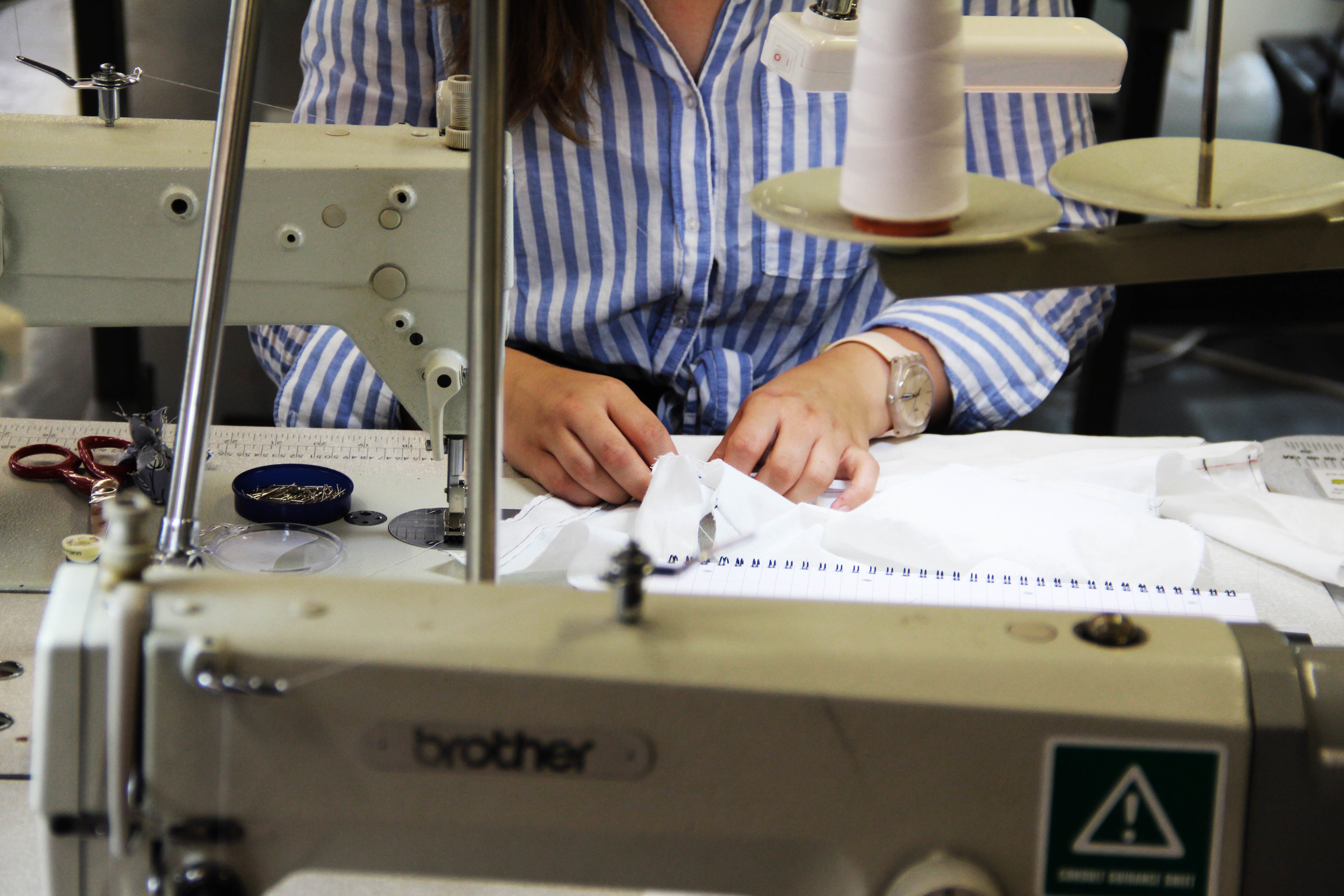
Image Source: ual-media-res.cloudinary.com
Unlock Your Potential: How To Become A Tailor Professionally
What is a tailor? A tailor is a skilled person who makes, mends, or changes clothing, especially suits and dresses. They work with fabric to create clothes that fit people perfectly. How long does it take to become a tailor? Becoming a skilled tailor takes time and practice, often years. It includes learning different sewing techniques and how to work with various types of fabric. Can I learn tailoring at home? Yes, you can start learning sewing techniques and basic garment construction at home with kits and online guides, but professional skills often need formal training or working with experienced tailors.
Becoming a professional tailor is a path for people who love clothes, fabric, and making things with their hands. It takes patience, skill, and a good eye for detail. Tailors are artists who work with needles and thread. They help people look and feel great in their clothes. This guide will walk you through the steps to start your journey in this rewarding craft.
Why Choose the Tailoring Path?
Many people find joy in working with fabric. Creating something beautiful from a flat piece of cloth is special. Tailoring lets you be creative and solve problems.
h4 Making Clothes Fit Well
One main job of a tailor is to make clothes fit just right. Store-bought clothes often do not fit everyone perfectly. A tailor can change them. This is called clothing alterations. It makes people feel more comfortable and confident.
h4 Creating Unique Clothes
Tailors also make new clothes from scratch. This can be dressmaking for special events like weddings or making custom suits. This is often called bespoke tailoring. These clothes are made only for one person, based on their exact size and style.
h4 A Skill That Lasts
Tailoring is an old craft. People will always need clothes that fit well. Learning tailoring gives you a skill you can use anywhere. You can work for someone else or start your own business.
Building Your Foundation: The First Steps
Every great tailor starts with the basics. You need to learn how to sew. You also need to learn about the materials you will use.
h4 Starting with Basic Sewing
Learning how to sew is the first big step. You need to know how to use a sewing machine. You also need to know how to sew by hand.
h5 Simple Sewing Techniques
Begin with simple sewing techniques. Learn how to sew a straight line. Learn how to sew a curve. Practice sewing corners. Sew different types of seams.
- Straight Stitch: Sew a line straight across the fabric.
- Backstitch: Make a strong stitch by sewing backward a little with each stitch.
- Zigzag Stitch: A stitch that goes back and forth. Good for stopping edges from coming apart.
- Hemming: Folding fabric edges over and sewing them down.
You can find sewing classes in your town. Many fabric stores offer them. Online videos are also helpful. Practice on old clothes or scrap fabric.
h5 Getting to Know Your Sewing Machine
A sewing machine is a tailor’s main tool. You need to know how it works. Learn how to thread it. Learn how to change the needle. Know how to fix simple problems. Read the machine’s book. Practice using different stitches.
h4 Learning About Different Cloths
Fabric knowledge is very important for a tailor. Different fabrics act differently. Some are easy to work with. Some are hard.
h5 Types of Fabrics
Learn the names of common fabrics. Know what they are made from. Know how they should be sewn.
- Cotton: Easy to sew. Used for shirts and dresses.
- Linen: Crinkles easily. Strong fabric.
- Wool: Used for suits and coats. Needs special care when pressing.
- Silk: Smooth and slippery. Harder to sew.
- Synthetics (like Polyester): Man-made fabrics. Can melt under hot irons.
Know how fabrics drape (hang). Know how they stretch. Know how they shrink. Test fabric before you sew a project. Wash or iron a small piece first.
h4 Tools Every Beginner Needs
You need the right tools to start sewing.
- Sewing machine
- Good scissors (only for fabric!)
- Small scissors for threads
- Seam ripper (to undo mistakes)
- Measuring tape
- Pins and pincushion
- Needles for hand sewing
- Iron and ironing board
- Tailor’s chalk or fabric pen
Buy good quality tools when you can. They make sewing easier and better.
Refining Your Skills: Key Tailoring Arts
Once you know the basics, you move to more complex skills. These are what make you a tailor.
h4 Mastering More Sewing Techniques
Beyond the basics, tailors use many specific sewing techniques.
h5 Precision and Detail
Tailoring needs neat work. Stitches must be even. Seams must be flat. Corners must be sharp. Practice sewing straight lines on tricky fabrics like silk. Practice sewing curves smoothly.
h5 Hand Sewing Skills
Hand sewing is still vital. Tailors use hand stitches for hems, buttons, and linings. These stitches are often hidden but are key for a quality finish.
- Blind Hem Stitch: A stitch that is almost invisible on the outside.
- Catchstitch: Used for hemming fabrics that fray easily.
- Buttonhole Stitch: Makes strong, neat buttonholes by hand.
- Felling Stitch: A strong stitch for joining edges or attaching linings.
h4 The Art of Pattern Making
Pattern making is a core skill for tailors. A pattern is like a blueprint for the garment. It’s the set of paper shapes that you cut the fabric from.
h5 Creating Patterns
You can learn to make patterns in a few ways.
- Flat Patterning: You start with a basic pattern (called a block or sloper). You change it to make new styles. You might add fullness for a skirt. You might change the shape for a different neckline.
- Draping: You place fabric on a dress form (a body shape) and shape it directly. This is like sculpting with cloth. You pin and cut the fabric on the form. Then you take the fabric off to make the pattern pieces.
Pattern making needs math skills. You need to measure accurately. You need to draw shapes correctly. Learning pattern making helps you understand how clothes are shaped to fit the body.
h4 Grasping Garment Construction
Garment construction is the process of putting the fabric pieces together. It’s more than just sewing seams. It’s the order you sew things. It’s how you handle the fabric as you sew.
h5 Steps in Construction
- Cutting: Cutting the fabric exactly from the pattern.
- Marking: Putting marks from the pattern onto the fabric (like where darts go).
- Sewing Seams: Joining the main pieces.
- Adding Details: Putting in zippers, pockets, collars, cuffs.
- Lining: Adding a layer of fabric inside for comfort or structure.
- Pressing: Ironing as you sew is very important. It makes seams flat and sharp.
Learning garment construction for different types of clothes is key. How you build a shirt is different from a jacket or a pair of pants.
h4 Exploring Different Work Types
Tailoring is a broad field. You can focus on different things.
h5 Dressmaking
Dressmaking is making dresses, skirts, and tops, often for women. This includes evening gowns and wedding dresses. It often involves working with delicate fabrics and detailed designs.
h5 Clothing Alterations
Clothing alterations is changing clothes that are already made. This is a common job for tailors. It includes:
- Taking in or letting out seams.
- Shortening or lengthening hems.
- Changing sleeves.
- Replacing zippers.
- Mending tears.
It requires skills to carefully take apart and put back together parts of a garment without it looking like it was changed.
h5 Bespoke Tailoring
Bespoke tailoring means making clothes completely from scratch for one person. This is most often done for suits and coats, usually for men, but also for women. It is the highest level of tailoring.
- Taking Measures: Many detailed body measurements are taken.
- Drafting Pattern: A unique pattern is made just for that person.
- First Fitting: A first version (often called a ‘baste’) is sewn together roughly for the client to try on. Adjustments are made.
- Second Fitting (and more): More fittings happen as the garment is built.
- Final Garment: The finished piece is delivered and checked for perfect fit.
Bespoke tailoring needs deep knowledge of garment construction, fabric knowledge, and how clothes fit the body. It is very skilled work and takes many years to master.
Choosing Your Learning Path
There are different ways to become a professional tailor.
h4 Taking Tailoring Courses
Formal education can give you a strong base.
h5 What Courses Teach
Tailoring courses teach many skills.
- Sewing techniques
- Pattern making (flat patterning and sometimes draping)
- Garment construction for various items (skirts, pants, jackets, etc.)
- Fabric knowledge
- Measuring the body
- Fitting clothes
- Some courses may also teach business skills.
h5 Where to Find Courses
- Vocational Schools: These schools focus on job skills. They often have hands-on tailoring programs.
- Fashion Schools: Some fashion design programs have strong tailoring parts.
- Community Colleges: May offer shorter sewing classes or longer tailoring programs.
Look for courses that offer lots of practice. Check what kind of skills the course covers. Ask about teachers’ experience.
h4 Considering Sewing Classes
Even simple sewing classes are a good start. They teach you how to handle fabric and use a machine. They build your confidence.
h5 Different Class Types
- Beginner Sewing: Learn machine basics and simple projects.
- Project-Based: Learn by making a specific item like a skirt or bag.
- Skill-Based: Focus on one skill like inserting a zipper or making buttonholes.
These classes might not make you a full tailor, but they are great for learning key sewing techniques before harder tailoring courses.
h4 Learning Through a Tailor Apprenticeship
A tailor apprenticeship is a great way to learn. You work with a skilled tailor. You learn by doing the job every day.
h5 How Apprenticeships Work
You work in a tailor shop. You help the experienced tailor. You start with simple tasks.
- Pressing clothes.
- Doing simple repairs.
- Sewing basic seams.
- Organizing the shop.
As you learn and get better, you get harder tasks. You learn garment construction methods used in that shop. You see how a real tailoring business works. You learn fabric knowledge by handling many types of cloth. You learn fitting skills by watching the tailor work with clients.
h5 Benefits of Apprenticeship
- Hands-on Learning: You learn by doing, which is very effective for a craft.
- Real-World Skills: You learn the skills needed for a real job.
- Mentorship: You learn from someone with years of experience. They can teach you tricks and tips not found in books.
- Paid Learning: Sometimes apprenticeships pay a small wage.
Apprenticeships can be hard to find. You need to ask tailors in your area if they take on helpers or students.
Getting Real-World Practice
Learning from books or classes is good, but you need practice.
h4 Working on Your Own Projects
Start making things. Make simple skirts, bags, or tops. Try out the sewing techniques you learned. Don’t be afraid to make mistakes. Taking things apart (using your seam ripper!) is part of learning.
h5 Fixing and Changing Clothes
Practice clothing alterations on clothes you own or clothes from a low-cost store. Try to shorten pants. Try to take in a shirt. See how clothes are made by taking apart old ones carefully. This helps you understand garment construction.
h4 Volunteering or Helping Out
See if a local tailor or dry cleaner that does alterations needs a helper. Offer to do simple tasks. This is like a mini-tailor apprenticeship. It lets you see the work up close.
h4 Building Your Portfolio
As you make things or do clothing alterations, take pictures. Keep samples of your work. This shows people what you can do. It is your portfolio. It is important when you look for jobs.
Starting Your Career as a Tailor
Once you have skills and practice, you can start working.
h4 Working for Others
Many tailors start by working in an existing business.
h5 Where to Find Jobs
- Tailor shops
- Dry cleaners (many offer alterations)
- Bridal shops
- Retail stores that offer tailoring services
- Costume shops (for theater or film)
- Alteration services inside department stores
Starting in a shop lets you keep learning from others. You get experience with many types of jobs and clients.
h4 Starting Your Own Business
After gaining experience, you might want to work for yourself.
h5 Steps to Open a Shop
- Find a place to work (could be a home studio or small shop).
- Buy equipment (good sewing machine, pressing tools, etc.).
- Get a business license.
- Decide what services to offer (alterations, bespoke tailoring, dressmaking).
- Let people know you are open (advertise).
Running your own business means you need business skills too. You need to manage money, talk to clients, and manage your time.
h4 Finding Your Specialty
You don’t have to do everything. Maybe you love clothing alterations. Maybe you are great at bespoke tailoring. Maybe you enjoy dressmaking. Focusing on a niche can help you become known for something specific.
Continuing to Grow as a Tailor
Learning never stops for a tailor.
h4 Keeping Up with Style
Fashion changes. Learn about new styles and how clothes are made now. Look at fashion magazines. Follow designers.
h4 Learning Advanced Skills
There are always more skills to learn.
- Working with very tricky fabrics (like leather or sequins).
- Advanced pattern making.
- Making complex garments like coats or formal wear.
- Learning historical sewing techniques.
h4 Business and People Skills
If you work with clients, you need good people skills. Listen to what they want. Explain what you can do. Be clear about costs. If you run a business, learn about marketing and money management.
Rewards and Challenges
Like any job, tailoring has good parts and hard parts.
h5 The Good Parts
- Making people happy with clothes that fit well.
- Being creative and using your hands.
- Seeing a project finished perfectly.
- Having a skill you can use anywhere.
- The feeling of making something last longer or look better through clothing alterations.
h5 The Hard Parts
- Standing or sitting for long hours.
- Work can be detailed and sometimes tiring for the eyes and hands.
- Dealing with difficult fabrics.
- Finding clients if you work for yourself.
- Fixing mistakes.
But for many, the joy of the craft makes the challenges worth it.
Deciphering Fabric Information
Fabric knowledge goes deeper than just knowing fabric names. It’s about how the fabric behaves.
h5 What Makes Fabric Different?
- Fiber Type: Is it cotton, wool, silk, polyester, or a mix? Fibers come from plants, animals, or chemicals. This affects how the fabric feels, drapes, and how you iron it.
- Construction: Is it woven or knitted? Woven fabrics are made of threads crossing over and under. Knitted fabrics are made of loops. This affects how the fabric stretches and frays.
- Weight: Is it light like silk or heavy like denim? Heavier fabrics need stronger needles and different sewing techniques.
- Finish: Does it have a special coating? Is it shiny or dull? This can affect how you sew it and care for it.
Knowing these things helps you pick the right fabric for a project. It helps you use the best sewing techniques for that fabric. It helps you tell the client how to care for the garment.
h5 Testing Fabric
A simple burn test (done safely with a small piece) can tell you if a fabric is natural or synthetic. Natural fibers usually smell like burning hair or paper. Synthetics often melt and smell like plastic.
Rubbing a fabric can tell you if it will pill (make small balls of fiber). See how it drapes when you hold it up.
Grasping Pattern Making Skills
Let’s look more at pattern making. It’s like being an architect for clothes.
h5 Why Patterns Are Needed
Patterns make sure the left side of a shirt is the same size as the right side. They make sure a sleeve fits into an armhole. They help create the shape of the garment.
h5 Basic Pattern Changes
Even if you use store-bought patterns, you often need to change them. This is a type of pattern making.
- Making a dress pattern bigger or smaller.
- Changing the length of pants.
- Moving a dart to change how the fabric is shaped around the body.
Learning basic pattern making lets you fix patterns to fit a real body, which is never exactly the same as the pattern’s size.
h5 Tools for Patterns
- Pattern paper (large sheets)
- Rulers (long ones, curved ones)
- Pencils and erasers
- Pattern weights (to hold paper down)
- Tracing wheel (to copy pattern marks)
Interpreting Garment Construction Details
Garment construction is about putting the pieces together in the right way. Think of building blocks.
h5 The Order of Steps
There is a general order to building most clothes.
- Sewing darts or pleats.
- Sewing shoulder seams.
- Adding collars or necklines.
- Adding sleeves.
- Sewing side seams.
- Adding cuffs.
- Putting in zippers or fasteners.
- Hemming the bottom edge.
- Adding lining (if needed).
- Final pressing.
The exact order changes depending on the design. A tailor knows the best order to get a clean finish.
h5 Inside the Garment
A skilled tailor pays attention to the inside of the garment. Seams should be finished neatly so they don’t fray. Linings should be smooth. The inside should look almost as good as the outside. This attention to detail is part of quality garment construction.
Fathoming Bespoke Tailoring
Bespoke tailoring is often seen as the peak of the craft. It’s highly personal and very skilled.
h5 The Bespoke Process in More Detail
- Consultation: Talk to the client about what they want. Look at fabrics (fabric knowledge is key here!). Take many body measurements (around 20-30!). Discuss style details.
- Pattern Drafting: Create a unique pattern making from scratch using the client’s exact measurements and style choices. This is not changing a basic pattern; it’s building a new one.
- Cutting: Cut the fabric carefully from the unique pattern.
- Basting (First Fit): Sew the main pieces together using long, loose stitches (basting stitches). This quick version is tried on the client. The tailor pins and marks changes directly on this ‘baste’.
- Adjusting Pattern and Garment: The tailor takes the basted garment apart. They change the original pattern making based on the fitting. They sew the garment back together with the changes.
- Second Fit (and maybe more): The client tries the garment again. More adjustments are made if needed. This repeats until the fit is perfect.
- Finishing: The tailor sews the garment fully, adds all details, linings, and does final pressing. Much of the detailed work, like buttonholes or attaching lining, is done by hand (sewing techniques).
- Final Delivery: The client receives the finished garment.
Bespoke tailoring takes more time and costs more because it is fully custom and needs many hours of skilled work and fittings. It is the opposite of mass-produced clothes.
Tailoring Courses and Sewing Classes
Let’s compare types of formal learning.
h5 Tailoring School Programs
- Length: Can be several months to 2-4 years.
- Focus: Broad range of skills: pattern making, garment construction, sewing techniques, maybe some design or business.
- Cost: Can be expensive (tuition, materials).
- Outcome: Often leads to a certificate or degree. Provides structured learning. Good for a strong technical foundation.
h5 Shorter Sewing Classes
- Length: A few hours to several weeks.
- Focus: Specific skills like sewing techniques basics, making one type of garment, or clothing alterations basics.
- Cost: Less expensive than full programs.
- Outcome: Learn specific skills. Good for beginners or adding skills. Less complete training than a full tailoring program.
h5 Online Learning
- Flexibility: Learn at your own speed.
- Cost: Varies widely from free videos to paid courses.
- Focus: Can be very specific (sewing techniques, pattern making) or broader.
- Challenge: Less hands-on help from a teacher. You need to motivate yourself. Harder to get feedback on fit.
Choosing the right learning path depends on your goals, time, and money. Many people mix different paths – maybe some classes, then an apprenticeship, or a school program plus practice at home.
Tailor Apprenticeship Experience
Working as an apprentice is a practical way to learn the craft deeply.
h5 What You Might Do Daily
- Thread machines.
- Cut fabric pieces.
- Press seams.
- Sew simple hems or seams.
- Hand sew labels or simple closures.
- Watch fittings.
- Organize the workspace.
- Learn fabric knowledge by handling different cloths.
h5 Learning from a Master
An experienced tailor (sometimes called a master tailor) has refined their sewing techniques, pattern making, and garment construction over many years. They have deep fabric knowledge. They can teach you not just how to do something, but why it’s done that way. They share their passion and their work habits. This type of learning is hard to get anywhere else. It’s learning a living tradition.
Final Steps on Your Path
Becoming a professional tailor is a journey. It takes time, learning, and lots of practice. It means always trying to make your stitches neater, your fits better, and your knowledge deeper.
Enjoy the process of making. Find joy in the fabric, the stitches, and seeing a garment take shape. Help people feel good in their clothes. This is the heart of tailoring.
It’s a skilled job that requires dedication. But for those who love working with fabric and creating lasting, well-fitting clothes, it’s a truly rewarding career. Keep learning, keep practicing, and you can unlock your potential as a professional tailor.
Frequently Asked Questions (FAQ)
h5 Do I need a degree to be a tailor?
No, you do not always need a college degree. Many skilled tailors learned through tailor apprenticeship or vocational tailoring courses. Experience and skill are often most important.
h5 Is tailoring a good career choice today?
Yes, tailoring skills are still needed. People still need clothing alterations and custom-made clothes (bespoke tailoring, dressmaking). It can be a stable job, especially if you are skilled.
h5 How much does a tailor earn?
Earnings vary a lot. It depends on where you work, how much experience you have, and what type of tailoring you do (e.g., alterations usually pay less than bespoke tailoring). If you own a business, earnings depend on your clients and prices.
h5 What is the hardest part of tailoring?
Many tailors find fitting clients challenging. Bodies are all different. Making clothes fit perfectly takes skill, practice, and good communication. Working with certain tricky fabrics can also be hard.
h5 Can I learn pattern making or garment construction online?
Yes, there are many online tailoring courses and sewing classes that teach pattern making and garment construction. However, hands-on practice and feedback from a teacher are very helpful for these skills.
h5 How important is fabric knowledge?
Fabric knowledge is very important. Different fabrics need different sewing techniques and care. Knowing your fabrics helps you choose the right one for a project and sew it correctly.
h5 What is the difference between a tailor and a seamstress?
Traditionally, a tailor worked mainly with men’s suits and coats, often doing bespoke tailoring. A seamstress worked mainly with women’s wear, like dressmaking and simple clothing alterations. Today, the terms are often used more loosely, and many people do both types of work.