
Do you need clothes that fit you just right? Are you looking for someone to fix a favorite item? A good tailor can help. A tailor is a skilled person who makes, fixes, or changes clothing to fit people better. Finding a good one is key to looking and feeling your best. This guide will show you how to find a reliable tailor or seamstress near you.
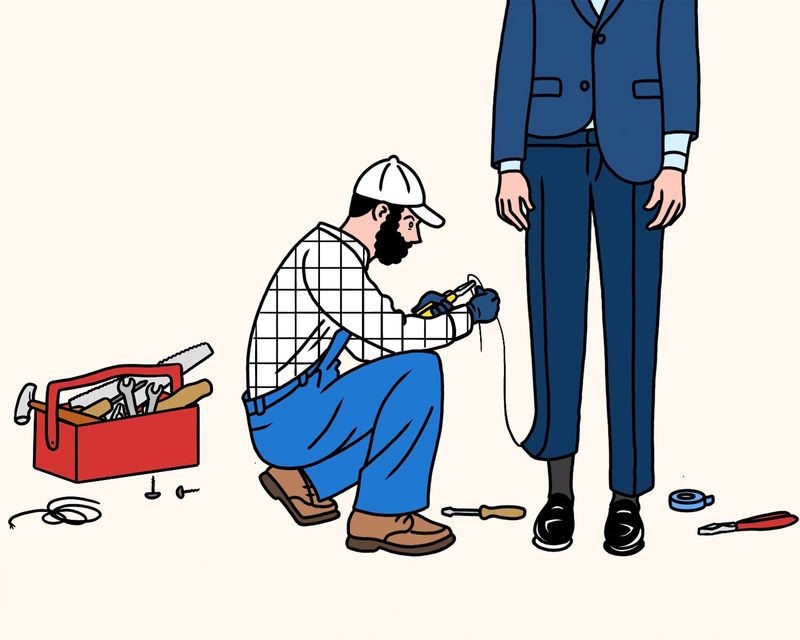
Image Source: www.mrporter.com
Why a Good Tailor Matters
Clothes fit everyone differently. Ready-made clothes are made for average sizes. But you are not average. Your shape is unique. Clothes can be too long, too short, too tight, or too loose.
When clothes do not fit, they do not look good. They can also feel uncomfortable. This is where a tailor helps. A tailor makes clothes fit you.
Think about your favorite shirt. Maybe it fits well across the chest but is too long. A tailor can shorten it. What about pants that are too loose in the waist? A tailor can make them smaller.
Perfect fit makes a big difference. It makes clothes look more expensive. It makes you look sharper. It helps you feel more confident.
A good tailor can also save clothes. Did you tear your jacket? Did your dress rip? A tailor can often fix it. This saves you money. It keeps clothes out of the trash. This is good for the planet too.
Also, tailors can help you make clothes your own. They can add special touches. They can change the style a little. This makes your clothes truly yours.
What a Tailor Can Do For You
Tailors offer many services. They work with different types of fabric. They fix men’s and women’s clothes. Here are some common things they do.
Alterations Explained
Alterations are changes made to clothes you already own. The goal is to make the clothes fit you better. This is a tailor’s main job.
- Shorten hems: Make pants, skirts, or dress bottoms shorter. This is very common.
- Lengthen hems: Some clothes have extra fabric. A tailor can let out the hem to make clothes longer.
- Take in the waist: Make pants, skirts, or dresses tighter around the waist.
- Let out the waist: Some items have extra fabric in the waist seam. A tailor can make the waist bigger.
- Adjust sleeves: Make jacket or shirt sleeves shorter or narrower.
- Taper legs: Make pant legs narrower from the knee down. This gives a more modern look.
- Adjust shoulders: Change how a jacket or shirt fits across the shoulders. This is harder work.
- Change zippers: Replace broken zippers in pants, dresses, or jackets.
- Add darts: Sew small folds in fabric. This shapes clothes to your body.
Good suit alterations can make a cheap suit look expensive. Simple dress alterations can make a ready-made dress look custom.
Clothing Repairs Made Easy
Tailors are also good at fixing clothes. They offer many clothing repair services.
- Mending tears: Sewing up rips or holes cleanly.
- Patching: Adding a piece of fabric over a hole. This can be for repair or style.
- Replacing buttons: Sewing on new buttons. Or replacing missing ones.
- Fixing seams: Sewing seams that have come undone.
- Repairing pockets: Fixing holes in pockets.
- Adding patches: Like elbow patches on a jacket.
These repair services keep your favorite items wearable. They extend the life of your clothes.
Creating Custom Clothes
Some tailors can make clothes from scratch. This is called custom clothing. Or it can be made by a bespoke tailor.
When you go to a custom clothing maker, they do not start with a finished item. They start with fabric.
The process takes time. You talk about what you want. The tailor takes many measurements. They make a pattern just for you. Then they cut the fabric. They sew the garment. There are usually one or more fittings along the way. You try on the partly finished item. The tailor makes changes.
Custom clothes fit perfectly. They are made exactly how you want them. They cost more than off-the-rack clothes. They take longer to make. A bespoke suit or dress is a special item. It is made only for you.
Finding Your Perfect Match: How To Choose A Tailor
Finding a good tailor takes a little effort. But it is worth it. Here is how to find someone skilled and reliable.
Start Your Search
Begin your search close to home. Local tailoring services are convenient. You can visit the shop easily for fittings.
Ask Around
Talk to people you know. Do any friends or family use a tailor? Ask who they recommend. This is a great way to find a reliable seamstress or tailor. People you trust can tell you about their experiences. They can say if the tailor does good work. They can say if the tailor is nice to work with.
Ask people whose clothes always look great. They might have a secret tailor they go to.
Look Online
Use search engines like Google. Type things like “tailor near me” or “suit alterations [your city]”. Look for local tailor shops. Many tailors have websites. You can see the services they offer.
Look at their photos. Do they show examples of their work? This can give you an idea of their skill.
Check Tailor Shop Reviews
Online reviews are very helpful. Websites like Yelp, Google Maps, and local directories have reviews. Read what other customers say.
Look for comments about:
* The quality of the work.
* How well the clothes fit after alterations.
* How friendly the staff is.
* If the work was finished on time.
* How fair the prices were.
Do not just read the good reviews. Read the bad ones too. See how the tailor responded to problems. This shows how they handle mistakes.
A tailor with many positive tailor shop reviews is often a good choice. But remember, one bad review does not mean they are bad. Look at the overall picture.
Different Kinds of Tailors
Not all tailors do the same work. Some do everything. Some focus on certain things. Knowing the difference helps you find the right person for your needs.
General Tailors
Most local tailoring services are general tailors. They do common alterations and repairs. They work on different types of clothing. They can hem pants, take in dresses, fix zippers. They are good for everyday needs.
Specialists
Some tailors focus on specific areas. For example:
* Wedding dress alterations: These tailors work only on wedding gowns. These dresses are complex. They need special skills.
* Leather tailors: They work only on leather items like jackets or pants. Leather needs special tools and techniques.
* Formal wear tailors: They specialize in suits, tuxedos, and evening gowns.
If you need specific work, like for a wedding dress, find a specialist. They have the most experience with that type of garment.
The Bespoke Tailor
As mentioned, a bespoke tailor creates clothes from the start. They are a custom clothing maker. They do not just alter clothes. They build them piece by piece for you. This level of service is for those who want truly unique clothes. It is an investment in quality and fit.
Evaluating Local Tailoring Services
Once you have a few names, you need to check them out. Do not just drop off your clothes. Visit the shop first.
Your First Visit
Go to the tailor shop without any clothes to alter. This is just to look around and talk.
* How does the shop look? Is it clean and orderly? This can show how careful the tailor is.
* Is the tailor or staff friendly? Do they seem professional?
* Are they busy? A busy shop can mean they are good. But ask about how long things take.
Bring a garment you want altered on this first visit if you feel ready. Or bring one later. But talk to them first.
What to Look For
When you meet the tailor, pay attention to a few things.
Communication Style
Does the tailor listen to you? Do they understand what you want? Do they explain what they will do? Good communication is vital. The tailor should tell you how they will alter the garment. They should explain why they suggest certain changes. They should speak clearly. You should feel comfortable asking questions.
If a tailor seems rushed or does not listen, they might not be the right fit.
Sample Work
Can you see examples of their work? Some tailors have sample garments they have altered. Or maybe they have photos. Look at the stitches. Are they neat? Are they straight? Do the seams look smooth? Look at finished hems. Are they even?
For suit alterations, look at how sleeves are attached. Look at how the lining is handled. For dress alterations, see how delicate fabrics are treated. For wedding dress alterations, attention to detail is key. Look at beadwork or lace.
A good tailor is proud of their work. They will be happy to show you examples.
Pricing Clarity
Ask about prices. How much will the alteration or repair cost? Does the tailor have a price list? Or do they price each job separately?
Prices for alterations can vary. They depend on the type of garment and the work needed. Simple hems cost less than complex shoulder changes on a jacket. Wedding dress alterations are often more expensive. This is because they are complex and need much time.
Make sure you understand the price before you leave your clothes. Ask if fittings cost extra. Ask if the price includes everything. A good tailor gives you a clear price quote.
Be wary of prices that seem too low. Very cheap work might not be good quality. Tailoring is a skill. Skilled work costs money.
Specific Alterations Explained
Some alteration types need special care. Let’s look at a few.
Grasping Suit Alterations
Suit alterations are important for a sharp look. A suit jacket or pants that do not fit can ruin your look.
Common suit alterations include:
* Shortening or lengthening the jacket sleeves.
* Taking in or letting out the jacket sides.
* Adjusting the jacket shoulders (this is complex).
* Shortening or lengthening pants hems.
* Taking in or letting out the pants waist.
* Tapering the pants legs.
A good tailor knows how suit fabric behaves. They know how to work with linings and suit structure. They can make a suit feel custom made for you. Make sure the tailor has experience with suit alterations.
Interpreting Dress Alterations
Dress alterations can make a simple dress fit wonderfully. They can also update an old dress.
Types of dress alterations:
* Hemming the bottom.
* Taking in or letting out the sides.
* Adjusting the straps or shoulders.
* Changing the neckline.
* Adding darts to shape the waist.
* Putting in a new zipper.
Working with different dress fabrics needs skill. Flowy silks, stretchy knits, or delicate lace all need different methods. A good tailor knows these methods. They can handle different types of dress alterations.
Fathoming Wedding Dress Alterations
Wedding dress alterations are often the most important alterations a tailor does. A wedding dress needs to fit perfectly for a special day. Wedding gowns are often complex. They have many layers, delicate fabrics, beads, and lace.
This work takes a lot of skill and time. It is best to find a tailor who specializes in wedding dress alterations. They have the experience needed for these complex jobs.
Plan ahead for wedding dress alterations. They often take several fittings. Start this process months before the wedding.
Reliable Seamstress or Tailor?
Is there a difference between a tailor and a seamstress? Often, the terms are used for the same job. Historically, a tailor made or altered men’s clothes, especially suits. A seamstress made or altered women’s clothes.
Today, many people use both terms for someone who alters or repairs clothes. A skilled person who works on women’s clothing might call herself a seamstress. Someone who works on suits might call himself a tailor. Many people do both.
When you are looking for someone to alter your clothes, you can look for a tailor or a seamstress. What matters most is their skill and experience with the type of clothing you have. A reliable seamstress is just as valuable as a reliable tailor. Focus on their work quality, not just the job title.
Working With Your Chosen Tailor
You have found a tailor you like. You need to get clothes altered. Here is how the process usually works.
The First Fitting
Take the clothes you want altered to the tailor. It is best to wear the shoes and undergarments you will wear with the clothes. This helps the tailor see how the garment falls and fits normally.
The tailor will look at the clothes on you. You tell them what you want changed. The tailor will use pins or chalk to mark the changes. They will tell you what they plan to do. They should confirm the price and when the work will be ready.
Ask questions during the fitting. Make sure you understand what changes will be made. If you are not sure about something, say so. A good tailor wants you to be happy.
What Happens Next
The tailor takes the garment. They make the changes they marked. This can take from a few days to a few weeks. Complex work takes longer. Wedding dress alterations take the longest.
Sometimes, especially for bigger changes or complex items, a second fitting is needed. The tailor will call you back to try on the garment. The changes are partly done. This is to check the fit before finishing.
Be patient. Good tailoring takes time. Rushing the process can lead to mistakes.
Final Pickup
When the work is done, the tailor will call you. Go back to the shop to pick up your clothes.
Try them on in the shop. Look closely at the changes. Do they fit better? Does the work look neat? Check the seams, hems, and stitches.
If you are happy, pay the tailor and take your clothes. If something is not right, tell the tailor politely. A good tailor will fix any issues. They want you to be satisfied. Most reliable tailors stand by their work.
Tips for a Smooth Tailoring Experience
- Be Clear: Tell the tailor exactly what you want. If you are not sure, ask for their advice.
- Bring the Right Shoes: Always wear the shoes you plan to wear with pants or long dresses when getting the hem done. Shoe height changes the length needed.
- Wear Right Underwear: Wear the type of bra or shaping garments you will use with the item. This affects how clothes fit.
- Be Honest: If something does not feel right during a fitting, say so. It is easier to fix things before the work is finished.
- Plan Ahead: Do not wait until the last minute, especially for important events or complex work like wedding dress alterations.
- Care for Your Clothes: After alterations, care for the garment as the tailor suggests. This keeps the tailoring work looking good.
- Build a Relationship: When you find a good tailor, stick with them. They will get to know your body and your style. This makes future alterations easier.
Common Questions About Finding a Tailor (FAQ)
How much do alterations cost?
Prices vary a lot. They depend on:
* What item needs altering (pants, shirt, jacket, dress).
* What changes are needed (simple hem vs. complex shoulder change).
* The fabric (delicate fabrics are harder).
* How skilled the tailor is.
* Where the shop is located.
Simple things like a pant hem might be $10-$20. Taking in a shirt might be $20-$30. Suit jacket alterations can be $40-$100 or more. Wedding dress alterations often start at $100 and can go up to $500 or more depending on the dress. Always ask for a price estimate first.
How long do alterations take?
It depends on the work and the tailor’s schedule. Simple hems might take a few days. More complex jobs like suit alterations or dress alterations can take one to two weeks. Wedding dress alterations can take 1-3 months, including fittings. Ask the tailor for a time estimate. If you need something fast, ask if they offer rush service. This usually costs extra.
Should I lose weight before getting clothes altered?
If you plan to lose a lot of weight, wait until you reach your goal. Altering clothes that are too big after weight loss is easier. However, if you just need a better fit for clothes you wear now, get them altered. You can always have them taken in more later if needed. For a wedding dress, tailors recommend getting it altered closer to the wedding date if you expect weight changes.
Can all clothes be altered?
Most clothes can be altered in some way. But there are limits.
* There must be enough extra fabric in the seams to let clothes out.
* Taking in clothes is usually easier than letting them out.
* Some fabrics are hard to alter without showing old stitch marks.
* Major size changes might not be possible or cost more than the garment is worth.
* Very complex designs might be difficult or impossible to change much.
A good tailor will tell you if a garment can be altered and if it is worth it.
Finding a good tailor is like finding any skilled service provider. Do some research. Ask for recommendations. Read reviews. Visit the shop. Talk to the tailor. Look at their work. Make sure you feel comfortable. A good tailor can make your clothes fit perfectly. They can save your favorite items. They offer valuable local tailoring services. Take the time to find a reliable seamstress or tailor in your area. Your wardrobe will thank you.