
Yes, you absolutely can shorten a skirt without sewing! If you need a quick fix or just don’t have a sewing machine or needles handy, there are easy ways to make your skirt the right length. These methods often use things like hemming tape or fabric glue to create a no-sew hem. It’s a great way to alter skirt without sewing and get a quick skirt hemming job done fast. Let’s look at how you can do it.
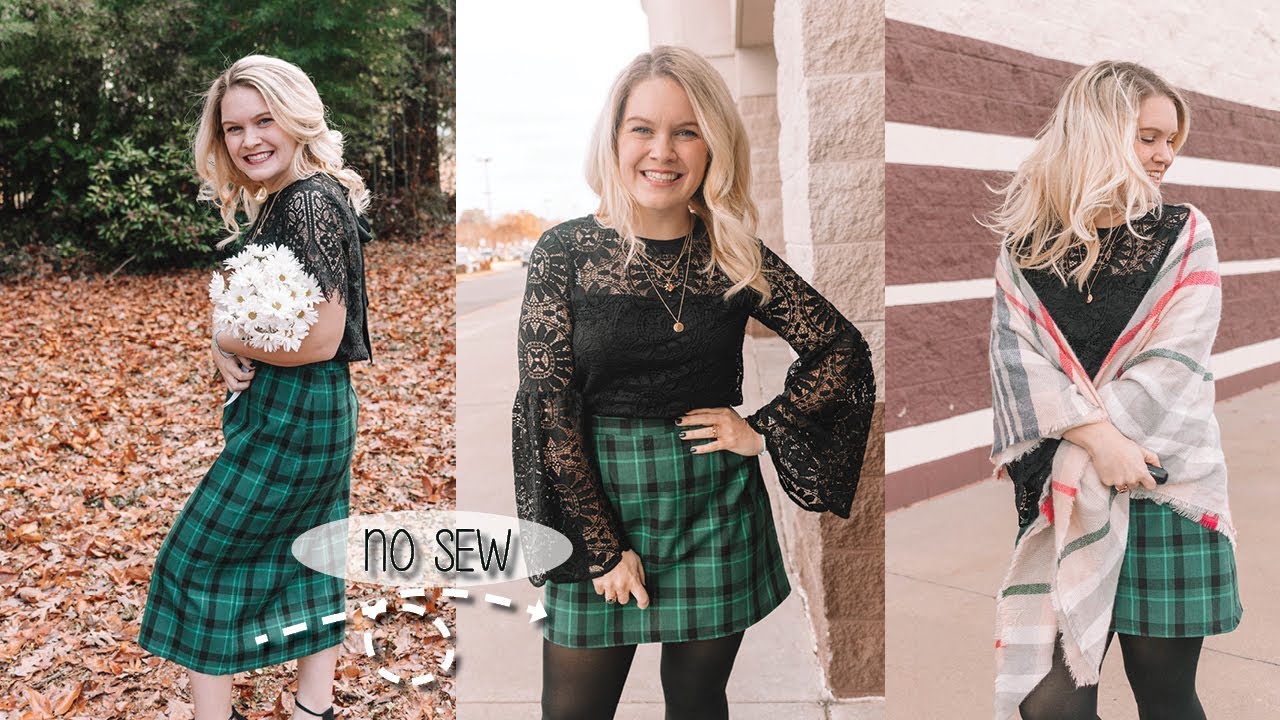
Image Source: i.ytimg.com
Picking Your No-Sew Method
There are a few popular ways to shorten a skirt without needle and thread. The best one for you depends on your skirt’s fabric, how long you want the hem to last, and what supplies you have.
Here are the main ways we will look at:
- Using
iron-on hemorhemming tape. This uses heat to stick the fabric. - Using
fabric glue. This uses a special glue for clothes. - Using
safety pinsfor atemporary hem. This is quick but not lasting.
Before you start any method, you need to get your skirt ready.
Getting Your Skirt Ready
No matter which no-sew hem method you pick, the first steps are always the same. You need to decide how short you want the skirt and mark the new hemline.
1. Try on the Skirt
Put the skirt on. Wear the shoes you will most likely wear with the skirt. This helps you see where the hem should sit. Stand straight and look in a mirror.
2. Decide the New Length
Have a friend help you, if possible. They can help mark the spot while you wear it. If you are alone, mark it yourself carefully.
- Use tailor’s chalk, a pencil, or pins.
- Mark the spot where you want the finished edge of the hem to be. This is important. You are marking the bottom of the skirt when you are done.
3. Take Off the Skirt
Lay the skirt flat on a clean surface. Make sure it is smooth and not bumpy.
4. Measure and Mark the New Line
Find the mark you made while wearing the skirt. Now, you need to measure up from this line to make the line where you will fold or cut.
- For folding (no cutting): If your skirt is not too long and you can just fold the extra fabric inside, you need to measure up. How much you measure up depends on the width of the
hemming tapeor how much you plan to fold. A simple way is to mark the bottom edge (where you want it to end) all around. Then, measure up the same amount all the way around the skirt from the original hem. Let’s say you want a 1-inch hem turn-up. You would measure up 1 inch from your marked finished line and mark a new line all around. This new line is where the fold will go. - For cutting: If your skirt is very long, you might need to cut off some fabric first. Decide how much fabric you want to fold up for the hem. This is usually between 1/2 inch and 1 inch for
no-sew hemmethods. Let’s say you want a 1-inch fold. You marked the finished edge line. Now, measure down from that line by the amount you want to fold (1 inch) plus a little extra (maybe 1/2 inch) to make it easy to work with and hide the raw edge. Mark this cutting line all around.
Use a ruler to make sure the lines are the same distance from the original hem all the way around. This helps make the new hem straight.
5. Trim (If Needed)
If you marked a cutting line, carefully cut along that line. Try to cut smoothly. If you are just folding, you don’t need to cut.
6. Prepare the Hem Edge
If you cut the fabric, you have a raw edge. Some methods work better if you fold this raw edge under one more time. For example, if you want a 1-inch finished hem, you could fold the raw edge up 1/2 inch first, then fold up another 1 inch. This hides the raw edge inside the fold. Or, you can use the hemming tape or glue to just fold the raw edge up once by the amount you need. The method instructions will explain this.
If you are just folding the original hem up (no cutting), this step is easier. You just fold the original hem up to your marked fold line.
Method 1: Using Iron-On Hemming Tape
This is one of the most popular ways to create an iron-on hem or no-sew hem. It uses a special tape that melts and sticks when it gets hot. This tape is often called fusible web or hemming adhesive. It’s perfect for a fast and clean hem.
What is Hemming Tape?
Hemming tape is a strip of thin, sticky material. It looks a bit like tape, but it’s not sticky until you heat it up with an iron. It has glue on both sides. When you put it between two pieces of fabric and iron it, the glue melts and sticks the fabric together. It creates a strong bond that can hold up in the wash.
What You Need:
- Your skirt, prepared with the new hemline marked.
Hemming tapeoriron-on hemtape (get the right width for your hem).- An iron.
- An ironing board.
- A damp pressing cloth (a thin piece of cotton fabric, like a handkerchief or old t-shirt piece). This protects your fabric from direct heat.
- A ruler.
- Pins (optional, for holding folds in place).
- Tailor’s chalk or fabric marker (if you didn’t mark fully yet).
Steps for Ironing on a Hem:
Follow these steps carefully for a nice, flat no-sew hem.
Step 1: Mark and Fold
Lay your skirt flat. If you haven’t already, mark your desired finished hemline all around. Then, decide how wide you want your hem to be (how much fabric you will fold up). This depends on the skirt and the tape width. A common hem width is 1/2 inch to 1 inch.
Mark the fold line: Measure up from the finished hemline by the amount of your desired hem width. This is where you will fold the fabric edge. Mark this line all around the skirt.
Fold the fabric edge up along the fold line you marked. Press this fold lightly with your fingers or the iron without the tape to make a crisp fold line.
Detail for cut edges: If you cut the skirt shorter, you have a raw edge. For a cleaner look, you can fold this raw edge under first by about 1/4 to 1/2 inch. Then, fold the entire hem up again by the final hem width. This tucks the raw edge inside the hem. Press these folds with the iron.
Step 2: Cut the Hemming Tape
Open up the last fold you made so the fabric is laying flat again, but the fold line is still visible. Place the hemming tape just below the fold line, on the wrong side of the fabric. Do not put the tape over the fold line itself. The tape should be between where the two layers of fabric will meet.
Cut pieces of hemming tape to fit along the hemline. It’s often easiest to work in sections, not use one long piece. Overlap the ends of the tape slightly where pieces meet.
Step 3: Place the Tape
Lay the skirt flat, wrong side up. The fabric edge you are hemming is folded up once (to hide the raw edge if you cut). Place the hemming tape along this folded edge.
Now, fold the hem up again along your main fold line. The hemming tape should now be sandwiched between the two layers of fabric you want to stick together. The top edge of the hemming tape should be just below the top edge of the folded hem.
Use pins to hold the hem fold in place if needed, especially on curved parts. Make sure the hem is flat and even all the way around.
Step 4: Iron the Hem
Set your iron to the correct heat setting for your fabric. Always test on a small hidden spot first to make sure the heat doesn’t damage the fabric. Usually, medium to high heat is needed for the tape to melt, but follow the tape package instructions. Make sure there is no water in the iron if the tape instructions say to use a dry iron. Some tapes need steam.
Place the damp pressing cloth over the section you are about to iron. This protects the fabric from direct heat and helps create steam, which helps the fusible web melt and stick.
Press the iron down firmly on the pressing cloth over the hemmed section. Do not slide the iron. Hold it in place for about 10-15 seconds. Lift the iron and move to the next section. Overlap the sections slightly.
Continue pressing all around the hem of the skirt until the entire hem is stuck down.
Step 5: Let it Cool
Let the skirt cool down completely before you move it or check the hem. The bond gets stronger as it cools.
Tips for Iron-On Hems:
- Check tape instructions: Different tapes have different heat and time needs.
- Test first: Always test the tape and heat on a scrap piece of the same fabric or a hidden spot on the skirt.
- Use a pressing cloth: This is very important to prevent melting or scorching your fabric.
- Press, don’t slide: Sliding the iron can move the fabric and tape, making a messy hem.
- Curves are tricky: For curved hems, you might need to snip into the edge of the fabric fold before folding it up. This helps the fabric lie flat around the curve. Don’t snip too far!
- Fabric type:
Hemming tapeworks best on medium-weight, stable fabrics like cotton or denim. It can be harder to use on very thin, slippery, or stretchy fabrics.
Pros and Cons of Iron-On Hemming Tape:
Pros:
- Creates a clean, smooth
no-sew hem. - Holds up well through washing if done correctly.
- Relatively fast and easy once you get the hang of it.
- Hides raw edges inside the fold for a neat finish.
Cons:
- Requires an iron and ironing board.
- Heat might not be suitable for all fabrics (like delicate synthetics or some silks).
- Can be tricky on very curved hems.
- If the bond breaks in spots, it’s hard to fix perfectly.
- Adds some stiffness to the hem.
Method 2: Using Fabric Glue
Using fabric glue is another simple way to create a no-sew hem without heat. You just need the right glue! This method is good for fabrics that might not do well with high heat or when you don’t have an iron handy.
What is Fabric Glue?
Fabric glue is a special adhesive made for sticking fabric together. It’s usually washable and stays flexible after it dries, unlike regular paper glue. There are different types, some are liquid, some are like a pen. Make sure you get one labeled for fabric and that is washable. This is another type of hemming adhesive.
What You Need:
- Your skirt, prepared with the new hemline marked.
- Washable
fabric glue(look for one that says “permanent” or “washable”). - A ruler.
- Pins or fabric clips (to hold fabric while the glue dries).
- Tailor’s chalk or fabric marker.
- Wax paper or plastic sheeting (to put inside the skirt and prevent glue from sticking layers together).
- Weights (like books) or clothes pins (optional, to help press the hem while drying).
Steps for Gluing a Hem:
Follow these steps carefully for a neat, glued no-sew hem.
Step 1: Mark and Fold
Just like with hemming tape, first mark your finished hemline and your fold line on the wrong side of the fabric.
Fold the fabric edge up along the fold line you marked. Press this fold with your fingers or light hand pressure.
Detail for cut edges: If you cut the skirt shorter and have a raw edge, fold this raw edge under first by about 1/4 to 1/2 inch. Press this fold. Then, fold the entire hem up again by the final hem width. This tucks the raw edge inside the hem fold.
Step 2: Apply the Glue
Open up the last fold you made so the fabric is laying flat, but the fold line is visible. Slide a piece of wax paper or plastic sheeting inside the skirt, under the hem area you are working on. This is very important to stop the glue from soaking through and sticking the front of the skirt to the back.
Apply a thin, even line of fabric glue along the folded edge of the fabric. Keep the glue close to the edge, but not so close that it will squeeze out when you press the hem down.
Work in small sections (about 6-12 inches at a time) so the glue doesn’t dry before you fold the hem.
Step 3: Fold and Press
Carefully fold the hem up along your marked fold line, pressing the fabric onto the glue line. Make sure the hem is flat and even.
Press firmly along the glued section with your fingers or a flat object like a ruler. You can use pins or fabric clips to hold the hem in place while the glue dries.
Step 4: Let it Dry
Let the glue dry completely. Drying times vary depending on the glue and how much you used. Check the glue bottle for drying instructions. This can take from 30 minutes to several hours. For a strong bond, it’s best to let it dry overnight before wearing or washing.
Keep the wax paper inside until the glue is fully dry.
Step 5: Check and Finish
Once dry, remove the pins or clips and the wax paper. Check the hem to make sure it is fully stuck down all around. If you missed a spot, carefully lift the hem edge in that small area, apply a tiny bit more glue, press, and let dry again with wax paper inside.
Tips for Using Fabric Glue:
- Less is more: Use a thin line of glue. Too much glue can soak through, show on the outside, or make the hem stiff.
- Work in sections: Glue dries. Don’t try to do the whole skirt at once.
- Protect your work surface: Put newspaper or a mat down in case glue leaks.
- Always use wax paper/plastic inside: This prevents the skirt layers from sticking together.
- Read the glue label: Make sure it’s suitable for your fabric type and is washable. Some glues are temporary.
- Clean up spills fast: Clean up any extra glue before it dries.
- Curves are tricky: Like with tape, curves need careful gluing in small sections. Snipping into the raw edge before folding can help on very curved hems.
Pros and Cons of Fabric Glue:
Pros:
- No iron needed.
- Can be more flexible than
hemming tapedepending on the glue. - Can be used on fabrics that can’t handle heat.
- Relatively fast for small areas.
Cons:
- Can be messy.
- Too much glue can soak through or make the hem stiff and visible from the outside.
- Takes time to dry completely.
- The bond might not be as strong or last as long as a properly ironed
hemming tape. - Harder to fix if you make a mistake (glue is hard to remove).
- Raw edges might not be as neatly hidden unless you fold them twice.
Method 3: Using Safety Pins for a Temporary Hem
Sometimes you just need a skirt to be shorter right now. Maybe you’re going out and the hem is too long, or you want to test a length before making it permanent. This is where safety pins come in handy for a temporary hem. It’s not a long-term fix, but it works in a pinch.
What You Need:
- Your skirt.
- Lots of small
safety pins. - A ruler or measuring tape.
- Tailor’s chalk or pins (to mark).
Steps for Pinning a Temporary Hem:
This is the fastest quick skirt hemming method, but remember it’s just for a short time.
Step 1: Try on and Mark
Put the skirt on and mark where you want the finished hem to be, just like before.
Step 2: Fold the Hem
Take the skirt off. Fold the hem up to the marked line on the inside of the skirt. You can fold it up once or twice depending on the original hem and how neat you want the inside to look.
Step 3: Pin the Hem
Starting at a side seam or the back, begin placing safety pins along the fold line.
- Place the pins on the inside of the skirt, through both layers of the folded hem.
- Push the pin point through the main skirt fabric just above the fold, then through the folded hem fabric, and back through the main skirt fabric just below the first point. Close the pin.
- Make sure the pin is not visible from the outside. The goal is to catch the fold without the pin showing on the front of the skirt.
- Place pins every 2-4 inches around the hem. Use more pins on curves to help the hem lie flat.
- Make sure the pins are holding the hem evenly all around.
Step 4: Check the Hem
Try the skirt on carefully. Check the hem in a mirror. Make sure it looks even and the pins are not showing or poking you. Adjust pins as needed.
Tips for Using Safety Pins:
- Use small
safety pinsto make them less noticeable and bulky. - Place pins evenly for an even hem look.
- Put the pins vertically or at a slight angle, hidden inside the fold.
- This method is best for straight or gently curved hems on simple fabrics. Very full or pleated skirts will be harder.
- Remove pins before washing!
Pros and Cons of Safety Pins:
Pros:
- Super fast and easy
quick skirt hemming. - No heat or glue needed.
- Completely reversible (just take the pins out).
- Great for trying out a length before making it permanent.
- Good for a one-time wear need.
Cons:
- Not permanent or durable. Pins can come undone.
- Pins can be felt against your legs.
- Must be removed before washing.
- Pins can snag delicate fabrics.
- Can look bumpy or uneven if not done carefully or on certain fabrics.
Comparing the No-Sew Methods
Here is a quick comparison of the main ways to alter skirt without sewing.
| Feature | Iron-On Hemming Tape | Fabric Glue | Safety Pins |
|---|---|---|---|
| Tools Needed | Iron, board, pressing cloth | Fabric glue, wax paper/plastic | Safety pins |
| Durability | Good, washable bond | Good, washable bond (if right glue) | Temporary only |
| Speed | Moderate (includes heating/cooling) | Moderate (includes drying time) | Very Fast |
| Cleanliness | Clean process | Can be messy | Clean |
| Fabric Suitability | Best on medium-weight, stable fabrics. Sensitive to heat. | Good for various fabrics. Can soak through thin ones. | Works on most, but can snag delicate ones. |
| Hem Finish | Clean, hidden edge | Clean, hidden edge (if folded twice) or raw edge covered by glue | Can be visible/bulky depending on fabric and pin size/placement |
| Reversible? | Difficult to remove once bonded | Very difficult/impossible | Yes, easily removed |
Preparing the Fabric Edge
Regardless of the method (tape or glue), how you handle the very edge of the fabric you are folding up matters.
- Original Hem: If you are just folding up the original hem of the skirt (not cutting any length off), the edge is already finished. You just fold this finished edge up to your new length line and secure it. This is the easiest.
- Cut Edge: If you cut the skirt shorter, you have a raw edge that can fray.
- Option A (Hide the raw edge): Fold the raw edge up by a small amount (like 1/4 inch or 1/2 inch) first. Press this fold. Then, fold the hem up again by your desired hem width. This hides the raw edge inside the double fold. This is the neatest look and works well with both tape and glue. You apply the tape or glue inside this double fold.
- Option B (Cover the raw edge): Just fold the raw edge up once by your desired hem width. You then apply the
hemming tapeorfabric gluebetween the folded fabric and the main skirt fabric. The tape or glue covers the raw edge and stops it from fraying. This is faster but the inside edge won’t look as clean as a double fold.
The double-fold method (Option A) is usually best for durability and a professional look when creating a no-sew hem.
Fabric Types and No-Sew Methods
The type of fabric your skirt is made from affects which no-sew hem method will work best.
- Cotton, Linen, Denim: These are stable, medium to heavy fabrics that handle heat well.
Iron-on hemtape is often a great choice.Fabric gluealso works well. - Polyester, Blends: Many synthetic blends work with
hemming tape, but you must use the right heat setting and a pressing cloth to avoid melting or damaging the fabric.Fabric glueis a safer bet if you are unsure about heat. - Silk, Rayon, Delicate Synthetics: These fabrics are sensitive to heat and can be easily damaged or marked by irons.
Fabric gluemight be better, but test very carefully on a hidden spot. Glue might show through thin fabrics.Safety pinsare good for a quick, temporary fix on these fabrics. - Knits (Stretchy Fabrics):
Hemming tapeandfabric gluecan sometimes work on knits, but they can make the hem stiff and less stretchy than the rest of the fabric. This can make the hem look puckered or uneven. Look for flexible fabric glues. Testing is key. A regular sewn hem with a stretch stitch is usually better for knits long-term, but for aquick skirt hemming, glue or tape (tested first) might work for a while.Safety pinscan be used for atemporary hem, but be careful not to stretch the fabric as you pin. - Very Thick Fabrics: Some thick fabrics like heavy wool might need extra strong
hemming tapeor glue. The thickness can make it hard to get a good bond.
Always, always test your chosen method on a small, hidden part of the skirt or a scrap piece of the same fabric before working on the hem itself.
Making Your No-Sew Hem Last
How long will your no-sew hem stay in place? It depends on the method, how well you did it, the fabric, and how you care for the skirt.
Iron-on hemtape andfabric glueare designed to be somewhat permanent and washable. However, they might not last as long as a sewn hem, especially with frequent washing and drying.- Follow the care instructions on the
hemming tapeorfabric gluepackage. - Washing the skirt in cold water on a gentle cycle can help the hem last longer.
- Air drying or drying on a low heat setting is often better than high heat drying, which could loosen the adhesive.
- Avoid pulling or stressing the hem area.
If a spot comes undone on a taped or glued hem, you might be able to re-apply tape or glue to that small area, but it can be tricky to get it perfect again.
A safety pin hem is just a temporary hem. It will not survive washing and is only meant to hold for a short time.
Grasping Common Challenges
Sometimes things don’t go perfectly when you alter skirt without sewing. Here are a few issues you might face:
- Tape not sticking: Is your iron hot enough? Did you use a pressing cloth? Are you holding the iron down long enough (10-15 seconds)? Is the fabric suitable for heat? Make sure the tape is fresh.
- Glue showing through: You used too much glue! Or the fabric is too thin. Try using less glue next time. For the current skirt, you might not be able to fix it easily. Test glue on fabric scraps first.
- Hem is uneven: You didn’t measure and mark carefully before folding. Use a ruler and mark your fold line all the way around. Make sure you are folding exactly on the line.
- Hem is stiff: This is common with both tape and glue, especially if you use a lot or use a double fold on a thick fabric. Some glues are more flexible than others. There’s not much you can do once it’s done, but trying a different glue or tape next time might help.
- Hem comes undone: The adhesive didn’t bond well (maybe not enough heat/glue, or the fabric wasn’t clean). Or the fabric isn’t suitable. Or it was washed too roughly. You can try re-applying, but it might not be as strong.
Alternatives to No-Sew Methods
While this post is all about how to shorten a skirt without sewing, it’s good to know that traditional sewing is usually the most durable and professional way to hem a skirt.
- Machine Sewing: This is the most common method for a permanent hem. It’s fast and strong if you have a sewing machine.
- Hand Sewing: You can also sew a hem by hand. This takes more time but is great for delicate fabrics or when you want an invisible stitch (like a blind hem stitch).
No-sew methods are fantastic for beginners, quick fixes, or temporary changes. But for skirts you wear and wash often, a sewn hem will likely last longer and look better over time.
Summarizing the Quick & Easy Options
Shortening a skirt doesn’t have to mean getting out a sewing machine. Whether you use iron-on hem tape, fabric glue, or even safety pins for a temporary hem, you have options.
- Iron-on Hemming Tape: Great for a clean, relatively durable hem on heat-friendly fabrics. Needs an iron. Creates a
no-sew hemusingfusible weborhemming adhesive. - Fabric Glue: Good for fabrics sensitive to heat. No iron needed, but requires drying time. Can be messy. Creates a
no-sew hem. - Safety Pins: The ultimate
quick skirt hemmingfor atemporary hem. Easy to do, easy to undo. Not for long-term wear.
Remember to always:
1. Try on the skirt and mark the finished length.
2. Measure and mark your fold line carefully.
3. Test your chosen method on a scrap of fabric first.
4. Follow the specific instructions for your hemming tape or fabric glue.
5. Let adhesive hems dry/cool completely before wearing or washing.
With these tips, you can easily alter skirt without sewing and enjoy your perfect-length skirt in no time!
Frequently Asked Questions (FAQ)
h5 Can you really shorten a skirt without sewing?
Yes, absolutely! There are simple no-sew hem methods using things like iron-on hem tape or fabric glue. You can also use safety pins for a temporary hem.
h5 Is a no-sew hem permanent?
Iron-on hem tape and fabric glue that is labeled “washable” or “permanent” can create a hem that lasts through washing. However, they might not be as durable as a sewn hem in the long run. Safety pins only create a temporary hem.
h5 Which fabric works best for no-sew hemming tape?
Hemming tape works well on stable fabrics like cotton, denim, and linen that can handle heat. Test on synthetics first with a pressing cloth.
h5 Can I use fabric glue on any skirt fabric?
Most fabric glue works on many fabric types, but it’s best to test first. Thin fabrics might show the glue, and thick fabrics might be hard to bond well. Look for flexible glue for stretchy fabrics.
h5 How long does fabric glue take to dry?
Drying times vary depending on the glue and how much is used. Check the product label. It can take from 30 minutes to several hours, and it’s often best to let it cure completely (maybe 24 hours) before washing for the strongest bond.
h5 How do you make a temporary hem with safety pins?
Fold the skirt up to the desired length on the inside. Use small safety pins to hold the fold in place, pushing the pin through the main fabric and the folded hem layer, keeping the pins hidden on the inside.
h5 Can I wash a skirt after using hemming tape or fabric glue?
Most iron-on hem tapes and washable fabric glue are designed to withstand washing. Use cold water and a gentle cycle, and consider air drying or low heat drying to help the hem last longer. Always check the specific product instructions.
h5 Will a no-sew hem look as good as a sewn hem?
A carefully done no-sew hem, especially using hemming tape with a double fold to hide the raw edge, can look very clean and professional. However, on some fabrics or if not done perfectly, it might look a bit stiffer or less smooth than a traditional sewn hem. It’s a great option for a quick skirt hemming job.