
Becoming a tailor is a journey that asks for skill, patience, and a love for clothes. How do you become a tailor? You learn the craft through training, practice, and hard work. Many paths can lead you there, like going to school, working with a skilled tailor, or teaching yourself. It takes time to gain the knowledge and hands-on experience needed to make clothes that fit perfectly and look great.
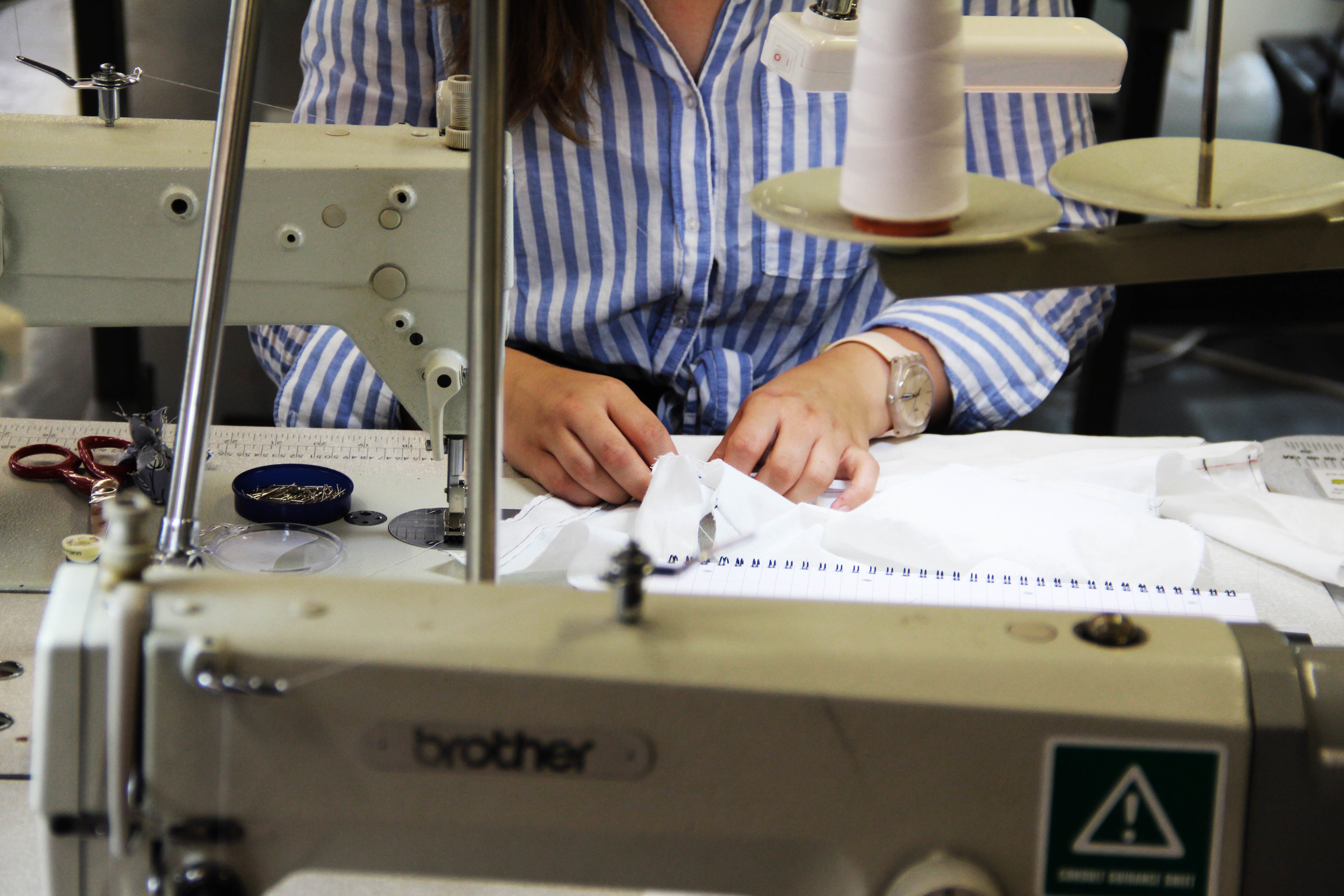
Image Source: ual-media-res.cloudinary.com
The Craft of Tailoring
Tailoring is more than just sewing. It is the art of making clothes fit the person wearing them just right. Tailors create new clothes, like suits or dresses, or they change clothes to make them fit better. They work with different fabrics and styles. They use tools like needles, thread, scissors, and sewing machines. Being a tailor means you are a maker, a problem-solver, and an artist.
Building Core Skills
To become a tailor, you need strong skills. These skills are the base of the job.
Mastering Sewing Skills for Tailoring
Sewing is the heart of tailoring. You must learn how to sew straight lines and curves. You need to know how to use a sewing machine well. Hand sewing is also key for fine details and repairs.
- Basic Stitches: Learn stitches like the running stitch, backstitch, and slip stitch.
- Machine Use: Know how to thread the machine, change needles, and fix tension.
- Seam Types: Learn different seams like plain seams, French seams, and flat-felled seams.
- Finishing Edges: Know how to keep fabric from fraying.
- Pressing: Proper pressing is as important as sewing for a clean finish.
Grasping Garment Construction Techniques
This means learning how to put clothes together. You learn the order of steps to make a jacket, pants, or a dress.
- Putting together sleeves
- Adding collars and necklines
- Making waistbands and pockets
- Inserting zippers and buttonholes
- Lining clothes
Each type of clothing has its own way of being built. You learn these ways step by step.
Knowing Fabric Types for Tailoring
Fabrics are not all the same. Different fabrics act in different ways when you cut and sew them. A good tailor knows how to pick the right fabric for a project. They also know how to handle different fabrics.
- Natural Fibers: Wool, cotton, silk, linen. Wool is often used for suits. Silk is used for linings and fine dresses.
- Man-Made Fibers: Polyester, rayon, nylon. These can be strong and wrinkle-free.
- Blends: Fabrics mixed from natural and man-made fibers.
- Fabric Weight: How thick or heavy the fabric is. This changes how it drapes.
- Fabric Care: How to clean and press different fabrics without harming them.
Learning about fabric helps you choose the best one for the job. It also helps you work with the fabric so it looks and wears well.
Learning the Trade: Paths to Becoming a Tailor
There are several main ways people learn to become tailors. Each path has its own good points.
Option 1: Going to Tailoring School
A tailoring school gives you a set plan for learning. You go to classes and get hands-on lessons.
- What You Learn: Schools teach you the basics first. You learn sewing, pattern making, and how to fit clothes. You study fabric types and garment construction techniques.
- Pros:
- Organized learning path.
- Teachers who are skilled tailors.
- Access to tools and machines.
- Learn theory along with practice.
- May offer connections to the industry.
- Cons:
- Can be costly.
- May take a few years to finish.
- Might not give as much real-world work experience as an apprenticeship.
Some schools offer specific programs focused on tailoring. Others are part of bigger fashion programs.
Option 2: Completing an Apprenticeship Tailor Program
Working as an apprenticeship tailor means you learn on the job from a master tailor. This is how tailors learned for hundreds of years.
- What You Learn: You see and do real tailoring work every day. You learn by watching and helping. You start with simple tasks and move to harder ones. You learn the speed and feel of a working shop.
- Pros:
- Learn from a highly skilled person.
- Get real work experience right away.
- Often includes making clothes for real customers.
- May earn a small wage while learning.
- Cons:
- Finding a good apprenticeship can be hard.
- Learning may be less structured than school.
- You learn the methods of one tailor, which may be narrow at first.
- It can take many years to become a master yourself.
An apprenticeship gives deep, hands-on learning. It is great for those who learn best by doing.
Option 3: Studying Fashion Design Degree
Some people start with a broader fashion design degree. This gives a wide view of the fashion world.
- What You Learn: You learn design, drawing, pattern making, and sewing. You might also study fashion history and marketing. You get skills to create new designs.
- Pros:
- Wide range of skills learned.
- Good if you want to design your own clothes as well as make them.
- Often includes learning about the fashion business.
- Cons:
- May not focus deeply enough on the fine points of classic tailoring.
- Might need extra training to specialize in tailoring after the degree.
- Can be expensive and take four years or more.
A fashion design degree can be a start, but often needs more specific tailoring practice afterward.
Option 4: Learning on Your Own
It is possible to teach yourself tailoring skills. You can use books, online videos, and practice.
- What You Learn: You decide what you learn and when. You can focus on areas you care about most.
- Pros:
- Learn at your own speed.
- Can be low cost (cost of materials and tools).
- Can focus on specific skills like alteration specialist career skills.
- Cons:
- Hard to know if you are learning things the right way.
- Lack of feedback from an expert.
- May miss key parts of the craft.
- Takes a lot of self-drive and discipline.
Teaching yourself is hard but can be done. It often works best for specific skills or as a start before other training.
Deep Dive into Key Areas
No matter the path you choose, some areas are very important to master.
Pattern Making Courses
Patterns are the templates for cutting fabric. Learning to make patterns is key.
- Why it is important:
- You can create clothes from your own designs.
- You can change existing patterns to fit better.
- You learn how clothes are shaped to the body.
- What you learn:
- Taking body measurements.
- Drawing flat patterns.
- Draping fabric on a dress form.
- Changing patterns for different sizes or styles.
Learning pattern making helps you truly understand how clothes are built. It lets you create custom pieces.
Bespoke Tailoring Training
Bespoke tailoring is the highest level of tailoring. It means making a garment, like a suit, completely by hand for one person. Every stitch is done with care to fit that person’s body and style perfectly.
- What it involves:
- Multiple fittings with the client.
- Hand sewing many parts of the garment.
- Using high-quality materials.
- Creating a unique pattern for each client.
- Why train in bespoke:
- It teaches extreme precision and quality.
- You learn detailed hand sewing techniques.
- You learn complex fitting skills.
- It is the mark of a master tailor.
Bespoke training usually comes after you have learned basic tailoring skills. It often happens through long apprenticeships.
Alteration Specialist Career
Many tailors start or focus on alterations. This means changing clothes to make them fit better or look different.
- Common tasks:
- Shortening or lengthening hems on pants and skirts.
- Taking in or letting out seams.
- Changing sleeves.
- Fixing zippers and buttons.
- Reshaping garments.
- Why it is a good start:
- You work on many different types of clothes and fabrics.
- You practice fitting skills.
- You improve your sewing speed and skill.
- It is often a needed service, so there is work.
Becoming a skilled alteration specialist career can be a job on its own. It is also great practice for becoming a full tailor.
The Tools of the Trade
A tailor needs the right tools. Some are basic, others more complex.
- Sewing machine (often industrial for heavy use)
- Hand sewing needles
- Threads of different types
- Sharp scissors for fabric (shears)
- Small scissors for threads (snips)
- Measuring tape
- Rulers (straight, curved)
- Tailor’s chalk or markers
- Pins and pincushion
- Seam ripper
- Iron and ironing board (specialized for pressing seams)
- Dress form (adjustable is best)
- Pattern paper and tools
- Cutting mat
Having good tools and knowing how to use them well is part of being a skilled tailor.
The Path to Mastery
Becoming a “Tailor Master” takes many years. It means you have reached a high level of skill, speed, and knowledge.
- Years of Practice: You need countless hours of sewing, fitting, and making.
- Learning from Mistakes: Every mistake teaches you something.
- Taking on Hard Jobs: Challenging projects push your skills.
- Developing Your Own Style: A master tailor has their own way of working.
- Staying Curious: Fashion and fabrics change. A master keeps learning.
Mastery is a journey, not a finish line. It means you are always getting better at your craft.
Where Tailors Work
Tailors can work in different places.
- Their Own Shop: Many tailors open their own business. This gives them control but also means handling business tasks.
- Dry Cleaners/Alteration Shops: Focusing only on alterations.
- Clothing Stores: Working in store to fit and alter clothes for customers.
- Theater/Film Companies: Making or altering costumes.
- Fashion Houses: Working on samples or custom pieces for designers.
- Factories: Less common for traditional tailoring, but some high-end factories employ skilled sewers.
What About Tailor Salary?
The money a tailor makes can change a lot. It depends on:
- Skill Level: A master tailor or bespoke tailor makes more than someone just starting.
- Experience: More years of work usually mean higher pay.
- Location: Pay rates differ based on where you live and work. Big cities often pay more.
- Type of Work: Bespoke tailoring or complex alterations pay more than simple repairs.
- If You Own a Business: Owning your shop can mean higher earnings, but also more costs and risk.
Here is a general idea of how tailor salary can look:
| Experience Level | Type of Work | Possible Salary Range (Rough Idea) |
|---|---|---|
| Beginner | Basic Alterations | Lower range |
| Experienced | Complex Alterations, Some Garment Making | Middle range |
| Highly Skilled/Bespoke | Custom Suits, Master Work | Higher range |
| Business Owner | Depends on business success | Can vary widely |
Note: These are very general ideas. Actual pay can be much higher or lower based on many things.
Starting pay might be low as you build skills. With more experience and skill, your earning power grows. Specializing, like in bespoke training, can lead to higher pay.
Steps to Take
If you want to become a tailor, here are steps you can follow.
Step 1: Learn to Sew Well
Start with the basics. Get a sewing machine. Practice sewing straight lines. Make simple things like pillowcases or tote bags. Use online videos or simple sewing books. Get comfortable with needles, thread, and fabric.
Step 2: Study Garment Construction
Once you can sew, learn how clothes are made. Take apart an old shirt or pair of pants. See how the pieces fit together. Find guides or classes on how to make basic garments like a simple skirt or shirt.
Step 3: Learn About Fabric
Touch and feel different fabrics. Go to fabric stores. Ask questions. See how different fabrics drape and behave. Practice sewing with different types.
Step 4: Get Formal Training or Experience
Choose a path:
- Go to Tailoring School: Find a program that fits your needs and budget. Learn in a structured setting.
- Find an Apprenticeship: Look for tailors in your area who might take on a helper. Be ready to start with simple tasks.
- Take Specific Courses: Look for pattern making courses or classes on specific garment types.
- Study Fashion Design: Get a broad education if you are also interested in design.
Most people benefit from some kind of formal teaching or working with an experienced tailor. This gives you a strong base and feedback.
Step 5: Practice Alterations
Work on changing clothes. Offer to hem pants for friends or family. Find a job at a dry cleaner or alteration shop. This is great practice for fitting and fixing. An alteration specialist career builds key skills fast.
Step 6: Learn Pattern Making
Take pattern making courses or study on your own. This skill is key to making clothes that truly fit or creating your own designs.
Step 7: Seek Bespoke Training (If You Aim High)
If you want to be a master tailor, look for chances to learn bespoke methods. This often means finding a master tailor to learn from over years.
Step 8: Keep Learning and Practicing
Tailoring skills get better with time and practice. Work on harder projects. Learn new techniques. Stay curious about fashion and textiles.
Building Your Portfolio
As you learn and make clothes, keep examples of your best work. This is your portfolio. It shows people what you can do. Include pictures of garments you made or altered. Note the skills you used on each piece.
Getting Work
Once you have skills, how do you get a job?
- Start Small: Work at an alteration shop or help a busy tailor.
- Network: Meet other people in the fashion or tailoring world.
- Show Your Portfolio: When applying for jobs, let people see your work.
- Offer Services: Start doing alterations for people you know.
- Think About Your Own Business: If you are skilled and like business, opening your own shop is an option.
The Love of the Craft
Becoming a tailor is hard work. It takes patience. You might sew and re-sew seams many times to get them right. You need to like working with your hands and paying close attention to small details. But if you love making things, working with beautiful fabrics, and helping people look and feel good in their clothes, tailoring can be a very rewarding job. It is a mix of art, math, and skilled handwork.
Frequently Asked Questions (FAQ)
How long does it take to become a tailor?
Becoming a basic tailor who can do simple alterations might take a year or two of focused learning and practice. Becoming a highly skilled tailor who can make complex garments or do bespoke work takes many years, often 5 to 10 years or more, of training and constant practice. Mastery takes a lifetime.
Do I need to go to tailoring school?
No, you do not have to go to school. You can learn through an apprenticeship tailor program, other courses, or by teaching yourself. However, school can give you a good base of skills and knowledge in a set time.
What are the most important sewing skills for tailoring?
Accuracy and neatness are key. You need to sew straight, create clean seams, finish edges well, and press properly. Knowing how to use both a sewing machine and hand sewing techniques is vital.
Is pattern making important for a tailor?
Yes, learning pattern making courses helps you understand how clothes fit the body. It lets you alter patterns well and create custom garments.
Can I make a good living as a tailor?
Yes, skilled tailors, especially those doing bespoke work or owning successful businesses, can make a good living (tailor salary). It often starts lower and grows as you gain experience and skill. Location and type of service matter a lot for pay.
What is the difference between tailoring and dressmaking?
Tailoring usually means making structured garments like suits, coats, and pants, often for men, but also structured women’s wear. It focuses on fit and structure. Dressmaking usually means making less structured garments like dresses and blouses, often for women. Dressmaking can be more about drape and style. Many tailors can do both, and the skills cross over.
What kind of fabric types for tailoring should I know?
You should know wool, cotton, silk, linen, and common blends. Learn how they feel, how they drape, how they press, and how they are best sewn and cared for. Wool is very important for suit making.
What is an alteration specialist career?
An alteration specialist focuses on changing ready-to-wear clothes to fit a person better. This is a common job for tailors and a great way to build skills and experience working with many different body types and garment problems.
Is bespoke tailoring training hard?
Yes, bespoke tailoring training is very hard and demanding. It requires extreme attention to detail, patience, and a high level of hand sewing skill. It is considered the peak of tailoring skill.