
A sewing machine works by using two threads to create a stitch. It uses a top thread from a spool and a bottom thread from a bobbin. These two threads loop together around the fabric, making a strong seam. This clever system lets you join pieces of fabric quickly and neatly. But what happens inside? Let’s take a closer look at the complex world of sewing machine mechanics and how it brings your textile projects to life.
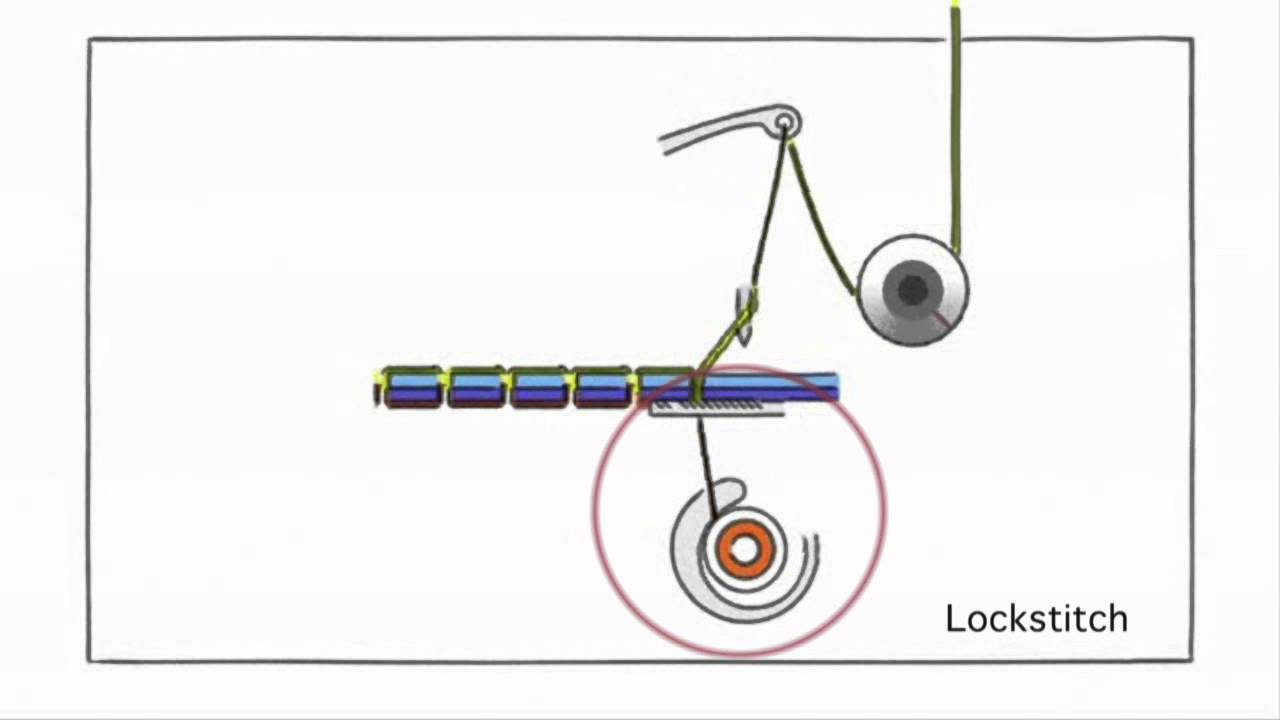
Image Source: i.ytimg.com
The Core Idea: Forming a Stitch
At its heart, a sewing machine is a device that links two pieces of thread. It does this to hold fabric together. Think of it as a tiny, fast knot-tying machine. The magic happens very quickly, often many times per second.
Grasping the Stitch Formation Process
Every stitch is a dance between the top and bottom threads. The goal is to make a strong, even stitch line. This takes many parts working together. Let’s break down the basic steps of how a single stitch is made. This is the stitch formation process.
The Top Thread’s Journey
The top thread starts on a spool. This spool sits on a pin at the top of the machine. From there, the thread goes through several guides. These guides make sure the thread stays in place.
- Thread Guides: Small hooks or loops hold the thread. They guide it from the spool to the needle.
- Tension Discs: The thread passes between two metal discs. These discs press together. They control how tightly the thread flows. This is part of the thread tension system.
- Take-Up Lever: The thread then goes through a slot in the take-up lever. This lever moves up and down with the needle. It helps pull thread for the stitch and then pulls it tight.
- Needle Bar and Needle: Finally, the thread goes through the eye of the needle. The needle is held by a needle bar. This bar moves the needle up and down.
The Bottom Thread: The Bobbin’s Role
The second thread comes from the bobbin. The bobbin is a small spool. It holds the bottom thread. It sits in a special case under the fabric plate. The bobbin and needle interaction is key to making a stitch.
Most home sewing machines use a rotary hook system. This system is very fast and smooth. We will look at it in more detail soon.
Deciphering the Rotary Hook Mechanism
The rotary hook mechanism is crucial. It grabs the top thread loop and wraps it around the bobbin thread. This action creates a secure stitch.
How the Rotary Hook Works
- Needle Descends: The needle pushes down through the fabric. It takes the top thread with it.
- Loop Forms: As the needle starts to rise, a small loop forms in the top thread just above the needle’s eye.
- Hook Catches Loop: The rotary hook, spinning at high speed, has a tiny point. This point catches the loop of the top thread.
- Hook Carries Loop: The hook carries this loop around the bobbin case. The bobbin case holds the bobbin.
- Loop Encircles Bobbin Thread: As the loop goes around, it captures the bobbin thread.
- Take-Up Lever Pulls Tight: The take-up lever moves up. It pulls the top thread, tightening the loop. This action pulls the bobbin thread up through the fabric. It pulls the knot tight against the fabric.
This whole process happens in a fraction of a second. It repeats for every stitch.
Key Internal Components Explained
A sewing machine looks simple on the outside. But inside, it has many parts working together. These internal components explained below work in harmony. They make the sewing process smooth and efficient.
The Frame and Body
The main body of the machine is its frame. This frame holds all the parts in place. It needs to be strong. It takes the stress of fast movements.
The Drive System
The drive system makes everything move. It includes the motor, belts, and gears.
- Motor: This is the power source. It turns electric power into movement.
- Belts: Belts connect the motor to the main shafts. They transfer power.
- Gears: Gears change the speed and direction of movement. They ensure that the needle, take-up lever, and rotary hook all move together. They move at the right speed.
Main Shafts
There are usually two main shafts inside a sewing machine.
- Upper Shaft: This shaft runs across the top part of the machine. It drives the needle bar and the take-up lever.
- Lower Shaft: This shaft runs along the bottom. It drives the rotary hook and the feed dog operation.
These shafts are linked by gears or a timing belt. This link makes sure they spin at the same rate. This exact timing is vital for making good stitches.
Bearings and Bushings
These small parts help moving parts spin smoothly. They reduce friction. This makes the machine last longer. It also makes it run quieter.
Powering the Machine: Motor and Foot Pedal Function
The motor and foot pedal function together to control the machine’s speed.
The Electric Motor
Most sewing machines use an electric motor. This motor makes the main shaft turn. The motor gets its power from an electrical outlet.
The Foot Pedal
The foot pedal is like a gas pedal in a car.
- Speed Control: You press the pedal with your foot. The harder you press, the faster the motor spins. This makes the needle move faster.
- On/Off Control: It also acts as an on/off switch for the motor. When you lift your foot, the machine stops.
Some modern machines have a start/stop button. They also have a speed slider. This gives you more ways to control the sewing speed.
Controlling the Fabric: Feed Dog Operation and Presser Foot Purpose
Two other vital parts work together to move the fabric. They make sure the stitches are even and neat.
Interpreting the Feed Dog Operation
The feed dogs are small, jagged teeth. They stick up through slots in the needle plate.
- Moving the Fabric: Their main job is to pull the fabric under the needle. They do this in a specific cycle:
- Rise: They rise up from the needle plate.
- Pull: They move backward, pulling the fabric with them.
- Drop: They drop back down below the plate.
- Return: They move forward to start the next stitch.
- Stitch Length: The distance the feed dogs move backward controls the stitch length. A longer movement makes a longer stitch. A shorter movement makes a shorter stitch. You can change this setting on your machine.
The Presser Foot Purpose
The presser foot purpose is simple but very important. It holds the fabric flat against the feed dogs.
- Holding Fabric: The presser foot puts gentle pressure on the fabric. This stops the fabric from lifting with the needle. It also stops it from slipping.
- Even Feeding: By holding the fabric down, it allows the feed dogs to grab the fabric well. This helps the machine make even stitches.
- Different Types: There are many types of presser feet. Each one helps with a different sewing task. Examples include zipper feet, buttonhole feet, and quilting feet.
Adjusting the Stitch: The Thread Tension System
The thread tension system controls how tight the top thread is. It works with the bobbin tension to make a balanced stitch.
Why Tension Matters
Imagine two people pulling a rope. If one pulls too hard, the rope might break or bend. In sewing, if one thread is too tight, it pulls on the other. This makes ugly, weak stitches.
- Balanced Stitch: A perfect stitch looks the same on both sides of the fabric. It has the top and bottom threads meeting neatly in the middle of the fabric.
- Too Much Top Tension: If the top thread is too tight, you will see loops of the bobbin thread on the top side of the fabric.
- Too Little Top Tension: If the top thread is too loose, you will see loops of the top thread on the bottom side of the fabric.
How the Tension System Works
Most machines have a numbered dial for top tension.
- Tension Discs: The top thread passes between two concave discs. These discs are usually metal.
- Spring Pressure: A spring pushes these discs together.
- Tension Knob: Turning the tension knob changes the pressure of the spring. A higher number means more pressure. This makes the thread tighter. A lower number means less pressure. This makes the thread looser.
The bobbin also has its own tension. This is usually set at the factory. You usually do not need to adjust it unless you have problems.
Directing the Flow: Handwheel and Take-Up Lever
The handwheel and take-up lever are important parts that work with the needle.
The Handwheel (Balance Wheel)
The handwheel is a large wheel on the side of the machine.
- Manual Control: You can turn it by hand. This moves the needle up and down slowly. It is useful when you need to make just one stitch. Or if you need to adjust the needle position.
- Timing: The handwheel is linked directly to the main shaft. It helps you see the current position of the needle and hook. This helps with threading and troubleshooting.
- Disengaging Clutch: On older machines, you can pull out the handwheel knob. This disconnects the needle bar from the motor. It lets you wind a bobbin without the needle moving. Modern machines often have a separate motor for bobbin winding.
The Take-Up Lever
We touched on this before. The take-up lever is the part that moves up and down. It has a slot for the thread.
- Pulling Thread: It pulls the top thread from the spool. It gives enough thread for the needle to go down and form a loop.
- Tightening the Stitch: After the loop is caught by the hook, the take-up lever moves up. It pulls the loop tight. This sets the stitch firmly against the fabric.
- Removing Slack: As the needle goes up, the take-up lever goes down. It takes up any slack in the thread. This makes sure there is always the right amount of thread for the next stitch.
Putting It All Together: A Full Stitch Cycle
Let’s combine all these parts into one continuous action. This is the complete sewing machine mechanics in action for one stitch.
- Needle Down: The motor and foot pedal function to start the machine. The handwheel starts to turn. The take-up lever moves down. The needle pushes through the fabric. It carries the top thread.
- Loop Forms: As the needle starts to rise, a small loop forms in the top thread just above the needle’s eye.
- Hook Catches: The rotary hook mechanism spins. Its point catches the thread loop. This is the start of the bobbin and needle interaction.
- Loop Travels: The hook pulls the top thread loop around the bobbin case. It picks up the bottom thread from the bobbin.
- Stitch Tightens: The take-up lever moves up. It pulls the top thread tight. This pulls the bobbin thread up and forms the knot. The thread tension system ensures the knot is balanced.
- Fabric Moves: Just as the stitch finishes, the feed dog operation takes over. The feed dogs rise, move the fabric backward by the set stitch length, and then drop.
- Needle Up: The needle comes fully out of the fabric. The presser foot purpose of holding the fabric steady helps here.
- Ready for Next: The take-up lever drops. This creates slack for the next stitch. The feed dogs move forward again under the fabric. The machine is now ready to repeat the cycle for the next stitch.
This rapid, precise cycle is what makes sewing machines so effective.
Common Sewing Machine Types and Their Mechanisms
While the basic stitch formation is similar, sewing machines come in different forms.
Mechanical Machines
These are often simpler. They use more physical gears and levers. They are very durable. Adjustments are often made with knobs and dials.
Electronic Machines
These machines use circuit boards and small motors. They offer more features. These include many stitch patterns and automatic buttonholes. They still use the same basic sewing machine mechanics. But electronic controls make them easier to use.
Computerized Machines
These are the most advanced. They have computer screens. They can connect to the internet. They offer hundreds of stitches. They can even embroider. Yet, the core stitch formation process remains the same. The computer simply tells the internal parts how to move.
Caring for Your Machine: Simple Maintenance
Even a well-built machine needs care. Regular cleaning and oiling help. They keep all the internal components explained above working well. Lint can build up. It can stop the feed dogs from moving well. It can jam the rotary hook. A clean machine runs smoother. It makes better stitches.
The Wonder of Modern Sewing
From simple hand sewing to today’s high-speed machines, sewing has changed lives. It makes clothes. It creates art. It fixes things. The clever design inside a sewing machine is a testament to engineering. It combines simple movements into complex results. Each part plays a vital role. From the steady pull of the feed dog operation to the precise timing of the rotary hook mechanism. It is a marvel of moving parts.
Frequently Asked Questions (FAQ)
Q1: Why do my stitches look loose on the top or bottom?
A1: This is almost always a tension problem. If loops show on the top of the fabric, your bobbin tension might be too tight, or your top tension is too loose. If loops show on the bottom, your top tension is too tight. Check your thread tension system settings first. Also, make sure your machine is threaded correctly.
Q2: Why is my fabric not moving forward?
A2: This is likely an issue with the feed dog operation or the presser foot purpose. Ensure the feed dogs are up. Some machines have a switch to lower them for free-motion sewing. Also, check that your presser foot is down. If it’s up, it won’t hold the fabric against the feed dogs.
Q3: My needle keeps breaking. What am I doing wrong?
A3: A common cause is using the wrong needle size or type for your fabric. Or pushing or pulling the fabric too hard. Let the feed dog operation move the fabric. Make sure the needle is put in correctly. It should be fully inserted and facing the right way. A bent needle can also break easily.
Q4: How often should I clean and oil my sewing machine?
A4: The frequency depends on how much you sew. If you sew often, once a month is a good idea. If you sew less, every few months or after a big project is fine. Always check your machine’s manual for specific cleaning and oiling points. This keeps the internal components explained working well.
Q5: Can I sew without the foot pedal?
A5: Many modern electronic and computerized machines have a start/stop button. This lets you sew without the foot pedal. You usually control the speed with a slider on the machine. This is part of the motor and foot pedal function options. Older mechanical machines usually need the foot pedal to work.