
How much is an antique sewing machine worth? The truth is, the price changes a lot, from just $50 or $100 for a common model in average shape up to many thousands of dollars for a very old, rare, or special machine in perfect condition. The value of an antique sewing machine depends on many different things, such as its age, the company that made it (like Singer), how well it still works, how it looks, how rare it is, and if people want to buy it right now.
Antique sewing machine valuation factors are key to knowing a machine’s price. Many things make the value go up or down. Let’s look at what matters most.
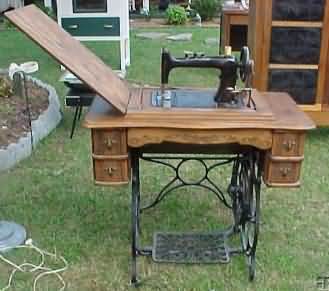
Image Source: www.antiqbuyer.com
What Makes Them Worth Money? Grasping Value Points
Several main things change how much an old sewing machine sells for. These are the big antique sewing machine valuation factors.
- Age: Older does not always mean more valuable, but very early machines from the 1850s or 1860s can be worth a lot if they are rare or important.
- Make and Model: Who made the machine? Certain names, like Singer, are very well-known. Some specific models are more wanted than others. Identifying vintage sewing machine models is important here.
- Condition: Is the machine clean? Does it have all its parts? Does it work? The better the shape, the more it is usually worth. This is a major part of the antique sewing machine condition guide.
- Rarity: Were only a few of these machines made? Is it hard to find today? Rare antique sewing machines value is often much higher.
- History: Does it have a special story, maybe owned by a famous person? This can add value.
- Features: Does it have special designs, fancy paint (called decals), or unique parts?
- Market: Do many people want this kind of machine right now? Prices can change based on what buyers are looking for.
Let’s look deeper into some of these points.
The Role of Condition: An Antique Sewing Machine Condition Guide
The shape a sewing machine is in is one of the biggest things that sets its price. A machine in great shape that still works will almost always be worth more than one that is broken, rusty, or missing parts.
We can think about condition in a few ways:
- Looks:
- Paint/Decals: Are the pictures or designs on the machine bright and clear, or are they scratched and worn off? Machines with nice, whole decals look much better and are worth more.
- Woodwork: Is the table or cabinet the machine sits in in good shape? No big scratches, cracks, or water rings?
- Metal Parts: Is the metal shiny or rusty? Are levers and knobs still attached and not bent?
- Working Order:
- Does the wheel turn smoothly?
- Does the needle go up and down?
- Do all the parts that move still move?
- Can it actually sew a stitch?
- Completeness:
- Does it have all its original parts? The shuttle, bobbin case, foot pedal (for electric), or treadle (for treadle machines)?
- Does it have its original case, manual, or extra tools? Having these things can make the machine worth more.
Think of it like an old car. A car that looks great, runs perfectly, and has all its original parts is worth a lot more than one that is rusted, doesn’t run, and needs many repairs. For antique sewing machines, condition is often the number one thing a buyer looks at after the make and model.
Famous Names: Singer Antique Sewing Machine Prices
Singer is the most well-known name in old sewing machines. Isaac Singer started his company in the 1850s, and they made millions of machines over the years. Because so many were made, most common Singer models are not extremely rare, which affects Singer antique sewing machine prices.
Still, some Singer models are worth more than others.
- Early Singers: Machines from the 1850s and 1860s can be quite valuable, especially early patents or unique designs. Look for serial numbers that start very low.
- Fancy Cabinets: Some Singer machines came in beautiful wooden cabinets with detailed carving or inlay. The cabinet’s condition matters just as much as the machine’s.
- Specific Models: Certain models gained fame or have special features that make them sought after by collectors.
The Little Giant: How Much is a Featherweight Singer Worth?
One Singer model stands out for collectors: the Singer Featherweight. The most common is the Model 221, made from the 1930s to the 1960s. There’s also the Model 222K, which can drop its feed dogs and has a free arm – these are less common and usually worth more.
How much is a Featherweight Singer worth? A Featherweight 221 in good working order, with its case and accessories, can often sell for $300 to $600. One in near-perfect shape, maybe with extra items like special feet or original paperwork, can sell for $700 or even $1000 or more. The 222K model usually sells for more, often starting around $800 and going up to $1500 or higher depending on its condition and completeness.
Why are Featherweights worth so much?
- They are lightweight and portable for their time.
- They make a very nice stitch.
- They have a classic look that many people like.
- They are popular with quilters and people who sew at classes.
- They were built very well and often still work great today.
Even though many Featherweights were made, the demand from both users and collectors keeps their prices higher than many other old machines.
Other Notable Singer Models
While the Featherweight is famous, other Singers have value too:
- Singer 66 (the “Red Eye” or “Lotus” decals): Common but loved for their looks. Good, working machines can sell for $100-$300, especially with nice decals.
- Singer 201: Known as one of Singer’s best stitchers. A working 201 in good shape can fetch $100-$300.
- Early vibrating shuttle models (like the 27, 28, 127, 128): Often found in treadle cabinets. Value depends on the machine and cabinet condition.
Remember, even a Singer can be worth very little if it’s in poor condition or a very common model that nobody wants right now. Singer antique sewing machine prices cover a wide range.
Identifying Vintage Sewing Machine Models
Knowing exactly which machine you have is the first step to finding its value. Identifying vintage sewing machine models can be simple if you know where to look.
Most sewing machines have a serial number. On Singers, this number is usually on a small plate or engraved into the bed of the machine. For other brands, check different parts of the machine body.
Once you have the serial number:
- For Singers: Go to the Singer website or look online for “Singer serial numbers lookup”. You can usually find charts that tell you the model number and the year your machine was made based on its serial number.
- For Other Brands: Search online using the brand name and “serial number lookup” or “model identification”. Websites for collectors or sewing machine history might have information.
- Look for Model Name/Number: Sometimes the model number is written right on the machine itself, often on the arm or base.
- Compare Pictures: Search online for pictures of sewing machines that look like yours. Look at the shape, the number of dials or levers, and the design (decals). This can help you guess the model, then use the serial number to be sure.
- Check the Manual: If you have the original manual, the model number is usually on the front cover.
Once you know the make (like Singer, White, Wheeler & Wilson, etc.) and the model number (like 66, 201, 15-91, Featherweight 221), you can start researching its typical value.
Power from Your Feet: Value of Treadle Sewing Machine
Before electric power was common in homes, many sewing machines were powered by a treadle. This is a foot pedal that the user rocks back and forth to turn a large wheel, which then turns the machine’s handwheel via a belt.
What is the value of treadle sewing machine? This depends heavily on:
- The machine head: Is it a desirable model like a Singer 66 or 15? Is it in good working order?
- The cabinet: Is the wooden cabinet complete and in good shape? No wobbly legs, no split wood, no missing drawers? Fancy cabinets are worth more.
- The iron base: Is the heavy iron stand complete and not broken or rusted through? Does the treadle pedal work smoothly?
- Completeness: Does it have the pitman arm connecting the treadle to the wheel? Does it have the belt?
Many treadle machines are very common models (like basic Singers, Whites, or others). Millions were made. Because they are large and heavy, people often find them hard to move, which can lower the price unless they are in high demand locally.
- A common treadle machine in average shape, needing cleaning or minor repair, might only sell for $50 to $200.
- A machine in a beautiful, well-kept cabinet, fully working, might sell for $200 to $500 or more.
- Very early or rare treadle machines or those in fancy cabinets can be worth much more.
The value of treadle sewing machine often lies as much in the cabinet and iron stand as in the machine head itself. Some people buy them just for the cabinet to use as a decorative table.
Moving Towards Electric: Later Vintage Machines
Machines made after the treadle era, when electricity became common (roughly post-1920s/1930s), often have different values.
- Electric Conversions: Some treadle machines were put into portable cases or tables and given electric motors and foot controls. Their value is similar to the machine head’s value, plus the condition of the case/table and motor.
- Purpose-Built Electric Machines: Machines like the Singer 15-91 (with a motor built into the back) or the Featherweight were made to be electric. Their value depends on the model and condition, as discussed earlier for the Featherweight.
- Machines from the 1950s-1970s: Many colorful or zig-zag capable machines were made during this time. Most common models are not highly valuable yet, often selling for $50-$150. However, some specific, well-regarded models known for quality or unique features might be worth more. Condition is key here too.
The Thrill of the Hunt: Collecting Antique Sewing Machines
Collecting antique sewing machines is a rewarding hobby for many reasons. People enjoy the history, the mechanical genius, the beautiful designs, and the challenge of finding specific models. Collecting antique sewing machines can focus on:
- Specific Brands: Like collecting only Singers or only early American machines.
- Eras: Collecting machines from the 1800s or from the early electric age.
- Types: Collecting only hand-crank machines, only treadles, or only miniature/toy machines.
- Rarity or Importance: Seeking out rare antique sewing machines value specimens that are milestones in sewing machine history.
Collectors often look for machines in the best possible condition, ideally original and working. They also value machines with their original parts, cases, manuals, and accessories.
If you are collecting antique sewing machines, learn as much as you can about the types you are interested in. Read books, join online groups, and visit museums if possible. This knowledge helps you spot valuable machines and avoid paying too much for common ones.
Finding the True Price: Antique Sewing Machine Appraisal Near Me
If you think you have a valuable or rare machine, you might want a formal appraisal. An antique sewing machine appraisal near me might involve contacting a specialist who knows about antique sewing machines.
Finding an appraiser:
- Search Online: Look for “antique sewing machine appraisal” plus your city or state.
- Contact Local Antique Stores: Some antique store owners have knowledge or can point you to someone who specializes in mechanical antiques or sewing machines.
- Reach Out to Collector Groups: Sewing machine collector clubs or online forums might have members who offer appraisal services or can recommend someone.
- Auction Houses: Larger auction houses sometimes have experts who can give you an estimate, especially if they deal with mechanical antiques or historical items.
Be ready to provide detailed pictures of your machine from all sides, including close-ups of any nameplates, serial numbers, decals, and damage. Tell them everything you know about its history.
A formal written appraisal might cost money, but it can be useful for insurance purposes or if you are selling a very high-value item. For most common machines, researching past sales online (on sites like eBay or dedicated auction sites) gives you a good idea of market value without paying for an appraisal.
Rare Antique Sewing Machines Value
What makes a machine truly rare?
- Very Early Patents/Designs: Machines made in the 1840s or 1850s are much rarer than later ones.
- Short-Lived Companies: Some companies only made machines for a few years.
- Unique Mechanisms: Machines that worked very differently from the norm.
- Machines with Special Purposes: Industrial machines with unusual functions, or very specific limited runs.
- Models with Low Production Numbers: Some models were simply not made in large quantities.
Rare antique sewing machines value can be much higher, ranging from several hundred to many thousands of dollars. Examples include:
- Early Elias Howe machines: Howe is one of the inventors of the lockstitch machine. Original Howe machines from the 1850s are very rare and important historically.
- Early Grover & Baker, Wheeler & Wilson, or Willcox & Gibbs machines: These were major competitors to Singer in the early days and their early models are sought by collectors.
- Specific Singer models with unique features or very early serial numbers.
If you find a machine that looks very unusual, is very old, or has a name you don’t recognize but looks well-made, it’s worth researching carefully. Identifying vintage sewing machine models is especially important for potentially rare finds.
Finding a New Home: Selling Antique Sewing Machines
Once you know what your machine might be worth, you might decide to sell it. Selling antique sewing machines can be done in several ways.
- Online Marketplaces:
- eBay: Reaches a wide audience. Good for common to moderately valuable machines. You need to write a good description, take clear photos, and figure out shipping (which can be hard for heavy machines). Check completed listings to see what similar machines actually sold for.
- Facebook Marketplace/Craigslist: Good for large, heavy machines like treadles where the buyer can pick it up. Limits your audience to local buyers but avoids shipping hassle. Prices are often lower here.
- Specialty Sewing Machine Sites/Forums: Some online groups for collectors allow sales. This targets people actively looking for specific machines.
- Auction Houses:
- Local or online auction houses might take your machine, especially if it’s part of an estate or is potentially valuable. They take a percentage of the sale price.
- Specialty antique or mechanical auctions might get better prices for rare items.
- Antique Stores/Dealers:
- You can try selling to an antique store, but they will offer you less than market value because they need to resell it for a profit.
- Finding a dealer who specializes in sewing machines is rare but ideal if you can.
- Local Ads/Word of Mouth:
- Put up flyers at fabric stores or senior centers.
- Tell friends and family you are selling.
Tips for selling antique sewing machines:
- Clean it up: A clean machine looks much better and sells for more. Just wipe away dust and grime. Don’t restore or repaint unless you are a professional – you can lower the value.
- Take clear photos: Show the whole machine, the serial number, the decals, the cabinet (if it has one), and any parts or accessories.
- Be honest about the condition: Say if it works or not, if parts are missing, or if there’s damage.
- Research the price: Look for what similar machines have sold for, not just what people are asking.
- Think about shipping: For heavy machines, local pickup is easiest. If shipping, pack it very carefully! Removing the machine head from the cabinet makes it lighter and safer to ship.
What About Restoration?
Should you restore an antique sewing machine to increase its value? For most machines, especially common ones, simple cleaning is best. Restoring involves repainting, replacing parts with non-original ones, or refinishing cabinets. This can actually lower the value for serious collectors who prefer original condition, even with wear.
However, if a machine is in very bad shape and wouldn’t work otherwise, a careful restoration by an expert might be worthwhile, especially if it’s a rarer model. But for most machines, fixing simple mechanical issues and cleaning is enough to make it usable or appealing without hurting its antique value.
Beyond the Price Tag: Other Kinds of Value
An antique sewing machine might be worth little money but have great sentimental value. It might have belonged to a grandmother or great-grandmother. This personal history often means more than any dollar amount.
The machine might also have value as a usable tool. Many old machines, especially straight-stitch Singers like the 15, 66, 201, or Featherweight, are fantastic sewing machines. They are often stronger than modern plastic machines and can sew through thick fabrics. Many people buy them specifically to use.
So, while we talk about money value, remember that antique machines also hold history, art, and the possibility of still making beautiful stitches today.
FAQ: Common Questions About Antique Sewing Machines
h4>Are all old Singer sewing machines valuable?
No, not all old Singer machines are valuable. Singer made millions of machines, and many common models from the early to mid-20th century are worth $50 to $200 depending on condition. Rarity, specific models (like the Featherweight or very early ones), and excellent condition are what make a Singer machine more valuable.
h4>How do I find the age of my sewing machine?
The best way is to find the serial number on the machine (usually on the bed or a small plate) and look it up online. For Singers, you can use the serial number lookup on Singer’s website or other online databases. For other brands, search for “[Brand Name] serial number lookup” or check historical sewing machine websites.
h4>Is it better to sell an antique sewing machine working or not working?
A working machine is almost always worth more than a non-working one, assuming the repair needed is not simple (like a broken belt). If it’s an easy fix you can do (like oiling or replacing a belt), it’s worth doing it before selling. If it needs complex repair, sell it as non-working and state the known issues honestly.
h4>Where is the best place to sell a heavy treadle sewing machine?
For heavy machines like treadles, selling locally is usually easiest due to the high cost and difficulty of shipping. Facebook Marketplace, Craigslist, or local antique/collectible groups are good options where the buyer can arrange pickup.
h4>What are some signs a sewing machine might be rare?
Signs of potential rarity include: a very early date (pre-1870s), unusual design or mechanism, a name from a company you can’t find much information about, or being a known sought-after collector’s model (researching specific models helps here). Machines from the first few decades of sewing machine production are generally rarer than those from the 20th century.
h4>Can I still get parts for antique sewing machines?
Yes, often you can! Common parts like needles, belts, and bobbins are still available for many popular models. Specialty parts might be found online from sellers who deal in antique sewing machine parts, or sometimes you might need to find a “parts machine” to take pieces from. Local sewing machine repair shops might also help or know where to find parts.
h4>How should I clean an old sewing machine?
Use a soft cloth and gentle cleaner (like sewing machine oil or mineral spirits, applied to the cloth, not directly to the machine) to wipe away dirt and old oil. Use small brushes or cotton swabs for tight spots. Be very careful around decals; don’t use harsh chemicals. Oil the machine using sewing machine oil in the designated oiling points mentioned in the manual or visible holes. Do not oil the motor on electric machines unless the manual says so. For cabinets, a wood cleaner and polish can be used carefully.
h4>Is it worth restoring a very rusty sewing machine?
Unless it’s a very rare or historically important machine, restoring a very rusty machine might cost more than the machine will ever be worth. Simple cleaning to remove surface rust might be okay, but major rust removal and repainting are usually only done by serious collectors or museums for significant pieces.
h4>What is the difference between antique and vintage?
While the terms are sometimes used loosely, generally:
* Antique: Usually means 100 years old or more.
* Vintage: Means old, but not necessarily 100 years old. It could be 20, 50, or 80 years old.
So, all antique sewing machines are vintage, but not all vintage sewing machines are antique.