
Learning to start and finish your embroidery projects neatly is a big step in making your stitches look great. Knowing how to begin embroidery and how to end embroidery well keeps the back of your work tidy and makes sure your stitches stay put. This guide shares easy ways to handle your thread, showing you how to make knots when you need them, and how to avoid them when you don’t, all for securing embroidery floss. We will look at different ways for starting embroidery thread and finishing embroidery thread so you can pick what works best for your project.
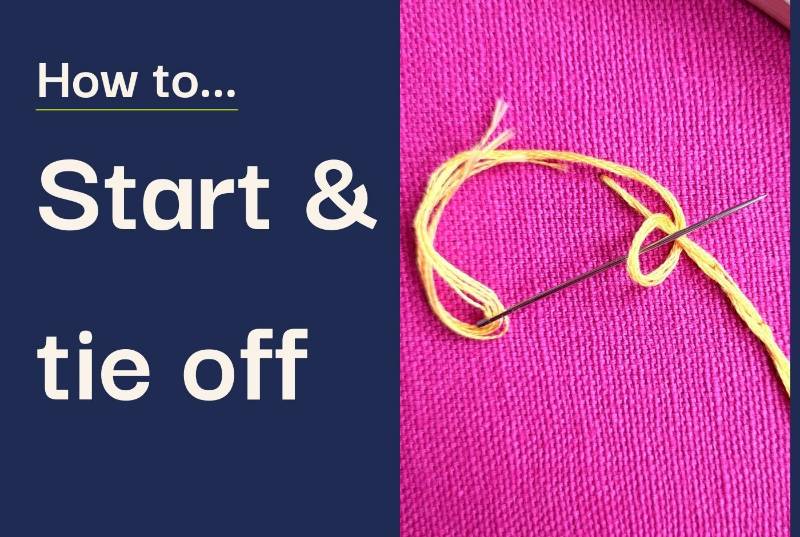
Image Source: paraffle.com
Grasping Why Starts and Ends Matter
Think of starting and ending your thread as the hidden work of embroidery. It’s not the pretty stitches you see on the front, but it’s super important. If you don’t start your thread right, it might come undone. If you don’t finish it right, your stitches could loosen later. Plus, a messy back can make your finished piece not lay flat or even show through thin fabric. Doing this part well makes your whole project stronger and look nicer, even on the back.
How To Begin Embroidery: Your Starting Point
Starting your thread the right way sets up your stitching for success. There are a few popular ways to get your thread ready on your fabric. Some use a knot, and some do not. Let’s look at the main methods.
The Simple Knot Method
Using a knot is a very common way to start, especially for beginners. It makes a clear stop for your thread so it doesn’t pull through the fabric. You often use this method when the back of your work won’t be seen, or in areas where the knot won’t add too much bulk.
How To Make a Simple Knot to Start
- Take your embroidery thread. Usually, you cut a piece about the length from your fingertips to your elbow. This stops the thread from getting tangled easily.
- Hold one end of the thread between your thumb and first finger.
- Wrap the thread around your first finger, making a loop.
- Use your thumb to push the end of the thread through the loop you just made. It helps to wet your fingers a tiny bit.
- Gently pull the loop down towards the end of the thread. As you pull, the thread wraps around itself and makes a small knot.
- Keep pulling until the knot is snug. Make it close to the very end of the thread.
- You can make a double knot if you want it to be a little bigger and less likely to pull through your fabric holes. Just make the knot again right on top of the first one.
Securing Embroidery Floss with the Knot
Once your knot is made, you are ready to start.
1. Thread your needle onto the other end of the thread.
2. Bring your needle up from the back of your fabric to the front where you want your first stitch to be.
3. Pull the thread through until the knot on the back stops it. The knot should rest flat against the back of the fabric.
4. Now you can make your first stitch. The knot holds your thread securely as you start.
This is a basic way of starting embroidery thread. It’s simple and works well on many fabrics.
The Waste Knot Method
The waste knot in embroidery is a smart way to start your thread without having a knot right where you are stitching. This is great when you want the back of your work to be super neat, like for items where the back might be seen, or on finer fabrics. The ‘waste knot’ is just a temporary knot placed away from your stitching area.
How To Use a Waste Knot
- Make a simple knot a few inches away from the end of your thread. This knot is bigger than the simple starting knot we talked about. You can wrap the thread around your finger 2 or 3 times before pulling the end through the loop to make a bigger knot. This makes sure it won’t pull through the fabric.
- Thread your needle onto the long end of the thread.
- Bring the needle up from the front of the fabric to the back, a few inches away from where your first stitch will be. The large waste knot should stop the thread on the front side of the fabric.
- Now, bring your needle back to the front of the fabric exactly where you want your first stitch to start.
- Begin stitching as normal, working towards the waste knot. As you stitch, the tail of the thread from the waste knot gets caught and held under your stitches on the back. Aim to stitch over the thread tail for about 1 to 1.5 inches (2.5 to 4 cm).
- Once you have stitched over the thread tail securely, you can cut off the waste knot from the front. The beginning of your thread is now held firmly by the stitches on the back.
This method is excellent for starting without a knot at the exact point where your stitches begin. It keeps the area under your stitches flat and smooth.
The Loop Knot Start (For Stranded Floss)
If you are using stranded embroidery floss (like DMC or Anchor, which has 6 thin strands), the loop knot embroidery start is a fantastic way to begin. It’s neat, secure, and means you don’t need a knot at all! This method works best when you are using an even number of strands (2, 4, or 6).
How To Do the Loop Knot Start
- Cut a piece of embroidery floss that is about twice as long as you normally would use.
- Pull out the number of strands you need for your stitching (e.g., 2 strands). Keep them together.
- Fold the pulled strands in half so the two cut ends meet. This creates a loop at the other end.
- Thread the cut ends of the floss through the eye of your needle. You should now have a loop at one end of the thread and the two cut ends through the needle’s eye.
- Bring your needle up from the back of the fabric to the front where your first stitch starts. Pull the thread through until the loop is close to the back of the fabric.
- Make your first small stitch (like a tiny backstitch or straight stitch). As you pull the thread through to the back for the second part of this first stitch, pass the needle through the loop you left on the back of the fabric.
- Gently pull the thread. The loop will pull tight against the fabric, securing the thread end.
- Now you can continue stitching normally. The start is very secure and lies flat on the back.
The loop knot embroidery start is very clean and simple, making it one of the most liked methods for starting embroidery thread without a traditional knot.
Starting Without a Knot: Burying the Tail
Another way for starting without a knot is to simply leave a tail of thread on the back of the fabric and stitch over it with your first few stitches.
How To Bury the Tail to Start
- Thread your needle with your desired number of strands. Do not tie a knot.
- Bring your needle up from the back of the fabric to the front where you want to start stitching. Leave about an inch or two (2.5 to 5 cm) of thread hanging on the back.
- Hold this tail against the back of the fabric, in the direction you will be stitching.
- Make your first few stitches as usual. As you make each stitch, make sure the needle passes over the tail of thread on the back. This holds the tail down under your stitches.
- After you have stitched over the tail for about an inch (2.5 cm), the end is secure. You can let go of the tail. If any little bit is sticking out, you can carefully trim it close to the stitches.
This technique is another excellent way for starting embroidery thread neatly without creating bulk from a knot. It’s a key part of securing embroidery floss invisibly.
How To End Embroidery: Finishing Neatly
Just like starting well is important, ending your thread correctly is key to making sure your stitches last and your work looks tidy. You don’t want your beautiful stitches coming undone! There are a few ways to finishing embroidery thread securely.
Tying Off with a Small Knot
You can end your thread by tying a small knot very close to the fabric on the back. This is a quick way to secure the end.
How To Tie Off Embroidery Thread
- When your thread is getting short and you are ready to end it, flip your fabric to the back.
- Slide your needle under a few existing stitches on the back of your work. This traps the thread against the fabric.
- Pull the thread through, leaving a small loop of thread before pulling it tight.
- Pass your needle through the loop you just made.
- Gently pull the thread to tighten the knot. The knot should sit right where the loop was, close to the fabric.
- You can repeat steps 2-5 to make a second small knot for extra security, right on top of the first one.
- Once the knot is tied, pass your needle under a few nearby stitches to bury the remaining tail of thread. Pull the thread through to hide the end.
- Trim the leftover thread close to the fabric.
This method involves tying off embroidery thread directly on the back. It’s simple but can sometimes create a small bump.
Weaving In Embroidery Ends
Many embroiderers prefer weaving in embroidery ends. This method is generally considered neater and flatter than tying a knot. It hides the thread tail under existing stitches on the back of your work.
How To Weave In Ends
- When you have about 2-3 inches (5-8 cm) of thread left and are finishing a section, flip your fabric to the back.
- Look for some stitches already made on the back of your fabric, ideally stitches that the new thread tail can run under without showing on the front. Stitches of the same color are best.
- Slide your needle carefully under 3-5 nearby stitches on the back. Try not to go through the fabric to the front. You are just going under the threads that make up those stitches on the back.
- Pull the thread through gently. This weaves the tail under the stitches, securing it.
- For extra security, you can reverse direction and weave back under some of the same stitches, or different nearby stitches, for a short distance.
- Once you have woven under enough stitches (about 1 to 1.5 inches or 2.5 to 4 cm), the end is secure.
- Trim the leftover thread close to the fabric.
Weaving in embroidery ends is a very popular way of finishing embroidery thread because it leaves a smooth, flat back. It’s a key skill for securing embroidery floss invisibly.
Combining a Knot and Weaving
Sometimes, especially if you are worried about the thread coming loose, you might tie a very small knot first and then weave in the remaining tail.
How To Combine Methods
- Flip to the back of your fabric.
- Make a very small knot close to where your thread ended. You can do this by making a small stitch into the fabric right next to where the thread comes out, and then passing the needle through the loop before pulling it tight.
- Once the small knot is made, pass the remaining thread tail under nearby stitches on the back, just like the weaving method described above.
- Trim the thread.
This offers the security of a knot with some of the neatness of weaving in the end. It’s another option for tying off embroidery thread and securing the floss.
Interpreting Which Method To Use
Choosing the best way to start or end your thread depends on a few things. There isn’t one single “right” way for every situation.
Things To Think About When Choosing
- The Fabric: Is it thick or thin? Knots can show through thin fabric.
- The Stitch: Are you making big stitches (like for filling a shape) or small ones? This affects how much thread tail you can hide under stitches.
- Where the Stitching Is: Is it a single line or a large area? More stitches mean more places to weave ends.
- Will the Back Be Seen?: If it’s a hoop art piece that will be framed, the back doesn’t have to be perfectly neat (though it’s good practice). If it’s on clothing or an item where both sides are visible, a neat back is important.
- Thread Type: Stranded floss works perfectly with the loop start. Other threads might not.
- Personal Preference: Some people just prefer one method over others because it feels easier or neater to them.
Here is a simple guide for how to begin embroidery and how to end embroidery based on common situations:
| Situation | Good Starting Methods | Good Finishing Methods | Notes |
|---|---|---|---|
| Back will not be seen | Simple Knot, Burying Tail | Tying Off, Weaving In | Simple knot is fastest but can be bulky. |
| Back should be neat/seen | Waste Knot, Loop Start, Burying Tail | Weaving In, Tying Off & Weaving Combined | Weaving gives the neatest, flattest finish. |
| Using Stranded Floss (even #) | Loop Start (Excellent!), Waste Knot | Weaving In | Loop start is ideal for stranded floss and neatness. |
| Using Non-Stranded Thread | Simple Knot, Waste Knot, Burying Tail | Tying Off, Weaving In | Loop start doesn’t work with single-strand threads. |
| Stitching large, dense areas | Any method works well | Weaving In (easy to hide ends) | Lots of stitches make it easy to bury or weave ends. |
| Stitching single lines/sparse areas | Waste Knot, Loop Start | Tying Off (may be necessary) | Fewer stitches to weave under might require a small knot. |
This table helps in interpreting which method is best for starting embroidery thread and finishing embroidery thread depending on your needs.
Tips for Better Knots, Starts, and Ends
Getting your starts and ends right takes a little practice. Here are some tips to help you get better at securing embroidery floss:
- Don’t Make Knots Too Big: Large knots on the back can cause bumps that show through to the front, especially on thin fabrics. Keep simple knots small.
- Make Sure Knots Are Snug, Not Tight: Pull your knots just enough so they don’t come undone. Pulling too hard can pucker or damage the fabric.
- Leave Enough Tail: When burying or weaving ends, leave about 1-2 inches (2.5-5 cm) of thread. This gives you enough to work with and makes sure the end is hidden well. Cutting it too short means it might pop out later.
- Stitch Over Tails Sufficiently: When using the waste knot or burying the tail method for starting embroidery thread, make sure your first few stitches cover the tail for at least an inch (2.5 cm). This is key to making it secure.
- Weave Under Enough Stitches: When weaving in embroidery ends, go under several stitches (3-5 is good). The more stitches you go under, the more secure the end will be.
- Check the Back: Every so often, flip your work over and look at the back. Are your knots tidy? Are tails hidden? Catching problems early is easier than fixing them later.
- Practice: Try each method on a scrap piece of fabric. See which one you like best and which ones give you the neatest result for how to begin embroidery and how to end embroidery.
Common Problems and Simple Fixes
Even experienced stitchers run into issues with starts and ends sometimes. Here are a few common problems and how to handle them.
Knot Came Undone
- Problem: You used a simple knot, and it pulled through the fabric.
- Reason: The knot was too small for the fabric holes, or it wasn’t tight enough.
- Fix: If it’s right at the start, you might need to unpick carefully and restart with a double knot or a waste knot. If it happened during stitching, you’ll need to tie off the short thread securely on the back (maybe with a double knot very close to the fabric) and then start a new thread. For securing embroidery floss, make sure your initial knot is appropriate for the fabric count.
Knot Shows Through the Front
- Problem: You used a simple knot start, and you can see or feel a bump on the front of your work.
- Reason: The fabric is too thin, or the knot is too big.
- Fix: For future projects on thin fabric, use the waste knot, loop start, or burying tail method for starting without a knot at the stitch location. If it’s already there, sometimes you can gently press the area from the back to flatten it slightly, but often you just have to accept it or be more careful next time.
Thread End Poking Out
- Problem: You finished your thread, but a little bit of the tail is sticking out from the back.
- Reason: The tail wasn’t woven under enough stitches, or it was trimmed too short and slipped out.
- Fix: If there’s enough tail left, re-thread your needle and weave it under more stitches on the back. If it’s too short to re-thread, you can try to carefully tuck it back in with the needle or a pin. For future ends, make sure to weave under a good length of stitches when weaving in embroidery ends and leave about 1/4 inch (0.5 cm) when trimming the end.
Fabric Puckering Around Knots/Ends
- Problem: The fabric looks pulled or bumpy where you started or ended the thread.
- Reason: Knots are too big or too tight, or the thread tails are creating bulk.
- Fix: Use methods that lie flatter, like the loop start or burying the tail for starting embroidery thread. For finishing embroidery thread, favor weaving in ends over bulky knots. Ensure you are not pulling your thread too tightly when starting, ending, or stitching.
Learning these simple fixes helps you handle issues and get better at how to end embroidery smoothly.
Fathoming Thread Counts and Needles
The size of your fabric holes (its count) and the number of thread strands you use also affect how you start and end.
- Higher Fabric Count (Smaller Holes): On fabrics like 28 or 32 count linen, the holes are very small. A simple knot might not pull through, but it will be very tiny and could still come undone. Weaving in ends and the loop start (if using even strands) work very well on these fabrics because they don’t rely on a knot size stopping the thread. Starting without a knot by burying the tail is also effective.
- Lower Fabric Count (Larger Holes): On fabrics like 11 or 14 count Aida, the holes are larger. A simple knot might easily pull through unless you make a double or triple knot. The waste knot is a good option here because the larger knot is placed away from the main stitching area. The loop start also works perfectly. Securing embroidery floss on these fabrics often requires making sure your knot or buried tail is substantial enough not to slip.
- Needle Size: Using the right size needle for your fabric and thread helps. The needle should make a hole just big enough for the thread to pass through. If the needle is too small, pulling the thread and knots can be hard. If it’s too big, it makes the fabric holes bigger, which can make it harder to keep knots or buried ends secure.
Composing a Tidy Back
While the front of your embroidery is what most people see, a tidy back is a sign of a skilled stitcher. It also helps your piece lay flat and smooth. Good starting and ending techniques are the first step to a neat back. Using methods like the loop start, waste knot, and weaving in embroidery ends helps greatly. Try to avoid carrying threads long distances across the back; it’s better to end the thread and start a new one. Keep your thread tails short and well-hidden. A neat back comes from careful work, especially in how to begin embroidery and how to end embroidery.
Frequently Asked Questions (FAQ)
Here are some common questions people ask about starting and ending embroidery thread.
Q: Do I always need a knot to start?
A: No, absolutely not! As we discussed, methods like the loop start, waste knot, and burying the tail allow you to begin starting without a knot right at your first stitch location. These are often preferred for a neater look.
Q: How long should I leave my thread tails?
A: When you finish your thread and are about to cut it, leave about 1-2 inches (2.5-5 cm) of thread after securing it (either by knotting and/or weaving). This gives you enough length to weave under stitches safely.
Q: Can I use the simple knot method on any fabric?
A: You can use it, but it might not be the best choice for all fabrics. On thin or loosely woven fabrics, a simple knot might pull through, or it might show as a bump on the front. It works best on medium to thick fabrics or in areas where the back won’t be seen and flatness isn’t critical. For a better finish, especially for starting embroidery thread, consider a waste knot or loop start.
Q: Is weaving in ends better than tying a knot to finish?
A: Many embroiderers think weaving in ends is better for finishing embroidery thread. It creates a flatter, less noticeable finish on the back compared to a knot. It’s usually more secure over time as the stitches hold the tail firmly. However, tying off embroidery thread with a small knot can be quicker in some cases, or necessary if there are no stitches nearby to weave under.
Q: What is the best way to start on Aida fabric?
A: For Aida fabric (which has distinct holes), the loop start (if using even strands) is very popular and secure. The waste knot is also excellent as the larger knot won’t pull through the holes. Burying the tail under stitches also works well on Aida. All these are great ways of how to begin embroidery on Aida.
Q: My thread keeps coming unthreaded from the needle when I start/end. Why?
A: This can happen if your thread is too long, if you are using too many strands for the needle size, or if the thread is getting worn out from pulling through the fabric many times. Try using shorter thread lengths, using a needle with a slightly larger eye, or re-threading more often. When tying off embroidery thread or weaving in embroidery ends, work gently.
Summing Up
Learning how to start and finish your embroidery threads well is a skill that lifts the look of your finished pieces. Whether you choose a simple knot, a waste knot, a loop start, or decide on starting without a knot by burying the tail, the key is to secure your thread so it won’t come undone. Similarly, mastering finishing embroidery thread by tying off embroidery thread or weaving in embroidery ends ensures your stitches stay beautiful over time. Practice these methods for how to begin embroidery and how to end embroidery, and find the ones you like best. A little care at the start and end makes a big difference to your beautiful work.