
Can you learn sewing easily? Yes, absolutely! With the right steps and a little practice, anyone can learn to sew. You do not need special skills to start. What do you need to begin? You will need a basic sewing machine, some simple tools, and a desire to create. This guide will show you how to start your sewing journey. You will find that sewing is a fun and rewarding skill.
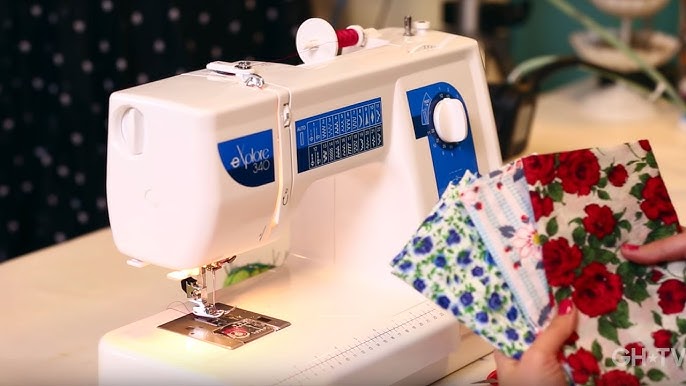
Image Source: i.ytimg.com
Why Learn to Sew?
Learning to sew offers many great benefits. It is a creative hobby. You can make gifts for friends and family. You can also fix your own clothes. Sewing saves money in the long run. No more paying for small repairs! It is also a good skill for problem-solving. Each project helps you learn more. Sewing can be very relaxing, too. It is a quiet time for you to focus and create.
Create Unique Items
You can make things that no one else has. Design your own clothes. Sew custom home decor. Make special gifts. Your style can shine through your sewing.
Save Money and Repair Clothes
Do your pants have a torn hem? Does a shirt need a new button? Sewing lets you fix these things yourself. You can also make new clothes. This costs less than buying them in stores.
Boost Your Creativity and Focus
Sewing is a craft. It lets your mind be creative. It also helps you focus. You must pay attention to details. This focus can lower stress. It is a calming activity.
Getting Started: The Essentials
Before you sew, you need some key items. Think of these as your starter kit. Having the right tools makes learning easier.
Picking Your First Sewing Machine
A good sewing machine for beginners is vital. You do not need a fancy one. Simple machines are best to start. Look for a machine that is easy to use. It should have basic stitches.
Key Features for Beginner Machines:
- Easy Controls: Look for simple dials and buttons.
- Basic Stitches: Straight stitch and zigzag stitch are enough.
- Speed Control: This lets you sew slowly. It helps prevent mistakes.
- Automatic Needle Threader: This feature saves time and effort.
- Top Drop-in Bobbin: This makes loading thread simple.
- Free Arm: Good for sewing cuffs and small circles.
Table: Popular Beginner Sewing Machine Brands
| Brand | Common Features for Beginners | Price Range (Approx.) |
|---|---|---|
| Brother | User-friendly, many basic models | $100 – $250 |
| Singer | Reliable, good for basic tasks | $100 – $300 |
| Janome | Smooth operation, durable | $150 – $400 |
| Bernette | Quality stitching, entry-level models | $200 – $500 |
Do not worry about too many features at first. A basic machine will serve you well. It will help you learn the ropes.
Essential Sewing Tools List
You will need more than just a machine. A good sewing tools list ensures you are ready. These tools help with cutting, measuring, and marking.
Must-Have Sewing Tools:
- Fabric Shears: Sharp scissors for fabric only. Do not use them on paper.
- Measuring Tape: For taking body or fabric measurements.
- Seam Ripper: Your best friend for fixing mistakes. It easily removes stitches.
- Pins: To hold fabric pieces together.
- Pin Cushion: To store your pins safely.
- Fabric Chalk or Marker: To draw lines on fabric. These marks wash away.
- Iron and Ironing Board: To press seams flat. This makes your sewing neat.
- Thread: All-purpose polyester thread is a good start. Match it to your fabric.
- Bobbins: Extra bobbins for your machine.
- Hand Sewing Needles: For small tasks, like closing openings.
Table: Basic Sewing Tools and Their Uses
| Tool | Main Use | Tip for Beginners |
|---|---|---|
| Fabric Shears | Cutting fabric cleanly | Keep them sharp and only use for fabric |
| Measuring Tape | Taking accurate measurements | Get a flexible one for curved areas |
| Seam Ripper | Taking out stitches | Learn to use it slowly to avoid fabric holes |
| Pins | Holding fabric pieces together | Use sharp, fine pins to avoid fabric damage |
| Fabric Marker | Marking lines on fabric | Test on a scrap piece first |
| Iron & Board | Pressing seams flat | Press as you sew for a professional look |
| All-Purpose Thread | Machine and hand sewing | Buy good quality thread to avoid breaks |
| Hand Needles | Finishing touches, small repairs | Have a few sizes for different fabric types |
Deciphering Fabric Types
Grasping understanding fabric types is key. Different fabrics behave in different ways. Some are easy to sew. Others are more tricky. For beginners, choose woven fabrics.
Easy Fabrics for Beginners:
- Cotton: Easy to cut, press, and sew. It does not slip. Great for pillow covers, tote bags, and simple clothing.
- Linen: Similar to cotton, but wrinkles more. Good for structured items.
- Flannel: Soft and warm. Easy to handle. Good for blankets or pajamas.
- Broadcloth: A simple, plain-weave cotton. Very stable.
- Canvas/Duck Cloth: Heavier cotton. Good for bags or home decor.
Fabrics to Avoid at First:
- Silks and Satins: Very slippery and hard to control.
- Knits (like jersey): Stretchy and can be tricky for straight seams.
- Sheers (like chiffon): Very delicate and can snag easily.
- Leather/Vinyl: Need special needles and machine settings.
Start with simple cotton fabrics. They will build your confidence. As you get better, try new types.
The ABCs of Sewing
Once you have your tools, it is time to learn the basics. These are the core skills you will use often.
Mastering Basic Sewing Stitches
Your sewing machine can make many basic sewing stitches. For beginners, you only need two: the straight stitch and the zigzag stitch.
- Straight Stitch: This is the most common stitch. It is used for joining fabric pieces. It forms a strong, straight line. You can change its length. A longer stitch is good for gathering fabric. A shorter stitch is stronger.
- Zigzag Stitch: This stitch moves side to side. It is good for finishing raw fabric edges. It stops them from fraying. It also works for sewing stretchy fabrics.
Table: Basic Stitches and Their Primary Uses
| Stitch Name | Appearance | Main Use | When to Use It |
|---|---|---|---|
| Straight Stitch | A line of even dots | Joining fabric, topstitching | Almost all sewing projects |
| Zigzag Stitch | A series of ‘Z’ shapes | Finishing raw edges, stretch seams | Hems, seam finishes, stretchy fabric |
Always test your stitches on a scrap of fabric first. This helps you get the right tension. It also helps you pick the right stitch length.
Common Sewing Techniques for Beginners
Beyond stitches, there are key sewing techniques for beginners. These are methods you will use in almost every project.
- Threading Your Machine: Learn how to put the thread through your machine. This includes the top thread and the bobbin thread. Your machine manual is very helpful here.
- Winding a Bobbin: The bobbin holds the bottom thread. You must wind it evenly.
- Changing Needles: Needles get dull. Learn how to change them safely. Use the right needle for your fabric type.
- Backstitching: At the start and end of a seam, sew a few stitches backward. Then sew forward. This locks your stitches. It stops them from coming undone.
- Sewing a Seam: Place two pieces of fabric right sides together. Sew along the edge. The distance from the edge is the “seam allowance.” Most patterns use a 5/8 inch or 1/2 inch seam allowance.
- Pressing Seams: After sewing a seam, press it flat with an iron. This makes your work look neat. You can press seams open or to one side.
- Hemming: Turning up the edge of fabric and sewing it down. This gives a neat finish.
Practice these techniques. They are the building blocks for more complex sewing.
A Quick Sewing Terms Glossary
Sewing has its own language. A sewing terms glossary will help you speak it. Here are some terms you will hear often:
- Right Sides Together (RST): The ‘pretty’ sides of the fabric are facing each other. This is how you sew most seams.
- Wrong Side: The ‘back’ or less pretty side of the fabric.
- Seam Allowance: The distance from the cut edge of the fabric to the stitching line.
- Grainline: The direction of the fabric threads. This affects how fabric drapes.
- Selvage: The finished edge of the fabric. It does not fray.
- Bias: The diagonal direction across the fabric. It has stretch.
- Pivot: To stop sewing, leave the needle down in the fabric, lift the presser foot, turn the fabric, then lower the presser foot and continue sewing. Used for corners.
- Presser Foot: The part of the machine that holds the fabric down.
- Feed Dogs: The teeth under the presser foot that move the fabric forward.
- Bobbin Case: Holds the bobbin in the machine.
Knowing these terms will make following patterns and tutorials much easier.
Your First Stitches: Beginner Projects
Now for the fun part: sewing! Starting with simple projects builds confidence. These beginner sewing projects are quick to finish. They teach you basic skills without being too hard.
Selecting Easy Sewing Patterns
Choosing easy sewing patterns is key to success. Look for patterns marked “beginner” or “easy.” These patterns often have straight lines. They use woven fabrics. They have few pieces.
Characteristics of Easy Patterns:
- Straight Lines: Less need for curves, which are harder to sew.
- Few Pattern Pieces: Simplifies cutting and assembly.
- Woven Fabric: Works best with cotton, linen, or flannel.
- Clear Instructions: Look for patterns with photos or diagrams.
You can find free patterns online. Many fabric stores also sell simple patterns.
Simple Beginner Sewing Projects
Let’s look at some specific projects. These are perfect for new sewers.
Project 1: Simple Pillow Cover
A pillow cover is a great first project. It is mostly straight lines.
What You Will Learn:
* Cutting fabric
* Sewing straight seams
* Finishing edges
* Creating an envelope closure
Materials:
* 1 yard of cotton fabric (for an 18×18 inch pillow)
* Matching thread
* Pillow insert (18×18 inches)
* Basic sewing tools
Steps:
1. Cut your fabric:
* One piece: 18.5 inches by 18.5 inches (for the front)
* Two pieces: 18.5 inches by 14 inches (for the back envelope flaps)
2. Hem the back pieces: On each 18.5 x 14 inch piece, take one 18.5 inch edge. Fold it over 1/2 inch, press, then fold another 1/2 inch and press. Stitch this hem down.
3. Assemble the back: Lay the front piece (18.5 x 18.5) right side up. Place one hemmed back piece right side down on top. Align the raw edges at the top. Place the second hemmed back piece right side down at the bottom. The hemmed edges will overlap in the middle. Pin all around the edges.
4. Sew the pillow: Sew around all four sides with a 1/2 inch seam allowance. Use a straight stitch. Remember to backstitch at the start and end.
5. Finish edges (optional but recommended): Use a zigzag stitch or a serger around the raw edges inside. This stops fraying.
6. Turn and press: Turn the pillow cover right side out. Push out the corners. Press the seams flat.
7. Insert pillow: Put your pillow insert inside.
Project 2: Basic Tote Bag
A tote bag teaches you how to create handles and a simple boxy shape.
What You Will Learn:
* Cutting and handling fabric
* Creating strong seams
* Making straps
* Sewing a boxed bottom (optional, but good to try)
Materials:
* 1 yard of sturdy cotton canvas or duck cloth
* Matching thread
* Basic sewing tools
Steps:
1. Cut fabric:
* Two pieces: 15 inches by 17 inches (for bag body)
* Two pieces: 3 inches by 20 inches (for handles)
2. Make the handles:
* Take one handle piece (3×20 inches). Fold it in half lengthwise (1.5×20 inches), wrong sides together, and press.
* Open it. Fold each long raw edge into the center crease and press.
* Fold it in half again along the original crease. Press well.
* Topstitch down both long edges of the handle, close to the edge. Repeat for the second handle.
3. Attach handles to bag body:
* Take one 15×17 inch bag body piece. Lay it right side up.
* Place a handle 3 inches in from each side edge, on the 15-inch width. The ends of the handle should line up with the top raw edge of the fabric.
* Pin the handles in place. Stitch them securely to the bag body with a small box or ‘X’ stitch. Repeat for the other bag body piece and handle.
4. Sew the bag:
* Place the two bag body pieces right sides together. Pin along the sides and bottom edge. Leave the top open.
* Sew along the pinned edges with a 1/2 inch seam allowance. Backstitch at the start and end.
* Finish the raw edges with a zigzag stitch.
5. Box the corners (optional):
* At each bottom corner, match the side seam to the bottom seam. This creates a triangle.
* Measure 1.5 inches from the point of the triangle and draw a line across. Stitch along this line.
* Trim the excess fabric from the corner. This creates a flat bottom for your bag.
6. Hem the top:
* Fold the top raw edge of the bag down 1/2 inch and press.
* Fold down another 1.5 inches and press.
* Stitch this hem down all around the top of the bag.
7. Turn and finish: Turn your tote bag right side out. Press it well.
Project 3: Simple Scrunchie/Elastic Hair Tie
This is a very quick project. It is great for using up small fabric scraps.
What You Will Learn:
* Sewing a tube
* Working with elastic
* Closing an opening
Materials:
* Fabric scrap: 4 inches by 20 inches (cotton or satin works well)
* Elastic: 1/4 inch wide, 8 inches long
* Safety pin
* Matching thread
* Basic sewing tools
Steps:
1. Cut fabric: Cut one piece 4 inches wide and 20 inches long.
2. Fold and sew: Fold the fabric strip in half lengthwise, right sides together. Pin the long raw edges. Sew along this edge with a 1/4 inch seam allowance. This creates a tube.
3. Turn the tube: Attach a safety pin to one end of the tube. Push the safety pin through the tube to turn it right side out. This can be a bit fiddly but is fun to learn.
4. Insert elastic: Attach the safety pin to one end of the elastic. Thread the elastic through the fabric tube. Be careful not to lose the other end of the elastic inside the tube! Pin it to the outside of one end.
5. Join elastic: Once the elastic is all the way through, overlap the two ends of the elastic by about 1/2 inch. Sew them together securely (zigzag stitch works well).
6. Close the scrunchie: The fabric tube now forms a circle around the elastic. Tuck one raw end of the fabric tube into the other raw end. Pin them neatly. Hand stitch or machine stitch this small opening closed.
These projects build skills. They give you something useful at the end. That is a great feeling!
Learning Resources
You do not have to learn alone. Many resources can help you.
Finding Beginner-Friendly Sewing Tutorials
The internet is full of beginner friendly sewing tutorials. YouTube is a goldmine. Blogs also offer step-by-step guides.
Where to Look:
- YouTube: Search for “sewing for beginners” or “easy sewing projects.” Many channels offer clear video guides.
- Sewing Blogs: Many craft bloggers share free patterns and tutorials. Look for those with good photos.
- Pinterest: A great place to find visual ideas and links to tutorials.
- Craftsy/Bluprint: A platform with many video classes (some free, some paid).
When choosing a tutorial, check reviews. Make sure the instructions are clear and easy to follow.
Exploring Online Sewing Classes
For structured learning, online sewing classes are an excellent choice. They offer lessons in order. You can learn at your own pace.
Benefits of Online Classes:
- Structured Learning: Lessons build on each other.
- Expert Teachers: Learn from experienced sewers.
- Flexibility: Learn anytime, anywhere.
- Community: Many platforms have forums to ask questions.
Popular Online Platforms for Sewing Classes:
- Skillshare: Offers a wide range of creative classes, including sewing.
- Domestika: High-quality video courses from global creators.
- Craftsy: Focuses specifically on crafting, with many sewing courses.
- Creativebug: Offers daily art and craft videos.
Some classes are free. Others require a monthly fee or a one-time payment. Start with a free trial if possible. This helps you find a teacher you like.
Local Workshops and Communities
Learning in person can also be very helpful. Check out:
- Local Fabric Stores: Many stores offer beginner sewing classes.
- Community Centers: They often have affordable craft workshops.
- Sewing Groups/Guilds: Join a local group. You can learn from others. They can offer support and tips.
Common Hurdles & How to Overcome Them
Every sewer faces challenges. Do not get discouraged! It is part of the learning process.
Troubleshooting Your Machine
Your machine might act up. Here are common issues:
- Thread Breaking: Check if your machine is threaded correctly. Is the needle bent? Is the tension too high?
- Skipped Stitches: Often caused by a dull or wrong needle. Change your needle!
- Bunches of Thread (Bird’s Nest): This usually means the top thread is not in the tension disks right. Or the bobbin is not put in properly. Re-thread both the top and bottom.
- Stitches Not Forming: Check your bobbin thread. Is it empty? Is it threaded correctly?
Always read your machine’s manual. It has specific troubleshooting tips.
Fixing Common Mistakes
- Wobbly Seams: Practice sewing straight lines on scrap fabric. Use the seam allowance guide on your machine.
- Crooked Cuts: Use sharp fabric shears. Cut slowly and carefully. Use a ruler and fabric marker.
- Unraveling Seams: Make sure to backstitch at the start and end of seams. Finish raw edges with a zigzag stitch.
- Too Tight/Loose Stitches: Adjust your machine’s tension settings. Test on a scrap first.
A seam ripper is your friend. Do not be afraid to unpick and redo seams. It is how you learn to be accurate.
Staying Motivated
Learning something new takes time. You will have good days and bad days.
- Start Simple: Do not jump into hard projects. This can lead to frustration.
- Celebrate Small Wins: Finish a pillow? Great job! Acknowledging progress keeps you going.
- Take Breaks: If you get frustrated, step away. Come back with fresh eyes.
- Join a Community: Share your work online or in person. Get feedback and encouragement.
- Watch Tutorials: Seeing how others sew can inspire you.
Remember, every expert was once a beginner.
Taking the Next Step
Once you feel comfortable with the basics, you can try more.
Intermediate Projects
- Pajama Pants: Teaches you about simple garment construction.
- Simple Skirts: Good for learning waistbands and zippers.
- Quilting: Learning to piece together fabric squares.
- Home Decor Items: Curtains, placemats, or cushion covers.
Advanced Techniques
- Zippers and Buttons: Learn how to add these closures.
- Buttonholes: Your machine likely has a buttonhole setting.
- Gathering and Ruffles: Creating fullness in fabric.
- Working with Different Fabrics: Try knits, silks, or faux leather.
- Pattern Adjustments: Learning to change patterns to fit you better.
The world of sewing is vast. There is always something new to learn.
Frequently Asked Questions (FAQ)
Q1: How long does it take to learn basic sewing?
A1: You can learn basic sewing stitches and simple techniques in a few hours. To feel comfortable, plan for a few weeks of regular practice. Most people can sew simple beginner sewing projects within a month or two.
Q2: Is a cheap sewing machine good enough for beginners?
A2: Yes, a cheaper, basic sewing machine for beginners is often best. You do not need many features. Focus on ease of use and good reviews. You can always upgrade later if you get serious.
Q3: What’s the very first project I should try?
A3: A simple straight-line project is best. A fabric coaster, a small placemat, or a basic pillowcase (envelope style) are excellent choices. These help you practice sewing straight lines.
Q4: Do I need to buy patterns, or can I find free ones?
A4: You can find many easy sewing patterns and beginner friendly sewing tutorials for free online. Websites like Pinterest, YouTube, and many sewing blogs offer great resources. Some companies also offer free patterns to download.
Q5: How do I know which needle to use for my fabric?
A5: Needles are chosen by fabric type and weight. Universal needles are good for many woven fabrics. Ballpoint or jersey needles are for knit fabrics. Denim needles are for thick fabrics. Your machine manual often has a needle guide. Always use a new, sharp needle.
Q6: What’s the most common mistake beginners make?
A6: Forgetting to backstitch at the start and end of a seam is common. This makes seams unravel. Also, not pressing seams as you go is a common oversight. Pressing makes a big difference in how neat your finished project looks.
Learning to sew is a wonderful journey. It takes practice, but it is very rewarding. Start simple, be patient, and enjoy the process of creating with your own hands. Happy sewing!