
Can you loosen an elastic waistband without sewing? Yes, absolutely! This guide will show you easy, no-sew hacks to make your pants more comfortable if the waistband is too tight.
We’ve all been there. You find the perfect pair of pants – the right color, the perfect fabric, a flattering fit everywhere else. But then, the dreaded waistband. It’s just a little too tight. Maybe you’ve gained a few pounds, or perhaps the pants shrunk in the wash. Whatever the reason, a snug waistband can turn your favorite pants into an uncomfortable prison. Before you stash them away in the back of your closet, thinking you’ll never wear them again, take heart! There are several simple, no-sew methods to loosen that elastic waistband and reclaim your comfort. This blog post is your ultimate guide to making your pants fit better without ever picking up a needle and thread.
We’ll explore various techniques, from quick fixes you can do in minutes to slightly more involved (but still no-sew!) solutions. Whether you’re dealing with jeans, sweatpants, skirts, or any other garment with an elastic waistband, these methods are designed to be accessible to everyone. Get ready to learn how to loosen that elastic waistband without sewing and enjoy your clothes again!
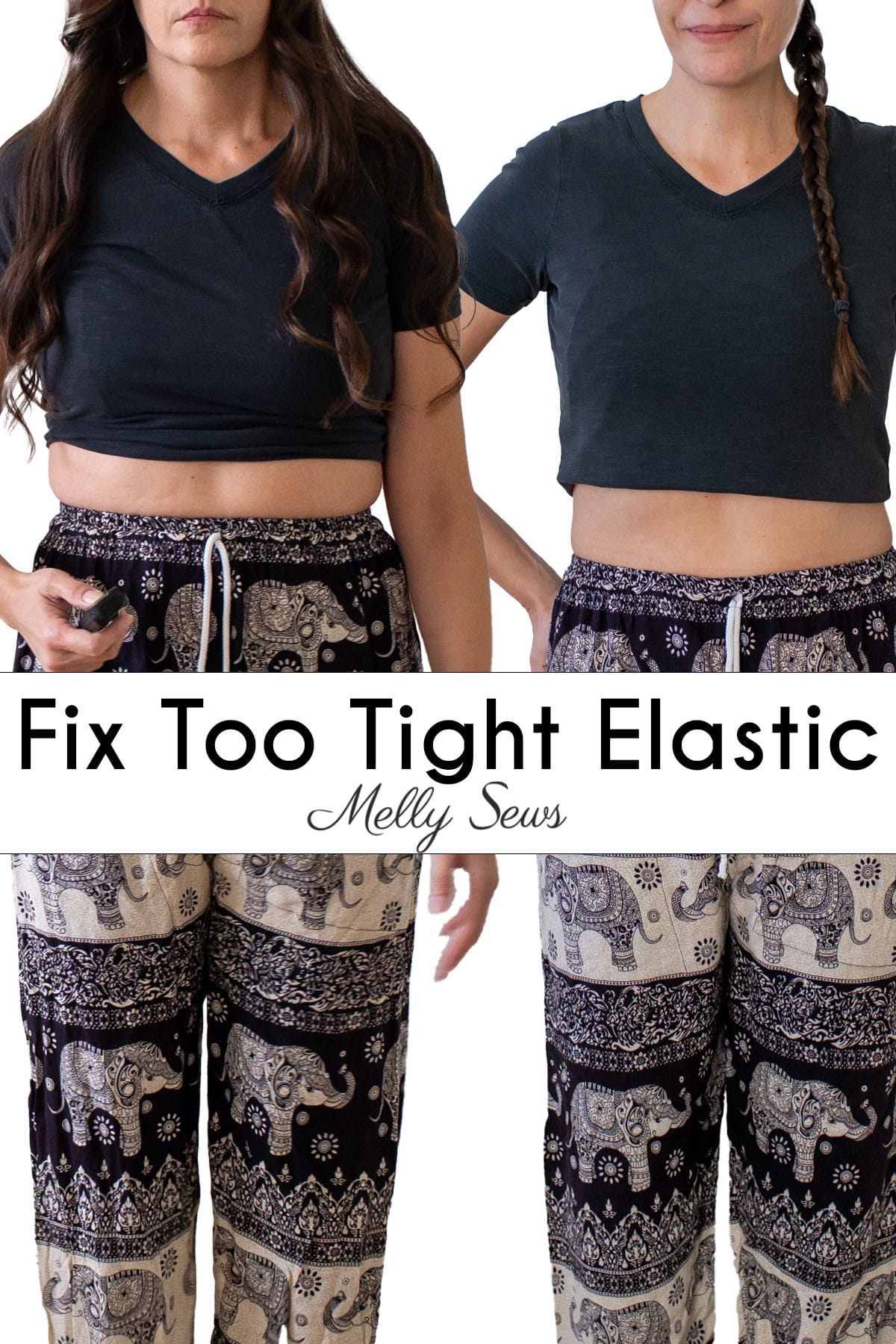
Image Source: mellysews.com
Why Your Waistband Might Be Too Tight
Several factors can contribute to an elastic waistband feeling constricting:
- Weight Fluctuations: The most common reason is a slight change in body weight. Even a few extra pounds can make a previously comfortable waistband feel tight.
- Washing and Drying: High heat in a dryer can shrink elastic fabric, making it less stretchy and more constricting.
- Manufacturing Differences: Sometimes, the elastic used in a garment might be stronger or less forgiving than expected, even if it’s the correct size.
- Body Shape Changes: Even without weight gain, your body shape might change over time, affecting how certain waistbands fit.
- Pregnancy or Postpartum Changes: These periods often involve significant body adjustments, making pre-pregnancy clothing a tight squeeze.
The Magic of No-Sew Waistband Adjustments
The beauty of these no-sew hacks lies in their simplicity and accessibility. You don’t need any special skills or tools. Most of these methods use common household items to gently stretch or modify the elastic. The goal is to increase the circumference of the waistband, providing a more comfortable fit.
The Quickest Fixes: Instant Comfort
When you need relief now, these methods are your best friends. They’re perfect for immediate comfort and require minimal effort.
The Button & Loop Trick
This is a classic stretchy pants hack that works wonders, especially on pants with a slightly looser waistband casing.
What you’ll need:
- A button (a shirt button works well)
- A sturdy rubber band or hair tie
How to do it:
- Locate the Elastic: Feel for the elastic inside your waistband. You want to work on the side seam where the elastic is likely stitched to the fabric.
- Create a Loop: Take your rubber band or hair tie and loop it through the buttonhole of your pants (the one the actual button on your pants fastens to).
- Stretch and Secure: Gently stretch the rubber band or hair tie towards the side of your pants and hook it around the button on the other side of the waistband.
- Adjust: You can adjust the tension by using a longer or shorter rubber band, or by repositioning how you hook it.
This effectively creates a small, temporary no sew waist extender. It adds about an inch or two of give. It’s a discreet way to increase waist size pants for a day.
The Hair Tie Method (for specific waistbands)
This is another super-fast hack, particularly effective for pants with a thinner, more flexible waistband casing, like many leggings or casual trousers.
What you’ll need:
- A strong hair tie or thin rubber band
How to do it:
- Find the Side Seam: Locate the side seam of your pants, usually where the front and back panels of the waistband are joined.
- Thread the Tie: Carefully thread the hair tie through the fabric casing of the waistband, starting from the side seam. Guide it along the casing until it comes out the other side of the same seam. You’re essentially doubling up the elastic by running the hair tie alongside it within the casing.
- Secure: Tie a knot in the hair tie to secure it. You might need to experiment with how much you feed through to get the desired looseness.
This method helps adjust elastic pants by adding extra, gentle stretch. It’s a fantastic DIY waistband stretch for immediate comfort.
Gentle Stretching Techniques
If you have a little more time and want a slightly more permanent solution, gentle stretching can make a difference.
The Towel Stretch Method
This is a great way to widen elastic waistband fabric gradually and gently.
What you’ll need:
- A thick towel or a few smaller towels
- A dry, flat surface
How to do it:
- Prepare the Towel: Lay the thick towel flat on your floor or a large table. If using smaller towels, stack them to create a padded surface.
- Place the Pants: Lay your pants flat on top of the towel, with the waistband positioned over the thickest part.
- Stretch and Hold: Gently grasp both sides of the waistband. Pull outwards, stretching the elastic. Hold this stretch for about 10-15 seconds.
- Reposition and Repeat: Shift the pants slightly so a new section of the waistband is over the towel. Repeat the stretching process. Continue this around the entire waistband.
- Be Patient: Do this several times. The goal is to gradually stretch the elastic, not to rip it.
This method is excellent for achieving a DIY waistband stretch without damaging the fabric. It’s a reliable way to tackle pants too tight waistband issues.
The Hanger Stretch Method
Similar to the towel stretch, this uses tension to help loosen the elastic.
What you’ll need:
- A sturdy clothes hanger (plastic or wood is best)
- A flat, stable surface (like a bed or carpeted floor)
How to do it:
- Lay Pants Flat: Place your pants flat on the surface, waistband facing up.
- Insert Hanger: Slide the hanger into the waistband, positioning it in the center.
- Stretch Outwards: Grasp the sides of the waistband and pull them outwards, stretching the elastic. As you pull, gently push the hanger towards the center of the waistband. This creates resistance.
- Hold the Tension: Hold this stretched position for about 15-20 seconds.
- Move and Repeat: Carefully remove the hanger, reposition it slightly, and repeat the stretching process. Work your way around the entire waistband.
This is a simple yet effective way to adjust elastic pants and is great for those who want to increase waist size pants incrementally.
Advanced (But Still No-Sew!) Techniques
These methods involve a bit more manipulation but still avoid needles and thread, offering more substantial loosening.
The Seam Ripper (or Small Scissors) Method: Accessing the Elastic
This is one of the most effective no sew waist extender techniques, as it allows direct manipulation of the elastic itself. It requires a bit more care.
What you’ll need:
- A seam ripper or very small, sharp scissors
- A safety pin or sturdy bobby pin
- A ruler or measuring tape (optional)
How to do it:
- Locate the Casing Seam: Find the seam where the fabric casing holding the elastic is stitched to the main body of the pants. This is usually along the inside of the waistband.
- Carefully Cut: Using your seam ripper or tiny scissors, make a small opening (about 1-2 inches) in this seam. Be very careful not to cut the elastic inside, or any other stitching. You just want to create an access point.
- Find the Elastic End: Reach through the opening with your fingers or a safety pin. You want to find one end of the elastic band.
- Thread the Safety Pin: Attach a safety pin securely to the end of the elastic band.
- Guide the Elastic: Carefully feed the safety pin (and the attached elastic) through the fabric casing until it emerges from the opening you made.
- Measure and Cut (Optional): Once you have the end of the elastic, you can decide if you want to shorten it. If so, lay the elastic flat and measure how much you need to remove to achieve your desired fit. Cut the elastic to the new length.
- Overlap and Secure: Overlap the cut ends of the elastic by about 1 inch. Use a strong safety pin or fabric glue (if you have it and are willing to wait for it to dry) to secure them together. For a truly no-sew approach, a very strong safety pin is your best bet. Make sure the pin is closed securely.
- Hide the Opening: Push the elastic back into the casing so the opening you made is hidden. You can use a few stitches of safety pin on the inside to keep the opening closed or tuck it neatly.
This method allows you to directly widen elastic waistband by shortening the elastic itself. It’s a highly effective way to adjust elastic pants for a custom fit. This is a prime example of elastic waist loosening you can do at home.
The “Elastic Release” Method (for specific waistband styles)
Some pants, especially older styles or certain types of casual wear, have elastic that is only stitched at the side seams. If yours do, this is a very simple method.
What you’ll need:
- A seam ripper or small, sharp scissors
How to do it:
- Identify the Stitching: Examine the inside of your waistband. Look for where the elastic is secured to the fabric casing. In some pants, it’s only stitched at the left and right side seams.
- Carefully Unpick: Using your seam ripper, carefully unpick the stitches that hold the elastic to the fabric at one of the side seams. Do not remove the elastic itself. Just release it from the seam.
- Stretch: Once the elastic is freed from one side seam, you’ll feel it naturally relax and become looser.
- Test the Fit: Try the pants on. If it’s still too tight, you can carefully unpick the stitching at the other side seam as well.
- Secure (Optional but Recommended): If you’ve released the elastic from both sides and find it comfortably loose, you might want to secure it loosely at the front and back center seams with a small safety pin on the inside. This prevents the elastic from rolling around too much.
This is a fantastic way to increase waist size pants if your garment allows for it, offering immediate elastic waist loosening. It’s a clever DIY waistband stretch.
Making Pants Bigger: A Comprehensive Look
When your pants too tight waistband is a persistent problem, you might need to consider how to truly make pants bigger beyond just loosening the elastic. While these no-sew methods focus on the waistband, sometimes the overall fit needs attention.
Expanding Beyond the Waistband (No-Sew Considerations)
While most no-sew hacks focus on the waistband, here are some ideas to consider if the problem is more widespread:
- Strategic Stretching: For fabrics that are naturally stretchy (like cotton blends or knits), the stretching methods mentioned earlier can sometimes yield a slightly larger overall fit, especially if done consistently.
- Fabric Softeners: Some fabric softeners can slightly relax fibers, which might offer a minuscule amount of extra give. However, this is a very subtle effect.
- Wearing and Moving: Simply wearing the pants around the house and engaging in activities that naturally stretch the fabric can, over time, help them mold to your body a little better. This is especially true for denim or heavier cottons.
It’s important to note that truly how to make pants bigger in areas like the hips or thighs generally requires sewing or tailoring. However, for the waistband specifically, these no-sew hacks are incredibly effective.
Tips for Comfortable Waistbands
Maintaining comfortable waistbands is key to enjoying your wardrobe. Here are some comfortable waistband tips:
- Choose Wisely: When buying new pants, pay close attention to the waistband. Feel the elastic. Does it feel too stiff or restrictive? Opt for garments with good quality, flexible elastic.
- Gentle Washing: Always wash elasticized garments in cool water and tumble dry on low heat or air dry. High heat is the enemy of elastic.
- Avoid Overstuffing Pockets: Heavy items in your pockets can put extra strain on the waistband.
- Rotate Your Wardrobe: Don’t wear the same pair of pants every day. Allowing them to rest can help the elastic recover its shape.
- Be Mindful of Shrinkage: Pre-wash new garments, especially if they are cotton, to account for any potential shrinkage before you commit to wearing them regularly.
Troubleshooting Common Issues
- Elastic Snaps: If the elastic snaps when you’re trying to stretch it, you’ve pulled too hard. You’ll need to use the seam ripper method to replace or repair the elastic.
- Fabric Tears: Be gentle when using seam rippers or scissors. Work slowly and deliberately to avoid tearing the fabric casing.
- Uncomfortable Bulky Seams: If you use a safety pin to secure the elastic ends or the casing opening, make sure it lies flat against the fabric on the inside so it doesn’t show or feel uncomfortable when worn.
- Elastic Rolls: If the elastic rolls inside the casing after loosening, it might be because it’s now too loose within the casing. You can try securing the elastic to the casing at the front and back center seams with a few discreet stitches (or even a small safety pin on the inside) to keep it in place.
Frequently Asked Questions (FAQ)
Q1: Will these methods damage my pants?
A: If done carefully, these no-sew methods are unlikely to damage your pants. The key is to be gentle and work slowly, especially when using sharp tools like seam rippers. The stretching methods should be done gradually.
Q2: How much can I realistically loosen a waistband?
A: You can typically loosen a waistband by 1-3 inches, depending on the original size of the garment and the method used. The seam ripper method, where you shorten the elastic, offers the most control over the amount of loosening.
Q3: Can I use these hacks on jeans?
A: Yes, you can use these hacks on jeans, particularly those with elastic inserts or a comfortable stretch denim. For rigid denim jeans, the stretching methods might offer some give, but the seam ripper method to adjust the internal elastic is more effective.
Q4: What if the elastic is sewn directly to the fabric, not in a casing?
A: If the elastic is sewn directly to the fabric without a casing, these methods might not be as effective. In such cases, a needle and thread are usually required to adjust the elastic. However, many garments designed for comfort do feature a fabric casing.
Q5: Are these fixes permanent?
A: The stretching methods offer a temporary stretch that may relax over time. The methods involving manipulating or shortening the elastic itself (like the seam ripper method) are more permanent fixes.
Q6: What if I don’t have a seam ripper?
A: You can use very small, sharp scissors, like embroidery scissors or cuticle scissors. Just be extremely careful not to cut the fabric or the elastic. A sharp craft knife held very carefully can also work in a pinch, but exercise extreme caution.
Q7: Can I make the waistband tighter if I accidentally loosen it too much?
A: If you’ve used the seam ripper method and accidentally made it too loose, you can try re-overlapping the elastic ends slightly differently when securing them, or you can use a stronger safety pin to hold the original overlap more securely. If you’ve significantly cut the elastic, you may need to replace it or accept a looser fit.
Conclusion: Enjoy Your Perfectly Fitting Pants!
Dealing with a waistband that’s just a bit too snug doesn’t have to be a fashion emergency. With these easy, no-sew hacks, you can quickly and effectively loosen that elastic waistband and enjoy a more comfortable fit in your favorite pants. Whether you need an instant fix with a hair tie or a more involved adjustment with a seam ripper, there’s a solution for everyone. Embrace these simple techniques and say goodbye to waistband discomfort, all without reaching for a needle and thread! Your wardrobe, and your waistline, will thank you.