
What is an embroidery patch? It is a piece of fabric with designs stitched onto it using thread. You can then attach this patch to clothes, bags, or hats. Can you make an embroidery patch yourself? Yes, absolutely! Making your own custom embroidery patches is a fun and creative project. You can create unique designs that show off your style or help promote a group or business. This guide will walk you through how to make them right at home.
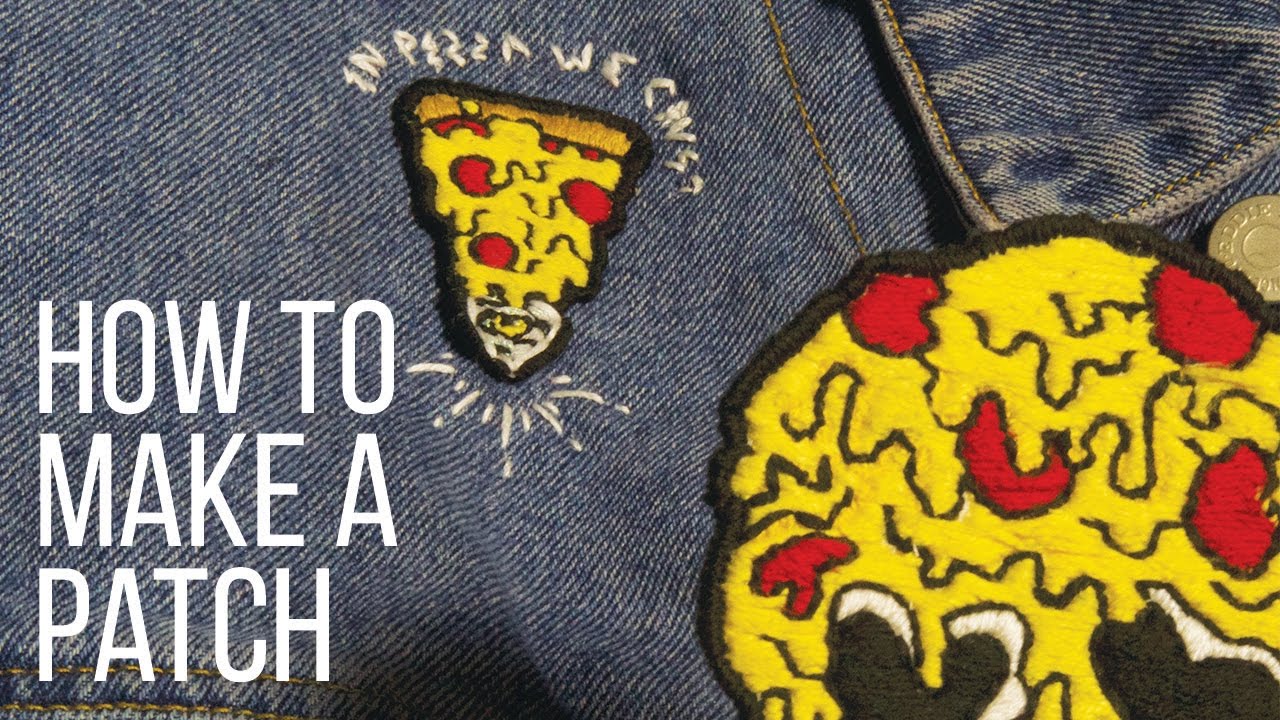
Image Source: i.ytimg.com
Why Make Your Own Patches?
Making patches is very rewarding. It lets you create things just how you want them.
- Make it Yours: You get truly custom embroidery patches. Design anything you like.
- Be Creative: It is a great way to use your art skills. You can make patches for friends, family, or yourself.
- Save Money: Buying custom patches can cost a lot. Making them at home is often much cheaper.
- Learn a Skill: You get to learn about embroidery and patch making. This is a useful skill to have.
Making patches by hand or machine is a great hobby. You can make applique patches too. These use pieces of fabric sewn onto a base.
Gathering Your Patch Making Supplies
Before you start, you need the right tools and materials. Think of these as your patch making supplies kit. Having everything ready makes the process easier.
- Fabric for the Patch Base: You need a sturdy fabric. Felt, twill, or duck cloth work well. They do not stretch much.
- Embroidery Thread: You will need good quality embroidery thread. It comes in many colors. Choose colors that match your design. Polyester or rayon threads are strong and colorful.
- Embroidery Stabilizer: This is a very important supply. Embroidery stabilizer goes behind your fabric. It holds the fabric still while you stitch. This stops the fabric from puckering. There are different kinds. Some wash away, some tear away, and some stay put. Choose one based on your project.
- Embroidery Patch Backing: How will you attach the patch? You need embroidery patch backing. Common types are iron-on adhesive, sew-on fabric, or hook-and-loop (Velcro).
- Needles: If sewing by hand, use embroidery needles. They have a larger eye for the thread. If using a machine, make sure you have the right needle for your fabric.
- Embroidery Hoop: This is a must for hand embroidery. It keeps the fabric tight. This helps your stitches stay even.
- Scissors: You need sharp scissors. Small detail scissors are good for cutting around the patch neatly. Fabric scissors are good for cutting your base fabric.
- Design Tools: Paper, pencil, fabric marker, or transfer paper.
- Iron and Pressing Cloth: Needed if you use iron-on backing.
- Sewing Machine (Optional): A sewing machine for patches can finish edges fast. You can also use a sewing machine for patches to do applique. An embroidery patch machine makes detailed designs fast.
Comparing Stabilizer Types
Choosing the right embroidery stabilizer is key. It supports your stitching.
| Stabilizer Type | How it Works | Best For |
|---|---|---|
| Cut Away | Stays with the fabric; cut away the extra. | Sturdy fabrics, dense designs. Gives good support. |
| Tear Away | Tears away easily after stitching. | Stable fabrics, lighter designs. |
| Wash Away | Dissolves in water after stitching. | Delicate fabrics, projects needing no backing. |
| Heat Away | Melts away with heat. | Fabrics that cannot get wet. |
Most patch making uses cut away or tear away stabilizer. They give good support for dense stitches.
Thread Talk: Picking the Right Threads
Embroidery thread comes in many types.
- Rayon: Very shiny, bright colors. Smooth to work with.
- Polyester: Strong, good shine, colors last well. Resists bleaching.
- Cotton: Matte finish, classic look. Can break more easily.
For patches, strong threads like polyester or rayon are popular. They look good and last long. You will need enough thread for your design.
Designing Your Patch Art
Now for the fun part: the design! What do you want your patch to look like?
You can draw your own design. You can trace a picture. Or you can use a design you find online.
Consider the size of your patch. Small details are hard on tiny patches. Simple shapes and clear lines work best for beginners.
If you use an embroidery patch machine, you need a digital design file. This means digitizing embroidery designs. This is the process of turning art into stitch commands for the machine. Special software is used for digitizing embroidery designs. It tells the machine where to stitch, what color thread to use, and what stitch type to make.
If you do not have digitizing software, you can buy ready-made designs. Many websites sell embroidery design files.
For hand embroidery, a simple drawing on paper is enough.
Thinking About Applique Patches
Applique patches add another layer. You cut shapes from fabric. Then you sew these shapes onto your base fabric. You then stitch details on top. This is good for large areas of color. Applique patches use less thread than fully embroidered ones. You can use a sewing machine for patches to sew down the applique pieces quickly before doing the embroidery details.
Making Your Patch: Step-by-Step Guide
There are two main ways to make an embroidery patch: by hand or with a machine. Both need similar steps but the stitching part is different.
Method 1: Hand Embroidering Your Patch
This method takes more time but gives you full control. It is great for unique, artistic patches.
h4 Preparing Your Fabric and Hoop
- Cut Your Fabric: Cut a piece of your base fabric. Make it bigger than your planned patch size. It needs to fit in your embroidery hoop.
- Prepare Stabilizer: Cut a piece of embroidery stabilizer slightly bigger than your hoop.
- Place Fabric in Hoop: Put the base fabric in the hoop. Make it tight like a drum. The front of the fabric should face you.
- Add Stabilizer: Place the stabilizer behind the fabric in the hoop. Make sure it is smooth. The hoop holds both layers together.
h4 Transferring the Design
Get your design onto the fabric.
- Use a Pen: Draw directly on the fabric with a fabric marker. Make sure it is one that washes away or disappears.
- Use Transfer Paper: Draw your design on transfer paper. Place it on the fabric and trace over it. The design will move to the fabric.
- Light Box: If your fabric is thin, put the design under the fabric. Use a light source below to see it. Trace the design onto the fabric.
h4 Stitching the Design
Now you start embroidering.
- Thread Your Needle: Put embroidery thread through the eye of your needle. Start with a length you can handle. About 18 inches is good.
- Start Stitching: Begin stitching along your design lines. Use different stitches for different effects.
- Outline: Use a back stitch or stem stitch.
- Filling Areas: Use satin stitch for smooth fills. Or use a long and short stitch.
- Details: French knots or seed stitches work for small dots.
- Keep Tension Even: Try to pull the thread with the same force each time. This makes stitches look neat. The stabilizer helps a lot here.
- Change Colors: Finish stitching an area with one color. Tie off the thread on the back. Start with a new color.
h4 Finishing the Stitches
Once all stitching is done:
- Check the Back: Make sure threads are tied off well. Trim any long tails.
- Remove Hoop: Take the fabric out of the embroidery hoop.
- Remove Stabilizer: If using tear-away, gently tear it away. If using wash-away, soak the patch area in water. Let it dry. If using cut-away, trim it neatly around the design area on the back.
Method 2: Machine Embroidering Your Patch
Using an embroidery patch machine is much faster. It is great for making many patches or complex designs.
h4 Preparing Your Machine and Fabric
- Choose Your Design: Make sure you have the digital design file (digitizing embroidery designs). Load it onto your embroidery patch machine.
- Prepare Fabric: Cut your base fabric. It needs to be larger than the design area.
- Add Stabilizer: Put embroidery stabilizer under your fabric. It should be larger than your hoop area. You might use spray adhesive to hold the fabric and stabilizer together smoothly.
- Hoop the Fabric: Put the fabric and stabilizer into the embroidery hoop that matches your machine. Make sure it is tight and smooth. The stabilizer is on the bottom.
h4 Loading and Starting the Design
- Attach Hoop: Put the hooped fabric onto the embroidery patch machine.
- Load Thread: Thread the machine with the first color of embroidery thread needed for your design.
- Start Stitching: Follow your machine’s steps to start the embroidery. The machine will stitch the design by itself. It will stop when it needs a color change.
h4 Managing Color Changes and Progress
- Change Thread: When the machine stops, change the embroidery thread to the next color shown in your design steps.
- Trim Jumps: The machine might make small stitches between areas of color (jump stitches). Trim these threads neatly as you go or at the end.
- Keep Watching: Stay near the machine while it stitches. Make sure the thread does not break. Check that the fabric stays flat.
h4 After the Machine Finishes
- Remove Hoop: Take the hoop off the embroidery patch machine.
- Remove Fabric: Take the fabric out of the hoop.
- Remove Stabilizer: Remove the embroidery stabilizer. Cut-away stabilizer needs careful trimming near the stitches on the back. Tear-away is torn away. Wash-away is soaked.
Method 3: Using a Sewing Machine for Patches
While an embroidery machine is best for the design itself, a standard sewing machine for patches can be used for finishing.
- Applique: Use your sewing machine to sew down applique fabric pieces onto your base. A zigzag stitch is common for this.
- Edge Finishing: After the main embroidery is done, you can use a sewing machine for patches to add a satin stitch border around the design. This creates a clean, raised edge like many store-bought patches.
Adding the Embroidery Patch Backing
How will your patch stick to things? This is where embroidery patch backing comes in. The type of backing affects how you attach the patch.
h4 Different Types of Backing
- Sew-On: This is the simplest. You just leave extra fabric around the design or add a piece of fabric as backing. You sew the patch onto clothes by hand or with a sewing machine for patches. This is very secure.
- Iron-On: This backing has glue that melts when heated. You iron the patch onto fabric. It is fast and easy for many items.
- Velcro (Hook and Loop): One side of Velcro is sewn onto the patch backing. The other side is sewn onto the item you want to put the patch on. This lets you easily remove and swap patches.
h4 Iron On Patch Tutorial: Adding Heat-Seal Backing
Adding iron-on embroidery patch backing lets you iron your patch onto clothing.
- Get Iron-On Adhesive: Buy iron-on patch backing material. It usually looks like a sheet with paper on one side.
- Cut the Backing: Place your finished patch (design facing up) on the paper side of the iron-on sheet. Trace the outline of your patch. Cut the iron-on material slightly inside the line you drew. You want it to be a little smaller than the patch itself.
- Attach Backing to Patch: Place the cut iron-on piece on the back of your patch. The glue side should be against the patch fabric. The paper side faces up.
- Heat Set the Glue: Use an iron on medium heat (no steam). Place a pressing cloth over the paper side of the iron-on backing. Press the iron down for about 10-15 seconds. Lift and repeat until the whole backing is heated. The glue is now stuck to the patch. Let it cool completely. Do not remove the paper yet!
- Trim Excess: Carefully trim the base fabric and any extra stabilizer from around your design. Cut just outside your stitch line or border.
- Finish the Edge (Optional but Recommended): To make the edge neat and strong, you can add a border stitch.
- Hand Sewn Edge: Use a whip stitch or blanket stitch around the edge.
- Machine Sewn Edge: Use a dense zigzag stitch (called a satin stitch) around the edge with your sewing machine for patches. This covers the raw edge of the fabric base and the backing.
Now your patch has iron-on backing attached. To use it, you peel off the paper and iron the patch onto your item.
Finishing Your DIY Patch
After stitching and adding backing, you need to finish the edges. This makes your patch look professional and stops it from falling apart.
h4 Trimming the Patch
- Cut Close: Use sharp scissors to cut around your finished embroidery design. Cut just outside the stitching line. Be careful not to cut any stitches. If you added backing, cut the backing layer and fabric layer at the same time.
h4 Sealing the Edge
This is important to keep the edge from fraying.
- Satin Stitch Border: The best way is to sew a border stitch. A dense zigzag stitch (satin stitch) works well. Use a sewing machine for patches set to a tight, wide zigzag. Stitch all around the edge you just cut. This covers the raw edge completely.
- Fray Check: You can use a liquid product called Fray Check. Put a little on the cut edge. It dries clear and stiffens the edge. This helps stop fraying. It is not as durable or good looking as a satin stitch edge.
- Hand Stitched Border: A hand whip stitch or blanket stitch can also finish the edge nicely.
Tips for Making Great Patches
- Practice: Your first patch might not be perfect. Keep trying!
- Use Good Supplies: Quality embroidery thread, stabilizer, and fabric make a big difference.
- Test Stitches: If using a machine, stitch a test design on a scrap of your fabric and stabilizer first.
- Cleanliness: Keep your workspace clean. Wash your hands so you do not stain the fabric.
- Ironing: Iron your fabric before you start. This helps prevent wrinkles.
- Safety: Be careful with needles and scissors.
- Trouble Spot: Puckering happens when the fabric gets wrinkled during stitching. This is usually because the stabilizer is not strong enough or the fabric is not hooped tightly enough. Use stronger stabilizer or re-hoop the fabric.
Learning About Different Styles
You can make many types of patches.
- Full Embroidery: The whole patch surface is covered in stitches. This uses a lot of embroidery thread.
- Applique Patches: Uses fabric pieces for large areas, with embroidery details added. Uses less thread for the background areas. Can make colorful patches faster.
- Printed Patches: Not embroidery, but sometimes confused. Designs are printed on fabric.
- Chenille Patches: Fuzzy patches often seen on letterman jackets. This uses a special machine process.
This guide focuses on embroidered and applique patches using hand or machine embroidery techniques.
Beyond Simple Shapes
Once you are good at making basic patches, try more complex things.
- Layering: Use layers of fabric for interesting effects in applique patches.
- Mixing Stitches: Combine different embroidery stitches for texture.
- Metallic Thread: Add sparkle with special embroidery thread.
- 3D Puff: Use puff foam under stitches for a raised look (needs specific machine and technique).
Using an embroidery patch machine opens up complex designs easily. Digitizing embroidery designs lets you create almost anything.
Comparing Hand vs. Machine Patch Making
| Feature | Hand Embroidery | Machine Embroidery (Embroidery Patch Machine) |
|---|---|---|
| Speed | Slow | Very fast |
| Cost | Low (basic supplies) | High (machine, software for digitizing embroidery designs) |
| Control | High control over each stitch | Machine does the work; need design file |
| Complexity | Simple designs easier; complex hard | Complex designs easy; need good digitizing |
| Skill Needed | Learning various stitches | Learning machine operation and digitizing |
| Quantity | Best for single, unique patches | Great for making many patches |
| Required Supplies | Needle, hoop, thread, stabilizer | Machine, thread, stabilizer, design files |
Both methods let you make great custom embroidery patches. Choose the one that fits your budget, skill level, and what you want to make.
Frequently Asked Questions (FAQ)
h4 Can I use any fabric for the patch base?
No, not just any fabric. Choose a sturdy fabric that does not stretch easily. Twill, canvas, or felt work well. Thin or stretchy fabrics need strong embroidery stabilizer.
h4 What kind of embroidery thread is best?
Polyester or rayon embroidery thread is often best for patches. They are strong, colorful, and resist fading. Cotton thread is also an option for a matte look.
h4 Do I have to use embroidery stabilizer?
Yes! Using embroidery stabilizer is very important. It supports the fabric and stitches. It prevents puckering and makes your patch look much better.
h4 How do I make an iron on patch stick well?
Make sure you use quality iron-on embroidery patch backing. Apply enough heat and pressure when ironing it onto your item. Follow the backing product’s instructions. For best hold, iron from the back of the item too. Sewing it on around the edges after ironing makes it even more secure.
h4 Can I make patches with a regular sewing machine?
You can make applique patches using a regular sewing machine for patches. You can also use it to finish the edges of embroidered patches with a satin stitch. However, you cannot do detailed, filled embroidery designs with a standard sewing machine; you need an embroidery patch machine for that.
h4 What is digitizing embroidery designs?
Digitizing embroidery designs is the process of converting an image or artwork into a special file format that an embroidery patch machine can read. This file tells the machine exactly where to place stitches, what colors to use, and what stitch type to make. It is done with special software.
h4 Where can I find patch making supplies?
You can find patch making supplies at fabric stores, craft stores, and online retailers. Look for base fabric, embroidery thread, embroidery stabilizer, and embroidery patch backing. If using a machine, you will need machine-specific supplies and likely access to digitizing embroidery designs.
h4 How do I finish the edge of the patch so it doesn’t fray?
The best way is to sew a satin stitch border around the edge using a sewing machine for patches or a hand embroidery stitch. You can also use a liquid sealant like Fray Check, but a stitched edge is more durable and looks better.
Ready to Create
Making your own embroidery patch is a rewarding project. With simple steps, the right patch making supplies, and a little practice, you can create unique pieces. Whether you choose hand embroidery or use an embroidery patch machine, the process is fun. You can design custom embroidery patches for yourself or others. Get your embroidery thread, stabilizer, and backing ready. Start stitching today!