
Yes, you can easily operate a Singer sewing machine with this guide! This comprehensive resource will walk you through the essential steps for using your Singer sewing machine, from threading it to completing your first project. We’ll cover common Singer sewing machine models, essential Singer sewing machine parts, how to select the right Singer sewing machine needles and Singer sewing machine thread, and the importance of regular Singer sewing machine maintenance.
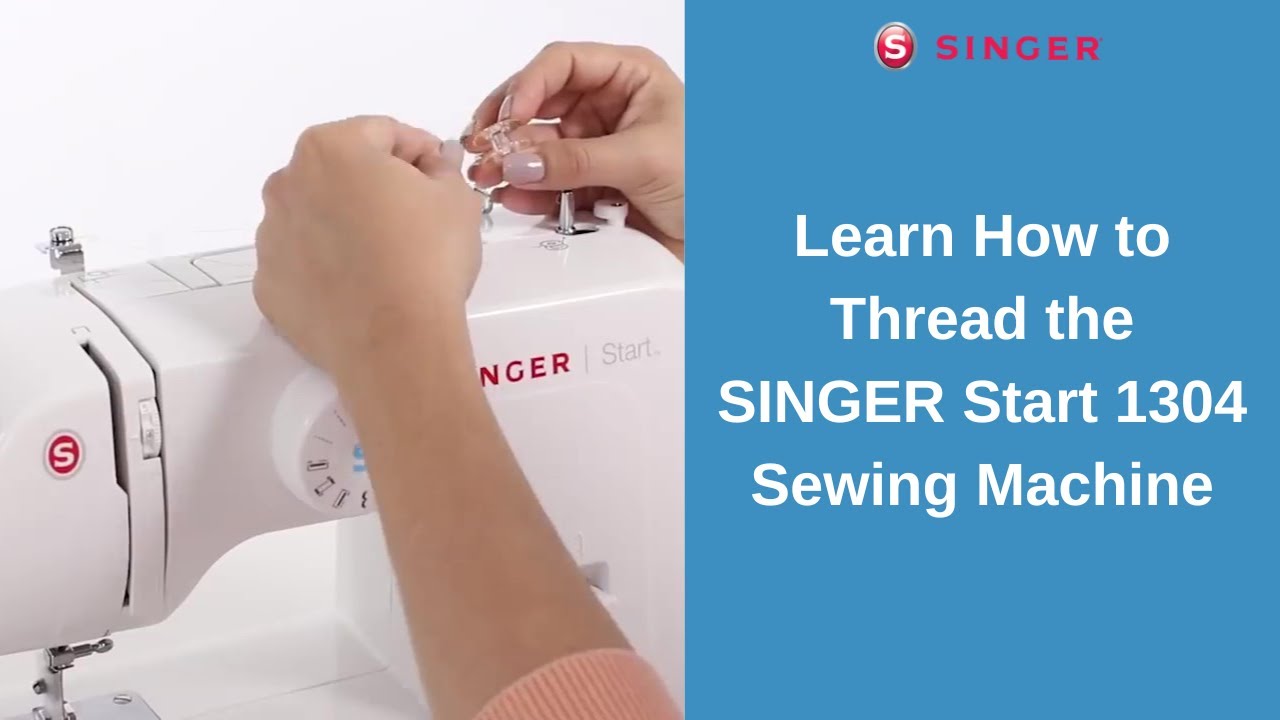
Image Source: i.ytimg.com
Getting Started with Your Singer Sewing Machine
So, you’ve got a shiny new Singer sewing machine, or perhaps an older trusty model, and you’re eager to start creating. That’s fantastic! Singer has been a household name in sewing for generations, known for its reliable and user-friendly machines. Whether you’re a complete beginner or looking to refresh your skills, this guide will help you get acquainted with your machine and stitch with confidence.
What Comes in the Box?
When you unbox your Singer sewing machine, you’ll typically find several essential accessories. It’s good to familiarize yourself with these items before you begin:
- The Sewing Machine: Your main tool!
- Power Cord and Foot Pedal: These connect the machine to electricity and allow you to control the speed.
- Assorted Needles: Different needles are for different fabrics.
- Bobbins: These hold the lower thread.
- All-Purpose Presser Foot: Usually attached to the machine and suitable for most everyday sewing.
- Seam Ripper: A handy tool for undoing stitches.
- Brushes and Screwdrivers: For cleaning and minor adjustments.
- Owner’s Manual: Crucial! This is your personal Singer sewing machine manual.
Your First Steps: Setting Up
Before you can sew a single stitch, a few setup steps are necessary.
1. Placement and Power
- Find a Stable Surface: Place your Singer sewing machine on a flat, sturdy table or desk. Avoid wobbly surfaces.
- Connect the Power: Plug the power cord into the machine and then into a wall outlet.
- Connect the Foot Pedal: Plug the foot pedal into the designated port on the machine.
2. Familiarize Yourself with the Machine’s Anatomy
Every Singer sewing machine has key components. Knowing their names helps when you refer to your Singer sewing machine manual or need troubleshooting.
Key Singer Sewing Machine Parts
| Part Name | Function |
|---|---|
| Handwheel | Manually moves the needle up and down. Always turn it towards you. |
| Power Switch | Turns the machine on and off. |
| Thread Spool Pin | Holds the spool of Singer sewing machine thread. |
| Thread Guides | Direct the thread smoothly from the spool to the needle. |
| Tension Discs | Control how tightly the thread is pulled. |
| Needle Clamp Screw | Secures the Singer sewing machine needle in the needle bar. |
| Needle Bar | Holds the needle. |
| Presser Foot | Holds the fabric against the feed dogs. |
| Presser Foot Lever | Raises and lowers the presser foot. |
| Feed Dogs | Serrated metal teeth that move the fabric under the needle. |
| Bobbin Winder | Winds thread onto the bobbin. |
| Stitch Selector Dial | Choose your desired Singer sewing machine stitches. |
| Stitch Length Dial | Adjusts the length of each stitch. |
| Stitch Width Dial | Adjusts the width of zigzag stitches. |
| Reverse Lever/Button | Stitches backward to secure seams. |
| Light | Illuminates your sewing area. |
3. Installing the Needle
The Singer sewing machine needle is a critical component. Using the correct needle for your fabric type is essential for good stitch quality and to prevent skipped stitches or fabric damage.
- Unscrew the Needle Clamp Screw: Use a screwdriver (usually included) to loosen the screw that holds the needle.
- Remove Old Needle: Pull the old needle straight down and out.
- Insert New Needle: Take a new Singer sewing machine needle. The flat side of the needle’s shank should face away from you (towards the back of the machine). Push the needle up as far as it will go into the needle clamp.
- Tighten the Screw: Securely tighten the needle clamp screw with your screwdriver.
Choosing the Right Singer Sewing Machine Needle
| Fabric Type | Needle Type | Size (Examples) |
|---|---|---|
| Lightweight Cotton | Universal | 80/12 |
| Denim/Jeans | Denim/Jeans | 90/14, 100/16 |
| Knits/Jersey | Ballpoint/Jersey | 70/10, 80/12 |
| Leather | Leather | 90/14, 100/16 |
| Silk/Fine Fabrics | Microtex/Sharp | 60/8, 70/10 |
4. Winding the Bobbin
The bobbin provides the thread for the underside of your stitch. Winding a bobbin correctly is key to successful sewing.
- Place Thread Spool: Put a spool of Singer sewing machine thread on the spool pin.
- Thread the Bobbin Winder: Follow the numbered guides on your machine for bobbin winding. Typically, you’ll loop the thread through a tension disc specifically for bobbin winding.
- Insert Bobbin: Place an empty Singer sewing machine bobbin onto the bobbin winder spindle. Push the spindle to the right (or follow your machine’s specific mechanism) to engage the winder.
- Start Winding: Hold the thread tail and gently press the foot pedal. Let the bobbin wind a few times to secure the thread, then snip the tail close to the spool.
- Stop Winding: Stop winding when the bobbin is full or when the thread automatically stops winding. Many machines have an automatic stop mechanism.
- Cut Thread and Release: Cut the thread, push the bobbin winder spindle back to its original position, and remove the full bobbin.
5. Inserting the Bobbin
How you insert the bobbin depends on whether your machine has a top-loading or front-loading bobbin case.
Top-Loading Bobbin Case (Most Modern Singers)
- Remove Bobbin Cover: Lift off the clear plastic cover.
- Place Bobbin: Drop the bobbin into the bobbin case. The thread should unwind from the bobbin in a counter-clockwise direction.
- Follow the Thread Path: Guide the thread through the tension slit in the bobbin case. You’ll see a small notch or channel to pull the thread through.
- Replace Bobbin Cover: Put the cover back on.
Front-Loading Bobbin Case (Older Models)
- Remove Bobbin Case: Slide out the bobbin case assembly.
- Insert Bobbin: Place the bobbin into the case, ensuring the thread unwinds clockwise.
- Thread the Case: Guide the thread through the small slit in the bobbin case.
- Reinsert Bobbin Case: Slide the bobbin case back into its housing until it clicks into place.
6. Threading the Machine
This is often the trickiest part for beginners, but with practice, it becomes second nature. Always ensure the presser foot is up when threading to release the tension discs.
- Spool Pin: Place your spool of Singer sewing machine thread on the spool pin.
- Thread Guides: Bring the thread up and through the first thread guide.
- Tension Discs: Bring the thread down and loop it between the tension discs. Make sure the thread is seated correctly in the groove.
- Take-Up Lever: Guide the thread up and through the eye of the take-up lever. This is a crucial step!
- Lower Thread Guides: Continue threading down through any lower thread guides.
- Needle Clamp Area: Bring the thread down towards the needle.
- Thread the Needle: Guide the thread from left to right through the eye of the Singer sewing machine needle. Some machines have a built-in needle threader, which is a great time-saver!
- Pull Thread Under Presser Foot: Pull about 4-6 inches of thread towards the back, under the presser foot.
7. Bringing Up the Bobbin Thread
Now you need to bring the bobbin thread up to meet the needle thread.
- Hold the Needle Thread: With one hand, hold the tail of the thread coming from the needle.
- Turn the Handwheel: With your other hand, turn the handwheel towards you (counter-clockwise) one full revolution. The needle will go down and then come back up, catching the bobbin thread.
- Pull Up the Loop: Gently pull the needle thread to draw a loop of bobbin thread up through the needle plate.
- Pull Out the Bobbin Thread: Use your fingers or a seam ripper to pull the loop of bobbin thread completely through, so you have both thread tails coming up from under the presser foot.
- Place Threads: Lay both thread tails towards the back of the machine, under the presser foot.
Mastering Basic Stitching Techniques
With your machine threaded and ready, it’s time to sew!
Selecting Singer Sewing Machine Stitches
Your Singer sewing machine offers various Singer sewing machine stitches for different purposes. For beginners, the straight stitch is your most important.
- Straight Stitch: Used for seams, hemming, and general construction.
- Zigzag Stitch: Useful for finishing raw edges, decorative purposes, and sewing stretch fabrics.
- Other Stitches: Many Singer sewing machine models include buttonhole stitches, decorative stitches, and more. Consult your Singer sewing machine manual for specific stitch functions.
How to Select a Stitch
- Stitch Selector Dial: Locate the dial or buttons that control stitch selection.
- Choose Your Stitch: Turn the dial or press the buttons to select the desired stitch (e.g., straight stitch, usually marked with a straight line).
- Adjust Stitch Length: Use the stitch length dial to set the length of your stitches. For most seams, a length of 2.0-2.5mm is standard. Shorter stitches are good for reinforcing, and longer stitches for gathering.
Setting the Tension
Proper tension is crucial for a balanced stitch. The thread from the needle and the thread from the bobbin should interlock evenly between the two layers of fabric.
- Check Your Tension: Sew a test seam on a scrap of your fabric.
- Too Loose (Top Thread Loopy): If the top thread looks loopy or the bobbin thread is showing on top, increase the upper tension (turn the tension dial to a higher number, e.g., 5 or 6).
- Too Tight (Bottom Thread Loopy): If the bobbin thread looks loopy or the needle thread is breaking, decrease the upper tension (turn the tension dial to a lower number, e.g., 2 or 3).
- Bobbin Tension: The bobbin tension is usually pre-set and rarely needs adjustment on most Singer sewing machines. If you suspect a bobbin tension issue, refer to your Singer sewing machine manual.
Sewing Your First Seam
- Position Fabric: Place your fabric under the presser foot, aligning the edge with your desired seam allowance marking on the needle plate.
- Lower Presser Foot: Lower the presser foot using the presser foot lever. This secures the fabric.
- Backstitch (Optional but Recommended): To secure your seam at the beginning, press the reverse lever/button and sew a few stitches backward.
- Sew Forward: Gently press the foot pedal to start sewing. Keep your fabric steady, guiding it with your hands. Don’t push or pull the fabric; let the feed dogs do the work.
- Backstitch at the End: When you reach the end of your seam, use the reverse lever/button again to sew a few stitches backward to reinforce the seam.
- Lift Presser Foot: Raise the presser foot.
- Cut Threads: Use the thread cutter on your machine, or scissors, to cut the thread tails.
Advanced Techniques and Maintenance
Once you’re comfortable with basic sewing, you can explore more. Regular Singer sewing machine maintenance will keep your machine running smoothly.
Using Different Singer Sewing Machine Stitches
- Zigzag Stitch: Use this to finish raw edges to prevent fraying. Select the zigzag stitch and adjust the width and length as needed for your fabric.
- Buttonholes: Most Singer sewing machines have a way to sew buttonholes. Follow the specific instructions in your Singer sewing machine manual for your model, as this often involves using a specific buttonhole foot and a four-step or one-step buttonhole process.
- Decorative Stitches: Experiment with the various decorative stitches your machine offers for embellishing projects.
Caring for Your Singer Sewing Machine
Consistent Singer sewing machine maintenance is vital for longevity and performance.
Regular Cleaning
- Dust Removal: After each sewing session, use a soft brush to remove lint and thread pieces from the needle plate, feed dogs, and bobbin area.
- Bobbin Area Cleaning: Remove the needle plate and bobbin case to thoroughly clean any accumulated lint.
Oiling
- Refer to Manual: Your Singer sewing machine manual will indicate which parts require oiling and how often.
- Use Machine Oil: Only use sewing machine oil, not household lubricants. Apply a tiny drop to the specified points.
- Wipe Excess: Wipe away any excess oil.
Needle and Bobbin Checks
- Singer Sewing Machine Needles: Change your Singer sewing machine needles regularly. A dull or bent needle can cause skipped stitches, fabric damage, and thread breakage. Change them every 8-10 hours of sewing or every few projects.
- Singer Sewing Machine Bobbins: Ensure your bobbins are wound evenly and are the correct type for your machine. Damaged bobbins can cause thread jams.
General Inspection
- Check for Loose Screws: Occasionally, check that all accessible screws are tight.
- Clean Vents: Ensure ventilation slots are clear of dust and fabric fibers.
Singer Sewing Machine Troubleshooting Common Issues
Even with the best maintenance, you might encounter problems. Here’s how to tackle common Singer sewing machine troubleshooting.
| Problem | Possible Cause | Solution |
|---|---|---|
| Skipped Stitches | Incorrect needle type or size; Needle is bent or dull; Needle inserted incorrectly; Threading error; Top tension too loose. | Use the correct Singer sewing machine needle for your fabric; Replace needle; Re-thread machine correctly; Check bobbin insertion; Adjust tension. |
| Thread Breaking (Upper) | Needle is bent or dull; Threading error (especially take-up lever); Tension discs are dirty or too tight; Needle inserted incorrectly. | Replace needle; Re-thread machine carefully; Clean tension discs, loosen upper tension; Ensure needle is fully inserted with flat side to the back. |
| Thread Breaking (Bobbin) | Bobbin wound unevenly; Bobbin inserted incorrectly; Bobbin case lint build-up; Bobbin tension too tight. | Rewind bobbin neatly; Check bobbin insertion direction; Clean bobbin case area; Loosen bobbin tension (rarely needed, consult manual if necessary). |
| Fabric Puckering | Top tension too tight; Needle is too large for fabric; Stitch length too short. | Loosen upper tension; Use a smaller Singer sewing machine needle; Increase stitch length. |
| Jamming/Bird Nesting | Threading error; Bobbin inserted incorrectly; Lint build-up in bobbin area; Presser foot not lowered. | Re-thread the entire machine, including the bobbin; Ensure correct bobbin insertion; Clean bobbin area thoroughly; Lower the presser foot before sewing. |
| Machine Not Moving | Power cord not plugged in; Foot pedal not connected; Handwheel locked (on some models); Motor issue. | Check all power connections; Ensure foot pedal is plugged in; Check if handwheel is disengaged from bobbin winder; Contact service if persistent. |
When to Seek Professional Help
If you’ve tried the troubleshooting steps and your Singer sewing machine is still not working correctly, it might be time to take it to a qualified sewing machine repair technician. Attempting complex repairs yourself can sometimes cause more damage.
Exploring Different Singer Sewing Machine Models
Singer offers a wide range of Singer sewing machine models, from basic mechanical machines perfect for Singer sewing machine beginners to advanced computerized models with hundreds of Singer sewing machine stitches and features.
- Mechanical Machines: These are straightforward, reliable, and often ideal for learning the basics. They rely on dials and levers for stitch selection and adjustments.
- Electronic Machines: Offer more features than mechanical models, often with digital displays and a wider selection of stitches.
- Computerized Machines: These are the most advanced, with built-in computers that control stitch patterns, stitch length and width, and often include automatic needle threaders, thread cutters, and memory functions.
No matter which Singer sewing machine model you have, the fundamental principles of threading, bobbin winding, and basic operation remain similar. Always refer to your specific Singer sewing machine manual for detailed instructions tailored to your machine.
Conclusion
Operating a Singer sewing machine is an achievable and rewarding skill. By familiarizing yourself with your machine’s parts, following proper threading and bobbin winding procedures, and practicing basic sewing techniques, you’ll be well on your way to creating beautiful projects. Remember that your Singer sewing machine manual is your best friend, and regular Singer sewing machine maintenance will ensure your machine serves you for years to come. Happy sewing!
Frequently Asked Questions (FAQ)
What is the best Singer sewing machine for beginners?
Singer offers several excellent options for Singer sewing machine beginners. The Singer Tradition, Singer Simple, and Singer Merritt lines are often recommended. These models are generally mechanical, easy to thread, and have straightforward controls, making them ideal for learning the basics. Always check recent reviews and compare features based on your intended projects.
How often should I change my Singer sewing machine needle?
It’s recommended to change your Singer sewing machine needle after approximately 8-10 hours of sewing time, or after completing 2-3 medium-sized projects. Needles can become dull or bent without you visually noticing, which can lead to skipped stitches, fabric damage, and thread breakage. It’s better to change them sooner rather than later.
My Singer sewing machine thread keeps breaking. What should I do?
Thread breakage can be caused by several factors. First, ensure you are using the correct Singer sewing machine needle for your fabric and that it’s not dull or bent. Re-thread the entire machine, paying special attention to the take-up lever. Check that the thread is seated correctly in the tension discs. If the upper thread is breaking, the tension might be too tight; try lowering it. If the bobbin thread is breaking, ensure the bobbin is wound evenly and inserted correctly. Cleaning lint from the bobbin area is also crucial.
Can I use any brand of thread or bobbins with my Singer sewing machine?
While you can often use generic Singer sewing machine thread, it’s best to use good quality thread. The quality of the thread significantly impacts stitch quality. For Singer sewing machine bobbins, it’s highly recommended to use bobbins specifically designed for your Singer sewing machine model or type. Using incorrect bobbins can cause tension issues and even damage your machine. Always check your Singer sewing machine manual for specific bobbin recommendations.
What are the most important Singer sewing machine parts to keep clean?
The most critical Singer sewing machine parts to keep clean are the feed dogs (where fabric moves) and the bobbin area. Lint and dust accumulate here and can cause skipped stitches, thread jams, and general poor performance. Regularly brushing out this area after each sewing session will make a big difference. Also, clean the tension discs if you notice tension issues.