
Yes, you can often fix many common sewing machine problems yourself! Sewing machines are helpful tools, but sometimes they stop working right. Things like broken thread, stitches that don’t look good, or strange noises can happen. Don’t worry, many of these issues have simple fixes you can do at home. This guide will show you basic steps to find and fix problems so you can get back to sewing quickly.
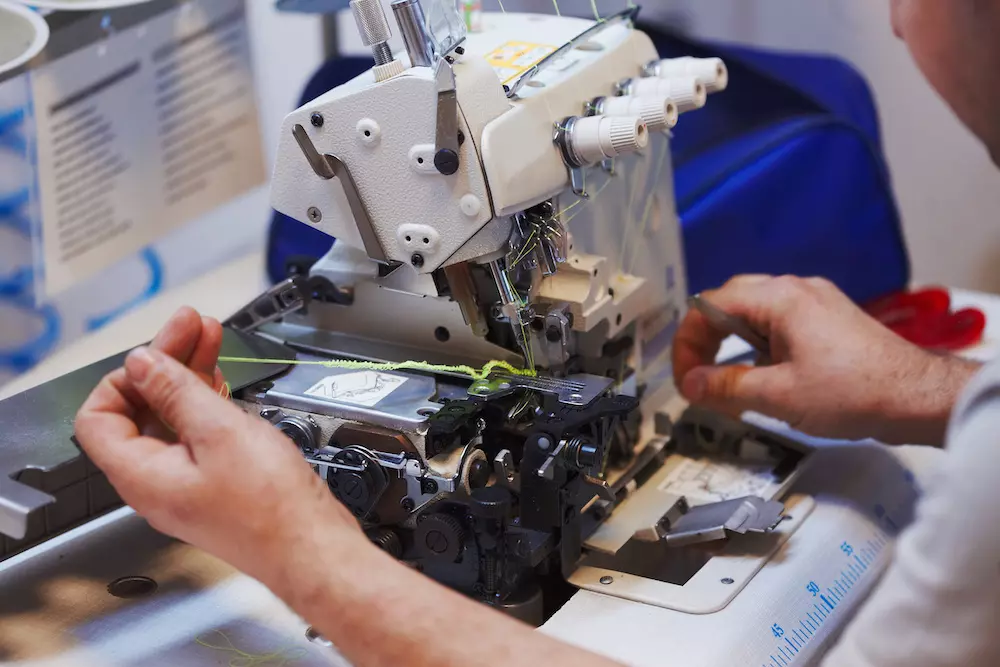
Image Source: www.goldstartool.com
Why Machines Can Stop Working Well
Even good sewing machines can have little troubles. They have many moving parts, and those parts need care. Dust, lint, old oil, or even just using the wrong settings can cause problems. Thinking about why a machine acts up helps you find the right fix. Often, it’s not a big broken part, but something simple like a thread issue or a dirty spot.
First Things to Do Before You Start
Before you try any repairs, do these important things:
- Turn the machine off: Always turn off the power and unplug the machine. This is very important for safety.
- Clear the area: Take away any fabric, thread, or tools around the needle and foot.
- Check your manual: Look at the book that came with your machine. It has specific steps for your model. It can show you where parts are and how they should look.
Your Sewing Machine Maintenance Guide
Keeping your machine clean and oiled is the best way to stop problems before they start. A good sewing machine maintenance guide helps your machine run smoothly and last longer.
Cleaning Your Machine
Dust and lint from fabric and thread get everywhere inside your machine. This buildup is a main reason for many problems.
Cleaning Sewing Machine Bobbin Area
The bobbin area gets very dirty. Thread fuzz gathers here and can stop the machine from sewing right.
- Open it up: Take out the bobbobbin case and the bobbin. If your machine has a drop-in bobbin, lift out the bobbin and the plastic cover.
- Use a brush: Your machine likely came with a small brush. Use it to brush away all the lint and dust you can see. Get into the small spaces.
- Try tweezers: Sometimes lint is packed in tight. Use tweezers to gently pull out stubborn bits.
- Use canned air (carefully): Some people use canned air. Be careful, as it can push lint deeper into the machine. If you use it, use short puffs and aim away from the inside parts if possible, to blow dust out.
- Wipe clean: After brushing, you can gently wipe the area with a soft cloth. Do not use water or cleaning liquids unless your manual says it’s okay for a specific part.
Other Places to Clean
- Under the needle plate: Remove the needle plate (you might need a small screwdriver). Clean under it where the feed dogs are. Lint collects here too.
- Around the needle bar: Lint can gather around the part the needle connects to. Brush this area.
- Machine surface: Wipe down the outside of your machine to keep dust away.
Oiling Your Machine
Moving metal parts need oil to slide smoothly. Check your manual to see if and where your machine needs oil. Not all new machines need oiling from the user, but many do.
- Use the right oil: Only use special sewing machine oil. Other oils can gum up the machine.
- Put drops in the right spots: Your manual will show tiny dots or pictures where oil goes. Put just one drop in each spot. Do not use too much.
- Run the machine: After oiling, run the machine without thread or fabric for a minute. This helps the oil spread. Put a scrap piece of fabric under the foot as you do this, in case any extra oil drips out.
Key Sewing Machine Repair Tools
You don’t need many special tools for basic sewing machine repair tools. Here are some helpful things to have:
- Small screwdrivers: For removing the needle plate or other covers. Machines often come with one.
- Lint brush: Usually included with the machine. Good for dusting.
- Tweezers: Helpful for pulling out tangled thread or lint.
- Needle inserter/threader: Can make changing needles easier.
- Small oil can: If your machine needs oiling, use a can with a fine tip for control.
- Clean cloths: For wiping dust and old oil.
- Small scissors or thread snips: For cutting away tangled thread.
- Your machine manual: The most important tool!
Here is a simple list of tools:
| Tool | Use | Notes |
|---|---|---|
| Small Screwdrivers | Open covers, change needle plate | Match size to screws |
| Lint Brush | Remove dust and fuzz | Usually comes with machine |
| Tweezers | Grab tight lint or thread | Pointed tip is good |
| Needle Inserter | Hold and put in new needles | Not always needed, but helps |
| Sewing Machine Oil | Oil moving metal parts | MUST be sewing machine oil |
| Clean Soft Cloths | Wipe parts clean | Old t-shirts work well |
| Small Scissors | Cut away tangled thread | Sharp points are useful |
| Machine Manual | Shows parts, oil points, fixes | Keep it safe! |
Tackling Common Sewing Machine Issues
Let’s look at some common sewing machine issues and how to fix them. Many problems have simple answers.
Needle Problems
The needle is the part that does the main work. If it’s not right, your sewing will have problems.
Replacing Sewing Machine Needle
A bent, dull, or wrong needle is a very common cause of trouble, like skipped stitches or breaking thread. Always start here if you have stitch problems.
- Get the right needle: Needles come in different types (for woven fabric, knit fabric, denim, leather) and sizes (thick for heavy fabric, thin for light fabric). Use the right one for your fabric. Check your manual for suggested types and sizes.
- Lower the foot: Lower the presser foot. This helps you see the needle area better and protects the needle plate if you drop the needle.
- Loosen the screw: Use a small screwdriver (or the one with your machine) to loosen the screw that holds the needle in place. The needle will drop out.
- Take out the old needle: Grab the old needle and pull it straight down and out.
- Put in the new needle: Sewing machine needles are not round all the way around. One side is flat. This flat side MUST face the back of the machine on most home machines. Check your manual to be sure for your specific model.
- Push it up high: Hold the new needle with the flat side facing the back. Push it up into the needle clamp as high as it will go. It must be pushed up all the way.
- Tighten the screw: Hold the needle in place and tighten the screw firmly. Don’t overtighten.
- Double check: Give the needle a gentle pull down. It should stay firmly in place.
It’s a good idea to put in a new needle at the start of each big project or after many hours of sewing (like 8-10 hours).
Thread Problems
Thread issues are super common.
Thread Breaks Often
- Check the needle: Is it new? Is it the right type and size for your fabric and thread? A bad needle is the top reason for thread breaking. Replace sewing machine needle if needed.
- Check the thread: Is the thread old or cheap? Old thread can be weak. Bad quality thread breaks easily. Use good quality thread.
- Is the machine threaded right? Take all the thread out (top and bobbin). Rethread the entire machine carefully. Make sure the presser foot is UP when you thread the top thread. This opens the tension discs.
- Is tension too tight? We will talk about tension more below, but very tight top tension can break thread.
- Are there sharp spots? Feel along the path the thread takes from the spool to the needle. Are there any rough spots, nicks, or sharp edges on guides or the needle plate? These can cut the thread.
- Is the bobbin wound right? The bobbin thread should be wound smoothly and evenly. If it’s lumpy or too tight/loose, it can cause problems. Rewind the bobbin.
Thread Gathers Under the Fabric (Bird’s Nest)
This mess of tangled thread on the underside of your fabric is usually a top threading issue.
- Check threading: Is the machine threaded correctly? Is the presser foot UP when you thread the top thread? This is critical. Rethread completely.
- Top tension: Is the top tension too loose? If the top thread doesn’t have enough tension, it won’t pull the bobbin thread up right, and the extra thread makes a mess underneath. We’ll cover fixing tension soon.
- Bobbin loaded right? Is the bobbin put into the bobbin case or holder the correct way? Check your manual. The thread needs to feed off the bobbin in a certain direction.
- Clean the bobbin area: Lint and thread bits in the bobbin area can mess up how the bobbin thread comes out. See the steps for cleaning sewing machine bobbin area.
Stitch Problems
Stitches should look neat and even on both sides of the fabric. If they don’t, something is wrong.
Skipped Stitches Sewing Machine Repair
This means the machine makes some stitches, but then leaves gaps where other stitches should be.
- Check the needle: This is the MOST common reason for skipped stitches. Is the needle bent, dull, or old? Is it the right type for the fabric (especially knit fabrics need a ballpoint or stretch needle)? Is it put in all the way up and facing the correct direction (flat side usually back)? Replace sewing machine needle first!
- Check the thread: Is the thread right for the needle size? (Thick thread needs a larger needle).
- Check threading: Is the machine threaded perfectly? Rethread it.
- Check bobbin: Is the bobbin inserted correctly? Is the thread coming off the bobbin smoothly?
- Is the fabric being pushed/pulled? Do not push or pull the fabric hard as you sew. Let the machine feed it. Pushing/pulling can bend the needle slightly as it goes into the fabric, causing it to miss the bobbin thread loop.
- Clean the machine: Lint buildup, especially in the bobbin area or around the feed dogs, can affect stitch formation. Cleaning sewing machine bobbin area and under the needle plate can help.
Uneven Stitches or Loops
If stitches look loose, tight, or form loops on the top or bottom of the fabric, it’s usually a tension problem.
- Fixing Sewing Machine Tension: Tension controls how tight the top thread and bobbin thread are pulled. They need to be balanced so the two threads lock neatly in the middle of the fabric layers.
- Get scrap fabric: Use two layers of the same fabric you are sewing.
- Check top threading: Make sure the top thread is in the tension discs correctly (presser foot UP when threading!).
- Check bobbin insertion: Make sure the bobbin is in correctly and the thread is in its tension spring on the bobbin case/holder.
- Sew a test line: Sew a straight line on your scrap fabric.
- Look at the stitches:
- If there are loops or loose stitches on the bottom of the fabric, the top tension is too loose. Turn the top tension dial to a higher number to make it tighter.
- If there are loops or loose stitches on the top of the fabric, the bobbin tension is too loose (less common to adjust this) OR the top tension is too tight. Try lowering the top tension number first. If the bobbin tension seems the issue, check if the bobbin is in correctly and the thread is in the tension spring. Adjusting the tiny screw on the bobbin case should only be done if necessary and after checking the manual.
- Adjust and test: Make small changes to the top tension dial (one number at a time). Sew another test line. Keep adjusting and testing until the stitches look even on both sides. The join (where the top and bobbin threads meet) should be hidden inside the fabric layers.
- Top tension is key: Most tension problems are fixed by adjusting the top tension dial.
Fabric Feeding Issues
The machine’s feed dogs (the little teeth under the foot) should move the fabric evenly. If the fabric isn’t moving or isn’t moving smoothly, check these:
- Presser foot down? This sounds simple, but is the presser foot lowered? The foot holds the fabric against the feed dogs. If it’s up, the fabric won’t move.
- Feed dogs engaged? Most machines have a way to drop the feed dogs for free-motion sewing. Make sure they are in the “up” position for normal sewing. Check your manual for the lever or switch.
- Clean under needle plate: Lint packed around the feed dogs can stop them from gripping the fabric. Clean under the needle plate well.
- Stitch length: Is the stitch length set to zero? If so, the machine is making stitches but not moving the fabric forward. Set it to a number greater than zero.
Noise Problems
A sudden strange noise can be worrying.
- Is it threaded right? Sometimes tangled thread can cause noise. Rethread the machine.
- Is the bobbin area clean? Lint or thread bits can make noise. Clean the bobbin area well.
- Needs oil? If your machine needs oiling (check manual!), dry parts can make clicking or grinding sounds. Oil the machine in the right spots.
- Bent needle hitting something? A bent needle can hit the needle plate or presser foot. Replace sewing machine needle if it looks bent.
- Something loose? Check if any screws you might have touched are loose.
Sewing Machine Motor Problems
Real sewing machine motor problems are less common for home repairs. But some issues related to the motor or power source can be checked.
- Is it plugged in? Make sure the power cord is plugged into the wall and the machine tightly.
- Is the foot pedal plugged in? Make sure the foot pedal cord is plugged into the machine correctly.
- Is the power switch on?
- Is the motor overheated? If you have been sewing for a very long time, the motor might get hot. Turn the machine off and let it rest for 30 minutes.
- Machine is stiff/hard to turn: If the machine feels stiff when you turn the handwheel (with power off!), this puts a strain on the motor. Stiffness is usually due to packed lint, old oil, or needing oil. Clean and oil the machine thoroughly first.
If the motor hums but the machine won’t move, or if there’s a burning smell, stop using it and call a professional.
Adjusting Sewing Machine Timing
This is a more advanced repair. Adjusting sewing machine timing means making sure the needle meets the bobbin thread hook at exactly the right moment to form a stitch.
- What causes timing issues? Often caused by hitting something hard while sewing (like a pin) which can slightly knock the machine’s parts out of sync. Signs include skipped stitches that you can’t fix with a new needle, or thread breaking constantly for no clear reason.
- Can I do this myself? For most people, timing is best left to a professional repair person. It needs specific knowledge and often special tools to open the machine and make small, exact adjustments. Trying to do it yourself without knowing how can cause more damage.
Deeper Sewing Machine Troubleshooting Steps
When a common fix doesn’t work, you need to troubleshoot step-by-step. Sewing machine troubleshooting is like being a detective.
- Start with the simple stuff: Always check the needle, rethread the machine, and clean the bobbin area first. These fix most problems.
- Think about what changed: Did the problem start after you changed the thread, the fabric, or the needle? Did you clean or oil it recently? Thinking about the last thing you did can help find the cause.
- Look and listen: Watch the machine as you slowly turn the handwheel (with the power off and needle up, if possible). Do parts move smoothly? Do you see anything rubbing or hitting? Listen for strange sounds.
- Test one thing at a time: If you think it’s a tension issue, only change the tension dial. Don’t change the needle and the tension and rethread all at once. Change one thing, test it, then change the next if needed.
- Use scrap fabric: Always test your fixes on scrap fabric before sewing your real project.
Here’s a simple troubleshooting flow:
| Problem Type | First Steps to Check | Next Steps |
|---|---|---|
| Skipped Stitches | 1. Needle (bent, dull, type, installed right) | 2. Rethread machine. 3. Clean bobbin area. |
| Thread Breaks | 1. Needle (bent, dull, type, installed right) | 2. Rethread machine. 3. Check thread quality/path. 4. Check tension (too tight). |
| Thread Tangles Below | 1. Rethread top thread (foot UP!). | 2. Check bobbin in correctly. 3. Clean bobbin area. 4. Check top tension (too loose). |
| Uneven/Loose Stitches | 1. Rethread machine. 2. Check bobbin in correctly. | 3. Adjust top tension. 4. Clean bobbin area. |
| Fabric Won’t Move | 1. Presser foot down? 2. Feed dogs up? | 3. Check stitch length (not zero). 4. Clean under needle plate. |
| Noisy Machine | 1. Rethread. 2. Clean bobbin area. | 3. Oil (if manual says so). 4. Check for bent needle. |
| Machine Won’t Turn | 1. Power/pedal plugged in? 2. Power switch on? | 3. Machine stiff? (Clean & Oil). 4. Let motor cool. |
This table gives you a path to follow for sewing machine troubleshooting.
When to Call a Professional
While you can fix many common sewing machine issues, some problems need an expert.
- Timing issues: As mentioned, adjusting sewing machine timing is complex.
- Motor problems: If the motor smells, smokes, or makes bad grinding sounds that don’t go away with cleaning/oiling, it needs a pro.
- Parts look broken: If a piece of plastic or metal inside the machine is cracked or broken, it likely needs replacement by a repair shop.
- Machine is very stiff: If cleaning and oiling don’t make the handwheel turn smoothly (with power off), there might be a jam or a major part needing service.
- You can’t find the problem: If you have tried all the simple fixes from your sewing machine maintenance guide and troubleshooting steps, but the machine still doesn’t work right.
- Regular service: Just like a car, sewing machines benefit from a check-up and cleaning by a professional every few years, even if nothing seems wrong.
Prevention is Key
The best way to avoid needing sewing machine repair tools or calling a technician is to take good care of your machine. Follow the sewing machine maintenance guide steps regularly:
- Clean after each project, especially the cleaning sewing machine bobbin area.
- Change your needle often (replace sewing machine needle with the right type and size).
- Use good quality thread.
- Oil your machine as directed in the manual.
- Cover your machine when not in use to keep dust out.
- Do not force the fabric.
- Take breaks if sewing for many hours.
Frequently Asked Questions
h4: Can I use regular oil in my sewing machine?
No! Only use oil specifically made for sewing machines. Other oils can be too thick, contain things that damage machine parts, or become sticky over time, causing major problems.
h4: How often should I clean my sewing machine?
It’s best to do a quick clean (especially cleaning sewing machine bobbin area) after every few projects or anytime you finish a project that makes a lot of lint (like fleece or batting). A more thorough cleaning (under the needle plate) should be done regularly, perhaps every few months depending on how much you sew.
h4: Why does my machine make loops on the bottom?
This is almost always caused by the top thread not having enough tension. Make sure the presser foot is UP when you thread the top thread, so it sits correctly in the tension discs. Then, try increasing your top tension dial number slowly until the stitches are balanced. See the steps for fixing sewing machine tension.
h4: My machine is skipping stitches. What is the first thing to check?
The very first thing to check and often replace is the needle. A dull, bent, or wrong-type needle is the most common cause of skipped stitches sewing machine repair. Make sure it’s inserted correctly.
h4: How do I know what type of needle to use?
Check your fabric. Use a universal needle for most woven fabrics. Use a ballpoint or stretch needle for knit fabrics. Use a denim needle for heavy fabrics like jeans. Needles also come in sizes; use a larger size for thicker fabrics and threads, a smaller size for finer ones. Your machine manual and needle packages have charts.
h4: Is adjusting sewing machine timing something a beginner can do?
No, adjusting sewing machine timing is a complex task that requires specific knowledge of your machine’s mechanics. It’s best left to a trained repair technician.
h4: What are the most important sewing machine repair tools to have at home?
A set of small screwdrivers, a lint brush (usually included), tweezers, and sewing machine oil (if your machine needs it) are the most useful tools for basic maintenance and common fixes.
In Closing
Many sewing machine problems seem big but have small, simple fixes. By learning basic sewing machine maintenance guide steps, like cleaning sewing machine bobbin area and replacing sewing machine needle, you can prevent lots of issues. Knowing how to do sewing machine troubleshooting and tackle common sewing machine issues like fixing sewing machine tension or skipped stitches sewing machine repair will save you time and money. Keep your machine clean, use the right needle and thread, and don’t be afraid to follow these steps to get your machine running smoothly again!