
You can sew stretch fabric with a normal sewing machine. It is quite possible! A ballpoint needle for knits has a blunt tip. This lets it push fabric fibers aside. It does not break them. This helps stop holes in your stretch fabric. A walking foot attachment adds extra grip. It moves both fabric layers evenly. This stops fabric from stretching out of shape. Stretch stitch settings on your machine make stitches that can stretch. They move with your fabric. This keeps your seams strong. You should use polyester thread for stretch fabrics. It has good stretch and strength. A twin needle stretch hem helps you make neat, stretchy hems. It creates two parallel lines of stitches on top. A zigzag stitch stretch fabric setting is a common stretch stitch. It is very useful for most knit projects. Learning these simple tricks will help you sew stretchy fabrics well.
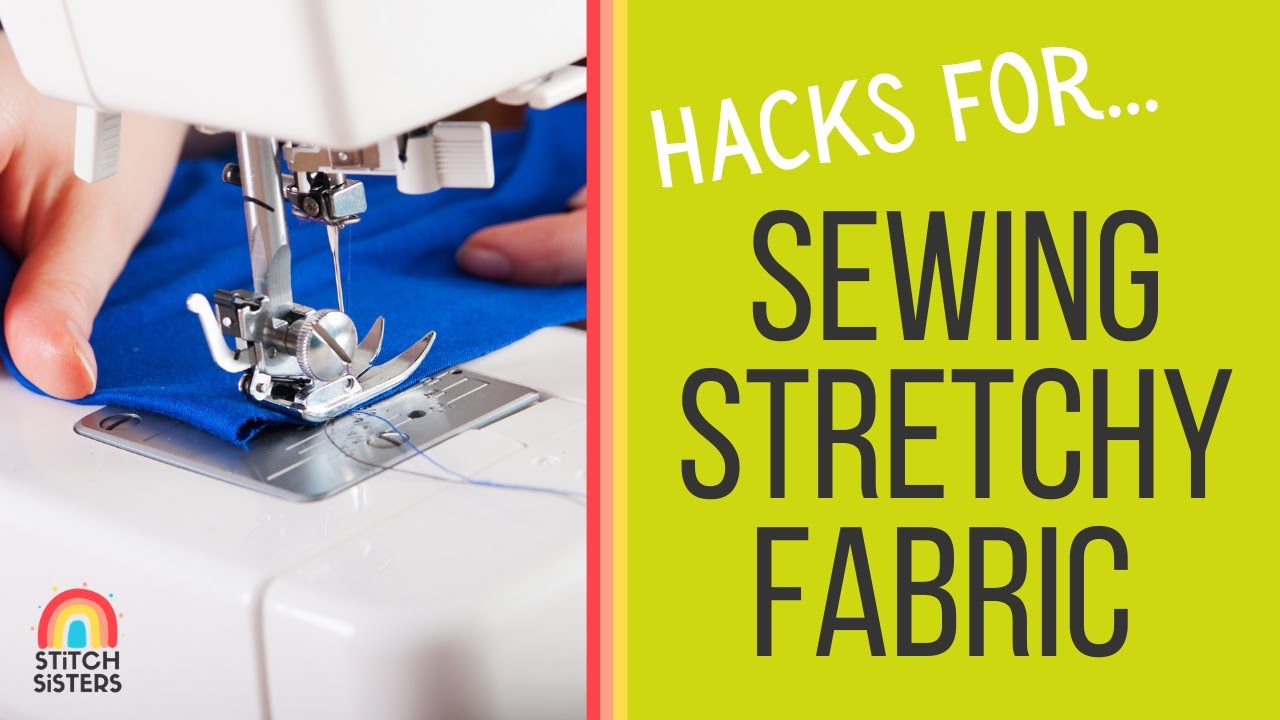
Image Source: i.ytimg.com
Apprehending Stretch Fabric
Stretch fabrics are different from woven fabrics. Woven fabrics have threads that cross each other tightly. They do not stretch much. Stretch fabrics, like knits, are made of loops of thread. Think of a knitted sweater. This loop structure lets them stretch. They can move with your body.
h4. Why Stretch Fabrics Are Unique
Knits are popular for clothes. They are comfy. They fit well. They are easy to wear. But sewing them can be tricky. When you sew a knit fabric, it wants to stretch. A normal straight stitch does not stretch. If you pull the fabric, the thread can break. The seam can pop open. It can also make the fabric wavy. This looks bad.
Your regular sewing machine can handle this. You just need to change a few things. You will need special tools. You will also need to use different settings. These changes help your machine work with the fabric’s stretch. You can make beautiful, lasting clothes. Even if you only have a basic sewing machine.
h4. Common Types of Stretch Fabric
Many fabrics stretch. Here are some common ones:
- Jersey: This is a very common knit. It is soft. It stretches. It is often used for T-shirts and dresses.
- Rib Knit: This fabric has raised vertical lines. It stretches a lot. People use it for neckbands and cuffs.
- French Terry: This knit has loops on the back. It is often used for hoodies and sweatpants.
- Spandex Blends: Fabrics with spandex (like Lycra) stretch a lot. They bounce back well. People use them for activewear.
- Interlock Knit: This knit looks the same on both sides. It is stable. It stretches less than jersey. It is good for beginners.
Each type of fabric acts a little bit different. But the basic rules for sewing them are the same.
Essential Tools for Sewing Stretch Fabrics
Having the right tools makes a big difference. These tools help your normal sewing machine work better with knits. They help you get good results.
h4. Ballpoint Needle for Knits
This is the most important tool. A normal sewing needle has a sharp, pointy tip. It punches through fabric fibers. This works fine for woven fabrics. But for knits, this can cut the loops. This makes tiny holes. Over time, these holes can get bigger. Your seam might unravel.
A ballpoint needle for knits has a rounded tip. It pushes the fabric fibers apart. It does not cut them. This keeps your fabric whole. It stops holes and runs. Always use a new ballpoint needle. Change it often. Change it for every new project. Or after about 8 hours of sewing.
h5. Why You Need It:
- Stops holes in your fabric.
- Prevents skipped stitches.
- Keeps seams strong.
h4. Walking Foot Attachment
A walking foot attachment is a great help. Your sewing machine has feed dogs. These are little teeth under the presser foot. They pull the bottom layer of fabric. The presser foot holds the top layer. For stretchy fabric, this can cause problems. The bottom layer moves. The top layer might not. This makes the fabric stretch. It can also make seams uneven.
A walking foot has its own set of feed dogs. These top feed dogs work with the bottom ones. They grip both layers of fabric. They move them together at the same speed. This stops stretching. It makes your seams smooth and even. It also helps with thick fabrics. It is very useful for quilting too.
h5. How a Walking Foot Works:
- It has small “feet” that lift and move.
- These feet grip the top fabric layer.
- They move fabric at the same rate as the bottom feed dogs.
- This stops the top fabric from stretching or bunching.
h4. Twin Needle Stretch Hem
A twin needle stretch hem gives a neat, professional finish. It looks like ready-to-wear clothes. A twin needle is one needle with two separate shafts. Both shafts fit into a single needle clamp. You thread two top threads. Your machine makes two parallel lines of stitches on the top. On the bottom, it makes a zigzag stitch. This bottom zigzag stitch is what gives the hem stretch.
This is perfect for hems on T-shirts, sleeves, and leggings. It creates a strong, stretchy hem. It looks very tidy. Make sure to get a “stretch” twin needle. These have a special coating or shape. They work best with knits.
h5. Benefits of a Twin Needle:
- Creates a stretchy hem.
- Gives a clean, finished look.
- Prevents wavy hems.
- Stronger than a single straight stitch.
h4. Polyester Thread for Stretch
Choosing the right thread is important. You need thread that can stretch with your fabric. Cotton thread does not stretch much. It can break easily on knit fabrics. Polyester thread for stretch is a great choice. It has good elasticity. It is also strong.
You can also use all-purpose polyester thread. It works well for most knit projects. For very stretchy items like activewear, you can use wooly nylon thread. This thread is soft and very stretchy. You can put it in your bobbin. You can also use it in your serger.
h5. Thread Types for Knits:
- Polyester Thread: Good for most knit fabrics. It has some stretch. It is strong.
- Wooly Nylon Thread: Very stretchy. Use it in the bobbin for super stretchy seams. Also good for sergers.
h4. Other Useful Tools
- Fabric Clips: Use these instead of pins. Pins can stretch or damage knit fabric. Clips hold fabric edges without piercing them.
- Sharp Scissors or Rotary Cutter: Sharp tools cut fabric cleanly. A rotary cutter with a mat is excellent for knits. It helps you cut fabric without distorting it.
- Temporary Fabric Adhesive: This can hold tricky seams together. It washes out. It prevents layers from shifting.
- Wash-Away Stabilizer: This paper or film adds firmness to knits. It tears away or dissolves after sewing. It stops edges from curling.
Setting Up Your Sewing Machine for Stretch Fabric
Your sewing machine has many settings. Changing them for knits is key. This helps your machine form good stitches. It keeps your fabric happy.
h4. Tension Adjustment Stretch Fabric
Sewing machine tension controls how tight your stitches are. It balances the top and bobbin threads. For stretch fabrics, tension is very important. If the tension is too high, the fabric will pucker. It will look wavy. If it is too low, the stitches will be loose. They will not hold.
You want a balanced stitch. The top thread should meet the bobbin thread in the middle of the fabric layers. Test your tension on a scrap piece of your fabric. Fold the scrap in half. Stretch it. See how the stitches look. Adjust your tension slowly. Make small changes. Most machines have a dial for tension. Start with a slightly lower tension than normal.
h5. Steps to Adjust Tension:
- Start: Set tension to a middle number (e.g., 4 or 5).
- Sew a Test: Stitch a line on a scrap of your fabric.
- Check: Look at the stitches.
- If the fabric puckers, top tension is too high. Lower the number.
- If the bottom thread lies flat and looks like loops on top, top tension is too low. Raise the number.
- If the top thread looks like loops on the bottom, bobbin tension may be too loose.
- Adjust and Re-test: Make small changes. Sew again. Repeat until stitches are flat and smooth.
h4. Stretch Stitch Settings
This is where your normal sewing machine shines. Most modern machines have special stitches for stretch fabric. These stitches allow the seam to stretch. They move with the fabric.
h5. Common Stretch Stitches:
- Zigzag Stitch Stretch Fabric: This is the most common and useful stitch. It is built-in on almost all machines. The zigzag stitch makes small “z” shapes. These shapes give the stitch elasticity. You can use a narrow zigzag for seams. Use a wider zigzag for finishing edges.
- Settings: Use a narrow width (e.g., 0.5 to 1.5 mm). Use a medium length (e.g., 2.0 to 2.5 mm). Test these settings on your fabric.
- Triple Stretch Stitch (or Triple Straight Stitch): This stitch sews each stitch forward, then backward, then forward again. This makes a very strong, very stretchy seam. It looks like a straight stitch. It is great for high-stress seams. Think of crotch seams or armholes.
- Lightning Stitch (or Stretch Straight Stitch): This stitch looks like a zigzag. But it is very narrow and slanted. It creates a seam that stretches well. It looks more like a straight stitch than a regular zigzag. It is good for topstitching.
- Overcast Stitch: Some machines have an overcast stitch. This stitch can finish seams. It keeps edges from curling. It also adds some stretch.
h4. Stitch Length and Width
For stretch fabrics, you generally want shorter stitch lengths. This makes the stitches closer together. It helps prevent tunneling. This is when the fabric forms a raised ridge along the seam.
- Length: Start with a stitch length of 2.0 to 2.5 mm for most seams. For very thin knits, go shorter (1.5 mm). For thicker knits, go a bit longer (3.0 mm).
- Width (for zigzag): Start with a width of 0.5 to 1.5 mm. A wider zigzag is more visible. A narrow one looks almost like a straight stitch.
h4. Needle Plate and Feed Dogs
Make sure your machine’s needle plate hole is not too big. A wide hole can let light knit fabric get pushed down into the machine. This can cause fabric to jam. If you have an option for a straight stitch plate, use it for very narrow zigzags or straight stretch stitches.
Ensure your feed dogs are up. They need to grip the fabric. Only lower them for free-motion quilting.
Fabric Preparation and Cutting Tips
Good prep makes sewing easier. These steps help your fabric behave.
h4. Pre-Washing Fabric
Always wash and dry your fabric before cutting. Do this the way you will wash the finished garment. Knit fabrics can shrink. They can also lose dye. Pre-washing helps you avoid a garment that shrinks after you make it. It also removes any chemicals on the fabric.
h4. Laying Out and Cutting
Knit fabrics can roll or stretch when cut. Be careful.
- Flat Surface: Lay your fabric flat on a large surface. Make sure it is not stretched. Let it rest for a bit before cutting.
- Grainline: Pay attention to the grainline. The loops usually run lengthwise. This is called the ‘wale’. The crosswise stretch is called the ‘course’. Most patterns are designed for the greatest stretch to go around your body.
- Stabilizing Knit Fabric for Cutting:
- Spray Starch: You can spray fabric with starch. Let it dry. This makes the fabric stiffer. It is easier to cut. It washes out.
- Tissue Paper: Place tissue paper under delicate knits. Cut through both fabric and paper. The paper helps stabilize the fabric. You tear it away after cutting.
- Fusible Interfacing: For areas that need extra stability (like necklines or waistbands), use fusible knit interfacing. Iron it on before cutting. It stops stretching.
h5. Cutting Tools:
- Rotary Cutter and Mat: This is highly recommended for knits. It cuts through multiple layers. It keeps edges smooth. You don’t lift the fabric. This stops distortion.
- Sharp Fabric Scissors: If using scissors, use very sharp ones. Cut with long, smooth strokes. Try not to lift the fabric.
Sewing Techniques for Stretch Fabrics
These methods will help you sew smooth, strong seams. They prevent common knit fabric problems.
h4. Prevent Wavy Seams Knits
Wavy seams are a common problem with knits. They happen when the fabric stretches as you sew.
- Use the Right Needle: A ballpoint or stretch needle is key.
- Use the Right Foot: A walking foot is a game-changer. It feeds fabric evenly.
- Choose the Right Stitch: Use a stretch stitch (zigzag or triple stretch stitch). A straight stitch will cause waves or break.
- Adjust Tension: Lower your top tension slightly. Test on scraps.
- Do Not Pull Fabric: Let your machine do the work. Do not pull the fabric from behind or push it from the front. Just guide it gently.
- Support the Fabric: Support the weight of the fabric. Keep it flat on your sewing table. Do not let it hang. This stops gravity from stretching it.
- Sew Slowly: A slower speed gives the machine more time to handle the fabric. It gives you more control.
- Finger Press: Instead of ironing seams immediately, use your fingers to gently flatten them. Press only lightly with an iron. Excessive heat can distort knits.
h4. Using Fabric Clips Instead of Pins
Pins can create tiny holes in knit fabrics. They can also stretch the fabric. Fabric clips are better. They hold the layers together without piercing them. Place clips every inch or two. Remove them as you sew.
h4. Guiding Fabric, Not Pulling
This is very important. Your machine’s feed dogs are designed to move fabric. Your job is to guide the fabric. Keep it straight. Do not pull the fabric from behind the needle. Do not push it from the front. If you pull, you stretch the fabric. This causes wavy seams. Just gently guide it. Let the machine feed it.
h4. Pressing Techniques
Pressing makes seams flat and neat. But knits need gentle pressing.
- Low to Medium Heat: Use a lower iron heat setting.
- Press Cloth: Use a press cloth to protect your fabric. This stops shine or scorching.
- Do Not Drag Iron: Lift the iron and set it down. Do not slide it. Sliding can stretch the fabric.
- Use Steam: Steam can help relax the fabric. This helps seams lie flat.
- Press As You Go: Press seams after each step. This gives a crisp finish.
Sewing Jersey Fabric Tips
Jersey fabric is a popular knit. It is good for T-shirts and dresses. It can be tricky because it curls.
h4. Overcoming Jersey’s Curl
Jersey edges love to curl. This makes cutting and sewing hard.
- Weight Down Fabric: Use pattern weights or heavy objects. This helps hold the fabric flat.
- Spray Starch: A light spray of starch on the edges can help stop curling.
- Cut Quickly and Accurately: Use a rotary cutter for precise cuts. This lessens handling.
- Clip Edges: Clip seams together right after cutting. This stops them from curling.
- Stabilizing Knit Fabric Edges: Use a thin strip of fusible interfacing on necklines or armholes. This stops them from stretching out of shape.
h4. Seaming Jersey Fabric
- Narrow Zigzag: Use a narrow zigzag stitch (0.5-1.0mm width, 2.0-2.5mm length) for seams. This gives enough stretch.
- Serger (Optional): If you have a serger, it is great for jersey. It cuts, sews, and finishes seams in one go. It makes very strong, stretchy seams. But a normal machine works fine too!
- Finishing Seams: For un-serged seams, you can trim the seam allowance. Then use a wider zigzag or an overcast stitch on the raw edge. This keeps it from fraying. It also keeps it neat.
Troubleshooting Common Problems
Even with the right tools, problems can happen. Here are common issues and how to fix them.
h4. Skipped Stitches
This is often caused by the wrong needle.
- Fix:
- Change to a new ballpoint or stretch needle.
- Make sure the needle is inserted correctly. The flat side should face the back of the machine.
- Check your thread. Is it good quality?
- Clean your machine. Lint can build up.
h4. Bunching Fabric or Puckering
This means the fabric is stretching or gathering.
- Fix:
- Lower your top thread tension.
- Use a walking foot.
- Do not pull the fabric. Guide it gently.
- Try a different stretch stitch setting.
- Increase your stitch length slightly.
- Stabilizing knit fabric before sewing can help.
h4. Broken Needles
This happens if the needle hits something hard. Or if the fabric is too thick.
- Fix:
- Use the right size needle for your fabric thickness. Knits often need a 75/11 or 90/14 needle.
- Do not pull fabric while sewing. This can bend the needle.
- Check your presser foot. Is it on correctly?
- Make sure the needle is fully inserted.
h4. Fabric Getting Sucked into the Machine
This happens with very light knits. The needle pushes the fabric into the needle plate hole.
- Fix:
- Use a straight stitch needle plate if your machine has one. (Only use it with straight stitch settings).
- Place a piece of tissue paper under the fabric. Sew through the tissue paper. Tear it away after sewing.
- Start your seam a bit away from the edge. Then go back and sew the very beginning.
FAQ Section
h3. Frequently Asked Questions
Q1: Can I use regular thread for stretch fabric?
A1: It is not the best choice. Regular cotton thread does not stretch. It can break easily when the fabric moves. You should use polyester thread for stretch fabrics. It has good stretch and strength.
Q2: How do I stop my knit fabric from stretching while sewing?
A2: There are several ways to help. A walking foot attachment is very useful. It feeds both layers of fabric evenly. You can also try stabilizing knit fabric before you sew. Use spray starch, tissue paper, or a temporary fabric adhesive. Also, do not pull your fabric. Let the machine feed it.
Q3: What is the best stitch for stretch fabric on a normal machine?
A3: The zigzag stitch stretch fabric setting is usually the best. A narrow zigzag gives enough stretch for most seams. Your machine may also have other stretch stitch settings like a triple stretch stitch or lightning stitch. Test them on scraps to see what works best.
Q4: Do I need a special sewing machine for knits?
A4: No, you do not need a special machine. A normal sewing machine works well for knits. You just need to use the right needle (ballpoint for knits), the right presser foot (walking foot attachment is helpful), and the correct stretch stitch settings.
Q5: How do I prevent wavy seams when sewing knits?
A5: To prevent wavy seams knits, use a ballpoint needle and a walking foot. Make sure your tension adjustment stretch fabric is correct. Use a zigzag or other stretch stitch. Do not pull or push the fabric. Just guide it gently. Also, try to support the fabric’s weight as you sew.
Q6: What is a twin needle stretch hem used for?
A6: A twin needle stretch hem is used to create neat, stretchy hems on knit garments. It makes two parallel lines of stitching on the top of the fabric. It makes a zigzag stitch on the bottom. This looks professional and allows the hem to stretch with the garment.
Q7: Can I use pins on stretch fabric?
A7: It is better to use fabric clips instead of pins. Pins can leave permanent holes or stretch knit fabric out of shape. Clips hold the fabric firmly without piercing it.
Sewing stretch fabrics with a normal sewing machine is very doable. With the right tools and techniques, you will make beautiful, comfortable clothes. Practice on scraps first. Soon, you will be sewing knits like a pro!