
How to sew doll clothes is easy if you follow simple steps. This guide shows you how. Sewing for dolls is a fun hobby. You can make cute tiny outfits. Anyone can learn this skill. Even if you are new to sewing, you can do it. This tutorial helps you start. It covers the basics you need to know.
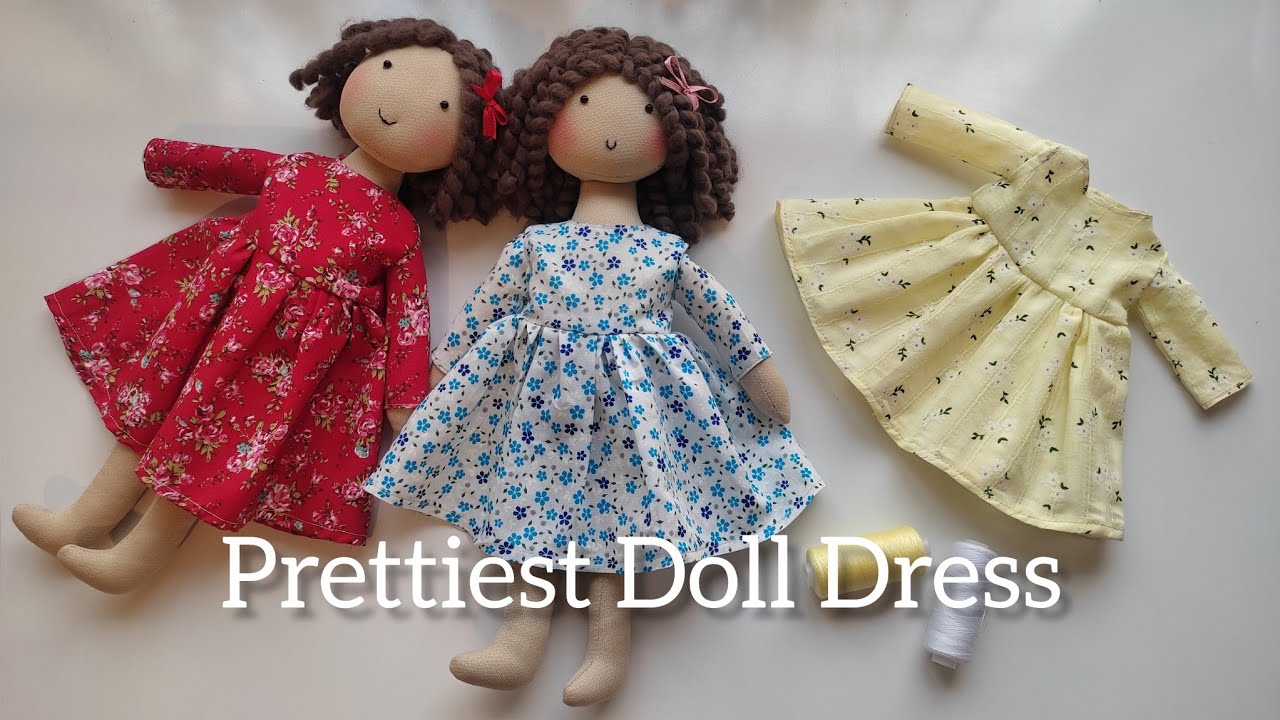
Image Source: i.ytimg.com
The Fun of Sewing Tiny Things
Sewing doll clothes is a great craft. You can make tiny dresses, shirts, and pants. Dolls need clothes for different times. They need outfits for parties. They need clothes for play. Making clothes yourself is special. You choose the fabric. You pick the style. Your doll will have unique clothes. This hobby is good for kids and adults. It helps you learn sewing skills. It is a creative way to spend time.
Tools You Need
You need some basic tools to start. You might have some already.
- Sewing Machine: A small machine is good. A regular machine works too. Some people prefer hand sewing doll clothes.
- Needles: You need needles for the machine. You also need hand sewing needles if you sew by hand. Tiny needles are best for small work.
- Thread: Choose thread that matches your fabric. Basic colors like white and black are useful.
- Fabric Scissors: Use scissors just for fabric. Paper makes scissors dull. Small, sharp scissors help cut tiny pieces.
- Pins: Pins hold fabric together. Small, sharp pins work well for miniature sewing techniques.
- Measuring Tape or Ruler: You need to measure fabric pieces.
- Fabric Markers or Chalk: Mark lines on your fabric before cutting or sewing.
- Seam Ripper: This tool helps undo stitches. You might need it for mistakes.
- Iron and Ironing Board: Pressing helps make seams flat and neat. This is key for tiny clothes.
What Fabric Works
Picking the right fabric for doll clothes is important. Dolls are small. Their clothes are small. You need light fabrics.
- Cotton: This is a great choice. It is easy to work with. It comes in many colors and prints. Quilting cotton is a good type.
- Linen: It is a natural fabric. It sews well.
- Rayon: This fabric is soft. It drapes nicely.
- Felt: Felt does not fray. You do not need to hem it. It is good for simple projects.
- Old Clothes: Recycle old t-shirts or shirts. They are soft. They are free fabric.
Avoid thick or heavy fabrics. Denim is too thick. Canvas is too stiff. These fabrics do not work well for tiny seams. The fabric pattern size matters too. Big prints might not look right on small clothes. Choose small prints or solid colors.
Simple Start
Starting simple is the best way. Do not try a complex project first. Choose easy doll clothes sewing projects. A simple skirt is a good start. A basic top is also easy. These use straight lines. Straight lines are easier to sew. Learning the basics helps you later. You learn how to cut, sew, and finish edges. This builds your skills. Beginner doll clothes projects teach you a lot.
Where to Find Patterns
You need a pattern to make doll clothes. A pattern is like a map. It shows you how to cut the fabric. It tells you how to sew pieces together. There are many places to find doll clothes patterns.
- Pattern Companies: Big pattern companies make doll clothes patterns. Look for patterns marked “easy” or “beginner”.
- Craft Stores: Craft stores sell patterns. They also sell fabric and supplies.
- Online Shops: Many sellers on websites like Etsy offer doll clothes patterns.
- Sewing Blogs and Websites: Lots of blogs share free patterns. They also have doll clothes tutorials.
- Books: Check sewing books for doll patterns. Your local library might have some.
When choosing a pattern, make sure it is for your doll size. A pattern for an 18-inch doll will not fit a Barbie.
Free Tutorials Online
The internet is full of help. You can find many doll clothes tutorials online. These tutorials show you steps with pictures or videos. They make learning easy. Many blogs and YouTube channels focus on sewing for dolls. Search for “easy doll clothes tutorial” or “beginner doll clothes sewing”. You can find guides for specific items. Learn how to make doll dress, pants, or tops. These tutorials often use simple patterns. Some show you how to draft (make) your own basic patterns.
Sewing for Barbie
Sewing Barbie clothes is popular. Barbie is a small doll. Her clothes are tiny. This means you work with small pieces. Miniature sewing techniques are very useful here.
- Use small stitches.
- Sew slowly and carefully.
- Tiny fasteners like snaps or thin Velcro work best.
- Use very light fabric. Cotton lawn or thin cotton is good.
- Barbie patterns are easy to find. Look for patterns made for fashion dolls.
Working with small pieces takes practice. Be patient with yourself. Start with simple Barbie patterns like a tube dress or a simple skirt.
Sewing for American Girl Dolls
American Girl dolls are 18 inches tall. They are bigger than Barbie. Sewing American Girl clothes is a bit easier because the pieces are larger.
- You can use slightly heavier fabrics than for Barbie. Quilting cotton is still great. Lightweight denim or corduroy can work for pants.
- Regular size snaps, Velcro, or small buttons can be used.
- Patterns for American Girl dolls are widely available. Many bloggers share free patterns and tutorials.
- These dolls wear clothes like real kids. You can make dresses, pants, shirts, jackets, and more.
Sewing for American Girl dolls is often recommended for beginners. The pieces are not too small. You can practice your skills well.
Steps to Sew
Let’s talk about the basic steps for sewing doll clothes. These steps are the same for most projects.
Cutting Your Fabric
Patterns have pieces. Lay the pattern pieces on your fabric. Pin them down. Make sure the fabric is smooth. Cut carefully around the pattern pieces. Follow the lines exactly. Some patterns have a seam allowance included. This is the extra fabric around the edge for sewing. Other patterns need you to add it. Read your pattern details. Cut the pieces out.
Sewing Straight Lines
Most doll clothes use straight seams. This is sewing two pieces of fabric together in a straight line.
- Put the two fabric pieces right sides together. The printed or pretty sides face each other.
- Line up the edges you want to sew.
- Pin the edges together. Put pins every inch or two.
- Set your sewing machine to a straight stitch. A short stitch length works best for tiny seams.
- Sew along the edge. Keep the fabric edge lined up with a mark on your machine. This helps you sew straight.
- Backstitch at the start and end. This means sewing a few stitches backward. It stops the seam from coming undone.
Practice sewing straight lines on scrap fabric first. This helps you control the machine.
Tiny Seams Matter
Doll clothes have tiny seams. The usual seam allowance is 1/4 inch or 1/2 inch. For tiny clothes, it is often smaller. Check your pattern. Sewing accurate tiny seams is part of miniature sewing techniques. Sew slowly. Watch the edge of the fabric closely. Make sure you sew the correct distance from the edge. A consistent seam allowance makes the clothes fit right.
Making Edges Neat
Fabric edges can fray. Fraying means threads come loose. You need to finish the edges. This makes the clothes last longer. It looks nicer too.
- Zigzag Stitch: Your sewing machine has a zigzag stitch. Sew a zigzag stitch along the raw edge of the fabric piece. This catches the threads.
- Serger: If you have a serger machine, it trims and finishes the edge in one step. This is great but not needed for beginners.
- Pinked Edges: Use pinking shears. These scissors cut a zigzag edge. This helps stop fraying a little. It is not as secure as a zigzag stitch.
- Turn and Stitch: Fold the raw edge over a tiny bit. Press it flat. Fold it over again. Sew it down. This hides the raw edge. This is good for hems.
Use small zigzag stitches for doll clothes edges. They take up less room.
Sewing by Hand
You do not need a machine to sew doll clothes. You can sew by hand. Hand sewing doll clothes is a great option. It is quiet. You can sew anywhere. It gives you great control.
- Use a small needle.
- Use good thread.
- Use small stitches. Small stitches are stronger and look neater on tiny clothes.
- A backstitch is a strong hand stitch. It looks like machine sewing on the front.
- A running stitch is a simple stitch. It is good for gathering fabric.
Hand sewing takes longer than machine sewing. But it is very rewarding. It is a classic miniature sewing technique. Many tiny details are easier to sew by hand.
Small Sewing Tips
Sewing small items needs some special tricks. Here are some miniature sewing techniques.
- Press Often: Pressing seams after you sew them makes a big difference. Use a small iron or the tip of a regular iron. This makes pieces flat. It helps seams lie neatly.
- Use Tweezers: Tweezers can help you handle small fabric pieces. They can help turn tiny corners right side out.
- Small Scissors: Use small, sharp scissors for cutting threads and notching curves. Embroidery scissors are good.
- Small Pins: Silk pins are thin and sharp. They do not leave big holes in delicate fabric.
- Go Slow: Do not rush when sewing tiny seams. Slow and steady wins.
These small tips make sewing doll clothes easier and better.
Making a Simple Doll Dress
Let’s make a simple doll dress. This will show you how to make doll dress using basic steps. We will make a dress with a simple top (bodice) and a gathered skirt. You will need a simple pattern for your doll’s size.
Step 1: Get the Pattern Pieces
Look at your pattern. It will show you which pieces to cut. For a simple dress, you might need:
- Bodice Front (cut 1 on fold)
- Bodice Back (cut 2)
- Skirt Piece (cut 1 or 2)
The pattern will tell you how many to cut. It will say if you need to cut it on the fabric fold.
Step 2: Cut the Fabric
Iron your fabric smooth. Lay it flat. Place the pattern pieces on the fabric. Pin them down. If a piece says “cut on fold,” line that edge up with the folded edge of your fabric. Cut around the pattern pieces carefully. Transfer any marks from the pattern to the fabric (like dart lines or where pieces meet).
Step 3: Sew the Bodice
The bodice is the top part of the dress.
- Put the two back bodice pieces right sides together with the front bodice piece at the shoulder seams. Pin the shoulder seams.
- Sew the shoulder seams. Use a small seam allowance, maybe 1/4 inch.
- Press the shoulder seams open or to one side.
- Finish the raw edges of the shoulder seams (zigzag stitch or pink).
- The pattern might have darts on the front bodice. These make the top fit better. Fold the dart, pin it, and sew along the line. Press the dart.
- Finish the armhole edges and the neck edge. You can fold and stitch them, or use a tiny facing piece (check your pattern).
Step 4: Make the Skirt
The skirt piece is usually a rectangle.
- Sew the side seams of the skirt piece if needed (if you cut two pieces). Sew them right sides together. Finish the seam edges.
- Finish the bottom edge of the skirt. This will be the hem. Fold it up a small amount (1/4 inch or less), press, fold again, and sew. This is the hem. This makes the bottom edge neat.
Step 5: Attach Skirt to Bodice
Now, put the top and bottom together.
- Take the top raw edge of the skirt. This edge needs to fit the bottom edge of the bodice. The skirt edge is usually wider.
- Gather the skirt edge. You can do this with a basting stitch. Set your machine to a long stitch length. Sew one or two lines of stitches along the top raw edge of the skirt, inside the seam allowance. Do not backstitch.
- Pull the bobbin threads gently. This makes the fabric gather up. Gather it until the skirt top edge is the same width as the bodice bottom edge.
- Pin the right side of the skirt top edge to the wrong side of the bodice bottom edge. Match center points and side seams if you have them. Distribute the gathers evenly.
- Sew the skirt to the bodice. Sew along the seam line you gathered. Use a regular stitch length.
- Remove the basting stitches if you can see them.
- Finish the raw seam edge where the bodice and skirt join. Press the seam allowance up towards the bodice.
Step 6: Finish the Back
The back of the dress needs an opening to get the doll in and out.
- The back bodice pieces were cut separately. The seam allowance on the back edge needs to be finished. Fold the edge under twice and stitch. Or use a facing. Your pattern shows how.
- Repeat for the back skirt edges.
- Overlap the finished back edges. The pattern will show which side goes on top. Pin them so the center back lines up.
Step 7: Add Fasteners
You need a way to close the back.
- Velcro: This is easy for beginner doll clothes. Sew thin Velcro strips along the finished back edges. Put the hook side on one edge (like the top edge) and the loop side on the other (the underlap edge).
- Snaps: Hand sew small snaps onto the back edges. Put the ball part on one side and the socket part on the other.
- Tiny Buttons: Use small buttons and make buttonholes. This is a bit harder on tiny clothes.
Sew the fasteners securely.
Step 8: Hem the Dress
We already did the skirt hem in Step 4. For armholes and necklines, the pattern will show how to finish them. This might involve a small hem, a facing, or binding. Make these finishes neat. Press everything one last time. You now know how to make doll dress!
Add Fun Touches
Making the basic dress is great. You can make it special with extra bits.
- Ribbons: Sew thin ribbons around the waist. Add ribbon bows.
- Lace: Sew tiny lace trim onto the hem or neckline.
- Appliques: Iron on or sew small fabric shapes or patches.
- Beads or Sequins: Sew on tiny beads or sequins for sparkle. Be careful with small pieces if the doll is for a young child.
These small details make your doll clothes unique. They add personality.
Fix Common Mistakes
Everyone makes mistakes when sewing. Especially when learning. Especially with miniature sewing techniques. Here are some common ones and how to fix them.
- Seams are Crooked: Sew slower. Use a guide on your machine plate. Practice on scrap fabric. A seam ripper helps undo crooked seams.
- Fabric Frays: You did not finish the edges well. Go back and use a zigzag stitch or turn and stitch the edges.
- Pieces Do Not Fit: Check your pattern pieces. Did you cut them correctly? Did you use the right seam allowance? Measure your seam allowance as you sew.
- Fabric Slides: Pins are your friend. Use more pins to hold fabric together. Some fabrics are slippery. Sewing slow helps.
Do not get frustrated. Sewing is a skill. It takes practice. Each project helps you learn more.
Ready for More?
Once you can sew a simple dress, try other patterns. Try sewing pants, shirts, or jackets. Look for patterns marked “easy/medium”. You can learn new skills like:
- Setting in tiny sleeves
- Making tiny collars
- Adding pockets
- Sewing zippers (very tiny ones!)
Keep trying new doll clothes patterns. Your skills will get better and better. Sewing Barbie clothes and sewing American Girl clothes offer different challenges. Try sewing for different doll sizes.
Frequently Asked Questions
Q: Can I use hot glue instead of sewing?
A: You can, for some parts. But glue does not hold as well as stitches. Glue can also make fabric stiff. Sewing makes clothes last longer. Sewing looks much nicer too.
Q: What is the hardest part about sewing doll clothes?
A: The small size is the hardest part. Tiny pieces and tiny seams need care. Learning miniature sewing techniques helps a lot. It gets easier with practice.
Q: How long does it take to sew a doll dress?
A: It depends on the dress and your skill. A simple dress might take a beginner a few hours. Someone with practice can do it faster. Hand sewing takes longer than machine sewing.
Q: Where can I get doll clothes patterns for free?
A: Many sewing blogs and websites offer free patterns. Search online for “free doll clothes patterns [your doll size]”. Pinterest is also a good place to find links to free patterns.
Q: Is it cheaper to sew doll clothes than buy them?
A: Often, yes. A little bit of fabric goes a long way. You can use fabric scraps. Buying fabric can be cheaper than buying ready-made doll outfits. Plus, you get to make exactly what you want.
Sewing doll clothes is a rewarding craft. It lets you be creative. You make lovely things for dolls. Start with easy doll clothes sewing projects. Find some simple doll clothes patterns. Use good fabric for doll clothes. Try hand sewing doll clothes for small parts. Watch some doll clothes tutorials. Learn basic miniature sewing techniques. Soon, you will know how to make doll dress and many other items. Happy sewing!