
Can you shorten curtains without cutting or sewing? Yes, absolutely! There are several clever ways to achieve a perfect no-sew curtain hem, allowing you to adjust your window coverings quickly and easily. This guide will walk you through the best methods for quick curtain shortening and creating a temporary curtain hem, all without a needle and thread.
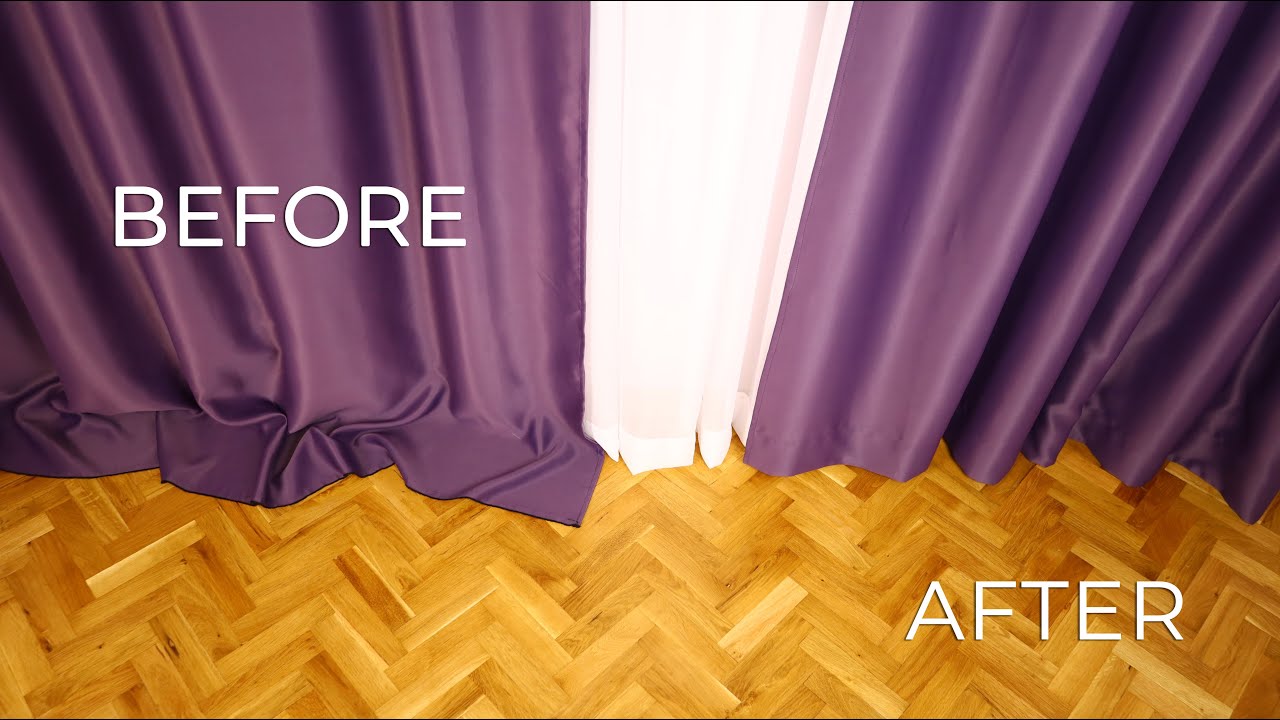
Image Source: i.ytimg.com
The Magic of No-Cut Curtain Hacks
Tired of curtains dragging on the floor? Need to adjust the length for a new room or a different look? Don’t want to pull out the sewing machine or learn complex stitches? You’re in luck! The world of home décor offers brilliant no-cut curtain hacks that are perfect for DIYers of all skill levels. These methods are not only efficient but also offer a clean, professional finish, making them ideal for easy curtain alterations.
Why Embrace No-Sew Solutions?
There are many compelling reasons to opt for no-sew methods when shortening curtains:
- Speed and Convenience: These techniques are incredibly fast. You can transform your curtains in minutes, not hours.
- Beginner-Friendly: No prior sewing experience is needed. Anyone can master these methods.
- Reversibility: Many no-sew solutions are temporary, allowing you to adjust the hem again if your needs change. This is great for renters or those who like to redecorate frequently.
- Cost-Effective: You save money by avoiding professional alterations or buying new curtains.
- Perfect for Delicates: Some fabrics are delicate and might not withstand traditional sewing. No-sew methods offer a gentler approach.
Your Toolkit for No-Sew Hemming
Before we dive into the methods, let’s gather your essential supplies. These are generally easy to find at craft stores, fabric shops, or even your local supermarket.
Essential Materials:
- Hemming Tape: This is your primary tool. Look for iron-on or fusible hemming tape curtains. It comes in various widths and strengths.
- Fabric Glue: A strong, flexible fabric glue is another excellent alternative for a permanent no-sew hem.
- Iron and Ironing Board: Crucial for activating most types of hemming tape.
- Measuring Tape: Essential for accurate measurements.
- Fabric Scissors (Optional but Recommended): For trimming any excess tape or fabric if needed.
- Ruler or Straight Edge: To help create a crisp fold.
- Pins or Clips: To hold the fabric in place while you work.
- Curtain Hooks/Rings: To re-hang your curtains.
Creative Solutions:
- Curtain Clips: These are a quick and stylish way to shorten curtains, especially for decorative purposes.
- Curtain Adjusters: Specialized hardware designed to shorten curtain length easily.
- Curtain Pleating Tape: While primarily for creating pleats, it can also be used strategically to shorten panels.
Method 1: The Classic Hemming Tape Technique
Fusible hemming tape curtains is the most popular and effective method for creating a durable, no-sew hem. It works by melting a heat-activated adhesive onto the fabric, bonding it together.
Step-by-Step Guide to Using Hemming Tape:
- Prepare Your Workspace: Lay your curtain flat on a clean, hard surface like an ironing board or a table. Make sure it’s free of wrinkles.
- Measure and Mark: Decide how much you want to shorten the curtains. Lay the curtain flat and measure from the bottom edge upwards to your desired finished length. Add about 1-2 inches to this measurement to account for the double fold needed for a clean hem. Use a ruler and a marker or chalk to draw a straight line across the width of the curtain at this mark.
- Fold the Hem: Fold the bottom edge of the curtain upwards to meet your marked line. Press the fold firmly with your hands.
- Create the Second Fold: Now, fold the fabric upwards again, this time so the raw edge of the fabric is hidden inside the fold. The width of this second fold should be equal to the width of your hemming tape. Ensure the folded edge is straight and crisp. You can use your ruler to guide this fold.
- Apply the Hemming Tape: Cut a piece of hemming tape to match the width of the folded hem. Carefully insert the hemming tape between the two layers of fabric in the fold. Make sure the tape lies flat against the fabric.
- Iron the Hem: Heat your iron to the temperature recommended on the hemming tape packaging. Without steam, press the iron firmly onto the folded hem, holding it in place for the recommended duration (usually 5-10 seconds). Move the iron slowly along the entire length of the hem.
- Check and Reinforce: Gently lift the folded edge to ensure the tape has adhered properly. If it hasn’t, reposition the tape and iron again. You may want to iron the hem from both sides for extra security.
- Repeat for All Panels: Continue this process for all curtain panels you need to shorten.
- Hang and Admire: Once all hems are secured, re-hang your curtains and enjoy the perfect length!
Tips for Hemming Tape Success:
- Test First: If you’re working with a delicate or unusual fabric, test the hemming tape on a scrap piece first to ensure it doesn’t damage the material or leave marks.
- Crisp Folds are Key: The neater your folds, the more professional your hem will look.
- Patience with Ironing: Don’t rush the ironing process. Proper heat and pressure are vital for a strong bond.
- Consider Double-Sided Tape: Some hemming tapes are double-sided, meaning you stick one side to the fabric, fold, and then iron the other side. Follow the product instructions carefully.
Method 2: The Fabric Glue Approach
For those who prefer not to use an iron, fabric glue curtains offer a fantastic alternative. This method is also great for fabrics that might be sensitive to high heat.
Step-by-Step Guide to Using Fabric Glue:
- Prepare and Measure: Similar to the hemming tape method, lay your curtain flat, measure your desired length, and mark your folding line.
- Fold the Hem: Create the double fold as described in Method 1, ensuring the raw edge is tucked inside. Use pins or clips to hold the fold securely in place.
- Apply Fabric Glue: Carefully open the fold slightly along one section. Apply a thin, even bead of fabric glue curtains along the inside edge of the folded fabric. Work in sections, as the glue may dry quickly.
- Press and Hold: Press the two layers of fabric together firmly. Hold them in place until the glue begins to set. This might take a minute or two, depending on the glue.
- Pin and Dry: Once you’ve secured a section, use additional pins or clips to keep the hem in place while the glue dries completely. Allow the glue to cure for the time recommended by the manufacturer, which can range from a few hours to overnight.
- Repeat and Hang: Work your way along the entire hem and across all curtain panels. Once dry, remove the pins and hang your curtains.
Tips for Fabric Glue Application:
- Use the Right Glue: Ensure you are using a fabric glue specifically designed for textiles. Some craft glues are not flexible enough or washable.
- Apply Sparingly: Too much glue can seep through the fabric and create stiffness or visible marks.
- Even Application: A consistent line of glue will result in a stronger, more even hem.
- Consider a Clamp: For very thick fabrics, you might use small clamps to hold the hem tightly while the glue dries.
Method 3: The Temporary Curtain Hem Solution
Sometimes, you only need a temporary curtain hem. This is perfect for quick fixes, seasonal changes, or if you’re unsure about the final length.
Using Hemming Tape for a Temporary Hem:
You can use hemming tape for a temporary hem by not ironing it permanently. Instead, use it to temporarily “stick” the fold.
- Fold and Secure: Fold your curtain as you would for a permanent hem (double fold).
- Use Adhesive Strips or Pins: Instead of iron-on tape, you can use double-sided fabric tape that doesn’t require heat, or simply use strong fabric clips (like binder clips or specialized curtain clips) to hold the folded hem in place.
- Consider Curtain Adjusters: A more elegant temporary solution involves curtain adjusters. These are small devices that attach to the curtain and the wall or rod, allowing you to pull and secure the fabric at the desired length.
Using Curtain Clips for a Quick Shorten:
Curtain clip shortening is the quickest and most reversible method.
- Measure and Fold: Lay your curtain flat and fold it up to the desired length.
- Clip the Hem: Use decorative or functional curtain clips to secure the folded hem. You can place clips evenly along the bottom edge.
- Styling: This method can also be a design choice. Think of it like tucking in the bottom of a garment for a different look.
Advantages of Temporary Methods:
- Maximum Reversibility: Easily adjust or remove the hem.
- No Heat or Glue: Ideal for very delicate fabrics.
- Extremely Fast: The quickest way to get your curtains to the right length.
Method 4: Harnessing Curtain Pleating Tape
While not its primary function, curtain pleating tape can be creatively used to shorten curtains. This method is more advanced but can offer a unique look.
How to Use Pleating Tape for Shortening:
- Determine the Reduction: Decide how much length you need to remove.
- Apply Pleating Tape: Instead of attaching the pleating tape to the top of the curtain, you can sew or glue (using strong fabric glue) a strip of pleating tape along the inside of the bottom hem, effectively reducing the panel’s length.
- Fold and Secure: Fold the excess fabric upwards, tucking it behind the pleating tape. Secure this fold. This will create a thicker hem at the bottom, but the pleating tape can help stabilize it and provide a clean finish from the front.
- Hook Placement: You’ll need to ensure your curtain hooks are still appropriately placed for hanging after this alteration.
This method is less common for simple shortening and might be better suited for decorative purposes or when you want to add weight or structure to the bottom of a light curtain.
Method 5: Curtain Adjusters – The Hardware Solution
Curtain adjusters are clever pieces of hardware designed specifically for shortening curtains. They typically involve a bracket that attaches to the wall or curtain rod and a cord or mechanism that allows you to pull and secure the curtain fabric.
How Curtain Adjusters Work:
- Installation: Install the adjuster according to the manufacturer’s instructions. This usually involves attaching a small bracket to the wall or rod near the bottom of the curtain.
- Securing the Fabric: You then attach a clip or hook from the adjuster to the fabric of the curtain, near the bottom edge.
- Adjusting Length: A cord or a simple mechanism allows you to pull the fabric up and lock it in place, effectively shortening the curtain’s hanging length.
Pros of Curtain Adjusters:
- Very Easy to Use: No folding or fussing with fabric.
- Fully Adjustable: Easily change the length as needed.
- Clean Look: Often provides a very neat finish.
Cons of Curtain Adjusters:
- Visible Hardware: The adjuster itself might be visible, which might not suit all décor styles.
- Cost: Can be more expensive than basic hemming tape.
Choosing the Right No-Sew Method for You
The best method depends on your curtains, your desired outcome, and your personal preference.
| Method | Best For | Durability | Ease of Use | Reversibility | Tools Needed |
|---|---|---|---|---|---|
| Hemming Tape | Permanent shortening, most fabric types, clean professional finish | High | Medium | Low | Iron, ironing board, hemming tape, scissors |
| Fabric Glue | Permanent shortening, heat-sensitive fabrics, no iron available | High | Medium | Low | Fabric glue, pins/clips, ruler |
| Temporary Tape/Clips | Quick fixes, renters, frequent redecoration, very delicate fabrics | Low | High | High | Fabric tape, clips, ruler |
| Curtain Adjusters | Easy, fully adjustable shortening, modern décor | High | High | High | Curtain adjusters, screwdriver (sometimes) |
| Pleating Tape | Creative shortening, adding structure to bottom, advanced DIYers | High | Low | Low | Pleating tape, glue/sewing, scissors |
Frequently Asked Questions (FAQ)
Q1: Will hemming tape damage my curtains?
Generally, no. However, it’s always a good idea to test the hemming tape on a small, inconspicuous area of your curtain first, especially with delicate or synthetic fabrics, to ensure it doesn’t cause discoloration or melting.
Q2: How do I make sure the hem is straight without sewing?
Using a measuring tape and a ruler or straight edge is crucial. Measure carefully and mark your fold line with chalk or a fabric marker. For very long curtains, consider enlisting a helper to hold one end while you measure and fold.
Q3: Can I use these methods on different types of curtains, like sheer or blackout?
Yes, most of these no-sew curtain hem methods work on various fabrics. For sheer curtains, be extra careful with heat when using hemming tape, and opt for a low setting. Fabric glue is often a safer bet for very delicate sheer fabrics. Blackout curtains, which are often thicker, can handle most methods well, but ensure your hemming tape or glue is strong enough for the weight.
Q4: How washable are no-sew hems?
Hemming tape and fabric glue are generally washable, but it’s essential to follow the product’s instructions. You might want to wash curtains on a gentle cycle and air dry them to preserve the adhesive bond for longer.
Q5: What if my curtains are very heavy or bulky?
For heavy fabrics, you might need a stronger hemming tape or a more robust fabric glue. Ensure the tape or glue is rated for the weight of your fabric. Multiple applications or reinforcement might be necessary. For very bulky fabrics, curtain clip shortening or curtain adjusters might be a more practical and less labor-intensive solution.
Q6: Can I achieve a gathered or pleated look with no-sew methods?
While the primary goal here is shortening, some creative use of curtain pleating tape or strategically placed clips can alter the look of the bottom hem. However, for structured pleats, traditional sewing methods are usually best.
Conclusion
Shortening curtains without a stitch is not only possible but also surprisingly easy and effective. Whether you opt for the reliable hold of hemming tape curtains, the fuss-free application of fabric glue curtains, the speed of curtain clip shortening, or the smart adjustability of curtain adjusters, you can achieve a perfect no-sew curtain hem with minimal effort. These easy curtain alterations empower you to customize your home décor quickly and beautifully, proving that you don’t need to be a seamstress to achieve professional results. Enjoy your perfectly hemmed curtains!