
Can you stick fabric together without sewing? Yes, absolutely! There are many fantastic ways to join fabrics without a needle and thread, offering quick, easy, and durable solutions for various projects. Whether you need to mend a hem, create a craft, or assemble a garment, these no-sew options provide excellent results.
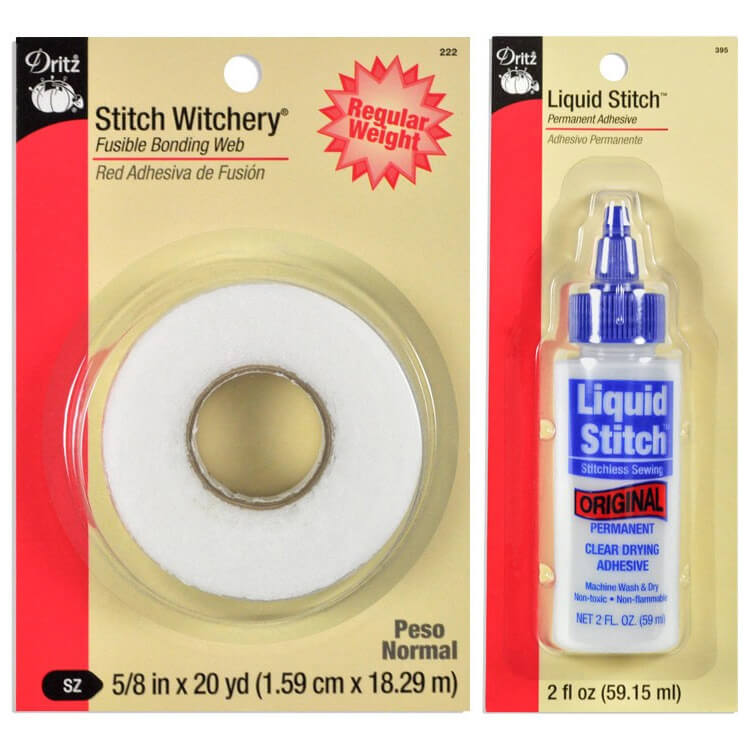
Image Source: onlinefabricstorewordpress.azurewebsites.net
No-Sew Fabric Joining: A World of Possibilities
Sewing is a wonderful skill, but sometimes you need a faster, simpler way to join fabrics. Fortunately, the world of crafting and mending offers a variety of innovative solutions that bypass the needle and thread entirely. These methods are not only efficient but can also be incredibly effective, creating strong and lasting bonds for all sorts of fabric applications.
The Magic of Fabric Glue
One of the most versatile no-sew solutions is fabric glue. This specialized adhesive is designed to bond fabric fibers securely without making them stiff or brittle. Fabric glues come in various formulations, from permanent to temporary, and are suitable for a wide range of fabrics, from delicate silks to sturdy denims.
How Fabric Glue Works:
Fabric glues typically contain polymers that, when dried, create a flexible and strong bond between fabric layers. Some require heat to activate, while others cure on their own. The key is to choose a glue that matches your fabric type and project needs.
Types of Fabric Glue:
- Permanent Fabric Glue: This type provides a strong, lasting bond that can withstand washing and drying. It’s ideal for mending seams, attaching patches, and creating durable crafts.
- Temporary Fabric Glue: Perfect for quick fixes or when you need to reposition fabric, temporary glues offer a repositionable hold. They are often used for temporary hemming or in crafting where adjustments are frequent.
- Washable Fabric Glue: Specifically formulated to withstand repeated washing, these glues are excellent for garments and home décor items.
- No-Drip Fabric Glue: These are often thicker and more viscous, making them easier to control and prevent messy drips, especially on vertical surfaces.
Tips for Using Fabric Glue:
- Clean Your Fabric: Ensure the fabric is clean and dry for the best adhesion.
- Apply Evenly: Apply a thin, even layer of glue to one surface. Too much glue can seep through and create a mess.
- Press Firmly: Press the two fabric pieces together firmly and hold for the time recommended by the manufacturer.
- Allow to Cure: Most fabric glues need time to cure completely for maximum strength. Check the product instructions for drying and curing times.
Hem Tape: Your Go-To for Quick Hems
Hem tape is another incredibly popular and straightforward no-sew solution, especially for hemming garments and curtains. This adhesive tape is designed to create a clean and professional-looking hem without any stitching.
Types of Hem Tape:
- Iron-On Hem Tape: This is the most common type. It’s a fusible tape that activates with heat from an iron. You place the tape between the folded fabric edges, press with an iron, and the heat melts the adhesive, bonding the fabric together.
- No-Iron Hem Tape: Some hem tapes are pressure-sensitive and can be applied simply by pressing them onto the fabric. These are great for quick repairs where an iron isn’t readily available or for fabrics that cannot withstand heat.
How to Use Hem Tape:
- Prepare the Fabric: Fold the fabric to create the desired hem.
- Position the Tape: Place the hem tape inside the folded edge. For iron-on tape, ensure it covers the raw edge of the fabric.
- Apply Heat (if applicable): Using an iron on the recommended setting for your fabric, press the tape firmly. Hold the iron in place for the specified time to ensure the adhesive melts and bonds effectively.
- Let it Cool: Allow the fabric to cool completely before handling it. This helps the bond set.
Advantages of Hem Tape:
- Speed: It’s incredibly fast compared to sewing.
- Ease of Use: Very beginner-friendly.
- Clean Finish: Creates a neat, invisible hem.
- Versatility: Works on a variety of fabrics.
Fusible Web: A Versatile Bonding Agent
Fusible web, also known as fusible interfacing or iron-on bonding web, is a heat-activated adhesive material that comes in a sheet or roll. It’s incredibly versatile, allowing you to bond fabrics, apply patches, create appliqué, and much more, all without sewing.
How Fusible Web Works:
Fusible web is a lightweight, non-woven material with adhesive on both sides. When heat is applied from an iron, the adhesive melts, bonding the web to the fabrics it’s sandwiched between.
Project Ideas with Fusible Web:
- Appliqué: Cut out shapes from fabric and fuse them onto another fabric for decorative designs.
- Patches: Fuse patches onto clothing or bags.
- Hemming: Similar to hem tape, fusible web can be used to create hems.
- Stabilizing Fabric: Use it to add structure to delicate fabrics.
- No-Sew Crafts: Create fabric crafts like coasters, placemats, or decorative banners.
Steps for Using Fusible Web:
- Prepare Your Fabric: Ensure fabrics are clean and pressed.
- Cut the Fusible Web: Cut a piece of fusible web slightly smaller than the area you want to bond.
- Position and Fuse (First Side): Place the fusible web onto the wrong side of one fabric piece. Cover with a pressing cloth and iron according to the web’s instructions until it’s adhered.
- Position and Fuse (Second Side): Remove the paper backing (if any) from the fusible web. Place the second fabric piece onto the adhered web. Cover with a pressing cloth and iron again until the second fabric is bonded.
- Cool Down: Allow the bonded fabric to cool completely.
Important Note on Fusible Web: Always test on a scrap piece of fabric first, as the heat and adhesive can affect different materials in various ways.
Fabric Adhesive: The Broad Category
Fabric adhesive is a general term that encompasses all the glues and bonding agents designed specifically for fabric. This category includes everything from the specialized fabric glue we discussed earlier to products like fabric spray adhesive. The key characteristic of fabric adhesives is their ability to create a flexible, washable, and durable bond without damaging the fabric fibers.
Fabric Bonding Tape: Strong Bonds, Easy Application
Fabric bonding tape is a specialized type of tape designed for creating strong, permanent fabric bonds. It’s often more robust than standard hem tape and can be used for more demanding applications.
Types of Fabric Bonding Tape:
- Iron-On Bonding Tape: Similar to iron-on hem tape, these tapes require heat to activate their adhesive. They are excellent for creating strong seams and holding heavier fabrics together.
- Self-Adhesive Bonding Tape: Some bonding tapes have a strong, permanent adhesive that sticks on contact, requiring no heat. These are useful for quick repairs or applications where heat is not feasible.
Applications for Fabric Bonding Tape:
- Joining Seams: Creates strong, durable seams in garments or upholstery.
- Repairing Tears: Can effectively mend rips and tears in fabric.
- Hemming Heavy Fabrics: Ideal for materials like denim, canvas, or leatherette.
- Upholstery Projects: Useful for securing fabric edges in furniture or craft projects.
How to Use Fabric Bonding Tape:
- Prepare Fabric: Ensure the fabric is clean and dry.
- Apply Tape: For iron-on tape, place it between the fabric edges. For self-adhesive tape, peel off the backing and press it onto one fabric surface.
- Fuse or Press: If using iron-on tape, apply heat with an iron according to the manufacturer’s instructions. If using self-adhesive tape, press firmly onto the second fabric piece.
- Cure: Allow the bond to set completely, especially for iron-on tapes.
Iron-On Fabric Solutions: Heat Activated Wonders
Iron-on fabric applications have revolutionized how we can adhere and decorate textiles without sewing. These methods primarily rely on heat from an iron to activate a strong adhesive backing.
Popular Iron-On Fabric Applications:
- Iron-On Patches: Decorative or mending patches with a heat-activated adhesive on the back. Simply place the patch and iron it on.
- Iron-On Transfers: These are designs printed onto a special paper that can be transferred to fabric using heat. Great for custom t-shirts and personalized items.
- Fusible Interfacing: As mentioned earlier, fusible interfacing is a key player in iron-on fabric applications, providing structure and stability.
- Iron-On Hemming: Specific products like hem tape and fusible web fall into this category, offering a quick way to alter garment length.
Key Considerations for Iron-On Fabric:
- Fabric Compatibility: Not all fabrics can withstand the heat required for iron-on applications. Natural fibers like cotton and linen generally do well, while synthetics like polyester or rayon may require lower heat settings or a pressing cloth.
- Iron Settings: Always check the recommended iron temperature for the specific product you are using and for the type of fabric you are working with.
- Pressing Cloth: A pressing cloth is essential to protect both your iron and your fabric from direct heat and potential scorching or melting.
Fabric Spray Adhesive: For Larger Areas and Delicate Projects
Fabric spray adhesive offers a way to cover larger areas quickly and evenly. It’s a spray-on adhesive that provides a strong, flexible bond once dried.
Uses for Fabric Spray Adhesive:
- Quilting: Temporarily holding quilt layers together before quilting.
- Crafting: Adhering fabric to surfaces like foam board or cardboard.
- Temporary Holds: Holding fabric in place for cutting or precise placement.
- Appliqué: Securing appliqué pieces before final stitching or ironing.
Applying Fabric Spray Adhesive:
- Work in a Well-Ventilated Area: Spray adhesives can have strong fumes.
- Protect Surfaces: Cover your work area with newspaper or a drop cloth.
- Spray Evenly: Hold the can upright and spray a thin, even coat onto one surface.
- Allow to Tack Up: Let the adhesive become slightly tacky before joining the fabrics. This usually takes a few minutes.
- Join Fabrics: Carefully press the fabric pieces together.
- Cure: Allow the adhesive to cure fully as per the product instructions.
Important Notes on Fabric Spray Adhesives:
- Temporary vs. Permanent: Some spray adhesives are temporary and repositionable, while others are permanent. Choose based on your project needs.
- Fabric Types: Be mindful of the fabric type. Some sprays might be too harsh for very delicate fabrics. Always test first.
- Washability: Check if the spray adhesive is washable and permanent before using it on garments that will need laundering.
Fabric Tape: Simple and Effective
Fabric tape is a broad category that includes various adhesive tapes designed for fabric. This can range from decorative tapes to strong bonding tapes.
Types of Fabric Tape:
- Double-Sided Fabric Tape: This tape has adhesive on both sides and is excellent for quick hemming, securing trim, or holding fabric pieces together temporarily.
- Decorative Fabric Tape: Often made of fabric itself (like bias tape with an adhesive backing), these tapes are used for embellishment and can also hold fabric in place.
- Bonding Tape: As discussed, this is for creating stronger, more permanent bonds.
When to Use Fabric Tape:
- Quick Fixes: Hemming pants on the go.
- Appliqué: Holding appliqué pieces in place before other methods.
- Craft Projects: Adding trims or creating fabric embellishments.
- Temporary Holds: Securing fabric edges during a project.
Ease of Use with Fabric Tape:
Fabric tapes are generally very easy to use. Most involve peeling off a backing and pressing the tape onto the fabric. For iron-on versions, a quick press with an iron secures the bond. They are a fantastic solution for anyone who wants a no-sew approach.
Comparing No-Sew Fabric Joining Methods
To help you choose the best method for your project, here’s a quick comparison of the most common no-sew fabric joining solutions:
| Method | Primary Use | Heat Required? | Bond Strength | Permanence | Ease of Use | Best For |
|---|---|---|---|---|---|---|
| Fabric Glue | General bonding, mending, crafts | Often | Varies | Permanent/Washable | Moderate | Delicate fabrics, detailed work, permanent repairs |
| Hem Tape | Hemming garments, curtains | Yes (most) | Moderate | Permanent/Washable | Very Easy | Quick hems, simple fabric adjustments |
| Fusible Web | Appliqué, patches, hemming, stabilizing | Yes | Moderate | Permanent | Easy | Decorative work, structural support, versatile bonding |
| Fabric Bonding Tape | Seams, heavy fabrics, repairs | Often | Strong | Permanent | Easy to Moderate | Durable seams, heavy materials, robust repairs |
| Fabric Spray Adhesive | Large areas, quilting, temporary holds | No (some) | Varies | Temporary/Permanent | Moderate | Quilting, large fabric layouts, temporary positioning |
| Fabric Tape | Quick fixes, trims, temporary holds | No (most) | Varies | Temporary/Permanent | Very Easy | On-the-go repairs, decorative trims, quick assembly |
Mastering the Permanent Fabric Bond: Tips for Longevity
Achieving a permanent fabric bond without sewing often comes down to choosing the right product and applying it correctly. Whether you’re using a robust fabric glue, fabric bonding tape, or a high-quality fusible web, these tips will help ensure your no-sew creations last:
- Pre-Wash Your Fabric: Always wash and dry your fabric before bonding, especially if it’s a new garment or material. This removes any sizing or finishes that could interfere with adhesion.
- Read Product Instructions Carefully: Each product has specific application and curing instructions. Adhering to these is crucial for a strong, lasting bond.
- Proper Heat Application (if applicable): For iron-on methods, ensure your iron is at the correct temperature and that you apply enough pressure for the recommended duration. Too little heat won’t activate the adhesive fully, while too much can damage the fabric.
- Allow Full Curing Time: Many adhesives need several hours, or even days, to reach their maximum strength. Resist the urge to test the bond too early.
- Test on Scraps: Always test your chosen adhesive on a scrap of the same fabric before committing to your main project. This helps you gauge the bond strength and check for any adverse reactions like discoloration or stiffening.
- Consider Fabric Type: Different fabrics have different textures and fiber compositions, which can affect how well adhesives bond. Synthetics might require lower heat or specialized adhesives.
- Clean Application: Keep your work area clean and free of dust or debris, which can get trapped in the adhesive and weaken the bond.
Fabric Bonding Tape vs. Hem Tape: What’s the Difference?
While both are used for joining fabric without sewing, fabric bonding tape and hem tape have slightly different purposes and strengths.
- Hem Tape: Primarily designed for hemming garments and home décor. It’s usually thinner and offers a neat, often invisible finish. Most hem tapes are iron-on and create a flexible, washable bond suitable for everyday wear.
- Fabric Bonding Tape: This term can be broader and often refers to tapes designed for stronger, more durable bonds. It might be thicker, have a stronger adhesive, or be suitable for heavier fabrics or applications where the bond will experience more stress, such as creating seams in upholstery or repairing sturdy materials like canvas.
Essentially, hem tape is a specialized type of fabric tape focused on hemming, while fabric bonding tape can refer to a wider range of tapes for more general and robust fabric joining.
Fabric Spray Adhesive vs. Fabric Glue: When to Choose Which
The choice between fabric spray adhesive and traditional fabric glue depends on the scale and nature of your project.
- Fabric Spray Adhesive: Ideal for covering large areas quickly and evenly. It’s perfect for quilting battings, temporary fabric positioning, or adhering fabric to other surfaces where a light, even coating is desired. However, it can be less precise for intricate work and may require ventilation and masking of surrounding areas.
- Fabric Glue: Better suited for detailed work, small repairs, appliqué, or when you need a precise application. It offers more control over where the adhesive is placed, reducing the risk of overspray or messy application on smaller projects.
Both can achieve a strong bond, but their application methods make them suitable for different tasks.
Frequently Asked Questions (FAQ)
Q1: Are no-sew fabric bonds as strong as sewn seams?
A1: For many applications, a well-applied no-sew bond can be as strong and durable as a sewn seam, especially with high-quality fabric glue, fabric bonding tape, or fusible web. However, for high-stress areas or very heavy fabrics, sewing might still offer superior strength.
Q2: Can I wash and dry clothes that have been joined with no-sew methods?
A2: Most modern fabric adhesives and tapes are designed to be washable and dryable. Always check the product packaging for specific care instructions. Using a gentle cycle and low heat in the dryer is often recommended for longevity.
Q3: What is the best no-sew method for hemming jeans?
A3: For hemming jeans, hem tape or a strong fabric bonding tape is ideal. An iron-on fusible web can also work well, providing a sturdy and durable hem. Make sure to use a product that can handle the thickness and weight of denim.
Q4: Can I use fabric glue on delicate fabrics like silk or lace?
A4: Yes, but you must use a specialized fabric glue formulated for delicate fabrics. These glues are typically thinner and less likely to cause stiffness or discoloration. Always test on an inconspicuous area first.
Q5: How do I remove no-sew fabric bonds if I make a mistake?
A5: Removal depends on the type of adhesive used. For iron-on products like hem tape or fusible web, gentle heat from an iron (applied with a pressing cloth) can sometimes soften the adhesive enough to peel the fabrics apart. For some glues, specific adhesive removers might be necessary. It’s often easier to prevent mistakes by testing and measuring carefully!
Q6: Are there no-sew options for temporary fabric joining?
A6: Absolutely! Temporary fabric spray adhesives and some pressure-sensitive fabric tapes are designed for temporary holds. They allow for repositioning and can be removed without leaving residue.
Q7: Can I use these methods outdoors on fabric items?
A7: For outdoor use, you’ll need a fabric adhesive or tape that is explicitly rated as weather-resistant or waterproof. Standard glues and tapes may degrade when exposed to moisture and UV rays.
Q8: What is fusible web used for besides hemming?
A8: Fusible web is incredibly versatile. It’s fantastic for appliqué, creating no-sew patches, adding structure or interfacing to fabric projects, and for various craft applications where you need to bond layers of fabric securely.
Q9: How do I get a clean finish with fabric spray adhesive?
A9: To get a clean finish with fabric spray adhesive, work in a well-ventilated area, protect your surrounding surfaces, and apply a thin, even coat. Avoid overspraying, and allow the adhesive to become tacky before joining the fabrics.
Q10: Is there a way to join fabric permanently without sewing that is also flexible?
A10: Yes, many modern fabric glues, especially those designed for garments and textiles, offer a flexible and permanent fabric bond. Look for products that specifically mention flexibility and washability. Fabric bonding tape and some fusible webs can also provide flexible bonds when applied correctly.
In conclusion, the world of no-sew fabric joining offers a practical and creative alternative to traditional sewing. With a range of innovative products like fabric glue, hem tape, fusible web, fabric adhesive, fabric bonding tape, iron-on fabric solutions, fabric spray adhesive, and fabric tape, you can tackle countless projects with ease and achieve impressive, lasting results.