
Image Source: andotheradventuresco.com
Keep Your Threads Tangle-Free: How To Store Embroidery Floss
Learning how to store embroidery floss well is key to happy stitching. It keeps your threads neat. It helps you find the color you need fast. Good embroidery floss organization saves time and stops frustrating tangles.
Why Put Your Floss Away Nicely?
Storing your thread the right way is super helpful. When threads are messy, they can knot up. Tangles are hard to fix. They waste your time. They can even ruin your thread.
Good storage does more than stop knots. It lets you see all your colors. You can pick the perfect shade quickly. It also protects your thread from dust and dirt. It keeps your thread looking nice and ready to use. Good thread storage solutions make your hobby more fun.
Different Ways to Store Floss
There are many ways to keep your thread tidy. Some ways use small tools. Some use special boxes. What works best depends on you. It depends on how much thread you have. Let’s look at popular ideas.
Using Floss Bobbins
Floss bobbins are very common. They are small flat pieces. You can get them made of cardboard or plastic. Plastic bobbins last longer.
How to use bobbins:
* You take one color of thread.
* You wrap the thread around the bobbin.
* There is often a spot to tuck the end. This keeps the thread from unwinding.
Using bobbins is a great way for tangle-free thread storage. Each color gets its own little home. This keeps colors separate. It stops them from mixing and knotting. Floss bobbins storage is popular for a good reason.
Using Floss Rings or Cards
Some people like floss rings. These are like key rings. You can put several bobbins or small bundles of thread on one ring. This groups colors together. Maybe you put all the blues on one ring. Or all the greens on another.
Floss cards are another idea. They are flat pieces of cardboard or plastic. They have notches. You wrap the thread around the card using the notches. It’s like a bigger bobbin but often holds thread from one project or color family.
Using Storage Bags or Sleeves
Small plastic bags can work. You can put one color of thread in a tiny zip-top bag. This keeps the thread clean. It keeps colors separate. It might not be the best for stopping tangles inside the bag, though. Special sleeves also exist. They are often clear plastic. You slide a skein of thread into one sleeve. This keeps the skein neat. It stops the thread from unwinding.
Using Storage Boxes or Containers
This is where bobbins really shine. You can put your bobbins into special boxes. These boxes have dividers. The dividers make small spaces. Each space holds several bobbins standing up. This is a top floss storage containers idea.
Kinds of boxes:
* Craft boxes: Many brands make plastic boxes just for floss bobbins. They are usually clear. You can see your colors.
* Tackle boxes: Boxes meant for fishing lures work well too. They have lots of small spaces.
* Plastic storage bins: Any small bin can hold bobbins or thread bundles. You might need to add your own dividers.
These boxes keep your bobbins in order. They protect them from dust. They are easy to stack or put on a shelf. They are a key part of organizing embroidery thread for many people.
DIY Storage Ideas
You don’t have to buy special things. You can make your own storage.
* Use old shoe boxes. Add cardboard dividers.
* Use clear food containers.
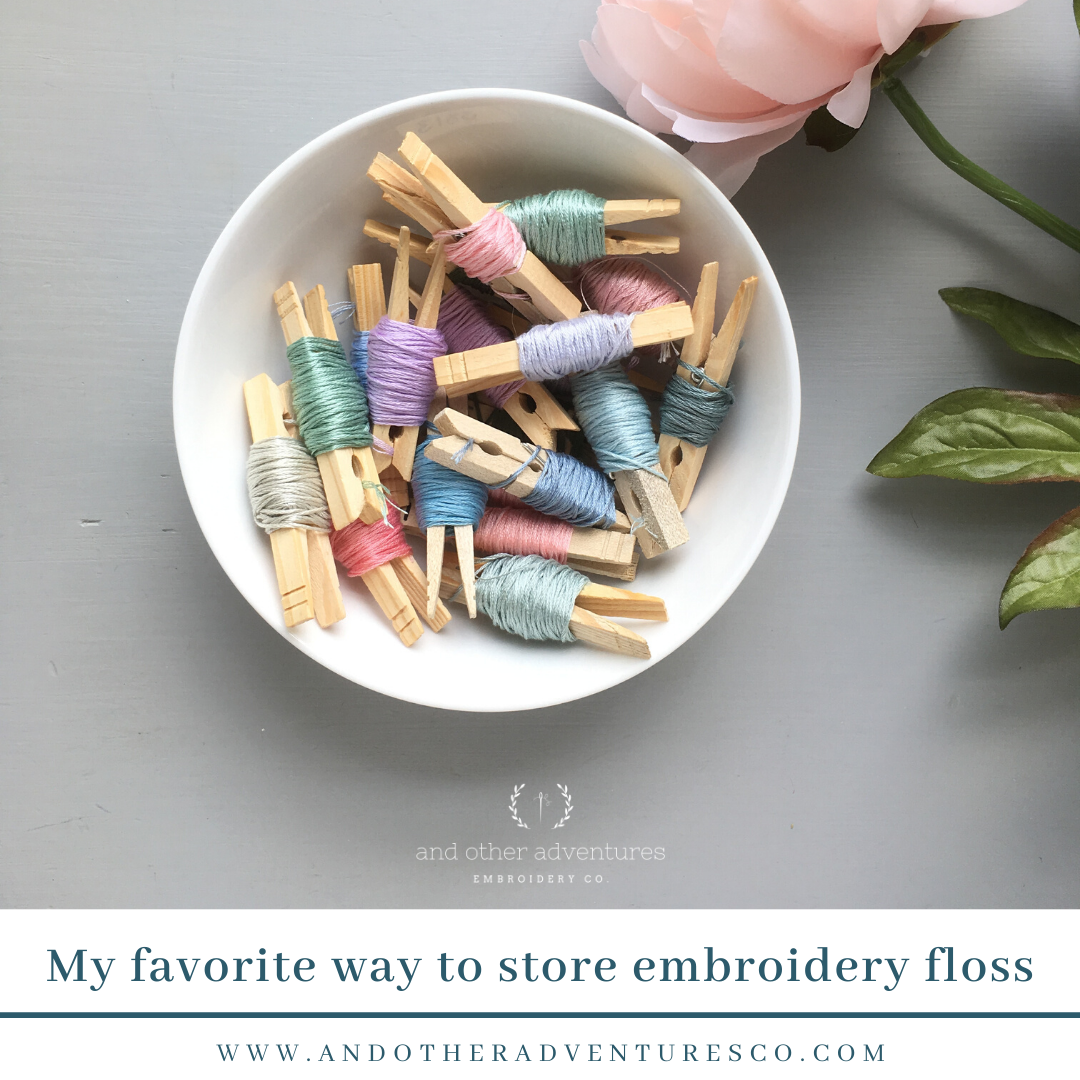
* Use clothespins. Wrap thread around them like bobbins. Store them in a jar or box.
* Hang thread bundles on a pegboard. Use small hooks.
These homemade floss storage ideas can be cheap. They can use things you already have.
Fathoming Using Bobbins and Boxes
This is one of the best way to organize floss for many stitchers. Let’s look at the steps.
Step 1: Get Your Floss Ready
Gather all your embroidery thread. If it’s in skeins (the twisty bundles you buy), you might want to turn them into bobbins or wrap them onto cards.
Step 2: Wind the Bobbins
Take one skein of thread. Find one end. Start wrapping it around a bobbin. Wrap it smoothly. Don’t wrap too loose. Wrap it just right. Keep wrapping until all the thread from that skein is on the bobbin. Find the other end of the thread. There is often a slot on the bobbin to put the end in. This holds it tight.
Step 3: Add the Color Number
This is very important. Most embroidery thread has a number. DMC is a popular brand. Their thread has DMC numbers. Write this number on the bobbin. You can use a small sticker. Or write directly on plastic bobbins with a permanent marker. Writing the number is key for DMC floss organization. It helps you find the exact color a pattern asks for.
Step 4: Put Bobbins in Containers
Get your floss storage containers. These are usually plastic boxes with little walls inside. Place your bobbins standing up in these sections.
Step 5: Arrange Your Bobbins
How you arrange them is up to you.
* By number: Put them in number order. Start with the lowest number. Go up to the highest. This is super useful for cross stitch patterns. Patterns use numbers. Finding color 310 or 743 is easy if they are in order.
* By color: Put all the reds together. Then the oranges, yellows, greens, blues, purples, pinks, browns, grays, blacks, and whites. This is great if you pick colors based on how they look.
Arranging them by number is part of good organizing embroidery thread, especially for projects that need exact colors.
Step 6: Keep Them Neat
Once they are in the box, close the lid. This keeps dust out. It keeps the bobbins from falling out. Keep the box where you stitch. Or on a shelf.
This method uses floss bobbins storage combined with floss storage containers. It makes a very clean and easy-to-use system.
Grasping Other Storage Methods
Let’s look closer at other ways to store thread.
Using Rings for Grouping
Imagine you have bobbins. You can take several bobbins that are similar colors. Put them on a metal ring. Maybe all the shades of red go on one ring. This helps you grab a group of colors fast. You can hang these rings on hooks. Or put the rings in a box. This adds another layer to embroidery floss organization.
Using Storage Cards for Projects
Some storage cards are bigger. You might get a card for one cross stitch project. The card might have holes or spots labeled with the thread number needed for that project. You wrap only the colors for that project onto that card. This keeps all the threads for one piece together. It is handy for storing cross stitch thread for a specific pattern. You don’t have to search your whole collection.
Using Sleeves for Skeins
If you don’t want to wind bobbins, sleeves are simple. You just slide the skein into a long plastic sleeve. It keeps the skein from getting loose. You can put these sleeves into a drawer. Or hang them on a rod. You still need a way to organize the sleeves. Maybe use drawer dividers. Or label the sleeves.
Interpreting How to Organize Your Thread
Putting thread away is step one. Deciding how to group it is step two. Different ways work for different people and projects. Organizing embroidery thread can be done in several ways.
Group by Color
This is simple and visual.
* Reds
* Oranges
* Yellows
* Greens
* Blues
* Purples
* Pinks
* Browns
* Grays
* Blacks
* Whites
* Other (like metallic, specialty)
Within each color group, you might put light shades first, then medium, then dark. This helps you see the range of one color you have.
Group by Number (Like DMC)
This is often the best way to organize floss if you follow patterns that list colors by number.
* Put your DMC threads in number order.
* Start with number 1. Go up to the highest number you have (DMC has numbers over 3800, plus special numbers).
* Keep special threads (like metallics, neons) in their own spot, maybe also in number order if they have numbers.
This method makes finding color 815 or 3776 super fast when your pattern says “use 815”. DMC floss organization by number is a must for many stitchers.
Group by Project
Some people like to keep all the threads for one item together.
* Get a bag or small box.
* Put all the thread needed for your current cross stitch project inside.
* Maybe use a project card to keep them tidy inside the bag.
This means you grab one bag and have everything for that project. The downside is that one color might be in several different project bags if you use it often.
Group by Thread Type
Not all thread is the same. You might have cotton floss, silk thread, metallic thread, rayon thread, or wool.
* Keep all cotton floss together.
* Keep all silk thread together.
* Keep all metallic thread together.
This helps you grab the right kind of thread for your work. Different types behave differently.
Choosing the Best System for You
There is no single “best way” for everyone. The best way to organize floss is the way that helps you stitch more easily. Think about these things:
- How much space do you have? Big boxes need more space than small bags.
- What is your budget? Plastic bobbins and fancy boxes cost money. Homemade options can be free or cheap.
- How much thread do you have? A few colors can go in a small box. Hundreds need a bigger system.
- How do you stitch?
- If you use patterns with numbers (like many cross stitch), organizing by number is likely best (DMC floss organization).
- If you design your own things and pick colors by eye, organizing by color might be better.
- If you work on one big project at a time, organizing by project could be handy.
Mixing methods is fine too! You might use bobbins and boxes for your main collection (organized by number). Then use a project bag for the threads you need right now. Explore different floss storage ideas. Try one system. See if it works. If not, try another!
Tips for Tangle-Free Thread Storage
No matter what system you use, some simple tips help prevent knots. Tangle-free thread storage is the goal.
- Wrap Neatly: If using bobbins or cards, wrap the thread smoothly and evenly. Don’t let it get lumpy. Wrap it snug, but not so tight it stretches the thread.
- Secure the End: Always tuck the end of the thread into the slot on the bobbin. Or use a small piece of tape. This stops the end from getting loose and tangling with other threads.
- Don’t Overfill: If using boxes or bags, don’t cram too much thread in one spot. Give threads a little space. This makes it easier to pull one out without disturbing others.
- Close Lids/Bags: Keep your floss storage containers closed when you are not using them. This stops dust. It also keeps thread from falling out and becoming a mess.
- Put It Away Right Away: When you finish using a thread color, put it back in its spot immediately. Don’t leave it out. Loose threads are tangle magnets. This simple habit is key for good embroidery floss organization.
- Cut, Don’t Pull: When taking thread from a bobbin or skein, cut the length you need. Don’t try to pull a long piece off. Pulling can make knots or mess up the rest of the thread on the bobbin.
Using these tips will help you keep your thread storage solutions working well. You will spend less time untangling and more time stitching.
Storing Specific Thread Types
Most of these ideas work for standard cotton embroidery floss, like DMC floss organization. But some types of thread need special care. This is true for storing cross stitch thread if it’s not cotton, or if you have fancy threads.
Cotton Floss
Standard cotton floss (like DMC or Anchor) is tough. It works well with bobbins, cards, bags, and boxes. It is the most common type for storing cross stitch thread. Just keep it clean and tangle-free.
Silk Thread
Silk thread is beautiful. It is also more delicate than cotton. It can be more prone to snagging or breaking if not handled gently.
* Store silk flat if possible. Or use larger bobbins or cards so it doesn’t have sharp bends.
* Keep it away from things that can catch it.
* Using sleeves or small bags for each color might be best.
* Keep it out of direct sunlight. Sunlight can harm silk fibers.
Metallic Thread
Metallic thread can be stiff or feel a bit wiry. It loves to twist and knot.
* Storing metallic thread on bobbins or cards is fine.
* Be extra careful when winding and unwinding. Go slow.
* Many metallic threads come on spools. Keeping them on the spool and putting the spool in a box is a good idea.
* Some people find that metallic threads behave better if stored slightly looser.
Rayon Thread
Rayon thread is very shiny. It can be slippery.
* Rayon can slip off bobbins more easily than cotton. Make sure the end is very secure.
* Wrapping neatly is extra important.
* Keep containers closed tightly.
Wool Thread
Wool embroidery thread is thicker and fuzzy.
* Wool usually comes in small skeins or hanks.
* Do not wind wool tightly onto bobbins. It can crush the fibers.
* Store wool loosely in bags or boxes. Keep different colors separate so the fibers don’t intermingle and felt.
* Wool needs to breathe. Don’t seal it in airtight containers long-term.
* Keep wool away from moths! Use cedar or special moth-repelling products near your wool storage.
Knowing the thread type helps you pick the best floss storage ideas for it.
Maintaining Your Organization System
Setting up your embroidery floss organization is a great start. Keeping it that way takes a little effort.
- Put Away Immediately: This is the most important rule. When you cut thread from a bobbin or skein, put the bobbin or skein back in its place right away. Don’t leave it on your table “for later.”
- Add New Thread Thoughtfully: When you buy new thread, prepare it right away. Wind it onto a bobbin or put it in a sleeve. Write the number on it. Then put it in its correct spot in your storage system. Don’t just toss new skeins into a pile.
- Tidy Up Often: Once in a while, take a few minutes to straighten things. Push bobbins back into their spots. Make sure numbers are facing up. Remove any small scraps of thread. A quick tidy makes a big difference.
- Deal with Leftovers: You will have small pieces of thread left over from projects. What to do with these?
- You can toss very short pieces.
- Longer pieces can be looped back onto the bobbin if there’s room.
- Some people keep a small bag or box for “scraps” or leftover lengths from projects. Just be careful this box doesn’t become a giant tangle!
Keeping your thread storage solutions tidy helps the system work. It keeps your threads usable and prevents future messes.
Reviewing Different Floss Storage Ideas
Let’s look back at the main ways to store thread.
| Method | How it Works | Pros | Cons | Best For… |
|---|---|---|---|---|
| Bobbins | Wrap thread around flat shape | Very neat, stops tangles, easy to number | Takes time to wind | Large collections, number-based organization |
| Rings | Group bobbins or bundles on a ring | Groups colors/projects, easy to carry | Threads can still tangle on ring if messy | Grouping small collections or project threads |
| Cards | Wrap thread around flat card | Can hold more thread, good for projects | Can be bulky | Project-specific threads, visual sorting |
| Sleeves | Slide skein into plastic sleeve | Very fast, no winding needed | Still need system to organize sleeves | People who don’t want to wind, small collections |
| Boxes/Containers | Store bobbins/sleeves in boxes | Keeps things clean, organized, portable | Takes up space, need dividers | Storing large bobbin collections |
| DIY | Use household items | Cheap, uses recycled items | Less durable, may be less organized | Low budget, small collections |
Thinking about these points helps you choose the best way to organize floss for your needs. It might be one method, or a mix of a few. All these floss storage ideas aim for the same thing: neat, easy-to-find thread.
Floss Storage Solutions You Can Buy
Many products are made just for storing embroidery thread. These are designed to be effective thread storage solutions.
- Bobbin Boxes: These are the most common. Clear plastic boxes with dividers. They often come with cardboard or plastic bobbins. Some have lids that snap tight. They are great for floss bobbins storage.
- Floss Cabinets or Towers: Some systems stack boxes or drawers. You can build a small cabinet of floss storage. These hold many colors. They are good for serious stitchers with huge collections.
- Project Boxes: These are often flat boxes. They might have a tray or card inside to hold bobbins or thread for one project.
- Hanging Storage: Some organizers hang on a door or in a closet. They have clear pockets. You can put thread in the pockets.
When looking at floss storage containers, think about how many colors you have and how you want to access them. Do you want to see everything at once (like in a clear box)? Or do you prefer drawers?
No matter the product, the goal is simple: keep your threads tidy. Keep them sorted. Keep them protected. Good embroidery floss organization makes your stitching life much easier and happier. Find the best way to organize floss that fits you. Your threads will thank you by staying tangle-free.
Frequently Asked Questions about Floss Storage
Q: How many bobbins do I need?
A: You need one bobbin for each color of thread you have. If you have 200 different colors, you need at least 200 bobbins. It is smart to buy extra bobbins. You might get a new color or split a skein onto two bobbins if it’s very long.
Q: Can I store different brands of thread together?
A: Yes, you can. But it is helpful to know which brand is which. DMC colors have numbers. Anchor has different numbers. If you use patterns that say “DMC 310”, you need to know which thread is your DMC 310. You can mix brands in your storage box. Just make sure each bobbin or thread has the correct number or label for its brand. This helps with DMC floss organization and other brands too.
Q: Is it okay to keep thread in the paper sleeve it came in?
A: For short amounts of time, yes. The paper sleeve holds the skein together. But the paper can tear. The ends can come loose. It is much better for tangle-free thread storage to use bobbins, cards, or sleeves that fully contain the thread. If you just toss paper-sleeved skeins in a box, they will likely become a tangled mess quickly.
Q: How do I store small amounts of leftover thread?
A: For very small bits (under a foot), you can just toss them. For longer pieces (several feet), you can loop them back onto the main bobbin if there’s room. Or you can keep a small bag or container just for “scraps” or project leftovers. Just be careful this scrap container does not turn into a giant knot of thread. Some people sort scraps by color too.
Q: How do I keep my thread from getting dusty?
A: Use floss storage containers with lids. Plastic boxes or drawers that close will protect your thread from dust. Keep your storage area clean.
Q: Can thread get ruined if stored badly?
A: Yes. Dust and dirt can make it dirty. Tangles can make it hard to use. Being stored in sunlight can fade colors over time. Being stored where it gets wet can cause mold. Good thread storage solutions protect your thread so it lasts a long time.
Q: What is the best way to find a specific color?
A: If you store by number (like DMC floss organization by number), use the number from your pattern. Go to the section of your box where that number should be. If you store by color, look in the general color section. Using bobbins in a box with numbers showing is one of the fastest ways to find colors for patterns. This is why floss bobbins storage in numbered order is so popular.
Q: Should I label my storage containers?
A: Yes, this is a great idea! Label your boxes or drawers. For example, one box might be “DMC 1-350”. Another might be “DMC 351-700”. Or you could label boxes by color groups: “Reds/Oranges”, “Greens/Blues”. Labels make it even faster to find the box you need. This is a simple but helpful part of good embroidery floss organization.
Q: How often should I tidy my floss storage?
A: A little bit of tidying each time you put thread away helps the most. A bigger tidy-up every few months is also good. Pull out a box. Make sure all the bobbins are in place. Check that the numbers are right. Remove any loose threads. This keeps your floss storage ideas working well for you.
Q: Can I use plastic bags instead of bobbins?
A: You can put whole skeins or folded thread pieces into small plastic bags. One color per bag. This keeps colors separate. But it does not stop tangles as well as winding onto bobbins. Bags are also less structured. They can be harder to keep neat in a box or drawer than bobbins standing up. Bags might be okay for a very small collection or for project-specific groups. But for a large collection, bobbins usually offer better tangle-free thread storage.
Choosing and using a good system for your threads is a gift to yourself. It makes your stitching time more enjoyable. Messy thread is a problem. Organized thread is a joy. Explore these floss storage ideas. Find what works for your space, your threads, and how you love to create!