
What is a bobbin and why is it important? A bobbin is a small, spool-like object that holds the lower thread in your sewing machine. It’s crucial because it works with the upper thread to create a strong, secure stitch. Without a properly wound and loaded bobbin, your sewing machine won’t be able to sew at all.
Sewing machines are amazing tools that can bring your creative ideas to life. But before you can stitch that beautiful garment or quilt, you need to get your machine ready to sew. A big part of this is knowing how to wind a bobbin and then load it correctly. This guide will walk you through everything you need to know about sewing machine bobbin winding and loading a bobbin. We’ll cover the entire process, from choosing the right thread to making sure your sewing bobbin thread is just right.
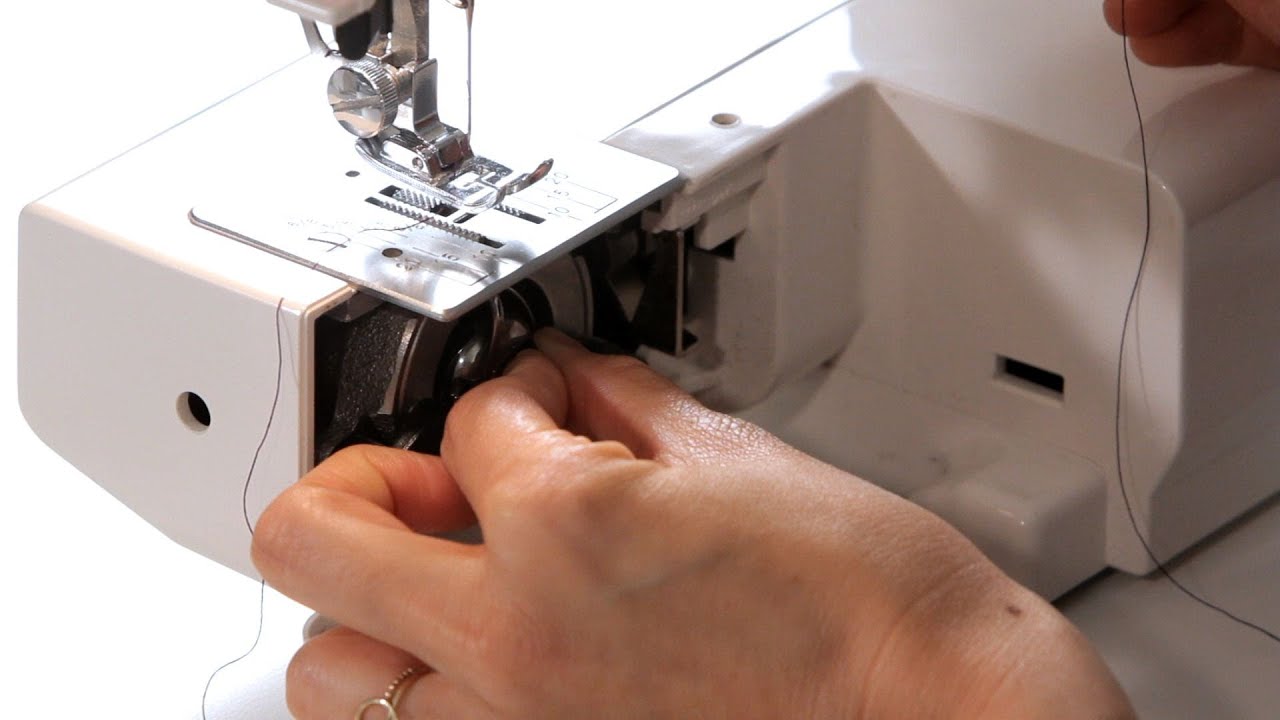
Image Source: i.ytimg.com
Getting Started: Essential Bobbin Supplies
Before you start winding a bobbin, gather these items:
- Your Sewing Machine: Of course! Make sure it’s plugged in and powered on.
- A Bobbin: Most machines come with a few bobbins. Make sure you’re using the correct type for your machine. They aren’t all the same!
- Thread: Choose a good quality thread that matches or complements your project.
- Thread Spool Pin: This is where your main spool of thread goes.
- Bobbin Winder: Every sewing machine has one, often built into the machine itself.
Choosing the Right Bobbin
Can I use any bobbin with my sewing machine? No, you cannot. Sewing machine bobbins are specific to the make and model of your machine. Using the wrong type can cause stitch problems or even damage your machine. Always check your sewing machine manual to find out which bobbins are compatible. They usually differ in size, shape, and the way the thread is stored.
Selecting Your Thread
The thread you choose for your bobbin is just as important as the thread for your needle.
- Color: For most projects, you’ll want the bobbin thread to match the fabric on the underside of your sewing. If you’re sewing a thin fabric and the bobbin thread might show through, choose a color that matches the fabric.
- Type: Use a good quality all-purpose polyester thread for both your needle and bobbin. Avoid using very thick or very thin threads in the bobbin unless your machine manual specifically allows it. Specialty threads like metallic or monofilament often require special handling or aren’t suitable for bobbin use.
The Process of Winding a Bobbin
How do I wind a bobbin? Winding a bobbin involves placing the bobbin on the bobbin winder and guiding the thread from the spool onto the bobbin. It’s a simple process once you know the steps.
Step 1: Prepare Your Machine for Bobbin Winding
Most sewing machines have a dedicated bobbin winder assembly. This usually includes:
- Bobbin Winder Spindle: A small post where you place the bobbin.
- Thread Guide: A small hook or eyelet for the thread.
- Tension Disc: Where the thread passes through to get the right tension.
- Winding Lever/Switch: This engages the bobbin winder.
Step 2: Place the Bobbin on the Winder Spindle
- Locate the bobbin winder spindle on your sewing machine. It’s usually a metal or plastic post that sticks up.
- Slide the bobbin onto this spindle. Make sure it sits snugly and doesn’t wobble. The side of the bobbin with the hole should face the way your machine manual indicates.
Step 3: Thread the Bobbin Winder
This is a key step in sewing machine maintenance as proper threading ensures even winding.
- Start with the main spool: Place your spool of thread on the main spool pin.
- Guide the thread: Follow the diagram on your sewing machine. Typically, you’ll bring the thread from the spool, down through the main thread guides and tension discs (like you would for regular sewing), but then you’ll divert it to the bobbin winder.
- Through the bobbin winder tension: You’ll see a small tension disc specifically for the bobbin winder. Guide your thread through this. It might be two metal plates with a spring.
- Into the bobbin: Take the end of the thread and guide it through one of the small holes in the bobbin. Pull a few inches of thread through.
- Secure the thread end: Hold the thread tail firmly against the bobbin and the spindle with your finger.
Step 4: Begin Winding
- Engage the winder: Push the bobbin winder spindle sideways or down. This usually engages a mechanism that makes the bobbin wind when the machine’s foot pedal is pressed. Some machines have a separate switch.
- Start slowly: Gently press the foot pedal. The bobbin should start to wind.
- Initial winding: Let the bobbin wind for a few turns, keeping the thread tail held. Once a few wraps of thread are on the bobbin, snip the excess thread tail close to the bobbin using your scissors. This prevents it from getting caught and winding unevenly.
- Continue winding: Keep pressing the foot pedal. The thread should wind evenly across the bobbin.
- Automatic Stop: Many modern machines have an automatic stop feature. When the bobbin is full, the winder will disengage. If yours doesn’t, you’ll need to monitor it and stop before it overfills, which can cause tangles.
Step 5: Stop Winding and Cut the Thread
Once the bobbin is full or the machine stops automatically:
- Disengage the winder: Push the bobbin winder spindle back to its original position.
- Cut the thread: Cut the thread close to the bobbin with your scissors.
- Remove the bobbin: Carefully slide the wound bobbin off the spindle.
Table 1: Common Bobbin Winding Issues and Solutions
| Issue | Possible Cause | Solution |
|---|---|---|
| Uneven Winding | Incorrect thread path, loose bobbin, thread tension. | Double-check thread path to winder, ensure bobbin is secure, adjust bobbin winder tension if possible. |
| Bobbin Not Winding | Winder not engaged, no thread to bobbin, foot pedal issue. | Ensure winder is fully engaged, check thread is fed through bobbin, test foot pedal. |
| Thread Slipping Off Bobbin | Thread tail not secured, winder spindle loose. | Hold thread tail firmly for the first few wraps, ensure bobbin is seated correctly on the spindle. |
| Bobbin Overfilling | Machine lacks auto-stop, not monitoring. | Monitor winding closely, stop the machine when bobbin is nearly full. |
| Thread Breaking During Wind | Poor quality thread, sharp edges on winder. | Use good quality thread, check winder spindle and guides for damage. |
Loading the Bobbin: Putting it in Your Machine
After winding a bobbin, the next step is learning how to put a bobbin in a sewing machine. This process varies slightly depending on whether your machine has a top-loading or front-loading bobbin.
Top-Loading Bobbins (Drop-In Bobbins)
Top-loading bobbins are very common in modern machines. They are generally easier to use and check.
Step 1: Locate the Bobbin Case Area
- Lift the presser foot.
- Remove the needle plate cover (this is the flat metal plate under the needle). Some are held by a small latch, others just lift off.
- You will see a clear plastic cover over the bobbin area. Remove this cover.
- You’ll see a bobbin case – this is the part the bobbin sits in.
Step 2: Insert the Bobbin
- Take your wound bobbin. Ensure the thread is unwinding from the bobbin in the correct direction (usually indicated by a small arrow on the bobbin case or in your manual).
- Place the bobbin into the bobbin case. It should fit snugly.
- Threading the bobbin case: This is crucial for proper stitch formation.
- Find the small slot or hook on the bobbin case where the thread needs to go.
- Bring the thread from the bobbin, up through the slot in the bobbin case, and then pull it under a small tension spring within the case.
- Pull about 4-6 inches of thread towards the back of the machine, guiding it through a small channel or guide.
- Important: Make sure the thread is securely in the tension spring. If it’s not, your stitches will be loose.
Step 3: Replace Covers and Prepare for Sewing
- Replace the clear plastic bobbin cover.
- Replace the needle plate cover.
- Lower the presser foot.
Step 4: Bring Up the Bobbin Thread
Now you need to bring the bobbin thread up to meet the needle thread:
- Hold the tail of the needle thread with your left hand.
- Turn the machine’s handwheel towards you (always turn it towards you) one full rotation. This lowers the needle, catches the bobbin thread, and brings it up.
- As the needle rises on its second movement, a loop of bobbin thread will appear. Use your fingers or tweezers to gently pull this loop completely out.
- You should now have both the needle thread and bobbin thread tails hanging out from under the presser foot.
- Place these thread tails towards the back of the machine, under the presser foot.
Front-Loading Bobbins (Conventional Bobbins)
Front-loading bobbins are found on older machines. They are housed in a removable metal bobbin case.
Step 1: Locate and Remove the Bobbin Case
- Lift the presser foot.
- Open the front panel or flap of your sewing machine.
- You will see a metal bobbin case, usually with a small lever or latch.
- Gently pull the bobbin case out of its housing. It might have a little click as it releases.
Step 2: Insert the Bobbin into the Case
- Take your wound bobbin.
- Note the small notch on the bobbin and the corresponding slot on the bobbin case.
- Place the bobbin into the bobbin case, aligning the notch.
- Threading the bobbin case:
- Find the end of the thread on the bobbin.
- Pull the thread through the small slit or tension spring on the bobbin case.
- Pull about 4-6 inches of thread towards the back, ensuring it’s secured in the tension spring.
Step 3: Insert the Bobbin Case Back into the Machine
- Hold the threaded bobbin case by its lever.
- Carefully slide the bobbin case back into the machine’s shuttle race.
- Follow the diagram on your machine or in your manual for the correct orientation. There’s usually a small hook or slot the lever needs to fit into.
- Ensure the bobbin case is fully seated.
Step 4: Bring Up the Bobbin Thread
This is the same process as for top-loading bobbins:
- Hold the tail of the needle thread with your left hand.
- Turn the machine’s handwheel towards you one full rotation.
- As the needle rises, pull the loop of bobbin thread completely out.
- Place both thread tails towards the back, under the presser foot.
Table 2: Top vs. Front Loading Bobbins
| Feature | Top-Loading Bobbin (Drop-In) | Front-Loading Bobbin (Conventional) |
|---|---|---|
| Ease of Use | Generally easier, more intuitive. | Can be trickier for beginners, requires removing the case. |
| Visibility | Clear cover allows easy viewing of bobbin thread level. | Bobbin is enclosed, harder to see thread levels without opening. |
| Bobbin Case | Usually attached to the machine, not removed. | Removable metal case. |
| Thread Tension | Case tension is typically fixed or adjusted via screw. | Case tension often adjustable via a screw on the case itself. |
| Maintenance | Easier to clean lint from the bobbin area. | Requires removing the case for thorough cleaning. |
Ensuring Correct Bobbin Thread Tension
What is bobbin thread tension? Bobbin thread tension refers to how tightly or loosely the bobbin thread is pulled through the bobbin case’s tension mechanism. Correct tension is vital for creating balanced, strong stitches.
If your bobbin thread tension is too tight, the bobbin thread might break or look puckered on the top side of your fabric. If it’s too loose, the bobbin thread will create loopy stitches on the top side, and your seams won’t be secure.
Adjusting Bobbin Tension
- Top-Loading Bobbins: On most machines with drop-in bobbins, the bobbin case itself has a tension adjustment screw. Usually, turning the screw clockwise tightens the tension, and counter-clockwise loosens it. Make very small adjustments (a quarter turn at a time).
- Front-Loading Bobbins: The removable bobbin case typically has two screws. One controls the bobbin thread tension. Again, clockwise tightens, counter-clockwise loosens.
When to Adjust: You usually adjust bobbin tension when you notice your stitches are uneven, or you see loops of the upper thread on the underside of your fabric (meaning the needle thread is too loose or the bobbin thread is too tight).
The Goal: The aim is to have a balanced stitch where the needle thread and bobbin thread meet perfectly in the middle of your fabric layers, with no thread showing excessively on either side.
Tips for Perfect Bobbin Winding and Loading
- Consistent Winding: Always try to wind bobbins evenly. If a bobbin is wound sloppily, it can cause skipped stitches or thread jams.
- Don’t Overfill: Overfilling a bobbin can lead to it unraveling or tangling.
- Cleanliness: Keep your bobbin area clean. Lint and dust can interfere with the bobbin’s smooth operation. Regular sewing machine maintenance includes cleaning this area.
- Use the Right Bobbins: As mentioned, using the correct bobbins for your machine is paramount.
- Check Thread Path: Before winding and before sewing, always trace the thread path yourself. It’s easy to miss one small guide.
- Test Stitches: After loading a bobbin, do a test stitch on a scrap of your fabric. Check the stitch quality on both sides.
What does it mean when the bobbin thread is looping on top?
If you see loops of bobbin thread on the top side of your fabric, it usually means the upper (needle) thread tension is too loose, or the bobbin thread tension is too tight. The first thing to try is to tighten the upper thread tension slightly or loosen the bobbin thread tension slightly.
Can I use a different color bobbin thread than my top thread?
Yes, you can. This is common when sewing on very thin fabrics where the bobbin thread might show through to the right side. In such cases, you’d match the bobbin thread color to your fabric. For most everyday sewing, matching the bobbin thread to the fabric on the underside of the seam is a good practice.
Conclusion: Mastering the Bobbin for Better Sewing
Successfully winding a bobbin and knowing how to put a bobbin in a sewing machine are fundamental skills for any sewer. It’s not just about getting your machine to work; it’s about ensuring the quality and durability of your stitches. Proper sewing machine setup includes mastering these basics.
By following these steps carefully and paying attention to the details, you’ll build confidence in your sewing machine maintenance and be well on your way to creating beautiful, professionally finished projects. Remember that practice makes perfect, so don’t be discouraged if your first few bobbins aren’t perfect. Keep at it, and soon sewing bobbin thread management will become second nature!
Frequently Asked Questions (FAQ)
Q1: Why does my sewing machine keep jamming at the bobbin?
This is a common problem with several potential causes:
* Incorrect Bobbin Loading: The bobbin may not be seated correctly, or the thread isn’t threaded through the tension spring.
* Winding Issues: The bobbin might be wound unevenly, too loosely, or too tightly.
* Lint Buildup: Lint and debris in the bobbin area can obstruct the smooth movement of the bobbin and shuttle.
* Wrong Bobbin Type: Using a bobbin not designed for your machine can cause jamming.
* Thread Tension Problems: Incorrect tension on either the top or bobbin thread can lead to jams.
Q2: How do I know when to wind a new bobbin?
Most machines have a small window or cutout on the bobbin case cover that allows you to see how much thread is left on the bobbin. When the thread level gets low, or you notice the bobbin is running out during a seam, it’s time to wind a new one. It’s always a good idea to have a few pre-wound bobbins ready to go.
Q3: What happens if my bobbin thread tension is off?
If your bobbin thread tension is too loose, you’ll see loopy stitches on the top side of your fabric, and the seam may not be secure. If it’s too tight, the bobbin thread might break frequently, or you might see puckering on the underside of the fabric, with the needle thread pulling the bobbin thread too tightly.
Q4: Can I use different types of thread for the bobbin and the needle?
Generally, it’s best to use the same type and weight of thread for both the needle and the bobbin for optimal stitch balance. However, for certain specialty fabrics or techniques (like very sheer fabrics where the bobbin thread might show), you might intentionally use a different color or even a slightly different weight, but always use good quality thread. Avoid using very thick or very thin specialty threads in the bobbin unless your machine manual specifically allows it.