
Image Source: i.ytimg.com
Your Guide: How To Thread A Kenmore Sewing Machine Bobbin
Getting your sewing machine ready for a project starts with the basics. One key step is handling the bobbin. This little spool holds the lower thread. Knowing how to wind it right and put it in the machine is a must. This guide helps you learn all about winding a Kenmore bobbin and getting it into your machine properly. We will show you the steps simply. This way, your machine makes nice stitches.
Learning About Kenmore Bobbin Parts
Your Kenmore machine has special parts for the bobbin thread. Knowing these parts helps you use your machine well.
- The Bobbin: This is the small spool. It holds the thread that makes the bottom part of your stitch. Kenmore machines use specific types of bobbins. Make sure you use the right kind for your machine. Using the wrong bobbin can cause Kenmore bobbin problems.
- The Bobbin Winder: This is a small part on your machine. It is made to quickly put thread onto an empty bobbin. It usually has a spindle (a small stick) and a tension disk or guide. You put the bobbin on the spindle. The machine helps the thread wind tightly and evenly. This is key for winding a Kenmore bobbin correctly.
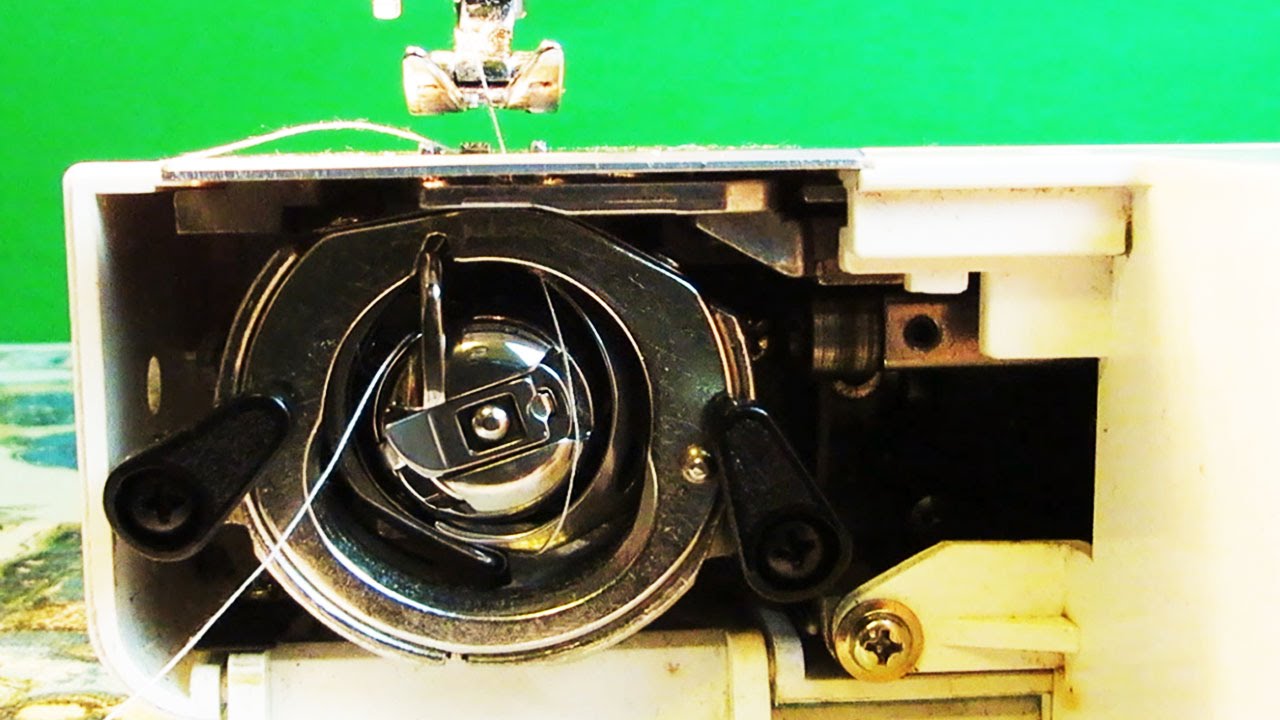
- The Bobbin Case: Some Kenmore machines have a bobbin case. This is a small metal holder. The bobbin goes inside it. The case has a little spring. This spring puts tension on the thread as it comes off the bobbin. This tension is very important for good stitches. This is part of the Kenmore sewing machine bobbin case system, often found in older or front-load machines.
- The Bobbin Area: This is where the bobbin goes into the machine. Some machines have a Kenmore drop-in bobbin area on top, under a clear cover. Others have a Kenmore front-load bobbin area, often behind a small door near the needle plate.
These Kenmore sewing machine parts work together. They make sure the lower thread comes out smoothly.
Preparing to Wind Your Bobbin
Before you start winding, you need a few things.
- A Bobbin: You need an empty bobbin. Use one made for your Kenmore machine. Look in your machine’s book if you are not sure.
- Thread: Use the thread you plan to sew with. Make sure it matches the thread you will use on top.
- Your Machine: Your Kenmore machine must be set up for winding.
Make sure your work area is clean. Lint and dust can cause Kenmore bobbin problems later.
Winding a Kenmore Bobbin: Step By Step
Now, let’s wind that bobbin. This uses the Kenmore bobbin winder.
- Put Thread on the Spool Pin: Your thread spool goes onto the spool pin. This is usually on top of the machine. Some machines have pins that stand up. Some lay flat. Put the thread spool on so the thread comes off smoothly. Think about how the thread unwinds. It should pull off easily without catching.
- Guide the Thread: Find the thread guides on your machine. These are little hooks or loops. They guide the thread from the spool to the bobbin winder. Follow the path shown in your machine’s manual. There is often a guide just for bobbin winding. It might look like a metal disc or a small hook. This guide helps put tension on the thread as it winds. This makes the bobbin wind tightly. Winding a Kenmore bobbin needs this tension.
- Find the Kenmore Bobbin Winder: Look for the bobbin winder spindle. It sticks out from the machine, often on the top or front. There is usually a small stop or lever near it.
- Put the Bobbin on the Spindle: Take your empty bobbin. Put it onto the bobbin winder spindle. Push it down firmly. It should fit snugly.
- Start the Thread on the Bobbin: Take the end of your thread. Pass it through one of the small holes in the edge of the bobbin. Some bobbins have one hole. Some have two. Push the thread through from the inside of the bobbin. Wrap the thread around the center of the bobbin a few times by hand. Hold the thread end tight for a moment.
- Move the Winder: Slide the bobbin winder spindle (with the bobbin on it) towards the stop or lever next to it. This engages the bobbin winding system. On many Kenmore machines, this action disconnects the needle movement. This is good. You only want the bobbin winder to spin. Your machine might make a click sound.
- Start the Machine: Press the foot pedal gently. The bobbin will start to spin quickly. The thread will wrap around it. Hold the thread end you were holding for just a few seconds. The thread will catch. The machine will start winding on its own.
- Guide the Thread (Optional but Recommended): As the bobbin fills, you can gently guide the thread with your finger. Move your finger back and forth slightly. This helps the thread wind evenly across the bobbin. An evenly wound bobbin prevents Kenmore bobbin problems with tension later.
- Stop Winding: Watch the bobbin fill up. Most bobbin winders have an auto-stop. When the bobbin is full enough, the winder will stop spinning or slow down a lot. It stops when the thread reaches a certain level on the bobbin. You can also stop winding sooner if you do not need a full bobbin. Just take your foot off the pedal.
- Cut the Thread: Once the bobbin is wound, slide the bobbin winder back away from the stop. Lift the bobbin off the spindle. There might be a small blade on your machine near the winder. Use this to cut the thread linking the bobbin to the spool. Or use scissors.
- Trim the Thread End: Trim the little tail of thread sticking out from the bobbin. Be careful not to cut the wound thread.
You now have a full bobbin, ready to use. Winding a Kenmore bobbin is simple once you do it a couple of times.
Table: Quick Bobbin Winding Steps
| Step | Action | Why It Helps |
|---|---|---|
| 1. Set up Spool | Put thread on the spool pin. | Makes thread come off smoothly. |
| 2. Guide Thread | Follow the thread path to the winder guide. | Puts needed tension on thread for tight winding. |
| 3. Find Winder | Locate the bobbin winder spindle. | This is where the bobbin goes. |
| 4. Put Bobbin on Spindle | Push empty bobbin onto the spindle. | Gets the bobbin ready to spin. |
| 5. Start Thread on Bobbin | Pass thread end through a hole, wrap a few times. | Starts the winding process neatly. |
| 6. Engage Winder | Slide winder towards the stop. | Connects the winder to the machine’s motor. |
| 7. Start Machine | Press pedal gently. | Makes the bobbin spin and wind thread. |
| 8. Guide (Optional) | Gently move thread across bobbin as it fills. | Helps thread wind evenly. |
| 9. Stop Winding | Winder stops or you lift foot off pedal. | Stops the winding when done. |
| 10. Cut Thread | Use cutter or scissors to cut thread from spool. | Separates the wound bobbin. |
| 11. Trim End | Trim the little thread tail on the bobbin. | Makes it neat, prevents tangles when inserting. |
Inserting Bobbin in Kenmore: Drop-in Style
Many newer Kenmore machines have a drop-in bobbin system. This is often easier than front-load. The bobbin area is usually on top, right under the needle plate. It often has a clear plastic cover so you can see the bobbin. This is the Kenmore drop-in bobbin system.
Here is how to put the bobbin in. This is part of inserting bobbin in Kenmore.
- Raise the Needle: Turn the handwheel on the side of your machine. Turn it towards you. Make the needle go all the way up. The take-up lever (the part the top thread goes through) should also be at its highest point.
- Open the Bobbin Area: Slide open or remove the clear plastic cover over the bobbin area. This is usually right in front of or to the side of the needle.
- Pick Up the Bobbin: Take the bobbin you just wound. Look at which way the thread comes off the bobbin. This is very important for Kenmore drop-in bobbin types.
- For most Kenmore drop-in bobbins, the thread should come off counter-clockwise. If you pull the thread end, the bobbin should spin to the left.
- Check your machine’s manual. Some older or specific models might be different. There is often a small picture near the bobbin area showing the correct direction.
- Drop the Bobbin In: Place the bobbin into the bobbin holder area. It should sit flat. Make sure it is in the right direction (usually counter-clockwise).
- Guide the Thread: There is a specific path the thread must follow after the bobbin is in place. Find the small slots or guides along the edge of the bobbin holder.
- Take the thread tail from the bobbin.
- Pull it through the first slot (often marked with numbers or lines).
- Pull it along the channel.
- Pull it through the second slot or guide.
- The thread should now be held slightly. There might be a small blade here to cut the extra thread.
- Leave a Thread Tail: Let about 4-6 inches of thread hang out. It should come out towards the back or side of the machine.
- Close the Cover: Slide the clear plastic cover back into place.
That is how you put the bobbin in a Kenmore drop-in bobbin system. The next step is getting this lower thread ready to sew. This is part of threading lower thread Kenmore.
Inserting Bobbin in Kenmore: Front-Load Style
Older Kenmore machines often use a front-load bobbin system. This uses a separate Kenmore sewing machine bobbin case. The bobbin area is usually under the machine’s needle plate. You might open a small door on the front of the machine to get to it.
Here is how to insert the bobbin using a bobbin case. This is part of inserting bobbin in Kenmore, specifically front-load.
- Raise the Needle: Turn the handwheel towards you. Make the needle go all the way up. The take-up lever should also be at its highest point. This gives you space to work.
- Open the Door: Open the small door on the front of the machine, usually below the needle.
- Get the Bobbin Case: If there is a bobbin case already in there, take it out. There is usually a small latch or handle on the case. Pull this to release and remove it. This is the Kenmore sewing machine bobbin case.
- Put Bobbin in Case: Take your wound bobbin. Hold the bobbin case in your other hand.
- Look at how the thread comes off the bobbin. For front-load bobbin cases, the thread usually comes off clockwise. If you pull the thread, the bobbin spins to the right.
- Check your machine’s manual or look at the case. There might be a small picture.
- Put the bobbin into the Kenmore sewing machine bobbin case.
- Thread the Bobbin Case: This is very important for setting Kenmore bobbin tension.
- Take the thread tail coming off the bobbin inside the case (remember, usually clockwise).
- Pull the thread through the slot on the edge of the bobbin case.
- Pull the thread under the tension spring on the side of the case. There is a flat piece of metal with a screw. The thread slides under this. You will feel a little resistance. This is the Kenmore bobbin tension spring working.
- Pull the thread tail out, leaving about 4-6 inches hanging from the case.
- Hold the Latch: Hold the bobbin case by its little latch or handle. This keeps the bobbin from falling out while you put it back in the machine.
- Insert the Case: Slide the bobbin case back into its spot in the machine. There is a central pin or hook it slides onto. It should click or snap into place when it is in all the way. Make sure the latch releases and lies flat against the case.
- Leave a Thread Tail: The thread tail should hang down from the bobbin area.
- Close the Door: Close the small door on the front of the machine.
Inserting bobbin in Kenmore front-load style takes a little practice with the case. But it gets easy fast.
Threading Lower Thread Kenmore
You have the bobbin in the machine. Now you need to get that lower thread up and ready to meet the top thread. This is threading lower thread Kenmore.
- Hold the Top Thread: Make sure your machine is threaded on top first. Hold the end of the top thread loosely with one hand. It should be coming from under the presser foot (the part that holds fabric down). Hold it out to the side or front of the machine.
- Turn the Handwheel: Use your other hand to turn the handwheel on the side of the machine. Turn it towards you (counter-clockwise).
- Watch the needle go down into the bobbin area.
- As the needle comes back up, it will catch the bobbin thread.
- It will pull a small loop of the bobbin thread up.
- Catch the Loop: As the loop of bobbin thread appears, often just under the needle plate, use your finger or a small tool (like tweezers) to gently pull this loop up.
- Pull Up the Thread: Keep pulling the loop of thread. It will bring the end of the bobbin thread up through the hole in the needle plate.
- Pull Both Threads Back: You should now have two threads coming up through the needle plate: the top thread and the bobbin thread. Pull both threads together under the presser foot. Pull them towards the back of the machine. Leave about 4-6 inches of both threads hanging behind the presser foot.
Now your machine is threaded, both top and bottom. You are almost ready to sew! Threading lower thread Kenmore is the last step before testing.
Grasping Kenmore Bobbin Tension
Kenmore bobbin tension is how much pull is on the bobbin thread as it comes out. This tension must be right for the bobbin thread to join neatly with the top thread. If the tension is wrong, your stitches will look bad.
- Too Loose: If the bobbin tension is too loose, the top thread will look like it is lying flat on the fabric. On the bottom side of the fabric, you will see loops of the top thread.
- Too Tight: If the bobbin tension is too tight, the bobbin thread will look like it is lying flat on the fabric. On the top side of the fabric, you will see loops of the bobbin thread.
- Just Right: When the tension is correct, the top thread and the bobbin thread lock together neatly within the fabric layers. You will see a balanced stitch on both sides.
Checking Kenmore Bobbin Tension:
The best way to check tension is to sew a test line on a scrap of the fabric you will use.
Look at the stitches on both the top and bottom of the fabric. Adjust if needed.
Adjusting Kenmore Bobbin Tension:
- Front-Load Bobbin Case: This type of bobbin case has a small screw on the tension spring.
- To make tension tighter: Turn the screw a tiny bit to the right (clockwise).
- To make tension looser: Turn the screw a tiny bit to the left (counter-clockwise).
- Make very small turns of the screw (like the size of a clock number). Test sew after each small turn. Adjusting Kenmore bobbin tension this way takes practice.
- Drop-in Bobbin: On most Kenmore drop-in bobbin systems, the bobbin tension is set at the factory. There is usually no screw to adjust. If you have tension problems with a drop-in system, it is often caused by:
- Incorrect threading (top or bottom).
- Lint or thread bits in the bobbin area or tension guides.
- Using the wrong type of bobbin.
- A damaged bobbin case area (less common).
- A problem with the top thread tension instead.
Always check your top thread tension first if your stitches look wrong. Top tension is adjusted on the main machine body. Only adjust bobbin tension (on front-load cases) if you are sure the top tension is right.
Deciphering Kenmore Bobbin Problems
Even when you follow the steps, you might run into issues. Here are some common Kenmore bobbin problems and what to do.
- Thread Nest (Bird’s Nest): This is a tangle of thread on the bottom side of your fabric. It looks like a bird’s nest.
- Cause: Most often, the top tension is too loose, or the machine was not threaded correctly on top with the presser foot down. Sometimes, incorrect threading of the bobbin thread through its tension path causes this.
- Fix: Re-thread the entire machine, top and bobbin. Make sure the presser foot is up when threading the top thread through the tension discs. Make sure the bobbin thread is correctly seated in its tension guide or under the bobbin case spring. Check your Kenmore sewing machine parts involved in threading for any trapped lint.
- Broken Bobbin Thread: The lower thread keeps snapping while you sew.
- Cause: Bobbin tension is too tight. The thread is low quality or old. There is a knot in the bobbin thread. The thread path is blocked by lint. The needle is bent or the wrong size. The bobbin case or bobbin area has a burr or rough spot.
- Fix: Check bobbin tension (loosen slightly if adjustable). Use good quality thread. Check the bobbin for uneven winding or knots (rewind if needed). Clean the bobbin area and thread path. Change the needle. Inspect the Kenmore sewing machine bobbin case or drop-in area for damage.
- Uneven Stitches / Loops: Stitches look different on top and bottom, or you see loops.
- Cause: Tension is off (top or bobbin). Incorrect threading. Using the wrong bobbin type. Lint in tension areas.
- Fix: Check and adjust both top and bobbin tension (if adjustable). Re-thread carefully, both top and bottom. Make sure you are using a bobbin made for your specific Kenmore model. Clean thread paths.
- Bobbin Jams: The bobbin or bobbin case gets stuck and will not turn.
- Cause: Thread is tangled under the bobbin or in the hook area. The bobbin is wound unevenly and is rubbing. The wrong bobbin type is used. There is excessive lint or broken thread bits jammed in the mechanism.
- Fix: Stop immediately! Do not force it. Carefully remove the needle and presser foot. Open the bobbin area. Gently try to remove the bobbin case or bobbin. Cut away any visible tangled threads. Use tweezers to pull out small bits. Clean the entire area well. Check the bobbin winding (rewind if bumpy). Ensure you use the correct bobbin. Check Kenmore sewing machine parts in the bobbin area for damage.
- Machine Won’t Sew (Top Thread Breaks): If the top thread keeps breaking, but the bobbin area seems okay, it could still be a bobbin issue.
- Cause: Bobbin tension is way too tight. The top thread cannot pull the bobbin thread up easily, causing it to snap.
- Fix: Check bobbin tension (loosen it). Make sure threading lower thread Kenmore was done right, with the thread under the tension spring or in the drop-in guide.
Dealing with Kenmore bobbin problems often means checking winding, insertion, threading lower thread Kenmore, and Kenmore bobbin tension. Cleanliness is also key. Lint is a big cause of problems.
Keeping the Bobbin Area Clean
Keeping the bobbin area clean helps prevent many Kenmore bobbin problems. Lint, dust, and small thread bits build up over time.
- Tools: Use a small brush (often comes with the machine), tweezers, and sometimes a vacuum cleaner with a small hose attachment. Do not use canned air inside the machine. It can blow lint further into the machine where you can’t get it out.
- How to Clean:
- Turn off the machine. Unplug it for safety.
- Remove the needle and presser foot.
- Open the bobbin area (remove the clear cover for drop-in, open the door for front-load).
- For front-load, remove the bobbin case. You might be able to remove the metal hook mechanism too (check your manual).
- Use the brush to sweep away lint from the bobbin holder, the feed dogs (the teeth under the presser foot), and the hook area.
- Use tweezers to pick out stubborn bits or broken threads.
- For drop-in, clean the drop-in area and the thread guides.
- Put everything back together.
Clean your machine regularly, especially after big projects or using fuzzy threads.
Using the Right Bobbin
This was mentioned earlier, but it is very important. Kenmore machines were made by different companies over the years. They use different bobbin types.
* Class 15 Bobbins: These are common. They are flat on the top and bottom. They might be metal or plastic.
* Class 66 Bobbins: These are less common now but used in some older Kenmore models. They are not flat; they are slightly rounded or tapered on the top and bottom edges.
* Specific Kenmore Bobbins: Some Kenmore machines used bobbins unique to that model or era.
* Plastic vs. Metal: Often, a machine is designed for one type. Using plastic bobbins in a machine meant for metal (or vice-versa) can affect Kenmore bobbin tension and cause problems.
Check your Kenmore sewing machine manual. It will tell you exactly what type of bobbin your machine needs. Using the wrong bobbin is a very common cause of Kenmore bobbin problems. It might seem like a small difference, but it can make sewing impossible.
Final Steps Before Sewing
You have wound the bobbin, inserted it correctly (either Kenmore drop-in bobbin or Kenmore front-load bobbin with its case), and threaded lower thread Kenmore. You have brought both threads up.
- Make sure both thread tails are pulled back under the presser foot.
- Select your stitch.
- Place your fabric under the presser foot.
- Lower the presser foot.
- Start sewing slowly to check the stitches.
If the stitches look bad, stop. Check threading again, both top and bottom. Then check Kenmore bobbin tension and top tension.
Wrapping Up: Mastering Your Kenmore Bobbin
Learning how to handle the bobbin on your Kenmore machine is a basic sewing skill. It helps you avoid frustration and make nice stitches.
Remember the key steps:
1. Wind the bobbin correctly using the Kenmore bobbin winder, making sure it is even.
2. Insert the bobbin the right way, depending on if you have a Kenmore drop-in bobbin or need to use the Kenmore sewing machine bobbin case for a Kenmore front-load bobbin. Pay attention to the direction the thread comes off.
3. Pull the lower thread up correctly (threading lower thread Kenmore).
4. Understand how Kenmore bobbin tension works and how to check it.
5. Know how to spot and fix common Kenmore bobbin problems.
6. Keep your bobbin area clean.
7. Always use the right type of bobbin for your machine.
By following this guide, you will feel more confident using your Kenmore machine. You will spend less time fixing problems and more time sewing! Handling the bobbin is a small part, but it makes a big difference in your sewing success. Practice these steps, and they will become second nature. Happy sewing!
Frequently Asked Questions (FAQ)
Q: My Kenmore bobbin winder doesn’t work. What could be wrong?
A: Make sure you pushed the bobbin winder spindle all the way over to engage it. Check if the machine’s main power is on. Sometimes, old oil or lint can slow down the winder mechanism. It might need cleaning or a drop of sewing machine oil in the right spot (check your manual). Also, make sure the thread isn’t tangled before it gets to the winder.
Q: How do I know if I have a Kenmore drop-in bobbin or a Kenmore front-load bobbin?
A: Look at where you put the bobbin. A drop-in system is usually on top, right under a clear cover near the needle. You just drop the bobbin in from the top. A front-load system is usually under the needle plate, accessed through a small door on the front of the machine. You put the bobbin inside a metal Kenmore sewing machine bobbin case first, then put the case into the machine.
Q: What is the little spring on the Kenmore sewing machine bobbin case for?
A: That is the tension spring. The thread runs under this spring. It puts pressure on the thread. This creates the Kenmore bobbin tension needed for the thread to come out smoothly and evenly.
Q: My bobbin thread looks loose on the bottom of my fabric. Is that a bobbin tension problem?
A: Actually, if the top thread looks loose and makes loops on the bottom of your fabric, the problem is most often with the top tension being too loose or the top thread not being seated correctly in the tension discs. Make sure you threaded the top of the machine with the presser foot up. If the bobbin thread makes loops on the top of your fabric, then the bobbin tension might be too loose (on a front-load case) or the top tension is too tight.
Q: Why do I have a huge tangle of thread (a “bird’s nest”) under my fabric?
A: This is a very common Kenmore bobbin problem, but it is almost always caused by incorrect top threading. Make sure the top thread is guided through all the points, especially the take-up lever, and that the presser foot was up when you threaded the top tension discs. Sometimes, not holding the top thread tail when you start sewing can cause a small nest at the very beginning.
Q: Can I use plastic bobbins instead of metal ones, or vice versa?
A: It is best to use the type of bobbin your machine was designed for. Using the wrong material can affect the weight, how it spins, and how the tension spring on the bobbin case (if you have one) works. This can lead to Kenmore bobbin problems and bad stitches. Check your manual for the correct type.
Q: My Kenmore bobbin feels stuck. What should I do?
A: Stop immediately! Do not try to force it or turn the handwheel hard. Turn off and unplug the machine. Carefully remove the needle and presser foot. Open the bobbin area. Look for tangled thread. Use small scissors to carefully cut away any thread you see jammed around the bobbin or bobbin case. Use tweezers to pull out small pieces. If you have a front-load case, try to remove it gently. If you cannot see or fix the jam, you might need to take it to a repair shop. Forcing it can damage Kenmore sewing machine parts.
Q: How often should I clean the bobbin area?
A: It is a good idea to do a quick cleaning after every project, especially if you used fuzzy thread or sewed a lot. A deeper cleaning every few projects or months is also helpful. Cleaning helps prevent many Kenmore bobbin problems before they start.