
Image Source: images.squarespace-cdn.com
Quick Guide: How To Trace A Sewing Pattern Easily
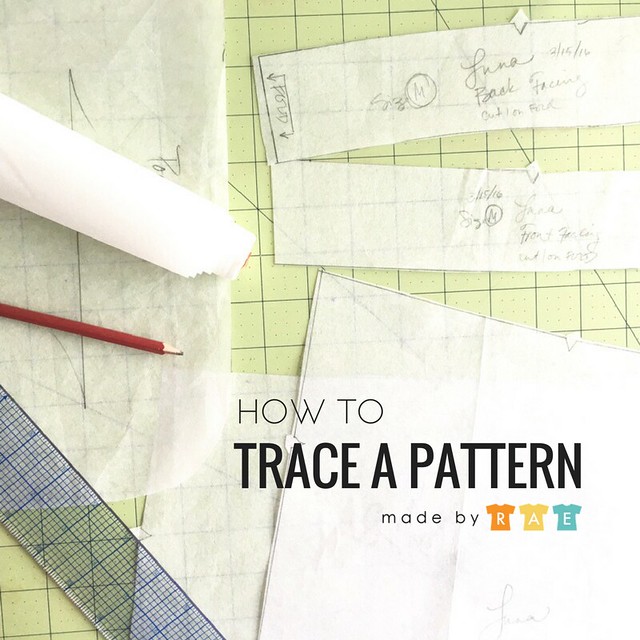
Tracing a sewing pattern is a smart move for anyone who sews. It helps you save your original pattern. You can make copies. Make copies for different sizes. Make copies for changes. It is a simple skill that makes your sewing projects much easier.
Why Trace Your Sewing Patterns?
Why should you trace a sewing pattern? There are many good reasons. It is a helpful step.
- Preserving Original Pattern: Paper patterns can rip or tear easily. When you trace, you do not cut the original pattern. You keep it nice and whole. This means you can use it again later. Use it for a different size. Use it for another project. This is a key benefit of preserving original pattern.
- Using Different Sizes: Many patterns come with many sizes on one sheet. These are called multi-size patterns. The lines for each size are often very close. Cutting a size means you cut away the other sizes. Tracing lets you copy just the size you need. You keep all sizes on the first pattern.
- Making Changes Easily: Do you need to make a pattern bigger or smaller? Do you need to change a sleeve? Tracing gives you a copy to work on. You can cut this copy. You can draw on this copy. You can change this copy. Your first pattern stays clean. This helps with copying sewing patterns for fitting.
- Working with Special Paper: Store-bought patterns are often on thin tissue paper. This paper tears easily. Tracing lets you put your pattern onto stronger paper. This makes it easier to work with. It lasts longer.
- Keeping Your Place: Sometimes you pause a project. If you cut the pattern, you must store all the pieces. If you trace, you can just trace what you need right then. Keep the rest for later.
Tracing is a small step. It adds a little time at the start. But it saves time and trouble later. It helps you sew better. It keeps your patterns safe.
What You Will Need
Gathering the right tools makes tracing simple. You do not need many things. Here is what helps the most:
Essential Tools for Tracing
- Sewing Pattern: This is the paper with the design you want to trace. It might be from a store. It might be one you printed.
- Tracing Paper: This is the paper you trace onto. It should be thin enough to see through. But strong enough not to rip easily. We will talk more about the best paper for tracing patterns soon. Sewing pattern tracing paper is made just for this job.
- Pattern Weights: These are small, heavy items. They hold the pattern paper flat. They also hold the tracing paper in place. This stops the papers from slipping. You can buy special pattern weights. Or use things like cans, rocks, or washers.
- Tracing Tool: You need something to draw the lines.
- Sharp Pencil or Pen: A fine-tip pencil works well. It makes clear lines. Some people use a pen. Make sure it does not bleed.
- Pattern Tracing Wheel: This is a tool with a small, spiky wheel at the end. You run it along the pattern lines. It makes tiny holes in the paper underneath. This is good for thick paper. Or for marking through layers. You need a surface under it that you do not mind marking. A special mat or thick cardboard works. Using a pattern tracing wheel is another way to copy lines.
- Ruler: A ruler helps you draw straight lines. It is also good for checking measurements.
- Scissors: Small scissors to cut the tracing paper after you are done.
Optional but Helpful Items
- Marking Tools: Chalk, fabric pens, or tailor’s tacks. These help with transferring pattern markings. These are dots, notches, and lines on the pattern. They tell you how to sew things together.
- Large Table or Floor Space: You need room to lay out your pattern flat.
- Tape: A little tape can help hold corners down if you do not have enough weights.
Having these items ready saves time. Set up a space where you will not be bothered. Make sure it has good light.
Setting Up to Trace
Before you start tracing, get everything ready. This makes the job smooth and easy.
Pick Your Spot
Find a large, flat surface. A big table is best. The floor works too if it is clean. Make sure you have enough space to lay out the whole pattern piece. Some pattern pieces are very big.
Prepare Your Pattern
Take your pattern out of the envelope. Open it up. It might be folded tight. You might want to press it lightly with a dry, warm iron. This helps get rid of big creases. Be careful, pattern paper is thin. Do not use steam. Do not use high heat.
Selecting Pattern Size
Look at your body measurements. Find your size on the pattern envelope. Or look inside the pattern guide. Most patterns show a chart. It tells you which size fits which body size.
Now, look at the pattern pieces themselves. Find the lines for your size. Multi-size patterns have many lines close together. Each size has a different look. Like a dashed line, a dotted line, or a solid line. There is usually a key on the pattern paper. It tells you which line belongs to which size.
Decide which size you will trace. If your measurements fall between sizes, choose the size that is closest. Or think about the style. A loose style might let you size down. A fitted style might need sizing up.
Laying Out the Papers
Put your original pattern paper flat on your surface. Find the piece you want to trace first. Lay it out flat. Use your pattern weights to hold it down. Put weights on the corners and edges. This stops the paper from moving.
Now, take your sewing pattern tracing paper. Put a piece of it over the pattern piece you want to copy. Make sure the tracing paper covers the whole pattern piece. Use more pattern weights to hold the tracing paper down. Put weights all around the edges. Make sure both papers are smooth and flat. No bumps or wrinkles.
If your tracing paper is not wide enough, you can tape two pieces together. Overlap them a little. Tape them neatly.
Steps to Trace Your Pattern
Now you are ready to trace. Take your time. Be careful.
Trace the Outer Line
Find the line for the size you picked. Follow that line carefully. Use your pencil, pen, or pattern tracing wheel.
- Using a Pencil or Pen: Draw smoothly along the size line. Keep your eye on the line you are following. Make your lines clear. But do not press too hard. You do not want to rip the papers.
- Using a Pattern Tracing Wheel: Place a mat or thick paper underneath your original pattern if you use a wheel. Roll the wheel along the size line. It will make a line of dots on the tracing paper. Press hard enough to make marks. But not so hard you tear the papers badly. This method works well if your tracing paper is a bit thicker.
Trace the whole outer edge of the pattern piece first. This is the cutting line.
Trace the Inner Marks
Next, trace all the marks inside the pattern piece. These are very important for sewing. They tell you where to match pieces. They show you where to gather fabric. They mark dart points. These are called pattern markings.
Look for:
* Notches: These are small V shapes or lines on the edge. They help you match pieces when sewing.
* Dots or Circles: These show you where to pivot, gather, or place things.
* Triangles: Used for matching points.
* Straight Lines: Show where to fold or pleat.
* Grainline: This is a long line with arrows. It tells you how to place the pattern piece on your fabric. It must be parallel to the edge of the fabric (the selvage). This is very important for how the fabric hangs.
* Fold Lines: Show where to place the pattern edge right on the fold of the fabric.
Trace every single one of these pattern markings. Do not miss any. Use your pencil or pen. Or use your pattern tracing wheel if it works for these smaller marks. Make sure they are clear on your tracing paper. This step of transferring pattern markings is key for sewing the piece correctly.
Add Important Labels
Once you have traced all the lines and marks, add writing to your traced piece. Write down:
* The pattern number or name.
* The pattern piece number (e.g., “Piece 3”).
* The name of the piece (e.g., “Front Bodice”).
* The size you traced.
* How many pieces to cut (e.g., “Cut 2”).
* Any special notes (e.g., “Cut on Fold”).
This writing is very important. It helps you know what each piece is later. It prevents mistakes when cutting your fabric.
Lift and Check
Carefully lift the tracing paper off the original pattern. Look at your traced piece. Are all the lines there? Are all the pattern markings clear? Did you write all the labels? Compare it to the original pattern piece. Make sure you did not miss anything. If something is missing, put the papers back down and trace it.
Cut Out the Traced Piece
Now you can cut out your traced pattern piece from the tracing paper. Cut carefully along the outer line you traced. Use your paper scissors. Not your fabric scissors!
Repeat these steps for every pattern piece you need for your project. Keep your traced pieces neat. You can roll them up or fold them gently. Store them with your project notes.
Choosing the Right Paper for Tracing
Selecting the best paper for tracing patterns is important. The paper needs to be:
* See-through: You must be able to see the pattern lines underneath.
* Strong: It should not tear easily while you are tracing or cutting fabric.
* Wide: Wide paper means you do not need to tape as many pieces together.
Here are some types of paper people use:
Sewing Pattern Tracing Paper
This paper is made just for tracing patterns. It is usually thin but strong. It is see-through. It often comes in wide rolls. This is a very good choice. It is designed for this job. It is often called sewing pattern tracing paper.
Pattern Drafting Paper
Pattern drafting paper is often heavier than tracing paper. It is usually not see-through. It is used for drawing patterns from scratch. Or for making big changes to patterns. It is good for making a final, strong copy of a pattern you use often. But it is not good for tracing directly from a store pattern because you cannot see through it well. You might use it to make a permanent copy after you trace onto thinner paper first.
Other Papers
- Medical Exam Table Paper: This paper is thin and comes in wide rolls. It is often see-through enough. It is a cheap option.
- Vellum Paper: This paper is more expensive. It is very see-through and strong. Good for patterns you will use many times.
- Even Thicker Paper (like brown craft paper): You can use this, but you cannot see through it well. You would need to use a pattern tracing wheel firmly. Or you might hold it up to a window or light table to see through. This makes a very strong, lasting pattern copy.
For simple tracing of store patterns, thin sewing pattern tracing paper or exam table paper is usually the best paper for tracing patterns. It is easy to see through.
Tips for Better Tracing
Follow these tips to make your tracing job go smoothly.
- Use Enough Weights: Do not be shy with your pattern weights. Use enough to keep both papers completely flat and still. This stops your lines from getting wiggly.
- Good Lighting: Trace in a place with good light. This helps you see the lines clearly. It stops eye strain.
- Sit or Stand Comfortably: You might be tracing for a while. Make sure you are comfortable.
- Use Different Color Pencils (Optional): If you are tracing a multi-size pattern, you could use a different color pencil for each size you trace. This helps keep sizes clear if you trace more than one onto the same paper.
- Trace All Marks: We said it before, but it is worth saying again. Make sure you are transferring pattern markings accurately. They are key details.
- Be Neat: Take your time. Make clean lines. This makes cutting out fabric easier later.
- Label Everything Right Away: Write down the pattern info on the traced piece as soon as you trace it. Do not wait. It is easy to forget which piece is which.
Tracing is a simple skill. With practice, you will get faster. You will feel more confident.
Common Problems and How to Fix Them
Even simple tasks can have small problems. Here are a few you might run into when tracing patterns.
- Papers Slip: This is the most common problem. Your traced line does not match the original pattern line.
- Fix: Use more pattern weights. Make sure they hold down both the original pattern and the tracing paper. Put weights along edges and inside big pieces.
- Cannot See the Lines Clearly: The paper might not be see-through enough. Or the original pattern lines are faint.
- Fix: Try different sewing pattern tracing paper. Hold the papers up to a window or use a light box. You can also use a pattern tracing wheel with a mat underneath. This makes dots you can see even if you cannot see the line clearly.
- Tracing Paper Tears: The paper is too thin. Or you pressed too hard with your pencil or wheel.
- Fix: Use a stronger tracing paper. Sewing pattern tracing paper made for patterns is often stronger than cheap alternatives. Use lighter pressure when tracing. If it tears a little, use a small piece of tape to fix it.
- Missed Pattern Markings: You traced the outline but forgot the dots or notches inside.
- Fix: Before you cut the traced piece from the paper, lift it carefully. Check it against the original pattern. Look closely for all pattern markings. If you missed any, put the paper back down and trace them. Add writing labels for all marks too (like “Gather,” “Fold Line”).
- Lines for Different Sizes Are Too Close: On multi-size patterns, the lines can be very close. It is hard to trace just one size.
- Fix: Use a ruler or straight edge to help guide your pencil along the correct line. Trace slowly and look very closely. You can also use a bright marker on the original pattern to highlight the size you want to trace. Be careful! This marks the original pattern. Test it on a scrap corner first. Or place a piece of thin paper under the original pattern and trace the size onto that first, then put your main tracing paper over that marked paper. This is an extra step but helps if the original lines are hard to follow.
Most problems with tracing come from papers moving or lines not being clear. Taking your time and using the right tools helps a lot.
Deep Dive: Pattern Weights
Let’s talk a bit more about pattern weights. They are simple tools, but very helpful.
Why Use Weights?
When you lay fabric flat, it can slide. Paper patterns also slide. Pattern weights hold everything still. They keep the pattern flat. They keep the paper you are tracing on flat. This means your traced lines are accurate. They do not wiggle because the paper moved. They are also key when cutting fabric from your traced pattern. They hold the pattern piece on the fabric without pins. This is often better for delicate fabrics.
Types of Pattern Weights
- Store-Bought Weights: You can buy weights made for patterns. They are often flat metal discs. Or fabric bags filled with sand or metal bits. They are made to be heavy and flat.
- DIY Weights: You can make your own.
- Washers or nuts from a hardware store. They are heavy and cheap. Tape a few together or cover the edges if they are sharp.
- Cans of food (small ones).
- Smooth rocks.
- Small bags filled with rice, beans, or sand.
- Pattern Weights vs. Pins: When tracing, weights are better than pins. Pins can make holes in the paper. Weights just hold it down flat. When cutting fabric, weights are also often used instead of pins.
Use several weights. Put them on the corners of the pattern piece. Put them along the edges, maybe every 8-10 inches (20-25 cm). Put one in the middle of large pieces. The goal is to stop any part of the paper from lifting or shifting.
Interpreting Multi-Size Patterns
Multi-size patterns are great because they give you options. But they can look confusing at first.
How to Read Multi-Size Lines
Look closely at the pattern sheet. There will be lines everywhere!
* Find the pattern key or guide. It will show a small drawing of each type of line (dashed, dotted, solid, dash-dot, etc.).
* Next to each line drawing, it will list the size that line belongs to (e.g., “Size 12: —-“, “Size 14: – . – . -“, “Size 16: ……..”).
* Sometimes the sizes are also printed along the lines on the pattern piece itself.
Find the line shape that matches the size you need to trace. Follow only that line. Ignore all the other lines for other sizes. This is the key step when tracing multi-size patterns.
Tracing Different Sizes
If you want to trace two sizes (maybe a size 10 top blending to a size 12 waist), you will follow the size 10 line for the top part. Then smoothly move to follow the size 12 line for the waist part. This is how you adjust patterns for your shape. Tracing makes this easy because you are working on a separate copy.
Preserving Your Work
You spent time tracing your pattern. Now you want to keep it nice. This is part of preserving original pattern and your traced copy.
- Keep Traced Pieces Safe: Once cut, fold or roll your traced pieces neatly.
- Label Clearly: Make sure every piece is labeled with the pattern name, piece number, size, and any other notes (like “Cut 2”). This was covered before, but it is very important for preserving original pattern details on your copy.
- Store Properly:
- You can put the traced pieces back into the original pattern envelope. It might be a tight fit.
- Use larger envelopes or plastic bags (like Ziploc bags). Label the outside clearly with the pattern name and size.
- Hang them up. You can poke a hole and use a hook. Or use a special pattern hanger.
- Roll up large pieces and tie them with a ribbon or rubber band. Store them in a tube.
- Use Durable Paper: If you trace onto stronger paper, like vellum or even thin craft paper, your copy will last longer. This is important if you plan on copying sewing patterns to use many times. Pattern drafting paper (though less see-through) makes a very durable copy if you transfer the lines differently.
Taking care of your traced patterns means they are ready for you next time you want to sew that design.
Frequently Asked Questions
Here are some common questions about tracing patterns.
h4 What is the best paper for tracing patterns?
The best paper for tracing patterns is usually sewing pattern tracing paper. It is thin enough to see through but strong enough to handle. Medical exam table paper is also a good and cheaper choice.
h4 Can I use a regular pencil to trace?
Yes, a regular sharp pencil works well. A fine-tip pen also works. Just be sure it does not bleed through the paper.
h4 Do I need a pattern tracing wheel?
No, you do not need a pattern tracing wheel. A pencil or pen works fine for most papers. A wheel is helpful if the original pattern paper is thick. Or if your tracing paper is thicker. You also need a surface that the spikes can go into a little, like a mat.
h4 How do I make sure I trace the right size on multi-size patterns?
Look at the pattern key to find the line type (dash, dot, etc.) for your size. Then follow only that specific line on the pattern piece. Use good light. Take your time. Trace slowly when lines are close together. This is key for tracing multi-size patterns.
h4 Why should I transfer pattern markings?
Transferring pattern markings is very important. These marks tell you how to sew the piece. They show where things match up, where to gather fabric, where to make darts, etc. If you do not transfer them, your garment pieces might not fit together right.
h4 How do pattern weights help?
Pattern weights hold your original pattern and tracing paper still and flat. This stops the papers from moving while you trace. It helps you get accurate lines. They are also used to hold pattern pieces on fabric for cutting without pins.
h4 Is copying sewing patterns legal?
Copying sewing patterns for your own personal use is generally fine. You should not copy patterns to sell them or give them away to many other people. This is like copying a book to sell. It is not allowed. But making a copy for yourself to use and keep the original safe is okay for home sewers.
h4 Can I use newspaper to trace?
Newspaper is often too thick to see through easily. The print can also make it hard to see the lines. It tears very easily. It is generally not the best paper for tracing patterns.
h4 What is pattern drafting paper used for?
Pattern drafting paper is thicker paper, often not see-through. It is used for drawing patterns from scratch. Or for making big changes to a pattern. You usually do not use it for tracing over a store pattern. You might use it to make a lasting copy of a traced pattern.
Conclusion
Tracing a sewing pattern is a simple skill with big rewards. It helps in preserving original pattern, allowing you to use it again and again. It makes it easy to work with multi-size patterns and select the right size. You can easily make changes by copying sewing patterns onto separate paper.
Gather your tools: sewing pattern tracing paper, pattern weights, a pencil or pattern tracing wheel. Take your time laying out the pattern. Carefully follow the lines for your size. Do not forget transferring pattern markings. Label your traced pieces well.
Choosing the best paper for tracing patterns helps make the job easier. Practice makes tracing quicker and more accurate. By tracing, you keep your patterns safe and make your sewing more flexible. Happy sewing!