
Getting your lovely design onto your cloth is the very first step in making beautiful embroidery. It’s how you tell your needle and thread exactly where to go. Knowing the best embroidery pattern transfer methods helps your finished work look its best. You can use things like special pens, iron-on transfer paper for embroidery, simple tracing, or even powder to get your design onto your fabric. Here, we will show you many easy ways to do this important step.
Let’s look at how to get your ideas from paper onto cloth so you can start stitching right away.
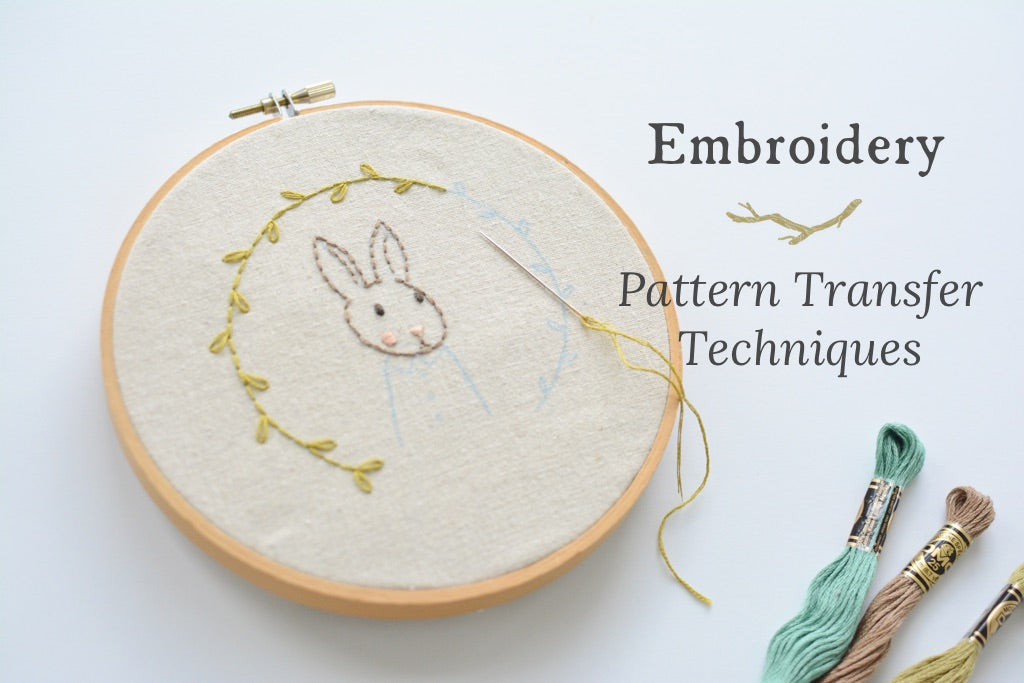
Image Source: www.twigandtale.com
Exploring Embroidery Pattern Transfer Methods
There are many ways to get your picture or words onto the fabric you want to stitch on. Which way is best depends on a few things. Think about the kind of cloth you are using. Is it light or dark? Is it thick or thin? Also, think about the kind of design you have. Is it simple lines or very detailed? And what kind of pen or pencil should you use? The things you use to mark your cloth are called marking tools for embroidery fabric. Let’s explore the popular ways people transfer designs.
Tracing Your Design Simply
One easy way to get your design onto cloth is by tracing embroidery pattern onto fabric. This method works really well on light-colored fabrics. It’s like tracing a picture from one piece of paper onto another, but you use cloth instead of the second paper.
What You Need for Tracing
- Your design printed on paper.
- Your fabric.
- A bright light source (like a window or a lamp).
- A water soluble pen embroidery transfer pen or a special tailor’s chalk pencil.
- Tape (like masking tape).
How to Trace Step-by-Step
- Make Your Space Ready: Find a sunny window or set up a bright lamp. A flat desk or table works well.
- Tape Your Design: Put your paper design on the window or light surface. Tape it down so it doesn’t move.
- Put Cloth on Top: Place your fabric right over the design. Make sure the spot you want to stitch is over the picture.
- Tape the Cloth: Tape the fabric down too. This keeps everything still while you trace.
- See the Design: The light shining through will show you the lines of your design right through the fabric.
- Trace the Lines: Use your water soluble pen or pencil to draw over the lines you see. Draw carefully. Follow every line of your picture.
- Check Your Work: When you are done tracing, take the fabric off. Hold it up to see if you got all the lines. Make any needed fixes.
Good Points About Tracing
- It’s easy to learn.
- It does not cost much.
- You can get lots of detail.
- The lines are clear.
Not-So-Good Points About Tracing
- It’s hard to do on dark cloth.
- It’s hard to do on thick cloth.
- The marks might rub off if you touch the fabric a lot.
Tips for Tracing
- Use a light box if you don’t have a bright window. We will talk more about using a light box embroidery transfer later.
- Use a pen that washes away easily. This is important!
- Don’t press too hard when you trace. Just draw the lines you need.
- Finish your stitching before you wash away the lines.
More Tracing Ideas: Using a Light Box
Using a light box embroidery transfer is just like using a window, but it’s a special tool. A light box is a flat box with a light inside and a clear top. You put your design on top of the box, then your fabric on top of that. The light shines up and helps you see the design through the fabric.
What You Need for a Light Box
- Your design paper.
- Your fabric.
- A light box.
- A water soluble pen or tailor’s chalk.
- Tape.
How to Use a Light Box
- Turn on the Box: Plug in your light box and turn on the light.
- Place Design: Put your paper design on the clear top of the light box.
- Place Fabric: Lay your fabric over the design. Line up the part you want to stitch.
- Tape: Tape the paper and fabric so they stay put.
- Trace: Trace the lines of your design onto the fabric using your marking tool.
- Check: Remove the fabric and look closely at your tracing.
Why Use a Light Box?
- You can trace anytime, day or night.
- The light is steady and bright.
- It works well for many sizes of designs.
Is a Light Box Always Best?
- You have to buy a light box.
- It might still be tricky on very thick or dark fabrics.
Using Special Pens and Pencils
We talked about using pens and pencils for tracing. These are important marking tools for embroidery fabric. There are different kinds.
Water Soluble Pens
These pens have ink that goes away with water. They are very popular.
- How to Use: Draw your design onto the fabric. When you are done stitching, wet the fabric or wash it gently, and the lines go away.
- Good Points: Lines are usually bright and easy to see. They wash away cleanly.
- Things to Remember: Always test on a small piece of your fabric first! Some pens might be hard to wash out on certain fabrics. Don’t iron the fabric before washing, or the marks might stay forever.
Air Soluble Pens
These pens have ink that goes away on its own after a while, just by being in the air.
- How to Use: Draw your design. The marks fade away over time.
- Good Points: No washing needed.
- Things to Remember: The time it takes to fade can change. It might be hours or a day or two. Be sure to stitch before the lines disappear! Test this pen too. Moisture in the air can make them fade faster.
Heat Transfer Pens/Pencils
These tools make lines that move onto the fabric when you press them with a hot iron.
- How to Use: Draw your design on paper first (draw it backward if it has words!). Put the paper on the fabric. Press with a hot iron. The ink moves to the fabric.
- Good Points: Works fast. Good for simple lines.
- Things to Remember: The lines are often permanent. They won’t wash out. Only use these if you are sure your stitches will cover all the lines. Test first!
Tailor’s Chalk or Chalk Pencils
These use chalk or a chalk-like substance.
- How to Use: Draw directly on the fabric or use with a tracing method. Chalk lines can be brushed or washed away.
- Good Points: Good for many fabrics. Can be used on dark fabrics (often white chalk).
- Things to Remember: Chalk can rub off easily while you are working. You might need to redraw lines.
Using Transfer Paper or Carbon Paper
Another good way to get your design onto fabric is by using carbon paper for embroidery transfer or special transfer paper. This is different from iron-on paper. You use pressure to move the ink from the paper to the fabric.
What You Need for Carbon/Transfer Paper
- Your design on paper.
- Your fabric.
- Special dressmaker’s carbon paper or transfer paper (comes in different colors).
- A tool for tracing (like a dull pencil, a tracing wheel, or a special stylus).
- A hard, flat surface.
How to Use Carbon/Transfer Paper
- Get Ready: Put your fabric on a hard, flat table. Make sure it’s smooth.
- Place Paper: Put the transfer paper on the fabric. The side with the color (the inky side) should be facing down onto the fabric.
- Place Design: Put your design paper on top of the transfer paper.
- Hold It Still: You can tape the layers together so they don’t move.
- Trace: Use your tracing tool to draw over the lines of your design. Press firmly but not so hard you hurt the fabric. Go over every line carefully. The pressure pushes the ink from the transfer paper onto the fabric below.
- Check: Lift up the papers gently. Look at your fabric to see the transferred design. If any lines are missing, put the papers back and trace those lines again.
Benefits of Carbon/Transfer Paper
- Works on many fabric colors, including dark ones if you use light-colored carbon paper.
- Can get lots of detail.
- Does not need a light source.
Downsides of Carbon/Transfer Paper
- The lines can be hard to remove. Some transfer paper marks are permanent. Always test!
- You need to press hard enough, but not too hard. It takes a little practice.
- The paper can smudge if you are not careful.
Using Iron-On Transfer Paper
Iron-on transfer paper for embroidery is a popular and fast way to get a design onto fabric. You print your design onto this special paper, then use a hot iron to press it onto your fabric.
What You Need for Iron-On Transfer Paper
- Your design on your computer.
- A printer.
- Special iron-on transfer paper (made for fabric).
- Your fabric.
- An iron and ironing board.
- Scissors.
How to Use Iron-On Transfer Paper
- Prepare Design: Print your design onto the iron-on paper. READ the paper instructions carefully! Some papers need you to print the design as a mirror image (flipped horizontally), especially if it has words.
- Cut Design: Cut out the design from the transfer paper. Cut close to the lines but leave a little edge.
- Heat Iron: Heat your iron to the setting the paper instructions tell you to use. Usually, it’s a hot setting with NO steam.
- Place Fabric: Put your fabric on the ironing board. Make sure it’s flat and smooth.
- Place Transfer: Put the cut-out transfer paper design onto your fabric. The side with the print should be facing down onto the fabric (or up, depending on the paper type – read the instructions!).
- Iron Design: Press the hot iron onto the paper. Hold it there for the time the paper instructions say. Some papers need you to move the iron; some need you to just press down hard.
- Let Cool: Let the paper cool down a bit.
- Peel Paper: Gently peel off the backing paper. Your design should be stuck to the fabric.
Good Things About Iron-On
- It’s very fast.
- The lines are clear and strong.
- Good for simple to medium detail designs.
- Works well for transfer methods for dark fabric embroidery if the paper is made for dark fabrics.
Things to Watch Out For
- The lines are usually permanent. You must cover them completely with stitches.
- It might not be best for very fine, detailed designs. Some detail can be lost.
- The transfer might feel a little stiff on the fabric.
- Always test on a scrap piece of fabric!
The Pounce Pad Method
The pounce pad embroidery transfer method is an older way, but it works great, especially for large designs or on fabrics where other methods are hard. It uses a fine powder that goes through small holes in your design pattern.
What You Need for the Pounce Pad Method
- Your design.
- Paper for a stencil (like tracing paper or thin card).
- A tool to make small holes (like a pin, a tracing wheel with sharp points, or a special perforating tool).
- Your fabric.
- Pounce powder (comes in white for dark fabric, or dark colors for light fabric).
- A pounce pad or soft cloth ball to hold the powder.
- Tape.
- Hairspray or a special spray to set the powder (optional but helpful).
How to Do the Pounce Method
- Make Your Stencil: Place your design paper on a soft surface (like a stack of fabric or a cork board). Use your pin or tool to make small holes along all the lines of your design. Keep the holes close together. This piece of paper with holes is your stencil.
- Prepare Fabric: Lay your fabric flat.
- Place Stencil: Put the stencil paper on top of your fabric where you want the design. Tape it down so it does not move.
- Get Powder Ready: Put some pounce powder in your pounce pad or cloth ball.
- Apply Powder: Gently rub or tap the pounce pad over the holes in the stencil. The powder will go through the holes and make dots on your fabric. Cover all the lines of your design with powder dots.
- Lift Stencil: Carefully lift the stencil straight up. You should see the design made of powder dots on your fabric.
- Set the Dots (Optional but Recommended): Lightly spray the powder dots with hairspray or a fabric-safe setting spray. Do not spray too much! This helps the dots stay on the fabric longer while you stitch. Test the spray on a scrap first.
- Stitch: Stitch your design, using the dots as your guide.
- Remove Marks: When you are done stitching, gently brush or vacuum away the powder. If you used a setting spray, you might need to wash it gently.
Why Use Pounce?
- Great for large designs.
- Good for fabrics that are hard to trace on (like velvet, thick wool, or very textured cloth).
- Works for transfer methods for dark fabric embroidery (using white powder).
Pounce Method Cons
- Making the stencil takes time.
- The powder dots can rub off before you finish stitching if not set.
- It’s harder to get very fine detail compared to tracing a solid line.
- Some powders/sprays might not come out completely. Test first!
Transfer Methods for Dark Fabric Embroidery
Working on dark fabric can be tricky because it’s hard to see light-colored pens or pencils. But don’t worry, there are good ways to transfer patterns onto dark cloth.
Here are the best transfer methods for dark fabric embroidery:
- Tracing with a Light Box and White/Light Marking Tool: If your dark fabric is thin enough, you can still use a light box. You need a white or light-colored water-soluble pen or tailor’s chalk pencil. Shine the light, lay the fabric, and trace with the white pen. Test the pen first to make sure it shows up and washes out on your specific dark fabric.
- Carbon Paper / Transfer Paper (Light Colors): As we talked about, special dressmaker’s carbon paper comes in white, yellow, or blue. Using white or yellow carbon paper on dark fabric works well. Put the fabric down, then the light-colored carbon paper (color side down), then your design paper. Trace with pressure. The light color transfers onto the dark fabric. Again, TEST the carbon paper on a scrap! Some colors are hard to remove.
- Pounce Pad Method (White Powder): This is one of the most common and best ways for dark fabric. Make your holey stencil, place it on the dark fabric, and rub white pounce powder over the holes. The white dots clearly show your design on the dark cloth. Remember to set the powder lightly.
- Iron-On Transfer Paper (For Dark Fabric): Some iron-on transfer papers are made for dark fabrics. They usually create an opaque (not see-through) white layer that the design sits on, or they transfer colored ink that shows up on dark cloth. Make sure you buy paper specifically for dark materials and follow its instructions exactly. These transfers are often permanent.
Choosing the right method for dark fabric depends on the fabric type and your design. Pounce and light-colored carbon paper are often the most flexible.
Grasping Marking Tools for Embroidery Fabric
Let’s look more closely at the different marking tools for embroidery fabric you can use. Choosing the right pen or pencil is super important because you don’t want marks left on your finished work.
| Tool Type | Best Use | Works on Fabric Color | How Marks Go Away | Important Notes |
|---|---|---|---|---|
| Water Soluble Pen | Tracing, drawing direct | Light to Medium | Wash with Water | Always test! Don’t iron before washing. |
| Air Soluble Pen | Tracing, drawing direct | Light to Medium | Fades with Air | Marks disappear over time. Test fade time. |
| Heat Transfer Pen/Pencil | Drawing on paper for iron-on transfer | Light | PERMANENT (Ironed) | Stitch must cover marks. Draw backward for words. |
| Tailor’s Chalk (Block) | Drawing straight lines, marking shapes | All (White for dark) | Brush/Rub or Wash | Rubs off easily while working. |
| Chalk Pencil | Tracing, drawing detail | All (White for dark) | Brush/Rub or Wash | Easier for detail than block chalk. Can still rub. |
| Transfer Paper (Carbon) | Tracing with pressure | All (Needs matching paper color) | Hard to remove/Permanent for some | Always test on scrap! Use dull tool to trace. |
| Pounce Powder | Using stencil for dots (large designs) | All (Needs matching powder color) | Brush/Vacuum/Wash | Needs setting spray. Dots can rub off. |
Tips for Using Marking Tools
- Always Test: This is the most important rule. Use the tool on a small, hidden piece of your exact fabric before marking your design. See if it shows up well and if it goes away completely using the method you plan (washing, air, brushing).
- Use Lightly: Draw lines only as dark or thick as you need to see them. Dark, thick lines can be harder to remove.
- Only Mark What You Need: Don’t draw extra doodles or notes on your fabric with these tools unless you are sure they will be covered or removed.
- Keep them Clean: Store pens with caps on so they don’t dry out. Keep chalk from breaking.
Putting It All Together: Choosing Your Method
With all these embroidery pattern transfer methods available, how do you pick the best one for your project?
Ask yourself these questions:
- What color is my fabric? Is it light, medium, or dark? (This helps choose between tracing, carbon paper colors, pounce powder colors, or iron-on types).
- What kind of fabric is it? Is it smooth cotton, bumpy linen, stretchy knit, or thick velvet? (Tracing is hard on bumpy or thick fabrics. Pounce is good for texture).
- How detailed is my design? Is it just a few simple lines or a picture with lots of tiny parts? (Tracing and carbon paper can be good for detail. Pounce is better for larger shapes).
- Do I want the marks to wash away or be permanent? Do my stitches cover all the lines? (Heat transfer and some carbon/iron-on methods are permanent. Water/air soluble pens and chalk wash/fade away).
- How much time do I have? (Iron-on is fast. Making a pounce stencil takes time).
- What tools do I have? (Do you have a light box? Carbon paper? Pounce supplies?).
Think about your answers, and look back at the methods and the table of marking tools. This will help you decide on the best way to get your unique design onto your fabric for stitching!
Remember, tracing embroidery pattern onto fabric is a classic for light cloth. Water soluble pen embroidery transfer is great for easily removable lines. Iron-on transfer paper for embroidery is fast and works for many fabrics, including some dark ones. Using carbon paper for embroidery transfer gives clear lines on many colors. Pounce pad embroidery transfer is a go-to for big designs or tricky fabrics. And there are specific transfer methods for dark fabric embroidery that work when others fail. Choosing the right marking tools for embroidery fabric is key to a good start.
Practice on scrap fabric if you can. This helps you feel sure about the method and tools you choose before you start on your real project. A good transfer makes the stitching part much easier and more fun!
Frequently Asked Questions About Pattern Transfer
Here are some common questions people ask about transferring embroidery designs.
h4 Is it okay if I don’t trace every single tiny line?
For most designs, yes. You need enough lines to guide your needle and show you the shape of the picture or letters. For very detailed parts, you might draw just key points or main outlines. As you stitch, you can fill in the smaller details based on your paper pattern. But for critical outlines that define the shape, trace them clearly.
h4 What if my water soluble pen marks won’t wash out?
This can happen if you used the wrong pen, if the fabric is synthetic or has special finishes, or if you accidentally ironed the fabric before washing. First, try washing again gently in cool water with a mild soap. If the marks are still there, you might try soaking the fabric (if the fabric type allows). As a last resort, some crafters have reported success with very careful dabbing of rubbing alcohol (test this in a hidden spot first, as it can damage some fabrics or colors). In the future, always test your pen on a scrap of the exact fabric before you start your project!
h4 Can I use a regular pencil to trace?
It’s usually not a good idea. Regular graphite pencils (like you use for drawing or writing) can leave marks that are very hard, or even impossible, to remove from fabric. The graphite gets stuck in the fibers. It’s much safer to use pens or pencils made for fabric that are meant to wash or fade away.
h4 My iron-on transfer didn’t stick well. Why?
This often happens if the iron wasn’t hot enough, you didn’t press hard enough, or you didn’t hold the iron on the paper for the right amount of time. The type of fabric can also matter; very textured or heat-sensitive fabrics might not work well. Make sure you used iron-on paper made for fabric (not paper for t-shirts, which is different) and follow the specific instructions that came with the paper very carefully.
h4 How do I keep my pounce powder from rubbing off while I stitch?
Using a light mist of hairspray (the cheapest kind is often recommended, but test first!) or a special fabric setting spray is the best way. Spray it lightly from about 10-12 inches away. Too much spray can make the powder hard to remove or make a sticky mess. Let it dry completely before you start stitching. Work carefully and try not to rub the fabric too much with your hands.
h4 Can I wash my fabric with the transfer marks still on it?
No! For most water-soluble pens and pencils, washing is how you remove the marks. But for heat-transfer marks and some carbon paper marks, washing will not remove them and might even set them permanently. Never wash a piece until all the marks you want to disappear are gone, and all permanent marks are completely covered by your stitches.
Choosing the right way to transfer your embroidery pattern is a key step in enjoying your stitching project. With so many embroidery pattern transfer methods available, you can find one that works perfectly for your fabric, your design, and your style. Happy stitching!