
Can you turn embroidery into a patch? Absolutely! Turning your beautiful embroidery into a patch is a fantastic way to add a personal touch to jackets, bags, hats, and more. It’s a rewarding craft that allows you to take your stitched designs and create durable, wearable art. This guide will walk you through the entire process of patch making, from preparing your embroidery to finishing your embroidered emblems. We’ll cover everything you need to know about turning stitched designs into patches, including different backing options and techniques for a professional look.
Creating fabric patch creation from your own embroidery opens up a world of creative possibilities. Whether you’re a seasoned embroiderer or just starting, you can transform your projects into something truly special. Let’s dive into the easy steps for turning stitched designs into patches.
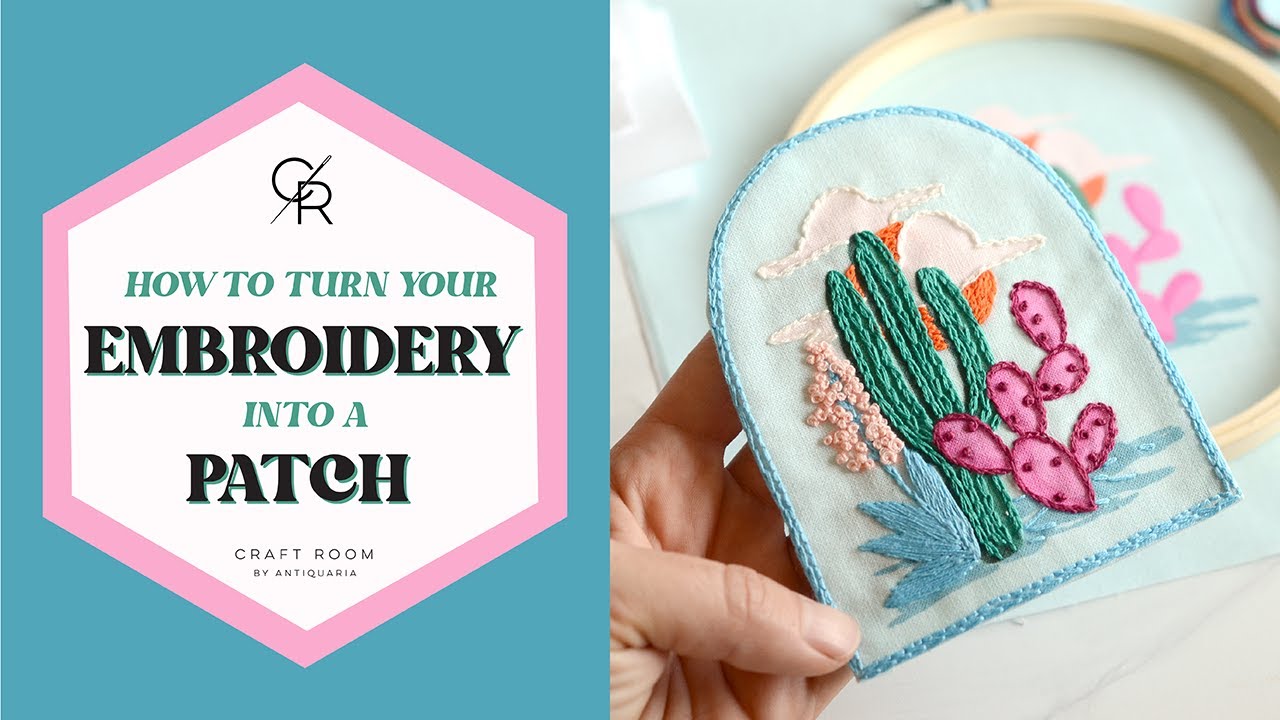
Image Source: i.ytimg.com
Getting Started: What You’ll Need
Before you start patch making, gather your materials. Having everything ready makes the process smooth and enjoyable.
Essential Supplies for Patch Creation:
- Your Finished Embroidery: This is the star of the show! Ensure it’s complete and the threads are secure.
- Embroidery Backing Material: This is crucial for giving your patch structure and preventing fraying. We’ll discuss various options below.
- Sharp Scissors: A good pair of embroidery scissors or fabric shears is essential for clean cuts.
- Fabric Glue or Spray Adhesive (Optional but Recommended): For securing the backing to your embroidery.
- Iron and Ironing Board: For pressing and adhering certain types of backing.
- Tracing Paper or Parchment Paper: To protect your iron.
- Sewing Machine or Needle and Thread: For finishing the edges.
- Pencil or Fabric Marker: For marking cutting lines.
- Template or Stencil (Optional): If you want a specific shape for your patch.
Preparing Your Embroidery for Patch Conversion
The first step in turning stitched designs into patches is preparing your embroidered piece. This involves cleaning up the back and ensuring a flat surface for adding the backing.
Trimming Excess Fabric
After your embroidery is finished, there will likely be a generous amount of excess fabric around the design. Carefully trim this away, leaving a small border of about 1/4 inch (around 6mm) around your stitched area. This border will be used to attach the backing.
- Tip: Use sharp scissors to get a clean edge. Avoid cutting too close to the stitches, as this could unravel them.
Cleaning Up the Back of Your Embroidery
The back of your embroidery might have stray threads or knots. Gently trim any loose threads. If you have a lot of thread buildup, you can carefully snip these away to create a flatter surface. This step is important for achieving a smooth finish when adding your embroidery backing.
Choosing Your Embroidery Backing: Options for Durability
The type of embroidery backing you choose will significantly impact the look, feel, and durability of your finished patch. There are several popular options, each offering unique benefits for fabric patch creation.
Exploring Different Embroidery Backing Materials:
-
Felt Backing:
- Pros: Soft, flexible, provides good structure, easy to sew or glue, readily available in many colors. Felt backing for patches is a popular choice for a comfortable feel.
- Cons: Can be slightly thicker, might show through very light embroidery.
- Best For: Jackets, bags, and general patches where a softer feel is desired.
-
Stabilizer Backing (e.g., Cutaway or Tearaway):
- Pros: Lightweight, keeps embroidery very flat and stable, easy to cut cleanly. Cutaway stabilizer is more permanent, while tearaway can be removed but might leave residue.
- Cons: Can feel stiff, may not be as comfortable against the skin if worn directly.
- Best For: Intricate designs, designs that need a very crisp edge, or when you want a lightweight patch.
-
Heat Seal Backing:
- Pros: Allows the patch to be ironed onto fabric, very convenient for application. This is often used for creating sew on patches that can also be ironed for extra security.
- Cons: Requires careful application with an iron, can be a bit stiff, may not adhere well to all fabric types.
- Best For: Quick application on smooth fabrics like cotton or polyester blends.
-
Plastic Patch Backing (e.g., vinyl or clear plastic):
- Pros: Waterproof, very durable, gives a distinct plastic-like finish.
- Cons: Can be stiff, not breathable, requires specific cutting tools (like a die cutter).
- Best For: Patches for outdoor gear, bags, or where high durability is needed.
-
Canvas or Twill:
- Pros: Strong, durable, classic patch material, can be sewn easily.
- Cons: Can be a bit stiff, might require interfacing for very thin embroidery.
- Best For: Traditional patch looks, sturdy items.
The Patch Making Process: Step-by-Step
Once you have your materials and your embroidery prepared, it’s time to start the actual patch making process.
Step 1: Attaching the Embroidery Backing
The method for attaching the backing depends on the type you’ve chosen.
Attaching Felt or Stabilizer Backing:
- Cut the Backing: Cut a piece of your chosen backing material (felt or stabilizer) slightly larger than your embroidered design, leaving about a 1/4 inch border around the trimmed edge of your embroidery.
- Apply Adhesive:
- Fabric Glue: Apply a thin, even layer of fabric glue to the back of your embroidery, extending to the trimmed edges. Alternatively, apply it to the backing material.
- Spray Adhesive: Spray a light, even coat of temporary fabric spray adhesive onto the backing material. Place it on a protected surface first.
- Position and Press: Carefully place your embroidery onto the adhesive-covered backing material. Smooth it down firmly from the center outwards to ensure good contact and to remove any air bubbles.
- Weight and Dry: Place a heavy book or flat object on top of the adhered pieces. Let it dry completely according to the adhesive manufacturer’s instructions. This ensures a strong bond before you proceed.
Attaching Heat Seal Backing:
- Cut the Backing: Cut a piece of heat seal backing slightly larger than your embroidered design.
- Position: Place your embroidery face down on a clean, flat surface. Place the heat seal backing, adhesive side down, onto the back of your embroidery.
- Ironing:
- Preheat your iron to a medium-high setting (check the heat seal backing instructions for specific temperature).
- Place a piece of parchment paper or tracing paper over the heat seal backing to protect your iron.
- Press the iron firmly onto the backing for about 10-20 seconds, applying even pressure.
- Allow it to cool completely before checking the adhesion. You may need to repeat the process for a stronger bond.
Step 2: Shaping Your Patch (Embroidery Die Cut Techniques)
Now it’s time to give your patch its final shape. This is where you can get creative with embroidery die cut style designs or stick to simple shapes.
Cutting Techniques for Patches:
-
Freehand Cutting:
- Method: Use sharp fabric scissors to carefully cut around your embroidered design, following the edge of the backing material you attached. You can cut it into a circle, square, oval, or any custom shape you desire.
- Tip: For smooth curves, cut with gentle, continuous motions.
-
Using a Template:
- Method: Create a paper template of the desired shape for your patch. Place the template over your adhered embroidery and backing, trace the outline with a fabric marker or pencil, and then cut along the traced line.
-
Rotary Cutter and Mat (for straight edges):
- Method: If you’re aiming for a sharp, straight edge, a rotary cutter and a self-healing cutting mat can be very effective. Use a ruler as a guide for perfectly straight lines.
-
Die Cutting (for advanced crafters or production):
- Method: For perfectly uniform shapes, especially if you’re making multiple patches, a die-cutting machine (like a Cricut or Sizzix with fabric dies) can be used. You’ll need to ensure your embroidery is on a material suitable for die cutting, or use a die specifically designed for fabric patches. This is often referred to as embroidery die cut if the embroidery design itself is cut out.
Step 3: Finishing the Edges
The final step is to create a clean, finished edge that prevents fraying and gives your patch a professional look. This is key to successful fabric patch creation.
Edge Finishing Options:
-
Satin Stitch Edge:
- Method: This is a classic technique for creating neat, slightly raised borders. Using your sewing machine or by hand, stitch a satin stitch around the outer edge of your patch. The stitches should be close together and cover the raw edge of both the embroidery fabric and the backing.
- How-to:
- Set your sewing machine to a satin stitch or a very close zigzag stitch.
- Slowly guide the edge of your patch under the needle.
- You might need to adjust the stitch width and length for a clean finish.
- Go around the entire perimeter.
-
Overcasting Stitch:
- Method: Use a zigzag stitch on your sewing machine to overcast the edge. This stitch catches the raw edge and prevents it from unraveling. It’s a simpler and quicker alternative to a satin stitch.
- How-to:
- Set your sewing machine to a zigzag stitch.
- Stitch along the very edge of the patch, ensuring the needle goes over the edge on one side and into the fabric on the other.
-
Sewing onto a Fabric Border (for a framed look):
- Method: You can create a fabric border around your patch for a unique look. Cut a strip of fabric (like cotton or twill) slightly wider than you want the border to be. Fold the raw edges inwards and stitch them to the edge of your patch, creating a clean frame.
-
Using Heat Seal Backing with a Stitched Edge:
- Method: If you used heat seal backing, you can still add a stitched edge over it for extra durability and a more finished appearance. After ironing, you can stitch around the edge as described above. This reinforces the patch and makes it more robust, especially if you intend to create sew on patches.
Creating Sew-On Patches vs. Iron-On Patches
The way you finish your patch will determine whether it’s primarily a sew on patch or an iron-on patch.
Sew-On Patches:
- Characteristics: These patches are designed to be attached by sewing them directly onto the fabric. They are generally more durable and can be applied to a wider range of materials, including thicker fabrics and those that don’t react well to heat.
- Finishing: Patches intended to be sew on patches often have a clean, finished edge created by a satin stitch or an overcasting stitch. They might have a fabric backing or a sturdy stabilizer backing. Heat seal backing can be used in conjunction with a sewn edge for added security.
- Application: Use a sewing machine or a needle and thread to stitch around the perimeter of the patch, attaching it securely to your garment or item.
Iron-On Patches:
- Characteristics: These patches have a heat-activated adhesive on the back, allowing them to be fused onto fabric using an iron. They offer quick and easy application but may not be as permanent or suitable for all fabric types.
- Finishing: Heat seal backing is essential for iron-on patches. The edges are often left clean-cut or may have a thin stitched border.
- Application: Place the patch onto the desired location, cover with parchment paper, and iron with firm pressure for the recommended time. Ensure the fabric can withstand the heat.
Advanced Techniques for Professional Patches
For those who want to elevate their fabric patch creation to a professional level, there are a few more techniques to consider.
Embroidery Applique:
- What it is: Embroidery applique involves stitching a design onto a base fabric and then cutting away the excess fabric around the design to reveal the underlying material. When turning embroidery into a patch, you can think of the backing material as your “base fabric” that you’re attaching your design to, and then cutting around it. However, you can also create a more integrated applique effect by using contrasting backing fabrics.
- How to apply: You can create a layered look by stitching your embroidered design onto a piece of felt or patterned fabric, and then cutting away the excess from that base layer to reveal the embroidery. This can add depth and visual interest to your embroidered emblems.
Using an Embroidery Die Cut Machine for Precision:
- Benefits: For perfect, repeatable shapes, especially for smaller or intricate designs, an embroidery die cut machine is invaluable. Some machines are specifically designed for crafting and can cut fabric with precision.
- Process: You would typically secure your embroidered piece to a suitable material and then use a die cutter with a specific patch die to cut out the shape. This method ensures perfectly crisp edges every time.
Creating Custom Backings:
- Beyond Felt: While felt and stabilizers are common, you can experiment with other materials for your backing. Think about durable fabrics like denim, corduroy, or even faux leather for a unique texture. Just ensure the backing material adheres well to your embroidery and is suitable for the edge finishing you choose.
Caring for Your Handmade Patches
Once your beautiful embroidered emblems are created, proper care will ensure they last.
Patch Care Tips:
- Washing: If your patch is on an item that needs washing, it’s best to wash it on a gentle cycle in cool water. Avoid high heat.
- Drying: Air drying is the gentlest method. If you must use a dryer, use a low heat setting.
- Ironing: If your patch is iron-on, you can re-iron it to refresh the adhesive if needed, but always use parchment paper and the correct temperature. For sew-on patches, iron around the patch, not directly over it if it has a plastic backing that could melt.
- Avoid Harsh Chemicals: Do not use bleach or harsh stain removers directly on the patch, as they can damage the threads and backing.
Frequently Asked Questions About Turning Embroidery into Patches
Here are some common questions people have when turning stitched designs into patches.
FAQ:
Q1: Can I turn any embroidery into a patch?
A1: Yes, generally you can turn any embroidery into a patch. However, very dense or intricate embroidery might require a more robust backing to maintain its shape and prevent damage. Lightweight stabilizers work well for detailed designs.
Q2: What is the best embroidery backing for a beginner?
A2: Felt backing is often the easiest for beginners. It’s forgiving, readily available, and simple to attach with fabric glue or spray adhesive. It also provides a nice soft finish.
Q3: How do I make sure my patch doesn’t fray?
A3: The key to preventing fraying is a good backing and a finished edge. Ensure your backing is securely attached and your chosen edge finish (like a satin stitch or overcasting stitch) completely covers the raw edges of the fabric and backing.
Q4: Can I make an iron-on patch from any embroidery?
A4: Yes, but you will need to apply a heat seal backing to your finished embroidery. Ensure the heat seal backing is compatible with your embroidery floss and the fabric it’s stitched on.
Q5: How do I get a clean edge on my patch?
A5: Sharp scissors are essential for clean cuts. For stitched edges, practice your satin stitch or zigzag stitch on scrap fabric first to get a feel for the tension and stitch length. A steady hand and slow, consistent movement are key.
Q6: What’s the difference between embroidery backing and stabilizer?
A6: While often used interchangeably, “embroidery backing” is a broader term that includes materials like felt, canvas, or heat seal. “Stabilizer” specifically refers to materials like cutaway or tearaway fabrics designed to provide structure and prevent stretching during the embroidery process. Both serve to support and finish your embroidery when creating a patch.
Q7: How do I make a patch that can be both sewn on and ironed on?
A7: Apply a heat seal backing first. Once adhered, you can then use your sewing machine to add a satin stitch or zigzag border around the edge. This creates a patch that benefits from the security of both adhesion methods.
Q8: What if my embroidery design is very large?
A8: For large designs, ensure your backing material is sturdy enough to support the weight and size of the embroidery. You might need to use a stronger adhesive and allow extra drying time. When cutting the shape, consider how the patch will be applied to ensure it fits well.
By following these steps and exploring the different options for patch making, you can confidently transform your beautiful embroidery into durable and personalized patches. Enjoy the process of turning stitched designs into patches and adding your unique touch to everything you create!