
Can you sew with a Singer sewing machine today? Yes, absolutely! Learning to use a Singer sewing machine is an achievable and rewarding skill, whether you’re a complete beginner or looking to refresh your knowledge. This comprehensive guide will walk you through everything you need to know, from Singer sewing machine setup to mastering various stitches and completing your first project.
Singer has been a household name in sewing for generations, offering a wide range of machines to suit every need and skill level. From basic mechanical models to advanced computerized machines with a plethora of Singer sewing machine features, there’s a Singer for everyone. This Singer sewing machine tutorial aims to demystify the process of operating a Singer sewing machine, making it accessible and enjoyable.
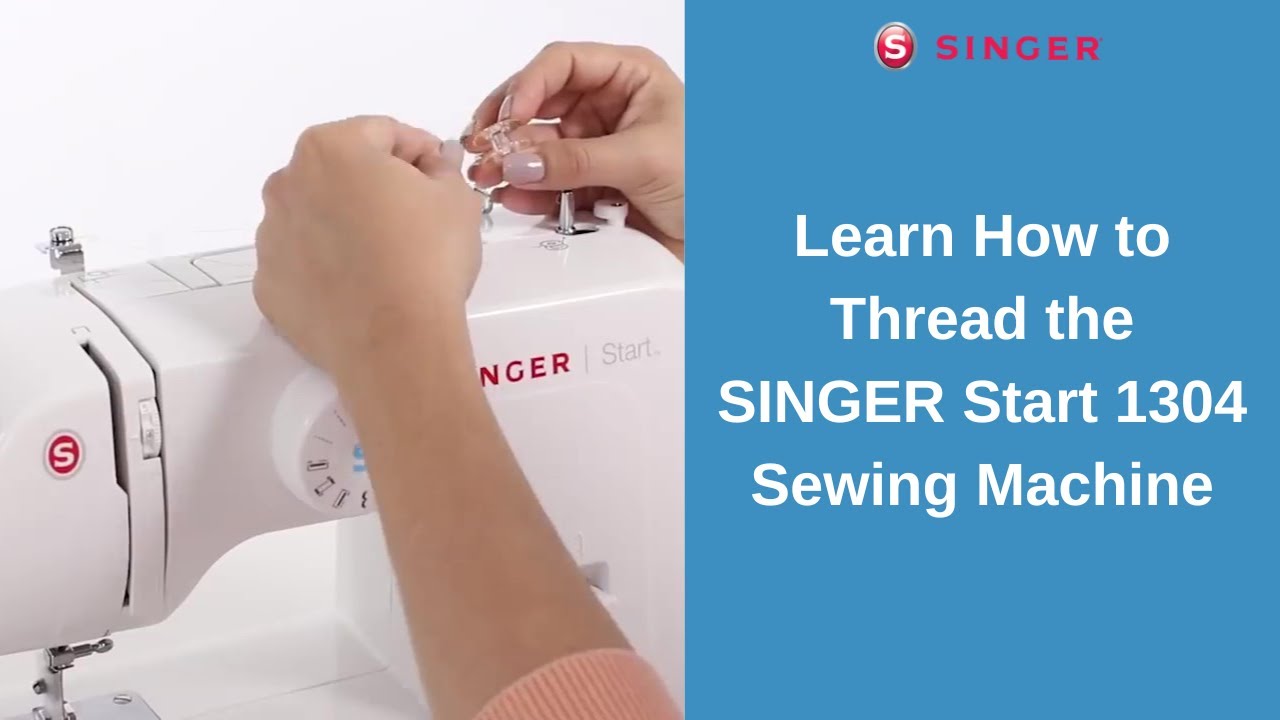
Image Source: i.ytimg.com
Deciphering Your Singer Sewing Machine Parts
Before you start sewing, it’s essential to familiarize yourself with the various Singer sewing machine parts. Each component plays a crucial role in the stitching process. While specific names might vary slightly between models, here are the core parts you’ll encounter:
Essential Components:
- Needle: The sharp metal rod that pierces the fabric and carries the upper thread.
- Presser Foot: Holds the fabric down against the feed dogs. Different presser feet are designed for specific tasks (e.g., zipper foot, buttonhole foot).
- Feed Dogs: Small metal teeth that move the fabric forward under the presser foot as you sew.
- Bobbin: A small spool that holds the lower thread.
- Bobbin Case: Holds the bobbin and controls the tension of the lower thread.
- Needle Plate (Throat Plate): A metal plate under the presser foot with a slit for the needle to pass through. It often has seam guides.
- Stitch Selector Dial/Buttons: Allows you to choose the type and length of stitch.
- Tension Dial: Controls the tightness of the upper thread.
- Handwheel: Manually moves the needle up and down. It’s usually on the right side of the machine.
- Power Switch: Turns the machine on and off.
- Foot Pedal (Controller): Controls the speed of the sewing machine.
- Spool Pin: Holds the spool of thread for the upper thread.
- Thread Guides: Direct the upper thread through the machine.
- Take-up Lever: Moves the upper thread up and down with the needle.
Understanding the Accessory Box:
Your Singer sewing machine likely came with an accessory box containing various helpful tools. These often include:
- Different Presser Feet: For specific stitches and applications.
- Needles: Assorted sizes for different fabric types.
- Bobbins: Extra spools for your lower thread.
- Seam Ripper: For undoing stitches.
- Brushes: For cleaning lint and dust.
- Screwdriver: For adjustments and needle plate changes.
- Quilting Bar (on some models): For guiding fabric when quilting.
Singer Sewing Machine Setup: Getting Ready to Stitch
Proper Singer sewing machine setup is the first step to successful sewing. It ensures your machine is threaded correctly and ready to create beautiful stitches.
1. Powering Up:
- Locate the Power Switch: It’s usually on the side or back of the machine.
- Connect the Foot Pedal: Plug the foot pedal into the designated port on the machine.
- Plug into Outlet: Connect the power cord to a wall outlet.
- Turn On: Flip the power switch to the “ON” position. Many machines will have a light that illuminates.
2. Winding the Bobbin:
The bobbin provides the lower thread for your stitches. Winding it correctly is crucial.
- Place a Bobbin on the Bobbin Winder Spindle: This is usually a small metal or plastic spindle located on top of the machine.
- Secure the Thread: Guide the end of the upper thread through the bobbin winder tension disc (if your machine has one). Then, thread it through a hole in the bobbin.
- Start Winding: Hold the thread end and gently press the foot pedal. The bobbin will start to wind.
- Cut the Thread: Once a few wraps have started, cut the excess thread tail.
- Continue Winding: Continue until the bobbin is full. Most machines have an automatic stop when the bobbin is full, or you’ll feel resistance.
- Cut the Thread: Cut the thread and remove the wound bobbin.
3. Threading the Upper Thread:
This is a critical step for creating a balanced stitch. Always consult your specific Singer sewing machine manual for precise threading paths.
- Place Spool on Spool Pin: Ensure the thread unwinds in the correct direction.
- Follow the Thread Path: Guide the thread through the designated thread guides on your machine. Pay close attention to the order.
- Pass Through the Tension Discs: This is usually a set of two discs that grip the thread to control tension.
- Go Through the Take-Up Lever: This lever moves up and down with the needle. Ensure the thread is seated properly in the eye of the lever.
- Thread the Needle:
- Manual Threading: Use a needle threader if provided, or carefully thread the needle by hand.
- Automatic Threader (on some models): Follow the machine’s instructions for automatic threading.
- Bring Up the Bobbin Thread:
- Hold the end of the upper thread.
- Turn the handwheel towards you to lower the needle.
- As the needle comes back up, it will catch the bobbin thread.
- Gently pull the upper thread to bring the bobbin loop to the surface.
- Pull both thread ends towards the back of the machine, under the presser foot.
4. Inserting the Bobbin:
The way the bobbin is inserted affects the stitch.
- Open the Bobbin Cover: Remove the needle plate or the bobbin area cover.
- Place Bobbin in Bobbin Case: Ensure the bobbin is inserted so the thread unwinds in the correct direction (usually counter-clockwise).
- Guide the Thread: Pull the thread through the designated slot or notch in the bobbin case, ensuring it goes under the tension spring.
- Seat the Bobbin Case: Place the bobbin case back into its housing, making sure it clicks or locks into place correctly.
- Replace Cover: Put the needle plate or bobbin cover back on.
5. Selecting a Stitch and Adjusting Settings:
- Choose Your Stitch: Use the stitch selector dial or buttons to choose the desired stitch (e.g., straight stitch, zigzag).
- Adjust Stitch Length and Width: For a straight stitch, you’ll adjust the stitch length. For zigzag, you’ll adjust both length and width. Refer to your Singer sewing machine manual for recommended settings for different fabrics.
- Check Tension: For a balanced stitch, the upper thread tension and bobbin thread tension should be equal. A common starting point for the upper tension dial is around 4-5.
Operating a Singer Sewing Machine: Your First Stitches
With your machine set up, you’re ready to start operating a Singer sewing machine.
1. Fabric and Needle Placement:
- Place Fabric: Slide your fabric under the presser foot.
- Lower Presser Foot: Gently lower the presser foot onto the fabric. This engages the feed dogs.
- Position Needle: Make sure the needle is positioned at your starting point on the fabric.
2. Starting to Sew:
- Hold Threads: Gently hold the needle thread and bobbin thread tails at the beginning of your seam to prevent them from getting tangled.
- Control Speed: Lightly press the foot pedal. Start slowly to gain control.
- Sewing Straight: Guide the fabric with your hands, keeping it steady. Don’t push or pull the fabric, let the feed dogs do the work. Keep your eyes on the needle and the seam guide on the needle plate.
3. Stopping and Finishing a Seam:
- Stop Sewing: Release the foot pedal.
- Raise Needle: Turn the handwheel towards you to bring the needle to its highest position.
- Raise Presser Foot: Lift the presser foot lever.
- Remove Fabric: Gently pull the fabric and stitching towards the back and away from the needle.
- Backstitching (Securing Seams): To prevent stitches from unraveling at the beginning and end of a seam, sew a few stitches forward, then press the reverse lever or button and sew a few stitches backward. Release the reverse control and continue sewing forward.
Basic Sewing Techniques on a Singer Machine
Basic sewing techniques Singer machines excel at include creating strong seams, decorative stitches, and essential garment constructions.
Creating a Straight Stitch Seam:
This is the most fundamental stitch and forms the backbone of most sewing projects.
- Select Straight Stitch: Choose the straight stitch setting on your machine.
- Set Stitch Length: A common stitch length for medium-weight fabrics is 2.5mm. For lighter fabrics, you might use a shorter stitch, and for heavier fabrics, a longer stitch.
- Sew: Follow the steps for starting and stopping seams, using the seam guides on the needle plate to maintain a consistent seam allowance.
Using the Zigzag Stitch:
The zigzag stitch is versatile and used for finishing raw edges, sewing stretch fabrics, and decorative purposes.
- Select Zigzag Stitch: Choose the zigzag stitch.
- Adjust Stitch Width and Length:
- Narrow Zigzag (Width 0.5-1.5): Ideal for finishing raw edges to prevent fraying.
- Medium Zigzag (Width 1.5-3.0): Useful for attaching elastic or as a decorative stitch.
- Wide Zigzag (Width 3.0-5.0): Good for sewing stretchy fabrics or for very decorative effects.
- Stitch Length: A shorter stitch length (1.0-2.0) creates a denser zigzag, suitable for edge finishing. A longer stitch length is for decorative purposes.
Sewing Stretch Fabrics:
Many modern types of Singer sewing machines come with specialized stitches for stretch fabrics.
- Stretch Stitch (often looks like a zigzag but is more contained): If your machine has a dedicated stretch stitch, use it.
- Narrow Zigzag: A narrow and short zigzag stitch can provide enough give for many knits.
- Ballpoint Needles: Always use a ballpoint or stretch needle when sewing knits to avoid skipping stitches or damaging the fabric.
Buttonholes:
Most Singer machines have a buttonhole function, often a four-step or a one-step process.
- Four-Step Buttonhole:
- Step 1: Set to a narrow zigzag, stitch length 0.5-1.0. Sew along one side of the buttonhole marking.
- Step 2: Set to straight stitch, stitch length 0.5-1.0. Sew across the end of the buttonhole.
- Step 3: Set back to narrow zigzag, stitch length 0.5-1.0. Sew along the other side.
- Step 4: Set to straight stitch, stitch length 0.5-1.0. Sew across the starting end.
- One-Step Buttonhole: Use the special buttonhole foot. Place the fabric under the foot, align the buttonhole markings, and follow the machine’s sequence of stitches. The machine automatically stitches all four sides.
Changing Needles:
Needles can become dull or bent, leading to skipped stitches or fabric damage. Change your needle regularly.
- Turn off the machine.
- Loosen the needle clamp screw: Use a screwdriver or your fingers if it’s a thumb screw.
- Remove the old needle.
- Insert the new needle: Ensure the flat side of the needle shank faces the back of the machine. Push it all the way up into the clamp.
- Tighten the needle clamp screw.
Learning to Sew on a Singer: Tips for Beginners
Learning to sew on a Singer machine is a rewarding journey. Here are some tips to make it smooth and enjoyable:
Practice Makes Perfect:
- Start with Scrap Fabric: Before tackling a project, practice sewing straight lines, curves, and corners on scrap fabric.
- Experiment with Stitches: Try out different stitches and their settings on scraps to see how they work.
- Sew Straight Lines: Focus on keeping your stitches straight and consistent. Use the seam guides on the needle plate.
Fabric Choices Matter:
- Beginner-Friendly Fabrics: Start with easy-to-handle fabrics like cotton, cotton blends, or linen. These fabrics don’t fray easily and are stable.
- Avoid Difficult Fabrics: Stay away from slippery satins, stretchy knits, or heavy denim initially.
Maintaining Your Machine:
Regular maintenance is key to your Singer sewing machine’s longevity and performance.
- Clean Your Machine: After each use, or at least every few hours of sewing, clean out lint and dust from the bobbin area and feed dogs using the brush provided.
- Oil Your Machine (if applicable): Some older or mechanical Singer machines require occasional oiling. Refer to your Singer sewing machine manual for specific instructions on where and how to oil. Modern machines are often self-lubricating.
- Service Your Machine: If your machine feels rough, makes unusual noises, or stitches are consistently problematic, it might need professional servicing.
Singer Sewing Machine Troubleshooting: Solving Common Issues
Even with the best care, you might encounter issues. Here’s some Singer sewing machine troubleshooting for common problems:
Problem: Skipped Stitches
- Possible Causes:
- Bent or dull needle.
- Incorrect needle type for the fabric.
- Needle inserted incorrectly.
- Bobbin wound unevenly.
- Upper or lower thread tension is too tight.
- Solutions:
- Change the needle.
- Use the correct needle type (universal, ballpoint, denim, etc.).
- Re-insert the needle, ensuring the flat side is in the back.
- Rewind the bobbin smoothly.
- Adjust tension dials.
Problem: Thread Breaking
- Possible Causes:
- Thread snagged or improperly threaded.
- Tension is too high.
- Needle eye is burred or sharp.
- Bobbin case is rough or damaged.
- Incorrect thread type.
- Solutions:
- Re-thread the machine carefully, ensuring all guides are followed.
- Lower the upper thread tension.
- Change the needle.
- Check the bobbin case for burrs and clean or replace if necessary.
- Use good quality thread.
Problem: Fabric Not Feeding Properly
- Possible Causes:
- Presser foot is not lowered.
- Feed dogs are lowered (some machines have a switch for this).
- Lint buildup under the needle plate.
- Tension is too tight.
- Solutions:
- Ensure the presser foot is lowered.
- Check if the feed dogs have been accidentally lowered.
- Clean the feed dogs and needle plate area.
- Slightly loosen tension.
Problem: Looping or Puckering on the Fabric Underside
- Possible Causes:
- Upper thread tension is too loose.
- Bobbin tension is too tight.
- Thread is not properly seated in the bobbin case.
- Solutions:
- Increase upper thread tension.
- Slightly loosen the bobbin case screw (only a tiny adjustment).
- Ensure the bobbin thread is correctly pulled through the bobbin case slot.
Types of Singer Sewing Machines and Their Features
Singer offers a diverse range of sewing machines, each with unique Singer sewing machine features to cater to different sewing needs.
Mechanical Sewing Machines:
These are the workhorses of the sewing world, relying on manual adjustments for stitch selection, length, and width. They are generally robust, durable, and excellent for learning to sew on a Singer.
- Examples: Singer Start Series, Singer Tradition Series.
- Key Features:
- Simple operation.
- Durable metal construction.
- Basic stitches (straight, zigzag, buttonhole).
- Good for basic alterations, home decor, and beginner projects.
Electronic Sewing Machines:
These machines offer more stitch options and electronic controls, making them easier to use than purely mechanical models.
- Examples: Singer Simple Series, Singer Merritt Series.
- Key Features:
- More stitch patterns.
- Electronic stitch selection.
- Often have built-in needle threaders.
- Better control over stitch settings.
Computerized Sewing Machines:
These advanced machines bring a high level of automation and a vast array of stitches and capabilities.
- Examples: Singer Heavy Duty Series (some computerized models), Singer Futura Series, Singer Quantum Series.
- Key Features:
- Hundreds of stitch patterns, including decorative and quilting stitches.
- LCD or touchscreen displays.
- Advanced stitch editing.
- Automatic thread cutters.
- Embroidery capabilities (on some models).
- Computer connectivity for downloading designs.
Sergers and Overlockers:
While not a traditional sewing machine, Singer also offers sergers, which are used to finish seams, trim excess fabric, and create professional-looking edges in one step.
- Key Features:
- Trim, stitch, and overlock in one pass.
- Ideal for knit fabrics and garment construction.
- Use multiple threads for strong, elastic seams.
When choosing a Singer sewing machine, consider your skill level, the types of projects you plan to undertake, and your budget. For absolute beginners, a reliable mechanical or basic electronic model is an excellent starting point for learning to sew on a Singer.
Frequently Asked Questions (FAQ)
Q1: What is the best Singer sewing machine for a beginner?
A: For beginners, a good choice would be a simple mechanical Singer sewing machine like the Singer Start 1304 or Singer Tradition 2277. These offer essential stitches and are easy to operate, making them ideal for learning to sew on a Singer.
Q2: How often should I change the needle on my Singer sewing machine?
A: It’s recommended to change your needle after approximately 6-8 hours of sewing time, or whenever you encounter skipped stitches, thread breaks, or fabric damage. For best results, always use a new, sharp needle.
Q3: Can I use any brand of thread with my Singer sewing machine?
A: While you can use most good-quality sewing threads, it’s best to use threads specifically designed for sewing machines. Avoid very cheap or old threads, as they can be brittle and cause breakage. Always ensure your thread is suitable for your fabric type.
Q4: My Singer sewing machine is making a strange noise. What should I do?
A: Strange noises can indicate several issues. First, check that all parts are properly seated, especially the bobbin case and needle. Ensure the machine is clean and free of lint. If the noise persists, consult your Singer sewing machine manual for Singer sewing machine troubleshooting tips or consider having the machine serviced by a professional.
Q5: What is the difference between stitch length and stitch width?
A: Stitch length controls how far apart each stitch is along the fabric (e.g., longer stitches for basting, shorter for durability). Stitch width controls how wide the needle swings from side to side, primarily used for zigzag stitches or decorative patterns.
Q6: How do I adjust the tension on my Singer sewing machine?
A: The tension is usually adjusted with a dial, typically numbered. For a balanced stitch, the upper thread tension should be appropriate for the fabric and bobbin thread. Experiment on scrap fabric, adjusting the upper tension dial (higher numbers for tighter tension, lower for looser) until the stitches look even on both sides.
Mastering your Singer sewing machine is a journey of exploration and creativity. By following these steps and practicing regularly, you’ll soon be creating beautiful projects with confidence. Happy sewing!