
Image Source: support.brother.com
Step-by-Step How To Wind A Bobbin On A Brother Sewing Machine
Winding a bobbin is a key first step before you can sew. It holds the bottom thread that joins with the top thread to make stitches. Winding a bobbin on a Brother sewing machine is easy once you know the steps. This guide will walk you through the process. You will learn how to get your bobbin ready for sewing. This includes threading the thread for bobbin winding and using the Brother bobbin winder parts correctly. Filling bobbin on Brother machine is a simple task.
Getting Ready To Wind
Before you start, gather what you need. You will need your Brother sewing machine. You also need a thread spool. Make sure the thread is good quality. You will need an empty bobbin that fits your Brother machine. Most Brother machines use a specific type of bobbin. Check your machine’s manual to be sure. Using the wrong bobbin can cause problems. It can make the machine not sew right. It can also damage the bobbin winder Brother parts.
What You Need
- Your Brother Sewing Machine
- A Spool of Thread
- An Empty Bobbin (Check your manual for the right type)
- Your Machine Manual (Helpful if you get stuck)
Picking The Right Thread
Choosing the correct thread is important. Use thread made for sewing machines. Cheap or old thread can break easily. It can also cause lint to build up. This can make your machine sewing poorly. Match the thread weight to your fabric and needle. For general sewing, a medium-weight polyester thread is good. Make sure the thread spool is not damaged. A spool with nicks or cuts can snag the thread.
Selecting The Correct Bobbin
Using the right bobbin is very important. Brother machines often use plastic bobbins. They are usually clear. They might have a specific shape or size. Check your machine’s manual. It will tell you the right bobbin type. Using a metal bobbin in a machine made for plastic ones can cause problems. It can affect the magnetic sensor that tells you when the bobbin is low. It can also wear down the bobbin case faster. Always use genuine Brother bobbins if possible. Or use high-quality bobbins that match the Brother specifications. Look for bobbins labeled ‘Class 15’ or ‘SA156’ for many home Brother models.
Preparing The Machine
Now, let’s set up your machine for Brother sewing machine bobbin winding.
Locating The Spool Pin
First, find the Brother sewing machine spool pin. Most Brother machines have one or two spool pins. These are usually on the top of the machine. They can be upright or lay flat.
* Upright Spool Pin: This type stands up. You place the thread spool on it. Make sure the thread comes off the spool correctly. If the spool has a slot, face it away from you. This helps the thread unroll smoothly.
* Horizontal Spool Pin: This type lies flat. You place the thread spool on it horizontally. You usually need a spool cap. The spool cap holds the thread spool in place. Pick a spool cap that is slightly bigger than the hole in your thread spool. This keeps the thread from getting caught.
Put your thread spool onto the spool pin. Make sure it sits firmly.
Setting Up The Bobbin Winder
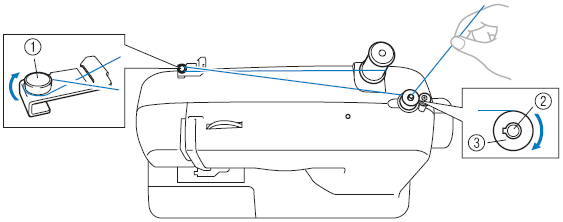
Find the bobbin winder spindle on your machine. This is a small metal or plastic pin. It is usually on the top right side of the machine. This is where you will place the empty bobbin. Beside the spindle, you will see a little guide. This is often called the bobbin winding guide Brother. It helps the thread wind onto the bobbin evenly. There might also be a small cutting blade near the bobbin winder. This is for cutting the thread when the bobbin is full.
Threading For Bobbin Winding
Now you need to thread the machine specifically for filling bobbin on Brother machine. This is different from threading the machine for sewing.
Routing The Thread
Take the thread from the spool. Guide it through the first thread guide. This guide is usually near the spool pin. It might be a small hook or a loop. Follow the line or numbers shown on your machine. Brother machines have numbered diagrams printed on them. These diagrams show you the path the thread should follow. Look for the path marked for bobbin winding. This path is usually shorter than the sewing path.
The thread will then go to the bobbin winding tension disk. This is a crucial part for getting the right bobbin winding tension Brother. It puts a little pull on the thread. This tension helps the thread wind onto the bobbin tightly and smoothly. Find the bobbin winding tension disk. It often looks like two metal disks pressed together. Wrap the thread around or through this disk. Make sure the thread sits correctly in the tension disk. If the thread is not in the tension disk, the bobbin will wind too loosely. A loosely wound bobbin can cause problems later. It can make stitches uneven. It might also run out of thread too quickly.
Attaching Thread To Bobbin
Take the end of the thread. Your empty bobbin has a small hole or slot in the top edge. Push the end of the thread through one of these holes from the inside to the outside. Pull about 4-6 inches of thread through the hole.
Placing Bobbin On Spindle
Place the bobbin onto the bobbin winder spindle. Push it down firmly. The thread end you just pulled through the hole should be sticking out from the top of the bobbin. Make sure the bobbin is sitting flat on the spindle.
Winding The Bobbin
You are now ready to wind the bobbin.
Engaging The Bobbin Winder
Slide the bobbin winder spindle to the right. It will click into place. This action engages the bobbin winder mechanism. It also often disconnects the sewing needle movement. This is important. You do not want the needle to go up and down while you are winding a bobbin. This prevents thread breaks and possible machine damage. Most modern Brother machines automatically stop the needle when the bobbin winder is engaged. If your machine doesn’t do this, you might need to pull out the handwheel on the side of the machine. Check your manual if you are not sure.
Starting The Winding Process
Hold the tail of the thread sticking out of the bobbin. Keep it slightly taut. This helps the first few layers wind neatly.
Press the foot controller gently. The bobbin will start to spin. The thread will begin to wrap around the bobbin. Let the machine wind a few layers. Stop winding after a few turns.
Cutting The Thread Tail
Once a few layers of thread are on the bobbin, the thread tail you were holding is secured. You can now stop the machine. Carefully cut off the thread tail close to the bobbin. This prevents tangles.
Continuing To Wind
Resume pressing the foot controller. The machine will continue winding the thread onto the bobbin. The bobbin winding guide Brother will help the thread lay evenly. The thread should fill the bobbin smoothly from edge to edge. Watch the bobbin as it fills. It should wind evenly. If the thread is piling up on one side, the tension might be off, or the thread is not in the tension disk correctly.
How Much To Wind
The machine will usually stop automatically when the bobbin is full. It does this because the thread reaches a certain level. The thread will push against a small lever or stop mechanism. Some machines have a line on the bobbin winder spindle. Don’t wind past this line. Overfilling the bobbin can cause problems. The thread can get tangled in the bobbin case. It can also affect stitching quality.
If your machine does not stop automatically, watch the bobbin. Stop winding when the thread reaches the edge of the bobbin. The bobbin should be full but not overflowing.
Disengaging The Bobbin Winder
Once the bobbin is full and the machine stops (or you stop it), slide the bobbin winder spindle back to the left. This disengages the mechanism. The needle movement is now ready again.
Cutting The Thread
Cut the thread connecting the full bobbin to the spool. Most Brother machines have a small cutter near the bobbin winder for this purpose. Slide the thread into the cutter slot. Pull gently to snap the thread. If there isn’t a cutter, use scissors. Cut the thread cleanly.
Inspecting The Wound Bobbin
Take the full bobbin off the spindle. Look at it closely.
* Is the thread wound evenly? It should be relatively smooth.
* Is the tension correct? The thread should be wound firmly. If it’s loose and squishy, the tension was too low. If it’s so tight the bobbin walls are bending, the tension was too high. The bobbin winding tension Brother is key for good stitching.
* Is the bobbin full but not overfilled?
A properly wound bobbin will help your machine sew better.
Troubleshooting Bobbin Winding Brother Issues
Sometimes, winding a bobbin doesn’t go perfectly. Here are some common problems and how to fix them.
| Problem | Possible Cause | How to Fix |
|---|---|---|
| Thread wraps loosely on bobbin | Thread not in bobbin winding tension disk | Make sure thread is properly routed through the tension disk. |
| Thread breaks during winding | Thread is old or poor quality | Use new, good quality thread. |
| Thread path is blocked or snagged | Check thread path from spool to bobbin for obstructions. Check spool pin. | |
| Thread is winding too fast | Press foot controller more gently. | |
| Bobbin winds unevenly | Thread not in bobbin winding guide Brother | Ensure thread passes through the correct guide. |
| Bobbin not sitting correctly on spindle | Push bobbin down firmly onto the spindle. | |
| Bobbin doesn’t fill completely | Machine stopped early (auto-stop issue) | Check for lint or obstruction around the auto-stop mechanism. |
| Machine makes noise, doesn’t wind | Bobbin winder spindle not fully engaged | Slide spindle firmly to the right until it clicks. |
| Needle still moving | Ensure bobbin winder is engaged (should stop needle). Pull out handwheel if needed (check manual). | |
| Thread gets caught on spool pin | Spool cap not used (horizontal pin) | Use correct size spool cap. |
| Spool oriented incorrectly (upright pin) | Orient spool so thread unwinds smoothly. | |
| Bobbin overfills or doesn’t stop | Auto-stop mechanism is dirty or broken | Clean around the bobbin winder area. Refer to manual or technician if broken. |
| Bobbin won’t spin | Bobbin winder spindle not engaged, or machine off | Ensure machine is on and spindle is slid to the right. |
Addressing these troubleshooting bobbin winding Brother steps helps get your machine working right.
Inserting The Bobbin
After you have a perfectly wound bobbin, you need to put it into the machine. The process for inserting bobbin Brother sewing machine differs based on whether you have a top-load (drop-in) bobbin or a front-load bobbin.
Top-Load (Drop-in) Bobbin
Many newer Brother machines have a top-load bobbin system. This is usually under a clear plastic cover near the needle plate.
- Open the Bobbin Cover: Slide the clear plastic cover open.
- Insert the Bobbin: Place the wound bobbin into the bobbin case. The bobbin needs to go in with the thread spinning in a specific direction. Look for a small diagram near the bobbin case area. It usually shows which way the thread should unwind. For most Brother top-load bobbins, the thread should come off the bobbin counter-clockwise. This means the thread looks like the letter ‘p’ from the side as you put it in.
- Follow the Thread Path: Guide the thread through the slot in the bobbin case. There is usually a specific channel or guide for the thread to pass through. Pull the thread gently. You should feel a slight resistance as the thread slips under a tension spring. This sets the bobbin tension.
- Pull Thread Tail: Pull about 4-6 inches of thread out.
- Close Cover: Close the clear plastic bobbin cover.
Front-Load Bobbin
Older or some mechanical Brother machines use a front-load bobbin case. This is usually inside a compartment on the front of the machine, often under the sewing area.
- Open the Compartment: Open the door or slide off the cover to access the bobbin case area.
- Get the Bobbin Case: The bobbin case is a metal or plastic holder for the bobbin. You might need to take it out.
- Insert the Bobbin: Open the latch on the bobbin case. Place the bobbin inside the case. For front-load systems, the thread usually needs to unwind clockwise. This means the thread looks like the letter ‘q’ from the side as you put it in the case. Again, check your manual or the diagram on the machine.
- Thread the Bobbin Case: Guide the thread through the slot on the side of the bobbin case. Pull it under the tension spring on the side of the case. Pull gently to feel the tension.
- Close the Latch: Close the latch on the bobbin case. The thread tail should come out of the case.
- Insert Bobbin Case: Hold the bobbin case by the latch. Push it back into the machine’s bobbin compartment. It should click or snap into place. Release the latch.
- Pull Thread Tail: The thread tail should be hanging out.
- Close Compartment: Close the compartment door or cover.
Knowing how to thread Brother bobbin correctly is as important as winding it. The direction the thread unwinds matters for proper tension and stitch formation.
Final Steps Before Sewing
With the bobbin inserted, you have one more step before you can sew: bringing up the bobbin thread.
- Hold Top Thread: Hold the tail of the top thread (the one coming from the needle) loosely with one hand.
- Lower and Raise Needle: Turn the handwheel on the side of the machine towards you. Watch the needle go down into the needle plate and then come back up. As the needle comes up, it will catch the bobbin thread.
- Pull Up Loop: As the needle reaches its highest point, a loop of bobbin thread will appear through the small hole in the needle plate. Use your fingers or tweezers to gently pull this loop upwards.
- Pull Out Bobbin Thread: Pull the loop to bring the full bobbin thread tail up through the needle plate hole.
- Place Threads: Pull both the top thread and the bobbin thread towards the back of the machine. Slide them under the presser foot.
Your machine is now threaded and ready to sew!
Comprending Bobbin Winding Tension
The bobbin winding tension Brother applies during winding is important. If the thread winds too loosely, the bobbin will be soft. It will hold less thread. When sewing, a loose bobbin can cause uneven stitches, loops on the bottom of your fabric, or bird’s nests (tangles of thread).
If the thread winds too tightly, it can stretch the thread. This can cause the thread to break while sewing. It can also pull on your fabric causing puckering. The tightly wound thread can also damage the bobbin over time.
The bobbin winding tension disk on your machine is designed to apply the right amount of tension. Make sure the thread is properly seated in this disk. You should feel a slight drag when you pull the thread through it before winding starts. If your machine has adjustable tension for sewing, remember this usually does not affect bobbin winding tension. The bobbin winder tension is a separate system. If you consistently have problems with tension during winding, check the winding tension disk for lint or damage.
Different Bobbin Types and Compatibility
Not all bobbins are the same. Using the wrong size or type can cause many issues, from poor stitches to machine damage.
| Bobbin Type | Common Description | Typical Use | Compatibility Notes |
|---|---|---|---|
| Brother SA156 (Class 15) | Clear plastic, flat top/bottom | Many Brother home sewing machines | Very common. Must use plastic, not metal, in many machines. |
| Metal Bobbins | Metal, may have holes | Older machines, some industrial | Do NOT use in modern Brother machines designed for plastic. |
| Specific Brand Bobbins | Unique size or shape | Some specialized machines or brands | Always check manual; may not be interchangeable. |
Brother machines are typically designed for a specific bobbin type. Using generic bobbins is often okay if they meet the exact specifications of the Brother bobbin. But using, for example, a metal bobbin in a machine that requires a plastic SA156 will likely cause issues. The magnetic sensor for low bobbin thread won’t work with metal. Also, metal on metal (in the bobbin case) can cause wear or different friction.
Always refer to your Brother sewing machine manual to confirm the correct bobbin type for your specific model. Buying genuine Brother bobbins removes this uncertainty.
Maintenance Related to Bobbin Winding
Keeping your machine clean helps prevent bobbin winding problems. Lint and thread scraps can build up in the bobbin winding tension disk. They can also get in the way of the auto-stop mechanism.
- Clean the Tension Disk: Use a small brush or compressed air to clean out the bobbin winding tension disk area.
- Clean the Bobbin Winder Spindle Area: Remove any thread bits or lint from around the spindle and the auto-stop lever.
- Clean the Bobbin Case Area: While you’re at it, clean the bobbin case area (top or front load). Lint here affects sewing tension, which is related to your correctly wound bobbin functioning well.
Regular cleaning ensures that the Brother bobbin winder works smoothly and the bobbin winding tension Brother applies is consistent.
Step-by-Step Summary
Here is a quick list of the steps for Brother sewing machine bobbin winding:
- Gather supplies (machine, thread, bobbin).
- Place thread spool on Brother sewing machine spool pin. Use a spool cap if needed.
- Thread the machine following the bobbin winding path shown on the machine.
- Ensure thread passes through the bobbin winding tension disk.
- Put thread end through a hole in the empty bobbin (inside to out).
- Place bobbin on the bobbin winder spindle.
- Slide spindle to the right to engage the Brother bobbin winder.
- Hold thread tail and press foot controller slightly to wind a few turns.
- Cut off the thread tail close to the bobbin.
- Continue winding until bobbin is full (machine stops or reaches edge).
- Slide spindle back to the left to disengage.
- Cut the thread connecting the bobbin to the spool.
- Remove the wound bobbin.
- Inspect the wound bobbin for evenness and tension.
- Insert the bobbin correctly (refer to top-load or front-load instructions) – this is inserting bobbin Brother sewing machine.
- Pull up the bobbin thread using the handwheel.
- Place both threads under the presser foot.
You have successfully completed the Brother sewing machine bobbin winding process.
Frequently Asked Questions
Q: Why is my bobbin winding loosely on my Brother machine?
A: This is a common issue with bobbin winding tension Brother. Make sure the thread is correctly routed through the bobbin winding tension disk. If the thread does not go through this disk, it will wind loosely. Also, check if the thread path from the spool is clear.
Q: My Brother machine bobbin winder isn’t working. What should I check?
A: First, ensure the machine is on. Make sure you have slid the bobbin winder spindle all the way to the right until it clicks. On some older machines, you also need to pull out the handwheel on the side. Check your manual. Make sure there are no thread jams around the spindle.
Q: Can I use metal bobbins in my plastic bobbin Brother machine?
A: No, do not use metal bobbins if your Brother machine is designed for plastic ones (like the SA156 type). Metal bobbins can interfere with sensors and may cause wear or incorrect tension. Always use the type of bobbin specified in your machine’s manual.
Q: How do I know when the bobbin is full?
A: Most modern Brother machines have an automatic stop. The bobbin winder will stop spinning when the thread reaches a certain level. If your machine doesn’t have this feature, watch the bobbin as it fills. Stop winding when the thread reaches the outer edge of the bobbin sides. Do not overfill.
Q: How do I thread my Brother bobbin after winding it?
A: This refers to inserting bobbin Brother sewing machine. If you have a top-load bobbin, drop it in the case with the thread unwinding counter-clockwise, then guide the thread through the slot/channel. If you have a front-load bobbin case, insert the bobbin into the case with the thread unwinding clockwise, thread it through the case’s tension spring, and then put the case back in the machine. Always check your machine’s diagrams for the correct thread direction.
Q: The thread tail keeps coming undone when I start winding. What am I doing wrong?
A: Make sure you are holding the thread tail for the first few turns. This helps secure it under the newly wound thread. After a few turns, you can stop and trim the tail close to the bobbin. This keeps it from unraveling or getting tangled.
Q: Where is the bobbin winding guide Brother mentions?
A: The bobbin winding guide is usually a small hook or loop located near the bobbin winder spindle. It helps direct the thread evenly onto the bobbin as it spins. Follow the numbered diagram on your machine to find the correct path, which includes this guide and the tension disk.
Q: My bobbin is winding unevenly, with thread piling up on one side.
A: This often means the thread is not correctly routed through the bobbin winding guide Brother part, or it’s not sitting properly in the tension disk. Stop winding, remove the thread, and re-thread carefully, ensuring it passes through all the correct points on the bobbin winding path.
Q: What is the best way to store wound bobbins?
A: Store bobbins in a bobbin case or storage box. This keeps the thread from unwinding and getting tangled. Store them with the thread tail tucked in or secured with a small clip.
Winding a bobbin is a basic but important skill for sewing. By following these steps for your Brother machine, you can ensure your stitches start off right. A well-wound bobbin is key to smooth, even sewing. Keep your machine clean, use the right supplies, and happy sewing!