
Sewing on a Brother machine is fun. You need thread for sewing. The thread comes from two places. One is the spool on top. The other is the bobbin underneath. Making sure the bobbin has thread is very important. Knowing how to wind thread onto the bobbin the right way helps your machine work well. This guide shows you the best way how to wind bobbin on Brother sewing machine.
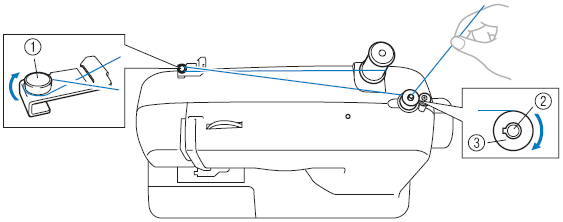
Image Source: support.brother.com
Getting Ready to Wind a Bobbin
Before you start winding, you need a few things. Make sure you have them ready. This makes the job easy and quick.
What You Need
- Your Brother sewing machine.
- A spool of thread you want to use.
- An empty bobbin that fits your Brother machine. Most Brother machines use standard Class 15 bobbins. Check your machine’s manual to be sure. Using the wrong bobbin can cause problems.
Check Your Machine
Look at your Brother sewing machine. Find the parts used for winding the bobbin. Most Brother machines have these parts on the top or front of the machine. You will see places to put the thread. You will also see a small stick or pin where the bobbin sits. This stick is called the bobbin spindle.
Finding the Bobbin Winder Parts
Where are the bobbin winding parts on your Brother machine? They are usually easy to spot. Let’s find them.
Parts on Your Machine
- Spool Pin: This is where you put the spool of thread. It might stand up tall or lie flat.
- Thread Guides: These are little hooks or holes the thread goes through. They help the thread go the right way.
- Bobbin Winder Tension Disc (or Guide): This is a small disc or area where the thread wraps around or goes through. It helps keep the thread tight while it winds.
- Bobbin Spindle: This is the small pin that sticks out. This is where you put the empty bobbin.
- Bobbin Winder Stopper: This is a small piece that moves. It tells the machine when the bobbin is full.
- Foot Pedal or Start/Stop Button: You use this to make the machine run.
Knowing these parts helps you follow the steps. This is part of the Brother machine bobbin winder.
Step-by-Step: How To Wind Bobbin On Brother Sewing Machine
Okay, let’s start the winding process. Follow these steps carefully. This is how to use bobbin winder Brother.
Step 1: Put the Thread Spool On
First, take your spool of thread. Put it on the spool pin.
* If the pin stands up, push the spool down onto it. Make sure the thread comes off the spool smoothly. For some machines, how the thread comes off matters. Look at your machine’s guide for this.
* If the pin lies flat, put the spool on it. It might have a cap to hold the spool in place. Put the cap on.
Step 2: Guide the Thread
Now, guide the thread from the spool. Follow the path marked on your machine. Look for numbers or pictures near the bobbin winding area. This is part of the Brother sewing machine thread setup.
- Take the thread end from the spool.
- Guide it through the first thread guide near the spool.
- Pull the thread to the bobbin winder area.
- Wrap the thread around or pull it through the bobbin winder tension disc or guide. This guide makes the thread a little tight. This helps the thread wind onto the bobbin neatly. The thread should go into the little slot or around the disc firmly.
Step 3: Place the Bobbin
Take your empty bobbin. Look at the bobbin spindle. This is the small pin near the bobbin winder area.
- Put the empty bobbin onto the bobbin spindle. This is called placing bobbin on spindle.
- Push the bobbin down onto the spindle firmly.
Step 4: Thread the Bobbin
You need to attach the thread to the bobbin before winding.
- Take the end of the thread coming from the tension guide.
- Find a small hole on the edge of your bobbin.
- Push the end of the thread through this small hole from the inside of the bobbin going outwards.
- Pull about 2-3 inches of thread through the hole.
Step 5: Position the Bobbin for Winding
Now, get the bobbin ready to spin.
- Slide the bobbin spindle with the bobbin on it to the right (or sometimes left, check your machine). You will feel it click into place. This engages the bobbin winding part of the machine.
- You will see the bobbin winder stopper. This is the small piece that will touch the thread as the bobbin fills up. Make sure the bobbin is in the position where it will spin and fill with thread evenly against this stopper.
Step 6: Hold the Thread Tail
Hold the end of the thread that you pulled through the bobbin hole. Hold it up and slightly away from the bobbin. This keeps it from getting tangled at the start.
Step 7: Start Winding!
Okay, time to start!
- If your machine has a sewing speed control, set it to a slow speed at first.
- Press your foot pedal gently or press the Start/Stop button on your machine. This is starting bobbin winding Brother machine.
- The bobbin will start to spin very fast.
Step 8: Trim the Thread Tail
As the bobbin starts winding, the thread you are holding will wrap onto the bobbin a few times. After it has wound on a few times and seems secure, stop the machine. Carefully trim off the short tail of thread sticking out of the bobbin hole. This makes the winding neat. Then, start winding again.
Step 9: Watch it Wind
Let the machine keep winding. The thread will wrap neatly around the bobbin. The bobbin will fill up. Watch it to make sure the thread is winding evenly. It should go from one side of the bobbin to the other and back again. This is part of winding bobbin Brother sewing machine.
Step 10: The Machine Stops
Keep letting the machine run. The bobbin will get bigger as it fills with thread. When the bobbin is full, the thread will touch the bobbin winder stopper. This stopper senses when the bobbin is full enough. It will push the bobbin spindle slightly, which automatically stops the winding process. This is the Brother sewing machine automatic winding feature.
Step 11: Remove the Full Bobbin
The machine has stopped. Your bobbin is full.
- Slide the bobbin spindle back to its original position (usually to the left). This takes the bobbin out of the winding mode.
- Lift the full bobbin off the spindle.
- Cut the thread connecting the full bobbin to the spool. Use the thread cutter on your machine if it has one.
You now have a perfectly wound bobbin! This is the main process for Brother sewing machine bobbin placement and winding.
Grasping Different Brother Models
Brother makes many kinds of sewing machines. Most follow the same basic steps for winding a bobbin. But some details might be a little different.
Common Differences
- Spool Pin: Some machines have a spool pin that pops up. Others have one that lies flat.
- Thread Guides: The path for the thread might look different. Always look for numbers or arrows on your machine body.
- Bobbin Winder Location: It’s usually on top or near the sewing arm, but the exact spot can vary.
- Automatic Threading: Some advanced machines have automatic needle threaders, but this is different from bobbin winding. The bobbin winding is usually semi-automatic (you set it up, the machine stops).
- Digital Screens: Newer machines might show instructions or pictures on a screen to help you wind the bobbin.
- Top Load vs. Front Load: This doesn’t change how you wind the bobbin, but it changes how you put the bobbin into the machine for sewing later. The winding process itself is similar.
Always check your machine’s user manual. The manual shows the exact path for the thread and location of parts for your specific Brother model.
Tips for Perfect Bobbin Winding
Winding a good bobbin helps your sewing go smoothly. Here are some tips for the best results.
- Use the Right Bobbin: Only use bobbins made for your Brother machine or recommended in the manual. Using plastic bobbins in a machine meant for metal ones (or vice versa) can cause tension problems and poor winding.
- Hold the Thread End: Remember to hold the thread tail when you start winding. This prevents a messy start. Cut it off after the first few wraps.
- Wrap Around the Tension Disc: Don’t skip this step! Wrapping the thread around the small tension disc or guide before the bobbin gives the thread the right pull. This makes the thread wrap tightly and evenly on the bobbin.
- Don’t Overfill: The machine’s bobbin winder stopper is there for a reason. It stops the winding when the bobbin is full enough. Don’t try to cram more thread onto the bobbin manually. An overfilled bobbin can cause issues when you put it in the machine.
- Wind at Medium Speed: Winding too slow might make the thread loose. Winding too fast (especially at the very start) can sometimes cause tangles or uneven winding. A medium speed is usually best for a neat, tight bobbin.
- Check Thread Quality: Use good quality thread. Old or poor thread can break during winding or cause weak stitches later.
Following these tips helps you get a good, neat bobbin every time. This is key for good sewing machine bobbin thread use.
Troubleshooting Bobbin Winding Problems
Sometimes, things don’t go perfectly. You might have problems while winding. Here are common issues and how to fix them. This is about troubleshooting bobbin winding.
Problem 1: Thread Breaks While Winding
- Why it happens: The thread might be old, weak, or poor quality. The tension might be too tight. The thread path might not be smooth.
- How to fix:
- Try a new spool of thread.
- Check the thread path. Make sure the thread is not caught on anything. Make sure it is in the tension guide correctly but not pulled too hard.
- Slow down the winding speed.
Problem 2: Bobbin is Not Winding Evenly
- Why it happens: The thread might not be going through the tension guide. The starting knot/tail wasn’t trimmed. The bobbin isn’t pushed onto the spindle all the way or slid into the winding position correctly.
- How to fix:
- Make sure the thread is firmly in the bobbin winder tension guide. This is usually the main reason for uneven winding.
- Check that the bobbin is pushed down on the spindle fully.
- Ensure the bobbin spindle is slid into the winding position firmly.
- If you didn’t trim the starting thread tail, it can cause a lump. Unwrap the bobbin, trim the tail, and start again.
Problem 3: Bobbin Winder is Not Spinning
- Why it happens: The bobbin spindle is not slid into the winding position. The machine is not set to winding mode (some older machines might have a switch). The foot pedal or button is not pressed.
- How to fix:
- Slide the bobbin spindle with the bobbin on it to the right (or winding position) until it clicks.
- Check your machine manual. See if there’s a setting or switch needed for bobbin winding mode. Often, just sliding the spindle does this.
- Make sure the power is on and you are pressing the foot pedal or Start/Stop button.
Problem 4: Machine Sews While Winding Bobbin
- Why it happens: This is a common mistake! You forgot to put the machine in winding mode. Sliding the bobbin spindle usually disengages the sewing needle.
- How to fix:
- STOP! Raise the needle. Cut any thread going to the needle.
- Make sure the bobbin spindle is pushed firmly into the winding position. On most Brother machines, sliding the spindle outwards does two things: it connects the motor to the bobbin winder and disconnects it from the needle mechanism. If your needle is still moving, the spindle isn’t in the right place. Check your manual specifically for how to disable the needle during winding.
Problem 5: Bobbin Won’t Stop Winding
- Why it happens: The bobbin winder stopper is not working right. It might be blocked by thread or lint. It might be damaged.
- How to fix:
- Stop the machine manually as soon as the bobbin looks full.
- Check the area around the bobbin winder stopper. Is there thread wrapped around it? Is there lint or dust? Clean it carefully.
- If it still doesn’t stop, the stopper might be broken. You might need a service call.
Problem 6: Bobbin Winding is Too Loose
- Why it happens: The thread is not going through the bobbin winder tension guide. The tension guide itself might be dirty or broken.
- How to fix:
- Make sure the thread is correctly routed through the tension disc or guide. It needs a little pull to wind tightly.
- Check the tension guide for lint or blockages. Clean it out gently.
- If the guide seems loose or broken, it might need repair.
These are common issues you might face while winding bobbin Brother sewing machine. Most problems come from not routing the thread correctly through the tension guide or not sliding the bobbin spindle fully into the winding position.
Keeping Your Bobbin Winder Clean
Lint and dust can build up near the bobbin winder. This can cause problems with tension and the auto-stop feature. Clean this area now and then.
- Turn off and unplug your machine first!
- Use a small brush (often comes with your machine) to gently brush away lint around the bobbin winder spindle, tension disc, and stopper.
- You can use a vacuum cleaner hose (with a small attachment) to suck up the loosened lint.
- Do not use compressed air, as it can blow lint deeper into the machine.
A clean bobbin winder works best for Brother machine bobbin winder function.
Why Proper Bobbin Winding Matters
You might wonder, why spend so much time on this simple step? Winding a bobbin correctly is very important for good sewing results.
- Even Tension: A properly wound bobbin has thread wrapped at an even tightness. This helps the upper thread and the bobbin thread lock together correctly in the fabric. This creates balanced, strong stitches.
- No Skipped Stitches: Uneven or loose bobbin thread can cause the machine to skip stitches.
- No Thread Breakage: If the bobbin is wound too tightly in some spots and loose in others, the thread can get snagged or break while you are sewing.
- Smooth Feeding: A neatly wound bobbin spins smoothly in its case or holder. This allows the thread to come off without jerking or catching.
- Prevents Machine Problems: Overfilled or poorly wound bobbins can mess up the bobbin case or rotary hook area of your machine. This can lead to costly repairs.
So, taking a little time to wind your bobbin right saves you trouble later. It’s a key part of sewing machine bobbin thread management.
Interpreting Bobbin Placement for Sewing
Once your bobbin is wound, you need to put it into the bobbin area of your machine for sewing. This step is different from winding. How you put the bobbin in depends on your machine type (top-load or front-load). This is about Brother sewing machine bobbin placement for sewing.
- Top-Load Bobbin: These machines have a clear cover on the sewing bed. The bobbin drops into a bobbin case area from the top. When you put the bobbin in, pay attention to which way the thread comes off. There will be a guide channel. The thread needs to go through this channel. The direction the bobbin spins when you pull the thread is key here. It usually needs to spin counter-clockwise when placed in the case, with the thread coming off the top left. Always check your manual!
- Front-Load Bobbin: These machines have a bobbin case that fits into a shuttle in the front of the machine (often behind a door). You put the bobbin into a separate metal bobbin case first. The thread goes into a tension slot on the case. Then you put the case into the machine.
While winding is the focus here, remember that proper placement after winding is the next step for your sewing machine bobbin thread to work correctly.
Grasping Automatic Winding Features
Many Brother machines have what’s called Brother sewing machine automatic winding. This doesn’t mean the machine does everything for you. It means you set it up, start it, and the machine stops by itself when the bobbin is full.
The automatic part is the stopping mechanism. The bobbin winder stopper senses the bobbin size. When the thread reaches this stopper, it moves the spindle just enough to disengage the winding mechanism. This is a great feature that prevents overfilling and makes winding easy. You don’t have to guess when to stop.
Fathoming Different Threads and Bobbins
Can you wind any thread onto any bobbin? Not exactly.
- Bobbin Type: As mentioned, use the correct bobbin type for your machine (Class 15 is common for Brother). Using the wrong size or material can damage the machine or cause winding/sewing problems.
- Thread Type: You can wind different types of thread (polyester, cotton, rayon, etc.) onto your bobbin. Just make sure the thread thickness (weight) is suitable for your needle and fabric. Using very thick thread on a bobbin designed for thinner thread can cause it to overfill quickly and sew poorly. Using special threads like metallic thread on the bobbin might require different tension settings or winding techniques – check your thread guide or machine manual.
Winding the thread that matches your top thread is usually best for balanced stitches.
FAQ: Questions About Winding Bobbins on Brother Machines
Here are some common questions people ask about winding bobbins.
h5 Why won’t my Brother machine wind the bobbin?
Check these: Is the machine on? Is the foot pedal pressed or the Start/Stop button on? Is the bobbin spindle slid all the way into the winding position? Is the thread path correct, especially through the tension guide? Is there thread wrapped around the spindle stopping it?
h5 Should I hold the thread end when I start winding?
Yes, definitely hold the thread end (the tail) for the first few wraps. This helps the thread catch onto the bobbin neatly and prevents a messy start. Stop and trim this tail after a few wraps.
h5 How full should I wind the bobbin?
Wind the bobbin until the machine stops automatically. The bobbin winder stopper takes care of this. Don’t try to wind more thread on after it stops.
h5 My bobbin thread is loose after winding. Why?
The most likely reason is that the thread did not go through the bobbin winder tension disc or guide correctly. This guide provides the necessary pull for tight winding. Re-thread the bobbin winder, ensuring the thread is seated firmly in the tension path.
h5 Can I use pre-wound bobbins in my Brother machine?
Some machines can use pre-wound bobbins, but it’s best to check your machine’s manual. Pre-wound bobbins are often wound differently or use different core materials than bobbins wound on your machine. Using them might affect tension or cause issues in some models. Winding your own bobbins ensures you have the right thread and tension for your machine.
h5 The thread is winding only at one end of the bobbin. What’s wrong?
This means the thread is not passing through the bobbin winder tension guide. This guide helps distribute the thread evenly back and forth across the bobbin as it fills. Make sure the thread is properly wrapped or threaded through this guide.
h5 How do I clean the bobbin winder area?
Turn off and unplug the machine. Use a small brush and possibly a vacuum cleaner hose attachment to gently remove lint and dust from around the bobbin spindle, tension guide, and auto-stop lever. Do not use compressed air.
Conclusion
Winding a bobbin correctly is a basic but very important skill for using your Brother sewing machine. Following the steps for winding bobbin Brother sewing machine ensures you have a neat, evenly filled bobbin with the right tension. This prevents problems like thread breaking, skipped stitches, and uneven sewing. By using the Brother machine bobbin winder properly, using the right bobbins and thread, and following the correct Brother sewing machine thread setup, you set yourself up for smooth and successful sewing projects. Take a few moments to get this right, and your machine will thank you with beautiful stitches.