
Organizing your sewing supplies helps you sew and craft more easily. It makes your projects go smoothly and makes sewing more fun. You can find what you need quickly. This saves time and stops you from buying things you already have. Getting your sewing space tidy is a great step for any crafter.
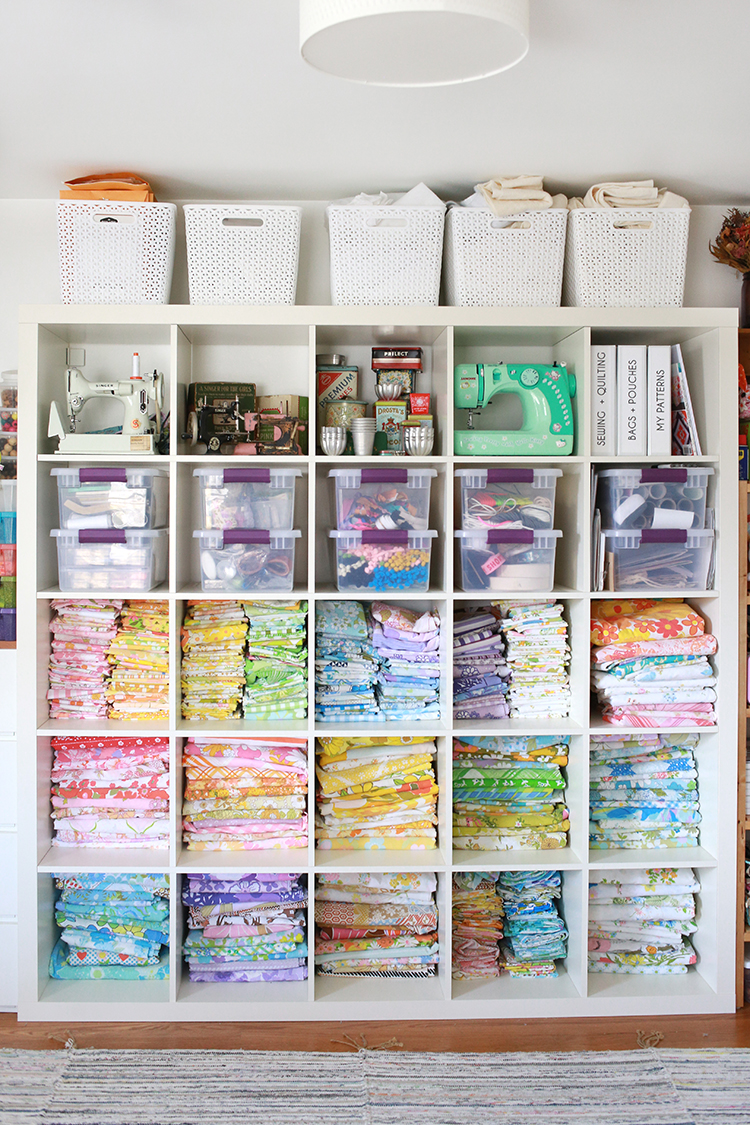
Image Source: blogger.googleusercontent.com
Why Your Sewing Space Needs Order
A messy sewing space can make sewing hard. Finding your fabric, thread, or scissors takes time. You might feel stressed or not want to start a project. Good sewing room organization changes this.
When things are put away, you feel calm. You can start sewing right away. You know where everything is. This makes sewing more enjoyable. It also helps you use your supplies better. Nothing gets lost or forgotten. A tidy space helps you be more creative too.
Start by Clearing Things Out
Before you put things away, take everything out. This is the first step. It is called decluttering sewing space. Look at all your supplies. Decide what you want to keep, give away, or throw away.
Go through your fabric. Look at thread, patterns, and tools. Ask yourself:
* Do I use this?
* Will I use this soon?
* Is it broken or old?
Put things into piles or boxes:
* Keep: Things you use and love.
* Give Away/Sell: Things in good shape that you do not use. Someone else might like them.
* Trash: Things that are broken, used up, or cannot be used.
Do not keep things “just in case” if you have many. Be honest about what you will really use. This step takes time. But it is very important for good organization.
Ways to Put Things Away by Type
Once you have sorted, you can start putting things away. It is best to group similar things. This makes finding them simple. Here are ideas for different types of supplies.
Ideas for Keeping Fabric Neat
Fabric is a big part of sewing. It can take up a lot of space. You need good fabric storage ideas. How you store fabric depends on how much you have and the size of the pieces.
- Small Pieces (Scraps): Use clear storage containers for sewing supplies. You can put small pieces in bins or baskets. Sort them by color or type. This makes it easy to see what you have. You can also roll small pieces and put them in drawers.
- Fat Quarters: These are small cuts of fabric. You can fold them neatly. Stack them in drawers or on shelves. Or use small bins to keep stacks tidy.
- Yardage (Long Pieces):
- Fold and Stack: Fold the fabric neatly into rectangles. Stack them on shelves. Make sure the shelves are strong. Do not stack too high. It is hard to get the fabric from the bottom.
- Roll on Bolts: You can buy small fabric bolts or make your own from cardboard. Wrap the fabric around the bolt. Stand these bolts up on shelves. This looks nice and saves space. You can see the fabric edge easily.
- Hang Up: Fold fabric in half lengthwise. Hang it over a hanger. Use special pants hangers or just regular ones. Hang them in a closet or on a clothes rack. This keeps fabric from getting wrinkled. It is easy to flip through.
Keep your most used fabrics easy to reach. Put seasonal fabrics or those for future projects higher up or in less used spots.
Ways to Organize Thread
Thread needs careful storage. Dust is bad for thread. Sunlight can also hurt it. A good thread organizer for sewing machine thread is key.
- Thread Racks: These racks hold many spools. You can put them on a wall or a table. The thread sits on pegs. You can see all your colors at once. This is very handy.
- Clear Boxes: Use clear plastic boxes with dividers. Each spool gets its own spot. These boxes stack well. They keep dust out. They are good if you have many different colors.
- Drawers: If you have drawers, you can use foam inserts or trays. The spools sit in the holes or sections. This keeps them from rolling around.
Simple Bobbin Storage Solutions
Bobbins are small. They can get lost easily. They also like to unwind and make tangles. You need good bobbin storage solutions.
- Bobbin Rings/Boxes: These are rings or small boxes. The bobbins fit inside tightly. They keep the thread from unwinding. Some hold many bobbins. You can store them in a drawer or on a shelf.
- Bobbin Trays: These are flat trays with holes for bobbins. They fit in drawers. Or you can leave them on your sewing table. This keeps your bobbins close to your machine.
- Magnetic Strips: Stick a magnetic strip on a wall or cabinet door. Metal bobbins will stick to it. This saves space and keeps them visible.
Try to store the matching bobbin with its spool of thread. Some thread racks have pegs for bobbins too. This saves time when you change thread.
Needle Storage Methods Made Easy
Needles are small and sharp. You need safe needle storage methods. This includes sewing machine needles and hand sewing needles, plus pins.
- Pins:
- Pin Cushions: The classic way. Keep one by your machine and ironing board.
- Magnetic Dishes: Pins stick to the magnetic bottom. Great for picking up spilled pins.
- Hand Sewing Needles:
- Keep them in the small case they came in.
- Use a special needle book or case. These have felt pages. You stick the needles in the felt. Write sizes on the pages.
- Machine Needles:
- Keep them in their original plastic cases. Write on the case how long you used the needle. Needles get dull.
- Use a small box or tray with different sections for different needle types (like denim, jersey, universal) and sizes.
- Some special cases let you track use.
Always put needles and pins away when you are done. This stops accidents.
Good Pattern Storage Ideas
Patterns can be paper or digital. Paper patterns can be messy. They rip easily. You need pattern storage ideas to keep them safe and tidy.
- Filing Cabinet: Put each pattern in a large envelope or bag. Write the pattern number and name on the outside. File them in a filing cabinet or a filing box. You can file by type (dresses, tops, kids) or by pattern company.
- Binders: Put tissue paper patterns in page protectors. Put the instructions in the front pocket or punch holes. Store these in large binders on a shelf. Use dividers for different types.
- Hanging System: Put patterns in large strong envelopes or plastic sleeves. Punch two holes at the top. Hang them on a rod using S-hooks or pants hangers. This is like hanging fabric. You can flip through them.
- Boxes/Bins: If you do not have many patterns, use a box or bin. Keep them in their envelopes. Stand them up like files.
For digital patterns, create folders on your computer. Name them clearly. Back them up!
Keeping Sewing Notions Tidy
Sewing notions storage means finding spots for all the little things. Buttons, zippers, elastic, lace, ribbon, snaps, hooks, interfacing, trim, and more. These small items can be hard to control.
- Small Containers: Use small jars, tins, or clear plastic boxes. Group similar items together. Buttons in one jar, snaps in another.
- Parts Organizers: These are plastic boxes with many small sections. They are sold for screws and nails. But they are perfect for small notions like beads, snaps, or eyelets.
- Drawer Dividers: Use dividers inside drawers. This keeps different types of notions separate.
- Pegboard: Hang small baskets, hooks, and shelves on a pegboard. You can put jars or small containers on it. It uses wall space. You can see everything easily.
- Ribbon Storage: Store ribbon on a dowel rod. Run the rod through the center of the spools. Hang the rod or rest it on brackets. You can pull ribbon off without taking the spool down. Or wrap ribbon around cardboard pieces and put them in a box.
Keep notions near where you use them. Buttons and zippers near your machine. Interfacing near your cutting table.
Organizing Tools and Rulers
Tools like scissors, rotary cutters, and rulers need a safe spot. Sharp items need covers. Rulers can get broken.
- Scissors: Keep good fabric scissors separate. Use a special stand, a drawer insert, or hang them on a hook or pegboard. Keep blade covers on rotary cutters when not in use.
- Rulers: Use a ruler stand on your cutting table. Or hang them on a wall using hooks. Some people use magazine holders to store flat rulers standing up.
- Small Tools: Put pens, marking tools, seam rippers, and tweezers in jars, cups, or small pots. Keep them on your desk.
Setting Up Your Sewing Area
Think about how you sew. Create different areas or zones for tasks. This is part of craft room organization tips.
- Cutting Area: Needs a large flat surface. Keep rulers, rotary cutters, and cutting mats here. Maybe fabric storage nearby.
- Sewing Machine Area: Needs a table or desk for your machine. Keep thread, bobbins, scissors, and small tools close by.
- Ironing Area: Needs an ironing board and iron. Keep pressing cloths and spray bottles here.
- Storage Area: Shelves, drawers, cabinets for fabric, patterns, and less used items.
Even in a small space, you can make zones. Maybe your cutting table is also your ironing surface. Just tidy one task away before starting the next.
Using Wall Space
Walls are great for storage. Do not forget them!
- Shelves: Put shelves on walls for fabric, books, or storage bins.
- Pegboards: As mentioned, great for hanging tools, notions, and small containers.
- Magnetic Strips: Good for metal bobbins or small metal tools.
Going up on the walls leaves your work surfaces clear.
Lighting Your Space
Good light is very important for sewing. You need bright light to see colors and lines. Place lamps where you work. A lamp at your machine helps see your stitches. Good overhead light helps with cutting.
Choosing the Right Storage Containers
There are many types of storage containers for sewing supplies. Choose ones that fit your space and what you are storing.
- Clear Plastic Bins: You can see what is inside. Good for fabric scraps, notions, or patterns.
- Drawers: Built-in or rolling carts with drawers. Great for separating different items. You can use dividers inside.
- Baskets: Nice for open shelving. Good for fabric rolls or projects in progress.
- Jars/Tins: Perfect for small notions like buttons or pins.
- Shelving Units: Basic shelves are strong and hold a lot. Use bins or folded items on them.
- Carts: Rolling carts can move between zones. Good for current projects or often-used items.
Think about the size of the items. Do you need to see them? Do they need protection from dust or light?
Putting Your Space Together
Once you have storage, put things in their spots.
- Label Everything: Use labels on boxes, drawers, and shelves. Write what is inside. This saves time and helps you remember where things go.
- Keep Surfaces Clear: Try to keep your cutting table and sewing machine table clear when you are not working. This makes it easy to start next time.
- Make it Look Nice: An organized space can also be pretty. Use nice baskets. Arrange fabrics by color. Add a plant or some art. This makes you want to spend time there.
Keeping Your Space Tidy Over Time
Organization is not a one-time job. You need to keep it up.
- Put Things Away Right Away: After using fabric, put it back. Put scissors back in their spot. This stops clutter from building up.
- Quick Tidies: Spend 5-10 minutes after each sewing session or at the end of the day. Put away scraps, loose threads, and tools.
- Regular Decluttering: Every few months, do a quick sort through your supplies again. Get rid of things you know you will not use.
Making organization a habit keeps your space working well for you.
Summary Table of Storage Ideas
Here is a quick look at ideas for different items:
| Item Type | Storage Ideas | Containers/Tools Used |
|---|---|---|
| Fabric | Folded on shelves, rolled on bolts, hung on hangers, scraps in bins | Shelves, fabric bolts, hangers, clear bins |
| Thread | On racks, in clear boxes with dividers, in divided drawers | Thread racks, plastic boxes, drawer inserts |
| Bobbins | Bobbin rings/boxes, bobbin trays, magnetic strips | Bobbin rings, small boxes, trays, magnets |
| Needles/Pins | Pin cushions, magnetic dishes, needle cases/books, original packaging | Pin cushions, magnetic dishes, small cases |
| Patterns | In filing cabinets, binders, hanging systems, boxes | Filing cabinets, binders, envelopes, hooks |
| Notions | Small containers, parts organizers, drawer dividers, pegboards, jars | Jars, small boxes, dividers, pegboard items |
| Tools (Scissors) | Stands, drawer inserts, hooks | Stands, drawer inserts, hooks |
| Tools (Rulers) | Stands, wall hooks, magazine holders | Stands, hooks, holders |
| General Space | Zoned areas (cutting, sewing, ironing), vertical storage, good lighting | Deshes, tables, shelving, lamps, pegboards |
This table shows many ways to use storage containers for sewing supplies and other items.
Frequently Asked Questions
Q: How do I start organizing if my space is very messy?
A: Start with one small area or one type of supply. Do not try to do everything at once. Maybe just organize your thread today. Declutter first. Take everything out of one area. Then put it back in a tidy way using your new storage ideas. Small steps are best.
Q: What if I sew in a small space?
A: Small spaces need clever ideas. Use walls with shelves or pegboards. Think vertical storage. Use furniture that does double duty, like a table that folds down. Rolling carts are good for moving supplies around. Keep only what you need for the current project out.
Q: Should I organize by project or by type of supply?
A: Most people organize by type of supply (all fabric together, all thread together). This makes it easy to find items for any project. If you have a big project, you might gather all the needed items into one project box or bag while you work on it. But store the main supplies by type.
Q: How do I stop my organized space from getting messy again?
A: Make a habit of putting things away right after you use them. Do a quick tidy at the end of each sewing time. Every few months, take a little time to go through things and put them back in their proper spots. It is easier to keep it tidy than to clean it all up later.
Q: What are cheap ways to organize?
A: You do not need to buy fancy storage. Use things you have. Jars from the kitchen are great for buttons. Shoe boxes can hold fabric scraps. Cans can hold pens and tools. Use cardboard to wrap ribbon. Look for low-cost plastic bins at stores. Use old hangers for fabric. Get creative!
Organizing your sewing space is a project itself. But it is one that makes all your other projects easier and more fun. Take it one step at a time. Find the ideas that work best for you and your space. Enjoy your tidy craft area!