
What is the easiest way to hem pants with a sewing machine? The simplest way to hem pants with a sewing machine involves prepping your fabric, creating a neat fold, and then sewing a straight stitch.
Sewing pants can seem daunting, especially for beginners. But hemming trousers is a fundamental sewing skill that opens up a world of possibilities for clothing alterations and custom sewing projects. With a sewing machine, you can achieve professional-looking results that are both durable and attractive. This guide will walk you through the entire process, from gathering your supplies to the final stitch, making fabric hemming accessible and even enjoyable. You’ll be finishing pants like a pro in no time!
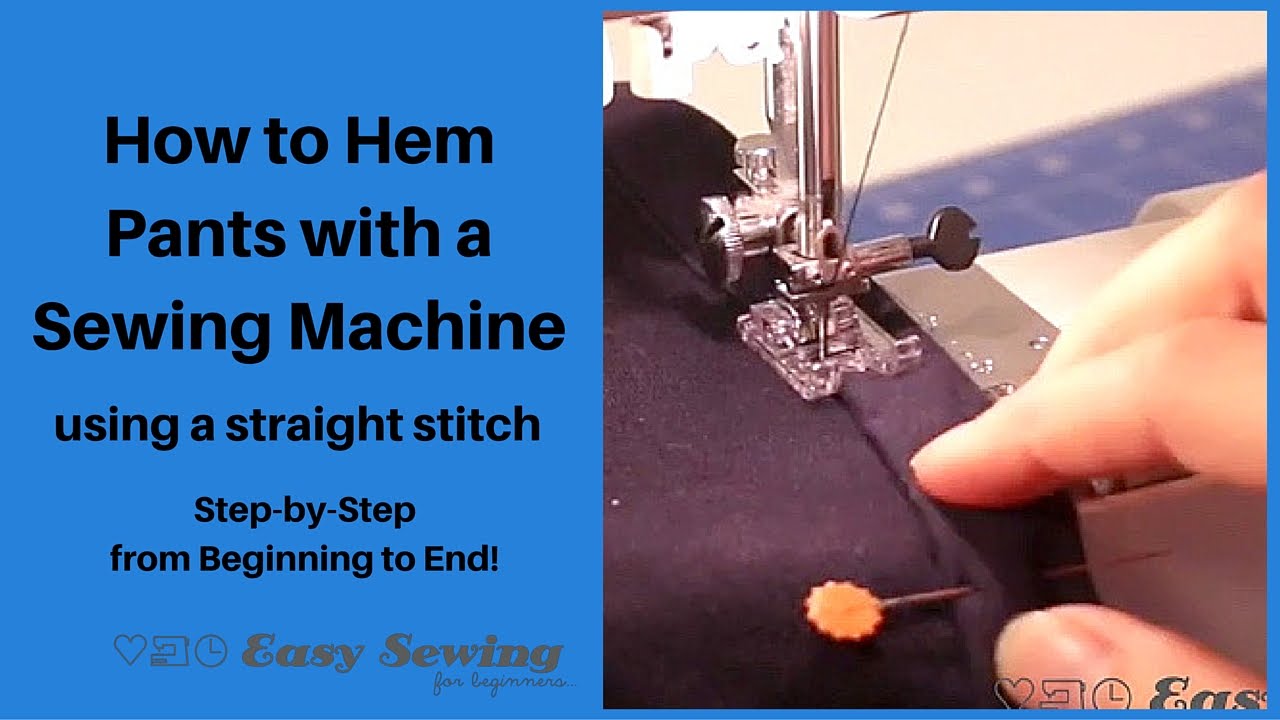
Image Source: i.ytimg.com
Getting Started: Your Sewing Machine Basics
Before we dive into the specifics of hemming pants, let’s ensure you’re comfortable with your sewing machine. Machine sewing is a fantastic skill, and knowing the basics will make every step of your sewing projects much smoother.
Essential Tools for Hemming Pants
Gathering the right tools is the first step to successful sewing. Here’s what you’ll need for this particular sewing technique:
- Sewing Machine: Any working sewing machine will do. Make sure it’s threaded with a matching or contrasting thread.
- Iron and Ironing Board: Crucial for pressing seams and creating crisp folds.
- Fabric Scissors or Rotary Cutter and Mat: For clean cuts.
- Measuring Tape or Ruler: For accurate measurements.
- Fabric Marker or Chalk: To mark your hemline.
- Straight Pins: To hold your hem in place.
- Thread: Choose a color that matches your pants or a contrasting color for a decorative effect.
- Sewing Machine Needles: Ensure you have the correct needle type for your fabric.
Preparing Your Sewing Machine
- Threading: Make sure your sewing machine is threaded correctly, both with the bobbin and the upper thread.
- Needle Selection: For most pants, a universal needle (size 70/10 or 80/12) is suitable. If you’re working with denim, a denim needle is best. For delicate fabrics like silk, opt for a fine needle.
- Stitch Selection: A straight stitch is your primary stitch for hemming pants. Select a medium stitch length (around 2.5mm).
- Foot Selection: The standard presser foot that came with your machine is usually fine for this job.
Step-by-Step Guide to Hemming Pants
Now that you have your tools ready and your machine prepared, let’s get to the actual sewing. Hemming trousers is a straightforward process when broken down into manageable steps.
Step 1: Measure and Mark
The most crucial part of sewing a hem is getting the length right.
- Wear the Pants: Put on the pants you want to hem. Wear the shoes you’ll typically wear with these pants. This is essential for accurate length.
- Pin the Length: While wearing the pants, fold the excess fabric upwards at the bottom of each leg to the desired length. Use straight pins to secure the fabric. Make sure the fold is even on both sides and that the pant leg hangs smoothly.
- Take Off the Pants: Carefully remove the pants. Lay them flat on a table or ironing board.
- Mark the Hemline: Use your fabric marker or chalk to draw a line along the pinned fold on the inside of the pant leg. Measure from the pinned edge down to the original hem to ensure you’re marking the correct amount for your hem allowance. A common hem allowance is 1 to 1.5 inches.
Step 2: Trim Excess Fabric (Optional but Recommended)
Once you have your marked hemline, you’ll want to trim the excess fabric.
- Measure Hem Allowance: Measure from your marked hemline to the original bottom edge of the pant leg. This is your hem allowance. A standard allowance for pants is 1 to 1.5 inches (2.5 to 3.8 cm).
- Cut Evenly: Using sharp fabric scissors or a rotary cutter, cut the excess fabric off along the marked hemline. Aim for a straight, even cut all the way around the leg. This step makes the subsequent folding process cleaner.
Step 3: Create the Hem Fold
This is where the iron becomes your best friend. A well-pressed fold makes for a neater hem. There are a few common ways to create the fold, depending on the fabric and the look you desire.
Method 1: Double Fold Hem (Most Common and Durable)
This method creates a clean, finished edge that won’t fray.
- First Fold: Take the bottom edge of the pant leg and fold it upwards by about 0.5 inches (1.2 cm) towards the wrong side of the fabric. Press this fold firmly with your iron. This tucks away the raw edge.
- Second Fold: Now, fold the fabric up again by your desired hem allowance (e.g., 1 inch or 1.5 inches). Ensure the folded edge from the first fold is completely enclosed within this second fold. Press this fold very well. The raw edge is now neatly hidden inside.
- Pin in Place: Secure the folded hem with straight pins, placing them about every 2-3 inches apart. Ensure the pins are going through all layers of the fabric.
Method 2: Single Fold Hem (Quicker, but Raw Edge Needs Finishing)
This method is faster but requires a finishing technique for the raw edge.
- Fold to Desired Length: Fold the fabric up to your marked hemline.
- Press: Press this fold firmly.
- Pin in Place: Pin the hem.
- Finish Raw Edge: Before sewing, you’ll need to finish the raw edge. This can be done with a serger, a zigzag stitch on your sewing machine, or by using pinking shears.
Method 3: Blind Hem (Almost Invisible)
A blind hem creates a nearly invisible stitch from the outside. This is a more advanced technique but provides a very professional finish.
- Prepare the Fold: Fold the fabric up as you would for a double fold hem (first fold 0.5 inches, then press). Then, fold it up again to your marked hemline, but this time, fold it away from the inside of the pant leg, so the right side of the fabric is facing outwards. The folded edge will be near the leg’s opening.
- Press: Press this fold well.
- Blind Hem Stitch: Set your sewing machine to the blind hem stitch. If your machine doesn’t have a dedicated blind hem stitch, a narrow zigzag stitch can be used.
- Sewing: Position the fabric under the presser foot so that the needle catches only a few threads of the pant leg fabric on the right side, and then dips into the folded hem. Sew carefully, guiding the fabric so that the stitches are spaced evenly and don’t show on the outside of the pant leg. You’ll need to shift the fabric slightly as you go.
For ease of understanding and execution, we will focus on the double fold hem for the sewing instructions. This method is highly recommended for its durability and clean finish, making it one of the most popular sewing techniques for finishing pants.
Step 4: Sewing the Hem
Now for the machine sewing part!
- Position the Pants: Place the pinned pant leg under your sewing machine’s presser foot. Align the folded edge of the hem with the edge of the presser foot or a guide on your machine. For a double fold hem, the folded edge should be right up against the seam line you’ll be sewing.
- Start Sewing: Lower the presser foot. Backstitch a few stitches to secure the beginning of the seam.
- Sew the Hem: Sew a straight stitch along the folded edge. Try to keep your stitching line as straight and as close to the folded edge as possible. Go slowly and steadily, guiding the fabric with your hands. If you encounter pins, remove them as you sew over them to avoid damaging your needle.
- Continue Around: Continue sewing all the way around the pant leg until you reach your starting point.
- Finish Sewing: Backstitch a few stitches at the end to secure the seam.
- Trim Threads: Cut the excess threads.
Step 5: Final Touches
- Press Again: Give the hem another good press with your iron. This will set the stitches and give your hem a crisp, professional look.
- Check Your Work: Turn the pant leg right side out and examine your hem. Ensure the stitching is straight and even, and that there are no puckers or missed spots.
Table: Common Hemming Mistakes and How to Avoid Them
| Mistake | How to Avoid |
|---|---|
| Uneven Length | Wear pants with intended shoes, pin carefully, and mark accurately. |
| Wobbly Stitching | Sew slowly and steadily, using a consistent speed and guiding the fabric. |
| Raw Edge Fraying | Use a double fold hem, a serger, or a zigzag stitch to finish the edge. |
| Hem Puckering | Ensure fabric is not stretched while sewing, and press folds well. |
| Pins Left in While Sewing | Remove pins just before sewing over them to protect your machine’s needle. |
| Incorrect Hem Allowance | Measure and mark precisely, and understand the fabric’s drape. |
Fabric Hemming Tips for Different Materials
Not all fabrics are created equal, and some require special attention when you’re sewing pants. Fabric hemming can be simplified by knowing your material.
Denim
Denim is a sturdy fabric, making it relatively easy to hem.
- Needle: Use a denim needle (size 90/14 or 100/16).
- Stitch Length: A slightly longer stitch length (e.g., 3.0mm) can be better for thicker denim.
- Thread: Heavy-duty polyester thread is recommended.
- Pressing: Denim presses well, so don’t be shy with your iron.
- Hem Allowance: A 1.5-inch double fold hem is common for jeans.
Lightweight Fabrics (Chiffon, Silk, Rayon)
These fabrics can be slippery and prone to fraying, requiring more delicate handling.
- Needle: Use a fine needle (size 60/8 or 70/10).
- Stitch Length: A shorter stitch length (e.g., 2.0mm) can help prevent fraying.
- Thread: Use good quality polyester or silk thread.
- Hem Type: A narrow rolled hem or a very narrow double fold hem is best to avoid bulk. A blind hem also works beautifully.
- Stabilizer: Consider using a lightweight water-soluble stabilizer under the fabric to help it feed smoothly.
- Pressing: Use a low heat setting on your iron and consider using a press cloth to protect the fabric.
Knit Fabrics
Knit fabrics stretch, so a regular straight stitch can break when the fabric is stretched.
- Needle: Use a ballpoint or stretch needle.
- Stitch Type: Use a zigzag stitch, a stretch stitch (if your machine has one), or a twin needle.
- Thread: Polyester thread is suitable.
- Hem Type: A double fold hem is often used, but ensure your stitch can accommodate the stretch.
- Stabilizer: A knit stabilizer can prevent the fabric from stretching out of shape while sewing.
Wool and Blends
Wool fabrics can vary in thickness and weave.
- Needle: Universal or sharps needle.
- Stitch Length: Adjust based on the fabric’s weight.
- Thread: Woolly nylon thread or polyester thread.
- Hem Type: A double fold hem is standard. For a very neat finish, a turned-up hem with the raw edge secured with a serger or zigzag stitch before folding is an option.
- Pressing: Wool presses very well. You can use steam to help shape the hem.
Advanced Techniques and Customization
Once you’ve mastered the basic hemming of pants, you might want to explore other sewing techniques to add flair or specific functionality.
The Blind Hem Stitch Explained
As mentioned earlier, the blind hem stitch is a sewing machine stitch that creates a nearly invisible hem.
- How it Works: The stitch is designed to catch only a few threads of the main fabric on the right side and then extend into the folded hem. When the fabric is flat, the stitches are hidden.
- When to Use: Perfect for formal wear, dress pants, and any garment where you want a very clean, invisible finish.
- Machine Setup: Refer to your sewing machine manual for specific instructions on setting up and using the blind hem stitch. This usually involves adjusting the needle position and stitch width.
Adding Weight or Shape to a Hem
Sometimes, you might want a hem to hang with a bit more substance or a specific drape.
- Hem Tape/Woven Interfacing: You can add a strip of lightweight woven interfacing or a special hemming tape to the inside of the hem allowance before folding. This adds stability and can help prevent lightweight fabrics from sticking to the body.
- Horsehair Braid: For garments like skirts or formal dresses where a structured hem is desired, horsehair braid can be sewn into the hem to create a beautiful, firm edge. While not typically used for everyday pants, it’s a great sewing technique to know for other projects.
Decorative Hemming
For a more casual or creative look, you can alter the basic hem.
- Contrast Thread: Use a brightly colored thread to make your stitching a feature.
- Decorative Stitch: Experiment with a decorative stitch (like a wide zigzag or a blanket stitch) on the edge of the hem before folding.
- Faux Cuffed Hem: Fold the fabric up twice as usual, but then instead of sewing the fold flat, you can create a decorative stitch around the top edge of the hem for a “cuffed” look.
Finishing Pants: Beyond the Hem
While hemming is a major part of finishing pants, there are other aspects to consider for a complete garment.
Securing Loose Threads
After sewing, always trim any loose threads from the beginning and end of your stitching, as well as any stray threads around the hemline.
Pressing and Shaping
A final press is essential. Use the appropriate heat for your fabric. For many fabrics, pressing the hem seam towards the inside of the pant leg will create a cleaner finish.
Hemming Specific Pant Styles
- Jeans: Often have a thicker hem, sometimes with a double row of stitching. The original hem of jeans can be carefully reused for an authentic look.
- Dress Pants: Usually require a neater, more refined hem, often a blind hem or a narrow double fold hem.
- Casual Trousers (Chinos, Cotton Pants): A standard double fold hem is usually perfect.
Frequently Asked Questions (FAQ)
Q1: What is the best thread for hemming pants?
A1: For most fabrics, a good quality polyester thread is ideal as it’s strong and durable. If you’re sewing denim, consider a heavy-duty polyester or upholstery thread. For delicate fabrics like silk, use silk thread or a fine polyester thread.
Q2: Can I hem pants without a sewing machine?
A2: Yes, you can hem pants by hand. It takes more time and patience, but it’s definitely possible. You would use a hemming stitch like a running stitch or a slip stitch for a neater finish.
Q3: How much should I fold for a hem allowance?
A3: A common hem allowance for pants is 1 to 1.5 inches (2.5 to 3.8 cm). This allows for a double fold to create a clean, finished edge without excessive bulk. For very thick fabrics, a slightly smaller allowance might be better.
Q4: My sewing machine is skipping stitches on the hem. What should I do?
A4: This is usually caused by a dull or incorrect needle, or incorrect tension settings. Try changing your needle to a new, sharp one appropriate for your fabric. Ensure your machine is threaded correctly and check your tension settings.
Q5: How do I get a perfectly straight hem?
A5: Accurate measuring and marking are key. Use a ruler and fabric marker or chalk to draw your hemline. When sewing, try to keep the folded edge aligned with a consistent point on your presser foot or sewing machine bed. Sew slowly and guide the fabric gently. A walking foot can also help feed the fabric evenly.
Q6: What if my pants are made of a stretchy fabric?
A6: For stretchy fabrics (knits), you’ll need to use a stretch stitch or a zigzag stitch to allow the hem to stretch with the fabric. Using a ballpoint or stretch needle is also important to prevent skipped stitches and fabric damage.
Mastering the art of sewing pants, from basic construction to intricate clothing alterations, is a rewarding journey. Hemming trousers is a cornerstone skill in any sewing enthusiast’s repertoire, and with these detailed steps and tips, you’re well on your way to achieving professional results in your sewing projects. Happy sewing!