
Can you sew without a sewing machine? Absolutely! Mastering hand sewing is a fundamental skill that allows you to create, mend, and customize textiles with just a needle and thread. Whether you’re a beginner looking to tackle a simple repair or an experienced crafter wanting to add a personal touch to your projects, sewing by hand offers a rewarding and accessible way to bring your ideas to life. This guide will walk you through everything you need to know to sew without a sewing machine, empowering you to embark on a journey of DIY sewing and creative expression.
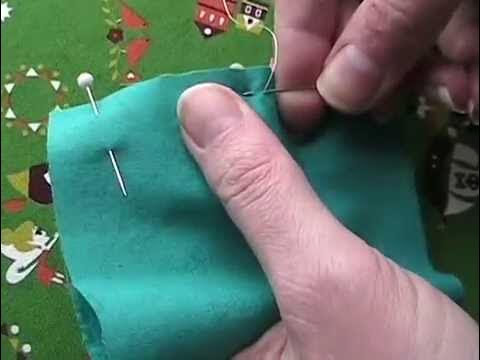
Image Source: i.ytimg.com
Essential Tools for Hand Sewing
Before you start, gather the right supplies. Having the proper tools makes the process much smoother and more enjoyable.
The Mighty Needle and Thread
The backbone of hand sewing is, of course, the needle and thread.
-
Needles:
- Sharps: These are your all-purpose needles with a medium length and a sharp point. They’re great for general sewing.
- Betweens: Shorter than sharps, these are ideal for quick stitches and precision work.
- Milliners’ needles: These are similar to sharps but have a longer eye, which can be helpful for threading thicker threads.
- Embroidery needles: These have a larger eye to accommodate embroidery floss or thicker threads.
-
Thread:
- All-purpose polyester thread: This is a strong and versatile choice for most fabrics.
- Cotton thread: Good for natural fabrics like cotton and linen.
- Silk thread: Strong and lustrous, often used for delicate fabrics or embellishments.
- Heavy-duty thread: For sewing thicker materials like denim, canvas, or leather.
Fabric and Scissors
- Fabric: Start with fabrics that are easy to work with, like cotton or felt. Avoid very slippery or stretchy fabrics when you’re first learning.
- Scissors:
- Fabric scissors: These are specifically designed for cutting fabric and should only be used for fabric to keep them sharp.
- Paper scissors: Use these for cutting patterns or other paper items.
Other Helpful Tools
- Thimble: This protects your finger when pushing the needle through fabric. It’s a game-changer for comfort and ease.
- Seam ripper: For undoing stitches if you make a mistake.
- Pins: To hold fabric pieces together before sewing.
- Measuring tape or ruler: For accurate measurements.
- Fabric marker or chalk: To mark your sewing lines.
- Iron and ironing board: For pressing seams as you go, which makes your stitches look neater and your finished project more professional.
Preparing Your Fabric and Thread
Proper preparation ensures your sewing is neat and your finished product looks its best.
Threading the Needle
This might seem simple, but a little trick can make it easier:
- Cut a length of thread (about 18-24 inches is a good starting point; longer threads can tangle easily).
- Moisten the end of the thread slightly with water or saliva to help it go through the needle’s eye.
- Hold the needle firmly and guide the thread through the eye.
- Pull about 4-6 inches of thread through the eye.
Knotting the Thread
A secure knot prevents your stitches from unraveling.
-
Simple Overhand Knot:
- Hold the end of the thread between your thumb and forefinger.
- Wrap the thread around your fingertip twice to create a loop.
- Using your thumbnail, push the loops off your fingertip and pull the tail of the thread through the loops.
- Pull the knot tight.
-
Backstitch Knot (for starting a seam): After making your first few backstitches, loop the thread around your needle one extra time before pulling it through to create a secure knot.
Pre-washing Your Fabric
It’s a good idea to pre-wash your fabric before sewing, especially cottons and linens. This removes any sizing chemicals and pre-shrinks the fabric, preventing your finished project from shrinking or distorting after you’ve sewn it.
Mastering Basic Hand Sewing Stitches
There are several fundamental sewing stitches that form the basis of most hand sewing techniques. Learning these will equip you for a wide range of projects.
1. The Basting Stitch (or Running Stitch – Long Version)
- Purpose: Temporarily holds fabric pieces together before permanent stitching, or for gathering fabric.
- How to do it:
- Thread your needle and knot the end.
- Start by inserting the needle from the wrong side of the fabric.
- Bring the needle up through the fabric.
- Insert the needle back down through the fabric about ¼ to ½ inch away, depending on the desired stitch length.
- Bring the needle back up again, leaving a gap the same length as the stitch.
- Continue this process, creating a series of evenly spaced, long stitches. You can load several stitches onto the needle at once before pulling the thread through for faster basting.
- Key Feature: Long, loose stitches that are easy to remove.
2. The Running Stitch (or Plain Stitch)
- Purpose: A basic, strong stitch for seams and gathering.
- How to do it:
- Thread your needle and knot the end.
- Start by inserting the needle from the wrong side of the fabric.
- Bring the needle up through the fabric.
- Insert the needle back down through the fabric about 1/8 to 1/4 inch away.
- Bring the needle back up again, leaving a gap the same length as the stitch.
- Continue this process, creating a series of small, evenly spaced stitches. For speed, you can slide the needle through several layers of fabric at an angle, creating a series of stitches on the needle before pulling the thread through.
- Key Feature: Small, evenly spaced stitches that create a relatively strong seam.
Table: Running Stitch Comparison
| Stitch Type | Typical Length | Strength | Appearance (Right Side) | Appearance (Wrong Side) | Primary Use |
|---|---|---|---|---|---|
| Basting Stitch | ¼” – ½” | Low | Uneven small dashes | Uneven small dashes | Temporary holding, gathering |
| Running Stitch | ⅛” – ¼” | Medium | Small, even dashes | Small, even dashes | Seams, gathering, mending small tears |
3. The Backstitch
- Purpose: Creates a strong, secure seam that closely resembles a machine stitch. Ideal for areas that will experience stress.
- How to do it:
- Thread your needle and knot the end. Start from the wrong side of the fabric.
- Bring the needle up to the right side of the fabric.
- Insert the needle back down into the fabric about 1/8 to 1/4 inch before your starting point.
- Bring the needle back up to the right side of the fabric about 1/8 to 1/4 inch ahead of your starting point (the same distance as your first stitch).
- Now, insert the needle back down into the same hole where your previous stitch ended.
- Repeat this process, always bringing the needle up one stitch length ahead and then inserting it back down at the end of the previous stitch.
- Key Feature: Each stitch overlaps the previous one, creating a continuous line of thread on the front and a strong, unbroken seam.
4. The Whipstitch (or Overcast Stitch)
- Purpose: Joins two folded edges together, often used for hemming, appliqué, or closing seams where edges are finished. It also helps prevent fraying.
- How to do it:
- Thread your needle and knot the end. Start from the wrong side of the fabric.
- Bring the needle up through the edge of one fabric piece.
- Bring the needle over the raw edge and up through the second fabric piece, about 1/8 inch away from the first stitch.
- Continue bringing the needle over the edges and up through both fabrics, keeping the stitches close together and the thread snug but not so tight that it puckers the fabric.
- Key Feature: Stitches go diagonally across the raw edges, neatly enclosing them.
5. The Hemming Stitch (or Blind Hem Stitch)
- Purpose: Creates an almost invisible hem on garments and other projects.
- How to do it:
- Finish the raw edge of the hem by folding it under twice and pressing. Or, use a whipstitch on the raw edge first.
- Thread your needle and knot the end. Start from the wrong side of the garment, inside the folded hem.
- Take a tiny stitch in the folded hem.
- Slide the needle into the main fabric of the garment for about ¼ inch, taking just a few threads of fabric.
- Bring the needle back out and directly into the folded hem, taking another tiny stitch.
- Continue this, alternating between the hem fold and the main fabric, ensuring the stitches on the outside are as small and inconspicuous as possible.
- Key Feature: The stitches are hidden within the folds of the fabric, making the hem appear seamless.
Applying Your Hand Sewing Skills: Popular Projects
Once you’ve practiced these basic sewing stitches, you can start on a variety of projects.
Mending and Repairs
Hand sewing is your best friend for quick fixes.
-
Sewing on a button:
- Thread your needle and knot the end.
- Insert the needle from the wrong side of the fabric up through one of the buttonholes.
- Go down through another buttonhole and back through the fabric.
- Repeat this several times to secure the button. For a stronger hold, place a toothpick or pin between the button and the fabric as you stitch. This creates a shank, allowing the fabric to fit comfortably under the button.
- Once secure, loop the thread around the stitches under the button a few times to create a strong shank, then tie off on the wrong side.
-
Repairing small tears: Use a running stitch or backstitch for a durable repair. For a less visible mend, try to match the thread color to the fabric.
-
Fixing seams: If a seam starts to open, a few careful backstitches can reinforce it and prevent further unraveling.
Creating Custom Items
DIY sewing opens up a world of creative possibilities.
-
Simple drawstring bag:
- Cut two identical rectangular pieces of fabric.
- Place them right sides together and sew around three sides using a backstitch, leaving the top open.
- Fold the top edge down about ½ inch and press.
- Fold it down again about 1 inch to create a casing for the drawstring. Press and baste this fold in place.
- Sew along the bottom folded edge of the casing using a running stitch or backstitch, leaving a small opening to thread the drawstring through.
- Thread a cord or ribbon through the casing using a safety pin or bodkin.
- Close the opening with a few neat hand stitches.
-
Fabric coasters:
- Cut four squares of fabric for each coaster (two for the top, two for the backing).
- Place two squares right sides together and sew around the edges with a backstitch, leaving a small opening for turning.
- Clip the corners and turn the fabric right side out. Press flat.
- Repeat with the other two squares.
- Sandwich one turned square on top of the other, right sides facing out, with the opening edges aligned.
- Use a whipstitch to carefully join the two pieces together, closing the opening at the same time. For extra stability, you can also add a running stitch around the perimeter after the whipstitch.
-
Appliqué: This involves sewing smaller pieces of fabric onto a larger background fabric for decoration. Use a whipstitch to secure the edges of the appliqué pieces.
The Art of No-Sew Projects
While this guide focuses on sewing by hand, it’s worth mentioning that there are also no-sew options for quick crafting. These often involve fabric glue, fusible interfacing, or fabric tapes, which are excellent for projects where durability isn’t paramount or when you need a truly instant result. However, for lasting creations and a true sense of accomplishment, hand sewing is unparalleled.
Tips for Successful Hand Sewing
- Practice Patience: Hand sewing takes time. Don’t rush; enjoy the process.
- Good Lighting: Ensure you have bright, clear light to see your stitches.
- Comfort is Key: Use a thimble to protect your fingers. Sit comfortably with good posture.
- Keep Stitches Even: Aim for consistent stitch length and spacing for a neater finish.
- Thread Length: Use shorter lengths of thread (18-24 inches) to prevent tangling and knotting.
- Press Your Seams: Use an iron to press seams flat after stitching. This makes your work look more professional and helps with the accuracy of subsequent stitches.
- Start Small: Begin with simple projects and build up your skills.
- Don’t Be Afraid to Undo: If you make a mistake, use your seam ripper to carefully remove the stitches and try again. It’s part of the learning process.
Maintaining Your Hand Sewing Tools
- Needles: Keep them in a needle book or pincushion to prevent them from getting lost or bent. Discard rusty or bent needles.
- Scissors: Keep your fabric scissors solely for fabric. Store them safely.
- Thread: Store your threads neatly to prevent tangles.
Frequently Asked Questions about Hand Sewing
Q1: What is the strongest hand stitch?
A1: The backstitch is generally considered the strongest and most durable hand stitch, as it creates a continuous, unbroken line of thread that mimics a machine stitch.
Q2: Can I sew jeans without a sewing machine?
A2: Yes, you can sew jeans without a sewing machine, especially for repairs. Use a strong, heavy-duty thread and a backstitch for any seams or repairs that need to be durable. For very thick denim, you might need a thicker needle and possibly a thimble to help push it through.
Q3: How do I make my hand stitches look neater?
A3: Consistency is key. Try to make your stitches the same size and spacing. Using a fabric marker or chalk to draw a line can help guide your stitches. Pressing your seams flat with an iron also makes a significant difference in the overall neatness of your project.
Q4: What fabric is easiest to hand sew?
A4: Fabrics like cotton, linen, and felt are generally the easiest for hand sewing. They don’t fray excessively, hold their shape well, and the needle passes through them with relative ease.
Q5: How do I prevent thread from tangling when hand sewing?
A5: Use shorter lengths of thread (around 18-24 inches). Avoid twisting the thread as you sew. If the thread does start to twist, let the needle hang and spin freely for a moment to untwist. Keeping your stitches firm but not overly tight also helps.
Q6: Is there a way to sew without any sewing at all?
A6: Yes, there are no-sew methods using fabric glue, fabric adhesive tape, or fusible webbing. These are great for quick crafts or temporary fixes but don’t offer the same durability or aesthetic as traditional sewing by hand or with a machine.
Mastering hand sewing is a valuable skill that connects you to a long tradition of crafting and creation. With a little practice and the right techniques, you can tackle any sewing task, from simple repairs to creating beautiful handmade items. So grab your needle and thread and start your DIY sewing adventure today!