
What is basting in sewing? Basting is a way to temporarily join pieces of fabric together before you sew them permanently with stitches. It’s like a dress rehearsal for your sewing project, ensuring everything fits and lies smoothly before the final stitch. This guide will walk you through everything you need to know about basting sewing, from its purpose to the different methods you can use.
Sewing can seem daunting, especially when you’re starting out. There are so many techniques and tools to learn! But don’t worry, basting is a fundamental skill that will make your sewing journey much smoother and your finished projects much better. Think of it as laying a solid foundation before building a house. Without proper basting, your seams might pucker, your pieces might shift, and your garment won’t hang right. This guide will break down the art of basting into simple, easy-to-follow steps.
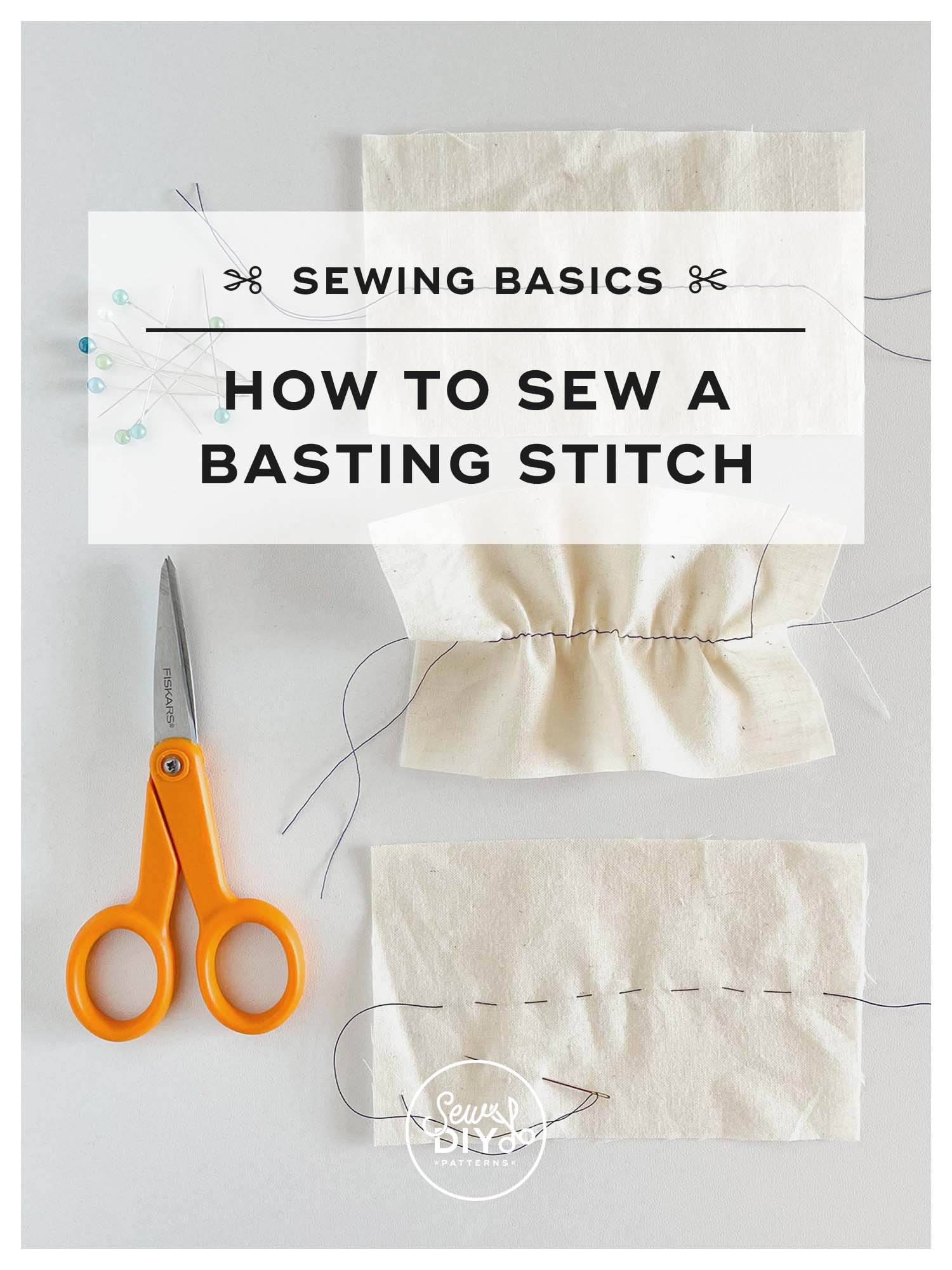
Image Source: images.squarespace-cdn.com
Why Baste? The Crucial Role of Temporary Stitching
Basting is not just an extra step; it’s a vital part of achieving professional-looking results in your sewing projects. It serves several key purposes:
- Holding Seams Together: The primary function of basting is to keep fabric pieces in place while you sew them permanently. This is especially important for curves, corners, or when working with slippery fabrics that tend to shift.
- Ensuring Accurate Fit: Before you commit to permanent stitching, basting allows you to try on your garment and check the fit. You can make adjustments easily at this stage, saving you the hassle of ripping out permanent stitches later.
- Marking Placement: Basting can be used to mark lines for darts, pleats, or other design elements, ensuring they are placed accurately.
- Easing and Gathering: For areas that need to be eased (like sleeves into armholes) or gathered, basting helps you distribute the fullness evenly before permanent stitching.
- Stabilizing Delicate Fabrics: Lightweight or stretchy fabrics can be difficult to handle. Basting can stabilize them, making them easier to cut and sew without stretching out of shape.
Pinning Fabric vs. Basting: A Comparison
While pinning fabric is a common way to hold pieces together, basting often offers superior stability and accuracy, especially for complex projects or challenging fabrics.
| Feature | Pinning Fabric | Basting Sewing |
|---|---|---|
| Primary Use | Holding edges for quick assembly or straight seams. | Securing pieces for precise stitching, fitting, or easing. |
| Stability | Good for stable fabrics and simple seams. | Excellent, especially for slippery or stretchy fabrics. |
| Accuracy | Can allow for slight shifting between pins. | Minimal shifting due to longer stitches. |
| Ease of Adjustment | Easy to remove and reposition pins. | Easy to remove basting stitches, then re-baste. |
| Time Investment | Generally faster for simple tasks. | Takes more time initially but saves time overall. |
| Fabric Suitability | Suitable for most fabrics. | Particularly beneficial for difficult-to-handle fabrics. |
When Pinning is Enough
For simple straight seams on stable fabrics like cotton, pinning fabric is often sufficient. Place pins perpendicular to the seam line, about 2-3 inches apart. Ensure the pins are not directly under the sewing machine needle.
When Basting is Essential
You’ll want to reach for your basting needle and thread when:
- Working with slippery fabrics like silk, satin, or rayon.
- Sewing curves, corners, or collars.
- Making garments that require a precise fit.
- Attaching linings or interfacings.
- Easing fabric into a smaller opening.
- Creating gathers or pleats.
Methods of Basting Sewing
There are several ways to baste, each suited to different situations. The most common methods involve using a needle and thread (hand basting) or your sewing machine (machine basting).
Hand Basting: The Classic Approach
Hand basting, also known as thread basting, is the traditional and often preferred method for its control and flexibility. It involves using a long needle and contrasting thread to create loose stitches.
What You’ll Need for Hand Basting:
- Basting Needle: A long, thin needle with a large eye is ideal. A milliner’s needle or a long darners needle works well.
- Basting Thread: Use a plain, unwaxed cotton thread that is a contrasting color to your fabric. This makes it easy to see and remove later. Avoid using your good quality sewing thread as it might be too strong and difficult to pull out.
- Scissors: For cutting the thread.
How to Hand Baste:
- Thread Your Needle: Cut a generous length of basting thread (about 18-24 inches). Thread your needle, but don’t knot the end. Instead, leave a tail of about 2-3 inches.
- Start Stitching: Insert the needle from the wrong side of the fabric, leaving the tail on the outside.
- Create Long Stitches: Make long, running stitches, about 1/2 inch to 1 inch in length. The longer the stitches, the faster the basting, but also less secure. For very delicate fabrics or precise curves, you might use slightly shorter stitches (1/4 inch).
- Keep Stitches Loose: The key to basting is to keep the stitches loose and the thread tension relaxed. This makes them easy to remove later.
- Secure the End: When you reach the end of your basting line or need to start a new thread, make a few small stitches over the previous ones on the outside, or simply leave the tail loose. You don’t need to knot it securely.
- Continue Along the Seam: Work your way along the seam line, ensuring the fabric pieces stay aligned.
Types of Hand Basting Stitches:
- Even Basting: Stitches and spaces are roughly the same length. Good for general purposes.
- Uneven Basting: Stitches are longer on one side than the other, with longer spaces. This is faster but less secure. It’s often used for easing or gathering.
- Diagonal Basting: Stitches are made at an angle to the seam line. This is excellent for holding curves or preventing fabric from shifting, especially on bias-cut fabrics.
- Thread Basting (Catch Stitch Basting): Small, diagonal stitches are made on the wrong side of the fabric, catching just a thread or two of the fabric. This is very secure and good for holding hems or interfacings in place without showing on the right side.
Machine Basting: The Speedy Alternative
Machine basting uses your sewing machine to create long, temporary stitches. It’s much faster than hand basting but requires a bit more care to ensure the stitches are easy to remove.
How to Machine Baste:
- Set Your Machine:
- Stitch Length: Set your sewing machine to its longest stitch length (usually 4.0mm or more).
- Tension: Reduce your upper thread tension slightly. This makes the stitches looser and easier to pull out. You might need to experiment on a scrap piece of fabric.
- Thread: Use a contrasting colored thread in the bobbin and the upper thread. Regular sewing thread is fine here, as long as it’s easy to see.
- Prepare Your Fabric: Pin your fabric pieces together securely, as you normally would for sewing. Ensure there are no pins directly in the path of the needle.
- Sew the Basting Line: Sew along your desired seam line with the longest stitch length. Leave long thread tails at the beginning and end – don’t backstitch.
- Removing Machine Basting: Because you’ve used a long stitch length and potentially lowered tension, these stitches should be relatively easy to pull out. You can often pull one thread and have a section come out.
When to Use Machine Basting:
- Straight seams on stable fabrics.
- Quickly holding garment pieces together for a fitting.
- When speed is a priority.
Caution with Machine Basting:
- Avoid backstitching: Backstitching will lock the stitches in place, making them very difficult to remove.
- Test your settings: Always test your machine basting on a scrap of your fabric to ensure the stitches are indeed temporary and easy to remove.
- Not ideal for curves or delicate fabrics: Machine basting can sometimes distort curves or snag delicate materials.
Advanced Basting Techniques and Tips
Beyond the basic methods, there are specialized techniques and helpful tips to elevate your basting game.
Basting for Specific Fabric Types
- Silks and Satins: These slippery fabrics require meticulous basting. Hand basting with diagonal stitches is often best to prevent any shifting. Use a fine, sharp needle and a smooth, unwaxed thread.
- Velvet: Baste velvet with the pile going in the same direction. You can use long hand stitches or machine basting on the seam allowance. Some sewers prefer to use pins only, very close together, to avoid making permanent holes in the velvet pile.
- Knits and Stretchy Fabrics: For knits, a lightweight fusible interfacing or a stabilizer can be basted to the wrong side of the fabric to prevent stretching before cutting and sewing. Hand basting with a slightly shorter stitch is often preferred over machine basting to avoid distorting the fabric.
- Sheer Fabrics: Use fine needles and thin, smooth basting thread. You might need to use shorter stitches to catch enough fabric without creating bulk. Consider using a wash-away stabilizer basted to the fabric for extra support.
Basting for Specific Sewing Tasks
- Attaching Collars and Cuffs: Baste the collar stand or cuff to the neckline or sleeve opening carefully, aligning all notches and edges. This ensures a crisp finish.
- Setting Sleeves: Baste the sleeve into the armhole, distributing the ease evenly. Pinning alone is often not enough for perfectly set-in sleeves.
- Hemming: For hems, you can baste the hem in place before pressing and stitching. This is especially useful for curved hems or when using double-folded hems.
- Zippers: Baste the zipper tape to the fabric before machine stitching. This holds the zipper securely and prevents it from shifting.
Using Alternative Basting Materials
While thread is the most common, other options exist:
- Fusible Webbing: This is an iron-on adhesive that can be used for temporary holds. Cut a piece of fusible webbing slightly smaller than the seam allowance, place it between the fabric layers, and press with an iron. It’s a great option for appliqué or when you want a very firm hold. However, it’s not a traditional basting stitch.
- Temporary Fabric Adhesives: Spray adhesives designed for fabric can hold pieces together. Use sparingly and test on scraps first, as some can leave residue or affect the fabric. These are more like temporary glues than basting stitches.
The Art of Removing Basting Stitches
Once your permanent stitching is complete, it’s time to remove the basting.
How to Remove Hand Basting:
- Locate the Thread: Find the contrasting basting thread.
- Snip the Stitches: Use small, sharp scissors (embroidery scissors are ideal) to carefully snip each stitch. Try to cut only the basting thread, not the fabric.
- Pull Out the Thread: Once snipped, the basting thread should pull out easily. If it breaks, snip the next stitch and continue.
- Check for Lingering Threads: After removing the bulk of the thread, look closely at the seam and gently pick out any small pieces that may have been left behind.
How to Remove Machine Basting:
- Find a Thread Tail: Locate one of the long thread tails you left at the beginning or end of the machine basting.
- Pull and Snip: Gently pull the thread. As the stitches loosen, you can use your scissors to snip any sections that are resistant or if the thread breaks.
- Check for Stubborn Stitches: If you reduced the tension too much, or if the thread broke into small pieces, you might need to use your seam ripper to carefully remove any remaining short stitches.
Troubleshooting Common Basting Issues
Even experienced sewers can encounter problems with basting. Here are some common issues and how to fix them:
Problem: Fabric is Shifting Despite Basting.
- Solution: Your basting stitches might be too long, or your thread tension too loose. Try hand basting with shorter, more frequent stitches, or machine basting with a slightly tighter tension (but still loose enough to remove). Ensure you have enough basting stitches holding the entire seam, not just at the ends.
Problem: Basting Stitches Are Too Hard to Remove.
- Solution: You may have used regular sewing thread that is too strong, or your machine tension is too high. If machine basting, ensure your stitch length is set to the absolute longest setting and lower the top tension. For hand basting, use a smooth, plain cotton thread.
Problem: Basting Creates Puckers.
- Solution: This often happens when fabric is pulled too tightly during basting. Ensure you are keeping your basting stitches loose and relaxed. For machine basting, avoid pulling the fabric through the machine; let the feed dogs do the work.
Problem: My Basting Thread is Visible on the Right Side of the Fabric.
- Solution: If hand basting, you may be catching too much fabric on the right side. Try to make your stitches smaller on the right side and longer on the wrong side, or only catch one or two threads on the right side. For machine basting, check your stitch length; very long stitches are less likely to show.
Frequently Asked Questions About Basting
Here are answers to some common questions about basting sewing:
Q1: Can I just use pins to hold my fabric instead of basting?
A1: For very simple seams on stable fabrics, pins might be enough. However, for most projects, especially those involving curves, slippery fabrics, or requiring precise fitting, basting provides superior stability and accuracy. Basting prevents fabric from shifting during sewing, leading to a much better final result.
Q2: What’s the best kind of thread to use for basting?
A2: The best thread for basting is a plain, unwaxed cotton thread in a contrasting color to your fabric. It’s strong enough to hold the fabric but also easy to break and remove cleanly. Avoid using your best polyester or silk threads, as they can be difficult to pull out without damaging the fabric.
Q3: How far apart should my basting stitches be?
A3: For hand basting, stitches can range from 1/4 inch to 1 inch long, depending on the fabric and the complexity of the seam. Longer stitches are faster but less secure. Shorter stitches offer more stability. For machine basting, use the longest stitch length your machine offers.
Q4: Do I need a special basting needle?
A4: While a dedicated basting needle (often long and thin with a large eye) is helpful, you can also use a long darner needle or a milliner’s needle. The key is that it should be long enough to create good stitches easily and have an eye large enough for your basting thread.
Q5: How do I remove machine basting stitches if they are too hard to pull out?
A5: If your machine basting stitches are proving difficult to remove, it’s likely due to thread tension being too high or the stitch length not being long enough. First, try gently pulling one of the long thread tails. If it breaks, use a seam ripper or small, sharp scissors to carefully snip individual stitches. Always test your machine basting settings on a scrap piece of fabric before basting your project.
Q6: Is there a difference between basting and tacking stitches?
A6: Basting generally refers to longer, temporary stitches used to hold fabric pieces together for sewing or fitting. Tacking stitches, on the other hand, are very short, reinforcing stitches. They are often used at stress points like the beginning or end of a seam, or to secure a buttonhole or a dart end permanently. While both are temporary or reinforcing stitches, their purpose and stitch length differ.
By incorporating basting into your sewing routine, you’ll find that your projects become more manageable, your seams are more accurate, and your finished garments have a professional polish. Happy sewing!