
Ready to get your sewing space in order? Organizing your fabric stash can feel like a big job, but it doesn’t have to take forever. How can you organize your fabric quickly? The best way to start is by quickly sorting what you have, choosing simple fabric storage methods, and focusing on getting things off the floor and into a system that works for you right now. This guide gives you easy ways to tidy up your fabric fast, making your sewing room organization much better. We’ll look at different ideas, from folding methods to smart bins and hangers. Let’s make finding your fabric easy!
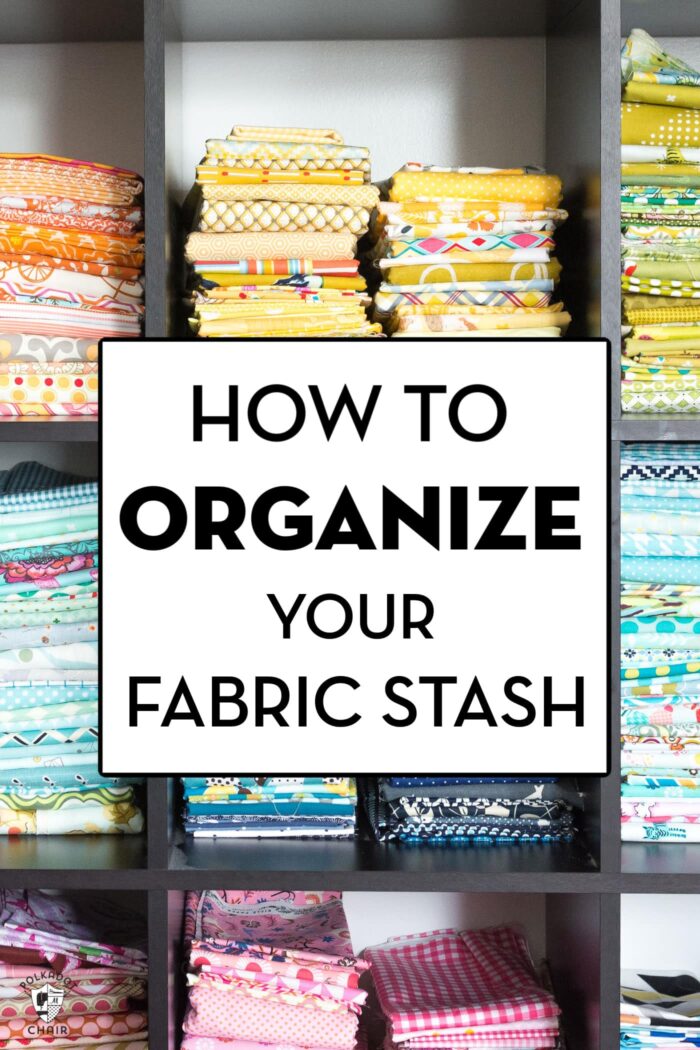
Image Source: www.polkadotchair.com
Why Tidy Up Your Fabric Stash?
Having a neat sewing room makes crafting more fun. When your fabric is organized, you save time looking for just the right piece. You also know what you have. This means you won’t buy fabric you already own. A tidy space helps you feel calm and ready to sew. It helps you use your fabric stash storage well.
Start Fast: A Quick Fabric Sort
To organize fast, you need to sort fast. Don’t get stuck on making it perfect yet. Just get things moving.
Sort into Quick Groups
First, make big piles. Don’t overthink it.
* Solid colors: Put all plain fabrics together.
* Prints: Keep all patterned fabrics in one pile.
* Special types: Separate things like knits, upholstery, or sheer fabrics.
* Small pieces: Have a pile just for organize fabric scraps.
Decide What Stays
Walk through your piles quickly. Ask yourself:
* Do I love this fabric?
* Will I really use it soon?
* Is it a useful size?
If you know you won’t use a piece, put it in a box to give away or sell. Don’t hold onto fabric just because you feel you “should”. Be a bit tough here to clear space quickly.
Put Away What You Don’t Need
Take the boxes of fabric you won’t keep out of the room right away. Put them in your car or near the door. This stops clutter from coming back into your space.
Deciphering Fabric Storage Methods
Now that you’ve sorted, let’s look at smart ways to put fabric away. Choosing the right fabric storage methods is key to keeping your room tidy.
Folding Fabric Neatly
How you fold fabric matters a lot for storage. A simple, uniform fold makes stacks look tidy and saves space. This is part of good fabric folding techniques.
- The Bolt Fold: For larger pieces, folding fabric around a flat, stiff board works well. You can buy special fabric boards or use comic book boards. Wrap the fabric smoothly around the board. This makes neat “mini-bolts” that stand up easily on shelves or in bins.
- Folding for Stacks: For smaller cuts, fold fabric into consistent rectangles or squares. Try to make them roughly the same size. This makes stacks stable and neat. Fold the selvedges (edges) to the center, then fold in half or thirds.
- Folding Knits: Knit fabric can roll at the edges. Fold knits gently without stretching. You can fold them flat or roll them loosely to prevent creases.
Keeping folds the same size makes stacking much easier and tidier. It’s one of the best ways to store fabric on shelves.
Using Fabric Storage Bins
Bins are great for keeping different types of fabric separate. They also protect fabric from dust. Fabric storage bins come in many sizes and materials.
- Clear Plastic Bins: These are good because you can see what’s inside without opening them. Use them for sorted piles, like “solid cottons” or “seasonal prints.”
- Fabric or Basket Bins: These look nice and hide what’s inside. Use them for less-used fabric or specific projects.
- Drawers: If you have drawers, use them for storing fabric laid flat or folded neatly. This keeps fabric clean and out of sight.
Label your bins! This makes finding things much faster later. Just a simple label like “Quilting Cotton – Prints” or “Knits” helps a lot.
Implementing Hanging Fabric Storage
Hanging fabric is a wonderful way to use vertical space. It keeps fabric from getting wrinkled and lets you flip through it like clothes in a closet. This is called hanging fabric storage.
- Pants Hangers: Hangers with clips are perfect for folding fabric over and clipping the edges.
- Skirt Hangers: Similar to pants hangers, the clips hold fabric well.
- Special Fabric Hangers: Some companies make hangers just for fabric bolts or folded fabric.
- Garment Bags: For special fabrics like silks or large pieces, putting them in hanging garment bags protects them from dust and light.
Hanging fabric works best in a closet or on a rolling rack. It’s a great option for longer pieces or fabrics you use often.
Rolling Fabric Pieces
Rolling fabric is another way to store larger cuts. It prevents hard creases and saves space compared to bulky folds.
- Roll fabric around cardboard tubes (like from wrapping paper or paper towels) or use mailing tubes.
- Keep the roll smooth and not too tight.
- Store rolls upright in a tall bin, a laundry hamper, or a special fabric roll organizer.
- You can also store rolls horizontally on deep shelves.
Rolling is good for larger cuts of batting or fabrics that crease easily.
Managing a Fabric Stash with Specific Systems
Think about how you use fabric. This helps you choose the best system. Managing a fabric stash is easier with a plan.
- Sort by Color: Store fabrics by color family. This is great for quilters or people who pick fabric based on color.
- Sort by Type: Group fabrics by fiber content (cotton, linen, wool) or use (apparel, quilting, home decor). This helps you pick the right fabric for a project.
- Sort by Project: If you buy fabric for a specific project, keep all the fabric for that project together in a bin or bag. This is helpful for long-term projects.
Pick one system or mix a few. For example, store most cottons by color but keep upholstery fabric separate by type.
Strategies for Fabric Scraps
What about all the small pieces? Organize fabric scraps so they don’t take over your space. Scraps can be very useful!
Sorting Scraps
Sorting scraps makes them less messy and more usable.
* Sort by Size: Have bins for “large scraps” (big enough for a block), “medium scraps” (good for patching or small details), and “tiny scraps” (use for stuffing or discard).
* Sort by Color: Like larger fabric, sorting scraps by color is helpful. A clear jar filled with colorful scraps looks nice and keeps them tidy.
* Sort by Fiber: Keep knit scraps separate from woven scraps, for example.
Storage Ideas for Scraps
Scraps need containers that are easy to access but keep them contained.
* Clear Jars or Containers: Perfect for small, pretty scraps sorted by color. You can see them easily.
* Small Bins or Boxes: Use these for medium to large scraps, sorted by color or type.
* Ziploc Bags: Put scraps for a specific small project (like a pincushion) in a bag.
* Plastic Drawer Units: Small multi-drawer units are great for sorting different types or sizes of scraps.
Use Your Scraps
The best way to manage scraps is to use them!
* Make scrappy quilts or projects.
* Use small pieces for applique or patching.
* Stuff pincushions or small soft toys.
* Offer unwanted scraps to friends or local craft groups.
Set a goal to use a certain amount of scraps each month.
Craft Room Organization Ideas for Fabric
Your fabric storage fits into your larger craft room organization ideas. Thinking about your whole space helps make your fabric accessible and your room work well.
Create Zones in Your Space
Think about how you use your sewing room.
* Cutting Zone: Needs a large surface. Keep frequently used fabrics nearby.
* Sewing Zone: Your machine area. Keep project fabric close by.
* Storage Zone: Shelves, bins, or closets for your fabric stash.
Putting your fabric storage in a clear zone helps keep other areas tidy.
Use Vertical Space
Walls are your friends! Using vertical space gets items off desks and floors.
* Shelving Units: Tall bookshelves are excellent for storing fabric bolts or folded fabric bins.
* Wall-Mounted Bins or Pockets: Great for small scraps or frequently used small pieces.
* Pegboards: Use hooks to hang rulers, scissors, and maybe even small fabric cuts or spools of fabric scraps.
Vertical storage saves floor space and makes cleaning easier.
Labels Help A Lot
Once you’ve sorted and stored your fabric, label everything.
* Label shelves (“Cotton Prints”).
* Label bins (“Knits,” “Holiday Fabrics”).
* Label bolts or folded pieces with the fabric type or yardage.
Good labels mean you and others (if they help you find things) can put fabric away correctly and find it fast. This is key for good sewing room organization.
Best Ways to Store Fabric for Long-Term
Some fabrics are special or expensive. You want to store them well so they last. Knowing the best ways to store fabric protects your investment. This is part of careful fabric stash storage.
Protect from Light and Dust
- Keep out of Direct Sunlight: Sun fades fabric colors quickly. Store fabric in closets, drawers, or opaque bins if possible. If on open shelves, use covers or store in a room without direct sun.
- Use Bins or Covers: Bins, boxes with lids, or even just covering shelves with a sheet protects fabric from dust.
Use Acid-Free Materials
Some storage materials can harm fabric over time.
* Acid-Free Tissue Paper: Wrap very special fabrics in acid-free tissue.
* Acid-Free Boxes or Bins: Use these for heirloom fabrics or very valuable pieces. Comic book boards used for folding are often acid-free.
Avoid storing fabric directly against unfinished wood, which can contain acids that yellow fabric.
Control Humidity and Pests
- Avoid Damp Places: Basements or garages can be too humid. Humidity can cause mildew or mold. Store fabric in a climate-controlled area if possible.
- Keep Clean: A clean sewing room is less likely to attract pests like moths or silverfish. Store fabric away from food and sweep or vacuum regularly.
- Cedar or Lavender: Natural repellents like cedar blocks or lavender sachets can help keep pests away. Avoid mothballs, which have strong chemicals that can damage or discolor fabric and are hard to air out.
Storing fabric well keeps it looking good and ready to use for years to come.
Table of Fabric Storage Methods
Here’s a quick look at common ways to store fabric and what they are good for.
| Storage Method | Good For | Pros | Cons | Speed to Implement (Fast/Medium/Slow) |
|---|---|---|---|---|
| Folding on Boards | Medium to large cuts | Looks very neat, easy to see edges | Requires buying or making boards | Medium (Once boards are ready) |
| Folding in Stacks | Medium to small cuts | Easy to start, uses shelf space | Stacks can fall, hard to see bottom ones | Fast |
| Using Storage Bins | All sizes, especially scraps | Protects from dust, contains clutter | Can be hard to see what’s inside (if solid) | Fast (if bins are ready) |
| Hanging on Hangers | Larger cuts, apparel fabric | Prevents wrinkles, easy to flip through | Needs closet or rack space, can stretch | Fast |
| Rolling | Large cuts, batting | Prevents hard creases, uses vertical space | Needs tubes or holders | Medium |
| Sorting Scraps in Jars | Small scraps | Looks pretty, easy to see | Takes many jars for lots of scraps | Fast |
This table helps you compare different fabric storage methods quickly to see which fits your space and fabric type.
Tips to Organize Fabric Fast
Remember the goal is speed! Here are specific ways to organize your fabric quickly.
Set a Timer
Give yourself a time limit. Maybe 30 minutes or an hour. Work fast during that time. Stop when the timer rings. This helps you avoid getting bogged down in details.
Focus on One Spot
Don’t try to do the whole room at once. Pick one shelf, one bin, or one corner. Finish that area before moving to the next. This makes the job feel less huge.
Don’t Aim for Perfect
The first pass is about getting organized enough so you can find things. You can always make it perfect later. Right now, just get fabric off the floor and into general categories.
Get Help if You Can
Ask a friend or family member to help for an hour. One person can fold while the other sorts or puts fabric in bins. Working together makes it faster.
Use Ready Containers
Have your bins, boxes, or hangers ready before you start sorting. This way, you can put fabric right into its new home as you go. Don’t stop to search for a bin.
Make Decisions Quickly
When sorting, trust your first thought. “Keep,” “Donate,” or “Scrap Bin.” Don’t spend too long thinking about each piece. Be decisive to move fast.
Tidy Up As You Go
As you sort through a pile, put the “keep” fabric into its new storage spot right away. Don’t create a new pile to deal with later. This is key for speed.
Organizing fabric quickly is possible if you stay focused and use simple, effective methods. Getting your craft room organization ideas into action, even just for your fabric, makes a big difference.
Frequently Asked Questions About Organizing Fabric
Q: How often should I organize my fabric stash?
A: It’s a good idea to do a quick tidy up often, maybe every few months. A big sort-out once a year or when your stash feels out of control helps a lot.
Q: What if I have too much fabric for my space?
A: This is common! Revisit the quick sort step. Be honest about what you’ll use. Donate or sell fabric you don’t love or need. Use vertical storage to use wall space. Store less-used fabric in another spot if possible, like a garage or attic (but make sure it’s protected from harsh conditions). Managing a fabric stash sometimes means reducing its size.
Q: How do I store fabric that is still on the bolt from the store?
A: You can stand bolts upright on the floor in a corner or bin. Or, if you have deep shelves, you can lay them on their side. Some people build special cubbies for bolts. Hanging fabric storage using special large clips can also work.
Q: Is it better to store fabric folded or rolled?
A: It depends on the fabric and your space. Rolling prevents creases and is good for long pieces or fabrics that wrinkle easily. Folding is great for shelves and bins and makes it easy to see many fabrics at once. Many people use a mix of both.
Q: My fabric scraps bin is overflowing constantly! Help!
A: First, sort your scraps by size. Get rid of truly tiny bits you won’t use. Store medium and large scraps neatly. Set a rule for yourself: before you cut new fabric for a small project, check your scrap bins first. Also, make a plan to use scraps regularly, like using them for small projects or donating them. This helps organize fabric scraps and keeps the bin manageable.
Q: How can I keep track of how much fabric I have?
A: For a fast organization, don’t focus on this first. Later, you can add notes to your fabric storage. Use labels on bolts or bins indicating yardage. Some people use apps or spreadsheets to list their fabrics. Just knowing the type and color by seeing it neatly stored is often enough for a quick system.
Getting your fabric organized, even just a bit at a time, makes a big difference in your sewing joy. Use these tips to get started fast!