
Yes, you can absolutely hem pants with a sewing machine! It’s one of the most common and useful skills to learn for anyone with a sewing machine at home. This guide will walk you through the entire process, making it easy to achieve a professional-looking finish on your trousers.
Sewing a pant hem might seem daunting at first, but with a little practice and this detailed tutorial, you’ll be a pro in no time. We’ll cover everything from preparing your pants to finishing the hem with precision. This guide is perfect for beginners and a great refresher for experienced sewers.
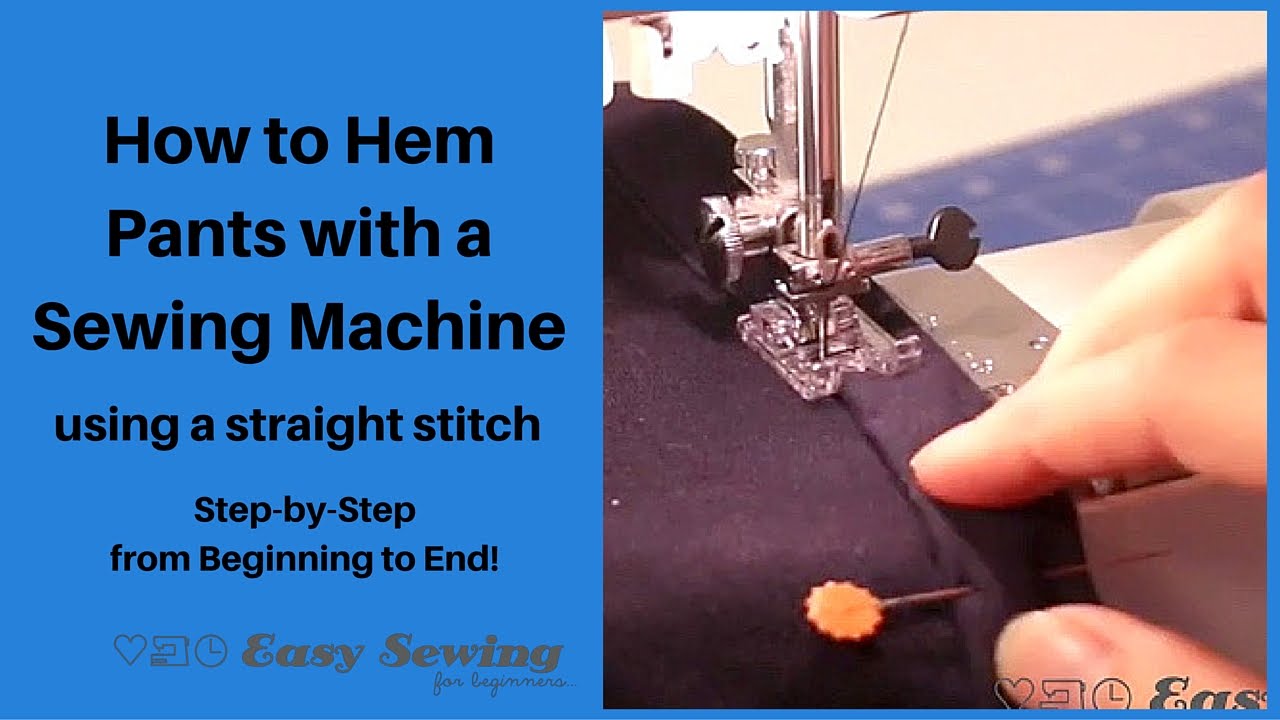
Image Source: i.ytimg.com
Getting Started: What You Need
Before you start sewing, gather your supplies. Having everything ready will make the process much smoother.
Essential Tools and Materials:
- Your Sewing Machine: Ensure it’s in good working order.
- Thread: Choose a thread color that matches your pants.
- Sewing Machine Needles: Use a needle size appropriate for your fabric. A universal needle (size 80/12 or 90/14) often works well for most pant fabrics.
- Fabric Scissors: Sharp scissors are crucial for a clean cut.
- Measuring Tape or Ruler: For accurate measurements.
- Fabric Chalk or Marker: To mark your hemline.
- Straight Pins: To hold the hem in place while you sew.
- Iron and Ironing Board: Pressing is key to a neat hem.
- Seam Ripper (Optional but Recommended): For correcting mistakes.
- Your Pants!
Preparing Your Pants: The First Crucial Steps
Proper preparation ensures a perfect hem. Don’t skip these steps!
1. Decide on Your Desired Length
This is the most important decision! Try on your pants with the shoes you typically wear them with. Have someone help you, or use a mirror.
- Pin the Length: While wearing the pants, fold the excess fabric upwards to the desired length. Use straight pins to hold the folded fabric in place. Make sure the fold is even all around the leg.
- Check for Evenness: Stand in front of a mirror and turn slowly to ensure the pinned hemline is level. You want it to be parallel to the floor.
2. Mark the Hemline
Once you’re happy with the pinned length, it’s time to mark.
- Remove the Pants: Carefully take off the pants.
- Mark the Fold: With the pants lying flat, use your fabric chalk or marker to draw a line along the folded edge of the pinned hem. This line is your cutting line.
- Measure for the Hem Allowance: You need to decide how much fabric you want to fold up for the hem itself. This is called the hem allowance.
- Common Hem Allowances:
- 1 inch to 1.5 inches is standard for most trousers.
- 2 inches for a heavier or more dramatic hem.
- ½ inch or ¾ inch for a very narrow, quick hem.
- Marking the Hem Allowance: From your marked cutting line, measure down (towards the original hem) by your chosen hem allowance. Draw a second parallel line. This second line is where you will fold the fabric.
- Common Hem Allowances:
3. Trim the Excess Fabric
Now, it’s time to cut away the extra length.
- Cut on the First Line: Using your sharp fabric scissors, carefully cut along the first marked line (your cutting line). This removes the excess fabric, leaving you with a clean edge and your hem allowance.
4. Prepare the Raw Edge (Optional but Recommended)
To prevent fraying and give your hem a more finished look, you can treat the raw edge.
- Serging: If you have a serger, use it to finish the raw edge. This is the most professional finish.
- Zigzag Stitch: If you don’t have a serger, use your sewing machine’s zigzag stitch. Set your machine to a medium-width zigzag stitch and sew along the raw edge, letting the needle fall slightly off the edge on each side.
- Pinked Edge: For fabrics that don’t fray much, you can use pinking shears to cut along the raw edge.
Folding and Pressing: Creating a Crisp Hem
This is where the magic happens, making your hem look neat and professional.
5. Create the First Fold
You’ll create a double fold for a clean, finished hem.
- Fold Along the Second Line: Take the raw edge and fold it upwards towards the right side of the fabric, aligning it with the second line you marked (this is your folding line). The raw edge is now enclosed within this fold.
- Press with an Iron: Use your iron to press this fold firmly. A crisp fold is essential for the next step.
6. Create the Second Fold
This fold encloses the raw edge and creates a smooth finish.
- Fold Again: Fold the fabric upwards again, along the first line you marked (your original cutting line). This time, the raw edge will be completely enclosed inside this second fold.
- Press Again: Press this second fold very well with your iron. You should now have a neat, double-folded hem that measures the width of your hem allowance.
Table: Recommended Hem Allowance by Fabric Type
| Fabric Type | Recommended Hem Allowance | Notes |
|---|---|---|
| Lightweight Cotton | 1 – 1.5 inches | Double fold for a neat finish. |
| Denim/Jeans | 1 – 1.5 inches | Can go up to 2 inches for a slightly heavier look. |
| Linen | 1 – 1.5 inches | Press well, as linen can be a bit unruly. |
| Wool | 1.5 – 2 inches | A wider hem can add weight and stability. |
| Synthetics | 1 – 1.5 inches | Check for heat sensitivity when pressing. |
| Silks/Satins | ½ – 1 inch | Narrower hems or rolled hems work well. |
Sewing the Hem: Using Your Sewing Machine
Now it’s time to actually sew the hem in place.
7. Pin the Hem in Place
Before you head to the sewing machine, secure the folded hem.
- Pin from the Wrong Side: Turn the pants so the wrong side is facing up.
- Pin Through All Layers: Carefully pin through all the layers of fabric, placing pins perpendicular to the folded edge, about every 2-3 inches. This keeps the hem from shifting while you sew. Ensure the top folded edge is perfectly aligned.
8. Thread Your Sewing Machine
- Choose the Right Thread: Select a good quality polyester thread that matches your pants.
- Thread the Machine: Follow your sewing machine’s manual to thread the upper thread and the bobbin. Make sure the thread is running smoothly.
9. Set Up Your Sewing Machine
- Select a Stitch: A straight stitch is usually best for hemming pants.
- Stitch Length: A stitch length of 2.0 to 2.5 mm is generally good. A slightly shorter stitch length can add extra durability to the hem.
- Needle Position: Ensure your needle is in the center position for a standard straight stitch.
- Foot Selection: Use your standard presser foot. For very thick fabrics or multiple layers, you might consider a walking foot for better fabric feeding.
10. Start Sewing the Hem
- Position the Pants: Place the pinned hem under the presser foot, aligning the folded edge with the desired seam allowance from the needle. For example, if you made a 1-inch hem allowance, you’ll be sewing about 1 inch from the cut edge (or ½ inch from the folded edge).
- Lower the Presser Foot: Lower the presser foot to hold the fabric in place.
- Backstitch: Begin sewing by going forward a few stitches, then backstitching a few stitches. This secures the beginning of your seam and prevents it from unraveling.
- Sewing the Seam: Sew slowly and steadily along the folded edge of the hem. Keep the folded edge of the hem against the presser foot’s guide or use the marked line as a guide.
- Maintain Evenness: Try to keep your sewing line straight and consistent.
- Watch for Pins: As you sew, remove pins just before the presser foot reaches them. Never sew over a pin, as it can damage your needle and machine.
- Reinforce the End: When you reach the end of the seam, backstitch a few stitches again to secure the end.
- Lift the Presser Foot and Needle: Raise the presser foot and needle. Gently pull the fabric out from under the presser foot.
- Trim Excess Thread: Trim the threads close to the fabric.
Finishing Touches: The Final Press
Pressing is the secret to a professional finish.
11. Final Press
- Press the Hem: Turn the pants right side out. Press the hem flat with your iron. You can press the seam towards the inside of the pant leg or towards the bottom edge, depending on the look you prefer.
- Edge Stitch (Optional): For an even more polished look, you can topstitch along the very bottom edge of the hem, just kissing the folded edge. This is especially common on jeans.
Table: Common Sewing Machine Hem Finishes for Pants
| Hem Type | Description | Best For |
|---|---|---|
| Double Fold Hem | Two folds of fabric create a neat, enclosed raw edge. | Most trousers, skirts, casual pants. |
| Blind Hem | Uses a special blind hem stitch on your machine (or a hand-sewn stitch) so the stitches are nearly invisible from the outside. | Dress pants, formal wear, when a hidden stitch is desired. |
| Rolled Hem | A very narrow hem, often created with a special rolled hem foot on your sewing machine. | Lightweight, sheer fabrics like silk or chiffon. |
| Jean Hem (Original Hem) | Keeps the original hem of the jeans. The new hem is sewn to the inside, using the original folded edge. | Jeans, when you want to maintain the original look. |
| Clean Finish (Serged or Zigzagged) | The raw edge is finished with a serger or zigzag stitch, and the hem is pressed up once and topstitched. | Casual pants, activewear, when speed is key. |
Troubleshooting Common Hemming Issues
Even experienced sewers encounter problems. Here’s how to fix them.
Uneven Hemline:
- Cause: The fabric shifted during cutting or sewing, or the initial marking was uneven.
- Fix: If it’s slightly off, you can try to carefully re-press and re-pin. For significant unevenness, you might need to unpick the stitches and re-mark and re-cut. Always measure carefully and pin generously.
Fabric Puckering:
- Cause: The thread tension is too tight, the needle is too dull or too thick, or you’re sewing too fast.
- Fix:
- Check your sewing machine’s thread tension. Try loosening the top tension slightly.
- Use a sharp, new needle appropriate for your fabric.
- Slow down your sewing speed.
- Press the seam well after sewing.
Stitches Skipped:
- Cause: Incorrect needle type, bent needle, lint buildup in the bobbin area, or incorrect threading.
- Fix:
- Ensure you are using the correct needle for your fabric and that it’s inserted correctly.
- Clean your bobbin case and feed dogs.
- Re-thread your entire machine, both top and bobbin.
Thread Breaking:
- Cause: Thread tension too tight, burr on the needle plate or bobbin case, or poor quality thread.
- Fix:
- Adjust thread tension.
- Inspect your machine for rough spots on metal parts where the thread passes.
- Try a different brand of good quality thread.
Advanced Hemming Techniques
Once you’ve mastered the basic double fold, explore these variations.
The Blind Hem: Almost Invisible Stitches
A blind hem is the best way to hem pants for a polished, professional look without visible stitches on the outside. This often requires a special blind hem foot and a blind hem stitch on your machine.
How to Sew a Blind Hem on Pants:
- Prepare the Hem: Follow steps 1-6 as usual, but for the second fold (the one that encloses the raw edge), fold it towards the wrong side of the fabric, so the folded edge sits about ¼ inch away from the main pant leg fabric. The raw edge should be enclosed within this fold. Press well.
- Pin the Hem: Pin the hem in place from the outside, so the pins go through the main pant leg fabric and catch just a few threads of the folded hem allowance.
- Set Up Your Machine:
- Stitch: Select the blind hem stitch on your sewing machine. Consult your manual for how to set this up.
- Blind Hem Foot: Attach the blind hem foot. This foot has a guide that runs along the folded edge of the hem.
- Needle Position: Adjust your needle position so it swings over to catch the fabric allowance.
- Sew the Blind Hem:
- Place the pants under the presser foot with the folded edge against the guide on the blind hem foot. The needle should swing to catch the hem allowance.
- Sew slowly, allowing the guide to keep the fold perfectly aligned. The needle will make a straight stitch on the main fabric and a zigzag stitch that catches the folded edge.
- Final Press: Remove pins, turn the pants right side out, and press the hem flat.
Table: Blind Hem Stitch Settings
| Machine Setting | Recommendation |
|---|---|
| Stitch Type | Blind Hem Stitch |
| Stitch Length | Adjust based on fabric (usually 2-3mm) |
| Zigzag Width | Adjust so the needle catches only a few threads of the folded edge |
| Needle Position | Center (or as recommended by machine manual) |
The Jean Hem: Preserving the Original Look
If you love the original hem on your jeans, you can keep it! This method is a bit trickier but very rewarding.
How to Hem Jeans Using the Original Hem:
- Measure and Mark: Try on your jeans and mark the desired length.
- Cut the Excess: Cut off the excess fabric, leaving about 1 to 1.5 inches below the original hem. This extra fabric is what you’ll use to attach the original hem.
- Remove the Original Hem: Carefully use a seam ripper to remove the original hem from the jeans. Try to keep the original stitched hem intact.
- Prepare the New Jean Length: Fold the raw edge of the cut jean leg up towards the inside of the jean, just enough to enclose the raw edge (about ½ inch). Press this fold.
- Attach the Original Hem:
- Slide the folded jean leg into the removed original hem.
- Align the folded edge with the top stitching of the original hem.
- Pin securely all the way around.
- Sew the Original Hem:
- Use a strong needle (like a denim needle) and heavy-duty thread.
- Sew as close as possible to the original stitching line, catching all layers. Go slowly, as denim can be thick.
- You might need to manually turn the handwheel for the thickest parts of the seam.
- Final Press: Press the new hem.
Frequently Asked Questions About Hemming Pants
Q: What is the best way to hem pants with a sewing machine?
A: The “best” way depends on the fabric and desired look. For a clean, casual look, a double-fold hem is excellent. For dress pants, a blind hem offers the most professional finish. For jeans, keeping the original hem is often preferred.
Q: Can I hem pants without a sewing machine?
A: Yes, you can hem pants by hand, though it takes more time and might not be as durable as machine hemming. You can use a simple running stitch or a blind stitch by hand.
Q: How much fabric should I leave for the hem allowance?
A: Typically, 1 to 1.5 inches is standard for most pant hems. You can adjust this based on the fabric weight and the desired look. Thicker fabrics might benefit from a slightly wider allowance.
Q: What kind of needle should I use for hemming pants?
A: A universal needle (size 80/12 or 90/14) is a good starting point for most pant fabrics. If you’re working with denim or very thick fabrics, use a denim or jeans needle. For delicate fabrics like silk, use a fine sharp needle.
Q: Why is my hem puckering?
A: Puckering usually happens due to incorrect thread tension, a dull needle, or sewing too fast. Make sure your needle is sharp, your tension is balanced, and you’re sewing at a steady pace. Pressing the hem well after sewing also helps.
Q: What is a sewing machine hem tutorial for beginners?
A: This guide is a comprehensive sewing machine hem tutorial. It covers all the essential steps from preparation to finishing, making it ideal for beginners learning how to hem pants with a sewing machine.
Q: What is the best sewing machine for hemming?
A: Most standard mechanical or computerized sewing machines are perfectly capable of hemming pants. Features like adjustable stitch length, tension control, and a variety of presser feet are helpful. A walking foot can also be beneficial for even fabric feeding on thicker materials.
Q: How do I hem trousers with a thick waistband or seams?
A: When you reach thick areas, you can help your machine by manually turning the handwheel to ease the needle through. Some machines have a “buttonhole” lever or a hump jumper to help lift the presser foot to an even level. You can also try to stagger your stitches so they don’t all hit the thickest part at once.
Learning how to hem pants with a sewing machine is a rewarding skill. This step-by-step guide provides a clear path to achieving neat, professional-looking hems on your favorite trousers. Happy sewing!