
Can you make a pillowcase without a sewing machine? Absolutely! Making a pillowcase without a sewing machine is not only possible but also a fun, easy, and quick DIY project. You can create a beautiful no-sew pillowcase or a stylish DIY pillow cover using simple techniques and readily available materials. This guide will walk you through several methods, from using fabric glue to creative knotting, to craft a perfect no-sew cushion cover or easy pillowcase no-sew. These no-sew bedding projects are perfect for beginners and offer a fantastic way to refresh your home decor or create personalized gifts. Get ready to transform your old pillows into something new with these pillowcase craft no-sew ideas!
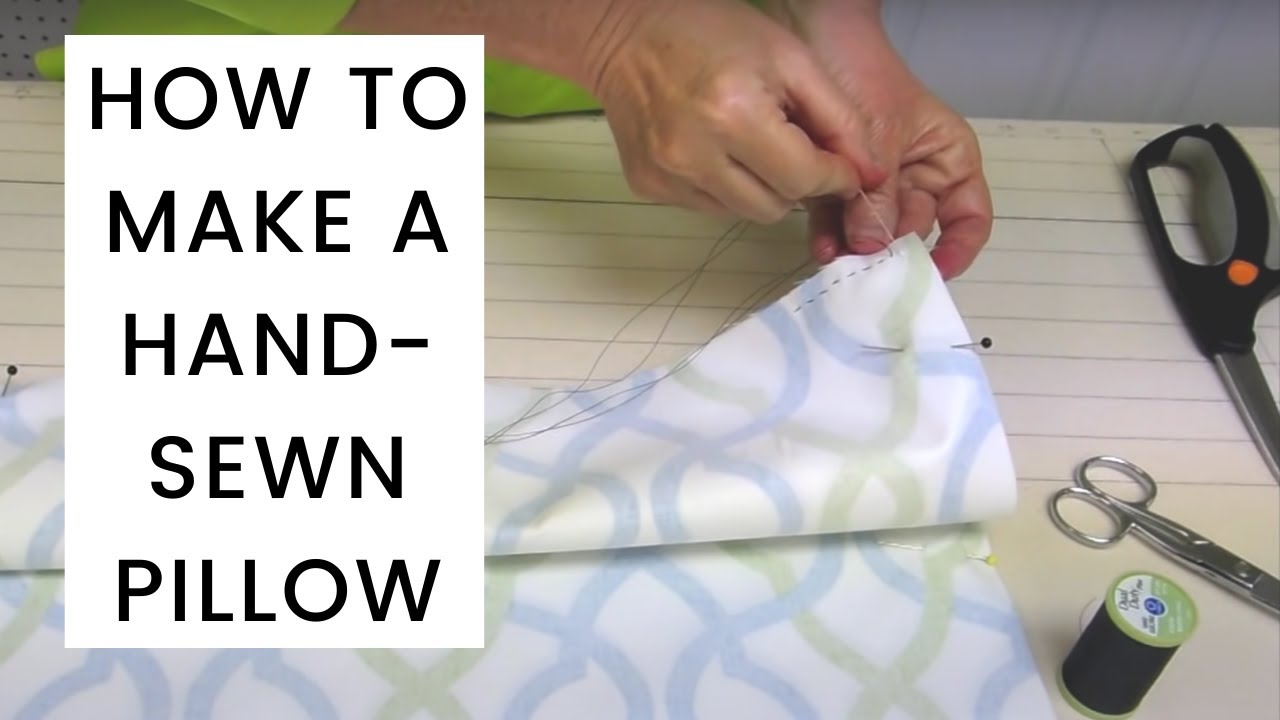
Image Source: i.ytimg.com
The Allure of No-Sew Pillowcases
In today’s world, embracing DIY projects offers a unique blend of creativity, cost-effectiveness, and personal satisfaction. When it comes to home decor, particularly updating your pillows, the absence of a sewing machine should never be a barrier. The ability to craft a no-sew pillowcase allows anyone, regardless of their sewing experience, to personalize their living space. Whether you’re looking to add a splash of color, a new texture, or simply need a quick fix for a worn-out pillow, these easy pillowcase no-sew methods are your go-to solutions.
The benefits of no-sew fabric glue pillowcase or no-sew knot pillowcase techniques are numerous. They democratize the creation of custom textiles, making personalized DIY pillow cover projects accessible to everyone. This means you can effortlessly update your couch, chairs, or bed with fresh designs without the need for specialized equipment or skills. Furthermore, these projects are excellent for children or for anyone who prefers a less involved crafting experience. The satisfaction of creating something beautiful with your own hands, using simple tools, is truly rewarding.
Method 1: The Reliable No-Sew Fabric Glue Pillowcase
Fabric glue is your best friend when it comes to creating a no-sew pillowcase. This method is straightforward and results in a sturdy, neat finish that looks professionally made. It’s a fantastic way to achieve a no-sew envelope pillowcase style without any stitching.
What You’ll Need:
- Fabric: Choose a fabric that you love. Cotton, linen, or blends work well. You’ll need two pieces: one for the front and one for the back of your pillow. The size depends on your pillow insert. For a standard 18×18 inch pillow, you might need two pieces of fabric that are roughly 19×19 inches (adding an inch for the glue seam). For an envelope closure, the back piece will be larger.
- Fabric Glue: Opt for a good quality, permanent fabric glue. Look for one that is flexible once dry and washable.
- Pillow Insert: The pillow you want to cover.
- Scissors: Sharp fabric scissors are essential for clean cuts.
- Ruler or Measuring Tape: For accurate measurements.
- Fabric Marker or Chalk: To mark your cut lines.
- Iron and Ironing Board: To press seams and ensure neatness.
- Optional: Pins or Binder Clips: To hold fabric in place while the glue dries.
Step-by-Step Guide to Your No-Sew Fabric Glue Pillowcase:
-
Measure and Cut Your Fabric:
- Place your pillow insert on a flat surface.
- Measure its dimensions. Let’s say your pillow is 18×18 inches.
- To create a seam allowance for the fabric glue, add about 1 inch to each side. So, for an 18×18 inch pillow, cut one piece of fabric to 20×20 inches for the front.
- For the back, you have a couple of options for an envelope closure, which is a popular no-sew envelope pillowcase style:
- Option A (Two Overlapping Pieces): Cut two pieces for the back. Each piece should be 20 inches wide (matching the front width) and about 14 inches long. This allows for significant overlap.
- Option B (Single Larger Piece): Cut one piece for the back that is 20 inches wide and about 30 inches long. You will then fold this piece in half to create the overlapping envelope opening.
-
Prepare the Fabric Edges (Optional but Recommended):
- For a cleaner finish and to prevent fraying, you can create a small hem on the edges that will be glued.
- Fold over about ½ inch of the fabric along each edge that will be glued. Press with an iron.
- If using fabric glue, this folded edge provides a thicker area for the glue to adhere to, making it more durable.
-
Assemble the Pillowcase:
- For the Front Piece: Lay your front fabric piece flat, right side up.
- For the Back Piece (Option A – Two Pieces): Take one of your back pieces and lay it on top of the front piece, right side down. Align the edges. Now, take the second back piece and lay it on top of the first back piece, right side up, creating an overlap in the center. Align the outer edges with the front fabric.
- For the Back Piece (Option B – Single Piece): Take your longer back piece and fold it in half, creating an envelope opening in the middle. Lay this on top of your front piece, right side down, aligning the outer edges.
-
Apply the Fabric Glue:
- Once the fabric is layered correctly with the right sides of the fabric facing inwards (you’ll see the wrong sides of the back pieces), it’s time to glue.
- Working on one side at a time, carefully lift the edge of the back fabric layers.
- Apply a generous, even bead of fabric glue along the edge of the front fabric, right up to the folded hem (if you made one).
- Gently press the back fabric layers down onto the glued edge, ensuring they are perfectly aligned.
- Use pins or binder clips to hold the fabric in place while the glue sets. Be careful not to get glue on the outside of your pillowcase.
- Repeat this process for all four sides. For the envelope closure, ensure the overlapping edges of the back piece are glued securely to the front fabric.
-
Let the Glue Dry:
- This is a crucial step. Allow the fabric glue to dry completely according to the manufacturer’s instructions. This can take anywhere from a few hours to 24 hours. Resist the urge to move or test the strength prematurely.
-
Finishing Touches:
- Once the glue is fully dry, remove any pins or clips.
- Turn the pillowcase right side out.
- Insert your pillow insert. You’ve now created a beautiful no-sew fabric glue pillowcase!
Method 2: The Quick and Easy No-Sew Knot Pillowcase
This no-sew knot pillowcase method is incredibly simple and creates a charming, slightly bohemian look. It’s perfect for decorative pillows or even as a DIY pillow cover for throw pillows.
What You’ll Need:
- Fabric: A large square of fabric. The size depends on your pillow. For a 18×18 inch pillow, you’ll want a fabric piece that is at least 36×36 inches, preferably a bit larger (e.g., 40×40 inches) to allow for generous knots. Soft fabrics like jersey knit, fleece, or even soft cotton work well.
- Pillow Insert: The pillow you want to cover.
- Scissors: Sharp fabric scissors.
- Optional: Ribbon or Twine: To tie the knots for a decorative finish.
Step-by-Step Guide to Your No-Sew Knot Pillowcase:
-
Prepare Your Fabric:
- Lay your large square of fabric flat on a clean surface, right side down.
- Place your pillow insert directly in the center of the fabric square.
-
Create the Envelope Effect:
- Bring two opposite corners of the fabric up and over the pillow, so they meet in the middle on the top. Tuck any excess fabric neatly.
- Bring the other two opposite corners up and over the pillow, so they also meet in the middle, overlapping the first set of corners. The goal is to wrap the fabric snugly around the pillow.
-
Form the Knots:
- Now, you’ll have fabric tails extending from the center of your pillow. You can tie these tails into a knot.
- Simple Knot: Gather the fabric tails on one side and tie a simple knot. Do the same on the other side.
- Fancy Knot (Optional): You can get creative with how you tie the knots. A braided knot or a decorative bow can add extra flair. You can also use ribbon or twine to secure the fabric instead of tying the fabric itself.
-
Tuck and Adjust:
- Once the knots are tied, tuck in any loose fabric edges to create a neat appearance.
- Adjust the fabric around the pillow to ensure it’s evenly distributed and the knots are secure.
This no-sew knot pillowcase is a wonderfully quick way to create a cozy and unique DIY pillow cover. It’s a great example of how you can achieve a great look with a simple pillowcase craft no-sew.
Method 3: The Chic No-Sew Envelope Pillowcase (with Hemming Tape)
Hemming tape is another excellent no-sew alternative to fabric glue for creating a more finished look, especially for an no-sew envelope pillowcase. It’s designed to fuse fabric together when heated by an iron, creating a strong bond.
What You’ll Need:
- Fabric: Two pieces for the front and back, sized according to your pillow insert plus seam allowance (as described in Method 1). For an envelope closure, the back piece needs to be larger to allow for overlap.
- Hemming Tape: Choose a good quality fusible hemming tape.
- Pillow Insert:
- Scissors: Sharp fabric scissors.
- Ruler or Measuring Tape:
- Fabric Marker or Chalk:
- Iron and Ironing Board: Crucial for activating the hemming tape.
- Damp Cloth or Parchment Paper: To protect your iron from glue.
Step-by-Step Guide to Your No-Sew Envelope Pillowcase with Hemming Tape:
-
Measure and Cut Fabric: Follow the same measurement and cutting instructions as in Method 1. Remember the extra length needed for the back piece to create the envelope closure.
-
Prepare Edges for Hemming Tape:
- On the edges of all fabric pieces that will be glued (the sides and bottom of the front, the sides and bottom of the back pieces, and the inner edges of the envelope closure), fold the fabric over by ½ inch.
- Press with your iron to create a crisp crease.
- Now, fold it over again by another ½ inch, enclosing the raw edge. Press firmly. This creates a double-folded hem.
-
Apply Hemming Tape:
- Cut pieces of hemming tape to fit the length of each folded hem.
- Place the hemming tape inside the second fold of the hem. It should sit snugly against the fabric.
- Cover the hemming tape and fabric with a damp cloth or parchment paper to protect your iron.
-
Iron the Hemming Tape:
- Set your iron to the appropriate heat setting for your fabric (usually cotton or linen).
- Press the iron firmly onto the damp cloth/parchment paper over the hem. Hold it in place for the recommended time (usually 10-15 seconds, check your hemming tape packaging).
- Lift the iron and cloth/paper, then carefully move to the next section of the hem. Repeat for all folded edges. Ensure the tape adheres to both layers of the folded fabric.
-
Assemble the Pillowcase:
- Lay your front fabric piece flat, right side up.
- Lay your back fabric pieces on top, right side down, creating the envelope closure (as described in Method 1, Step 3). Ensure all outer edges are aligned.
-
Glue the Seams with Hemming Tape:
- Now, you’ll use the hemming tape to join the layers.
- For each side, carefully lift the edge of the back fabric layers.
- Apply hemming tape along the edge of the front fabric, making sure it goes all the way to the inner folded edge of the back piece’s opening.
- Place the back fabric layers back down, aligning them with the glued edge.
- Cover with your damp cloth or parchment paper and iron firmly to fuse the layers together. Repeat for all four sides.
-
Allow to Cool and Turn:
- Let the fused seams cool completely.
- Turn the pillowcase right side out. You’ve now made a neat no-sew envelope pillowcase using hemming tape! This method is fantastic for creating durable no-sew bedding elements.
Method 4: The Decorative No-Sew Pillowcase (Fringe/Tassel Finish)
This method is more about embellishment and can be combined with any of the previous no-sew techniques. It’s a playful way to add character to your DIY pillow cover.
What You’ll Need:
- A completed no-sew pillowcase: From any of the methods above.
- Fabric Scraps or Pre-made Tassels/Fringe:
- Fabric Glue or Hemming Tape: To attach the embellishments.
- Scissors:
- Optional: Pom-pom trim, ribbon, or braiding.
Step-by-Step Guide to Decorating Your No-Sew Pillowcase:
-
Create Your Embellishments (if needed):
- Fringe: Cut strips of fabric about 2-3 inches wide and 10-12 inches long. Fold each strip in half lengthwise. You can then use fabric glue or hemming tape to attach these folded edges along the sides of your pillowcase.
- Tassels: You can make your own tassels from yarn or fabric strips, or purchase pre-made ones. Attach them to the corners of your pillowcase using fabric glue.
-
Attach Embellishments:
- Lay your no-sew pillowcase flat.
- Apply fabric glue or place hemming tape along the edges where you want to attach your fringe, tassels, or trim.
- Carefully press the embellishments into the glue or tape.
- If using hemming tape, iron over the embellishment (with a protective cloth) to secure it.
- Allow to dry completely.
This is a simple yet effective way to elevate your no-sew pillowcase and make it a truly unique pillowcase craft no-sew.
Fabric Choices and Considerations for No-Sew Projects
The type of fabric you choose significantly impacts the look and feel of your no-sew pillowcase. For methods involving glue or hemming tape, it’s best to opt for fabrics that don’t fray excessively.
| Fabric Type | Best For No-Sew Methods | Notes |
|---|---|---|
| Cotton | All methods | Versatile, available in many prints, stable, easy to work with. |
| Linen | Glue, Hemming Tape | Natural drape, can fray, but edges can be managed with glue/tape. |
| Jersey Knit | Knot Method, Glue | Stretchy, doesn’t fray, very forgiving, creates a relaxed look. |
| Fleece | Knot Method, Glue | Soft, warm, doesn’t fray, excellent for cozy throws and no-sew cushion cover. |
| Canvas | Glue, Hemming Tape | Durable, less prone to fraying, great for outdoor pillows. |
| Velvet | Glue, Hemming Tape | Luxurious, can be slippery, ensure glue adheres well. |
Tips for Fabric Selection:
- Pre-wash your fabric: This prevents shrinkage after your no-sew pillowcase is complete and removes any manufacturing chemicals.
- Consider the drape: For knot methods, a fabric with good drape works best. For glue methods, a stable fabric is easier to handle.
- Think about the finish: If you want a crisp finish, choose fabrics that hold a crease well.
Maintaining Your No-Sew Pillowcases
The durability of your no-sew pillowcase will depend on the quality of the glue or hemming tape used and how you care for it.
- Washing: Always check the care instructions for your fabric glue or hemming tape. Most are washable, but it’s recommended to wash in cold water on a gentle cycle and air dry. Placing the pillowcase inside a mesh laundry bag can offer extra protection.
- Drying: Avoid high heat in the dryer, as it can weaken the adhesive bonds. Air drying or tumble drying on low heat is best.
- Ironing: If you need to iron your no-sew cushion cover, do so on the reverse side and avoid direct heat on the glued seams. Use a pressing cloth if necessary.
By following these simple care tips, your easy pillowcase no-sew creations will last longer and remain beautiful.
Troubleshooting Common No-Sew Pillowcase Issues
Even with the simplest methods, you might encounter a few hiccups. Here’s how to tackle them:
- Glue Not Sticking:
- Cause: Fabric may not be clean, glue is old, or not enough glue was used.
- Solution: Ensure fabric is clean and dry. Apply a fresh, even bead of glue. For hemming tape, ensure sufficient heat and pressure were applied.
- Fraying Edges:
- Cause: Fabric choice or inadequate edge finishing.
- Solution: For future projects, use fabrics that fray less, or ensure you create a double-folded hem on all raw edges before applying glue or tape. For existing fraying, apply a small amount of fabric glue to the edges.
- Uneven Seams:
- Cause: Fabric shifting during the gluing or ironing process.
- Solution: Use pins or clips generously while glue dries. For hemming tape, ensure fabric is perfectly aligned before ironing. Pressing firmly and evenly is key.
- Stiff Seams:
- Cause: Using too much glue or a glue not designed for flexibility.
- Solution: Use the recommended amount of glue and choose a flexible fabric glue. For hemming tape, ensure you’re not using an excessive amount.
Frequently Asked Questions (FAQ)
Q1: Can I wash a pillowcase made with fabric glue?
A1: Yes, most permanent fabric glues are washable. It’s best to check the glue manufacturer’s instructions. Wash on a gentle cycle in cold water and air dry for best results.
Q2: What is the best fabric for a no-sew pillowcase?
A2: Cotton and jersey knit fabrics are excellent choices for no-sew methods. Cotton is stable and easy to work with, while jersey knit is stretchy and doesn’t fray, making it perfect for the knot method.
Q3: How do I make sure the glue holds securely?
A3: Ensure the fabric is clean and dry. Apply a consistent bead of glue along the seam. Press the fabric layers firmly together and allow the glue to dry completely without disturbing it. Using clips or pins can help maintain pressure.
Q4: Can I make a waterproof no-sew pillowcase?
A4: While you can use waterproof fabrics like vinyl or treated canvas, achieving a truly waterproof seal without specialized adhesive or stitching can be challenging with standard fabric glues or hemming tape. For a water-resistant finish, consider using a waterproof fabric with fabric glue designed for outdoor use.
Q5: How do I get a neat envelope closure for my no-sew pillowcase?
A5: For an no-sew envelope pillowcase, ensure your back fabric piece is sufficiently long to allow for ample overlap (at least 6-8 inches). Hemming the raw edges of the overlap with hemming tape or fabric glue before assembling will give a very neat finish.
Creating a no-sew pillowcase is an accessible and enjoyable way to update your home decor. Whether you choose the dependable no-sew fabric glue pillowcase, the charming no-sew knot pillowcase, or the polished no-sew envelope pillowcase using hemming tape, you’ll be left with beautiful, handcrafted DIY pillow cover creations. These easy pillowcase no-sew projects prove that you don’t need a sewing machine to craft lovely no-sew bedding and no-sew cushion cover items. So grab your fabric and get ready to transform your pillows with these fantastic pillowcase craft no-sew ideas!