
Many of us have a favorite tank top that just doesn’t fit right anymore. Maybe it stretched out, or maybe it was always a bit too big. The good news is, you absolutely can make a tank top smaller without sewing. You don’t need a needle and thread or a sewing machine to get a better fit. This guide will show you simple, no-sew ways to fix a baggy tank top. We’ll explore easy methods you can do at home to give your tank top a new life and fit you perfectly.
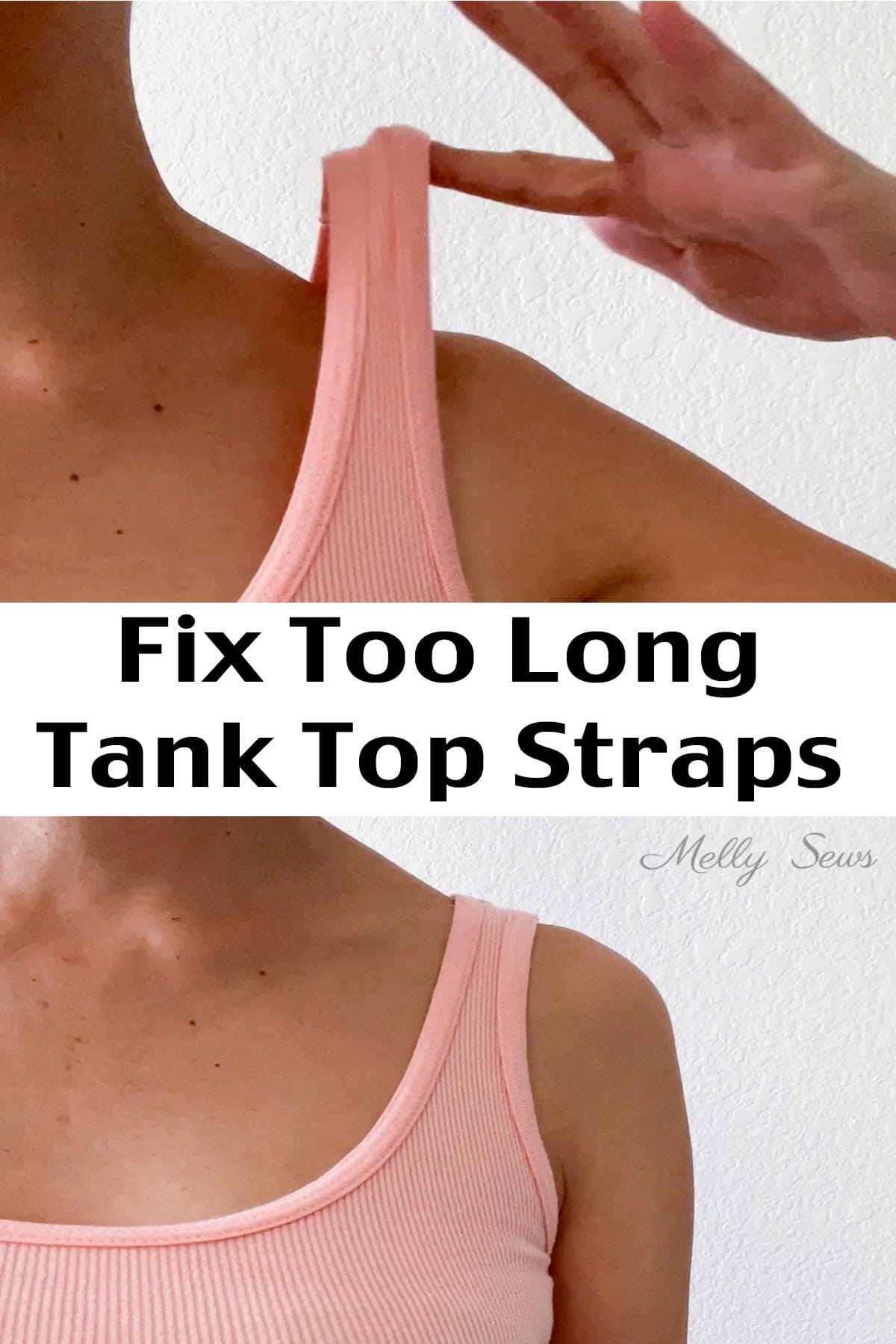
Image Source: mellysews.com
Grasping the Possibilities of No-Sew Alterations
Fixing clothes often seems like a job for a tailor or someone with sewing skills. But that is not always true. You can do a lot to your clothes without sewing. Making a tank top smaller is a perfect example. It’s one of the easiest items to change without sewing. These methods are great for quick fixes or if you just want a different look. They are also good if you are new to changing clothes. You can try different no-sew tank top alteration ideas. Find what works best for you and your tank top. These DIY tank top hacks are fun and easy to do. They save you money and make your clothes fit better.
Method 1: Using Heat to Shrink the Fabric
One simple way to make clothes smaller without sewing is to shrink them. This works well for many fabrics, like cotton. Heat and water can make the fibers in the fabric pull closer together. This makes the whole item of clothing smaller.
How Heat Shrinks Fabric
Most fabrics are made of natural or man-made fibers. When these fibers get wet and then hot, they can shrink. Natural fibers like cotton, wool, and linen shrink more easily than man-made ones like polyester. This is why a 100% cotton tank top will shrink more than one made of a cotton blend or a synthetic material. The amount a fabric shrinks also depends on how it was made. Some clothes are pre-shrunk. This means they were shrunk on purpose before they were sold. Pre-shrunk clothes will not shrink as much.
Steps to Shrink Your Tank Top
This method uses hot water and a hot dryer. It is one of the quickest ways to shrink tank top fabric.
h5 Wash in Hot Water
- Put your tank top in the washing machine.
- Use the hottest water setting. Hot water helps the fibers get ready to shrink.
- Use a normal amount of laundry soap.
- Let the washer run its full cycle.
h5 Dry on High Heat
- Take the tank top out of the washer.
- Put it in the dryer.
- Use the hottest heat setting on your dryer. High heat helps the fabric shrink as it dries.
- Let the dryer run until the tank top is completely dry.
Repeat if Needed
Sometimes, one wash and dry cycle is not enough. If the tank top is still too big, you can do it again. Wash it in hot water and dry it on high heat again. Each time you do this, the fabric might shrink a bit more. But remember, there is a limit to how much a fabric can shrink. You might not get it to shrink exactly to the size you want.
Important Considerations for Shrinking
- Fabric Type: Check the tag on your tank top. If it is mostly cotton, rayon, or linen, it will likely shrink. If it is mostly polyester, nylon, or spandex, it might not shrink much. These fabrics hold their shape better.
- Color: Hot water can make colors fade. If your tank top is brightly colored, it might lose some of its color. Wash it with similar colors or by itself the first time.
- Decoration: Any prints, patches, or decorations might be harmed by hot water or high heat. They could crack, peel, or melt. Be careful with decorated tank tops.
- Amount of Shrinkage: You cannot control exactly how much a tank top will shrink. It might shrink more than you want. Or it might not shrink enough. This method is a bit of a gamble.
Pros and Cons of Shrinking
| Pro | Con |
|---|---|
| Easy to do | Cannot control the exact size change |
| No tools or skills needed | May damage certain fabrics or decorations |
| Can make the whole shirt smaller | Colors may fade |
| Saves time compared to sewing | Not effective on all fabric types |
Shrinking is a good first step if your tank top is just a little too loose all over. It’s a simple way to make clothes smaller without sewing, but it is not precise.
Method 2: Tying the Fabric for a Closer Fit
Tying parts of your tank top is a fun and easy way to make it fit better. It is a popular one of the DIY tank top hacks. You can tie it in many places to change the look and fit. This method works on the spot. You can adjust the tie to get the fit you like. It’s great for fixing a baggy tank top no sew style.
Different Ways to Tie
You can tie your tank top in the front, on the side, or in the back. Each way gives a different look and changes the fit in a different area.
h5 Front Tie
This is a classic look. It brings the fabric together in the front, making the shirt tighter around your waist or chest.
- Put on the tank top.
- Gather a bit of fabric from the bottom front of the shirt. Grab about 2-4 inches of fabric. The amount depends on how much you want to take in.
- Twist the gathered fabric into a rope shape.
- Tie a knot with the twisted fabric. You can do a simple knot or a double knot to make it secure.
- Adjust the knot to the position you like. You can tie it high up for a cropped look or lower down.
This creates a knot or twist effect in the front. It cinches the waist and makes the bottom hem shorter. It’s an easy way to tie tank top smaller.
h5 Side Tie
Tying on the side can make the tank top fit closer around your waist or hips. It creates a cool, uneven hemline.
- Put on the tank top.
- Gather fabric from one side of the tank top, near the bottom hem. Grab 2-4 inches of fabric.
- Twist the gathered fabric.
- Tie a knot on the side.
- Adjust the knot position. You can do this on one side or both sides for a more balanced look, though tying one side is more common.
This creates a gathered look on the side. It pulls the fabric tighter around your middle section.
h5 Back Tie
Tying in the back pulls the fabric in from the back. This makes the front of the shirt lay flatter and fit closer. It’s good for tops that are loose in the upper body or waist.
- Put on the tank top.
- Reach behind you and gather fabric from the back of the tank top. You can gather from the center back or from the sides of the back. Gathering from the sides near the armholes can help alter loose armholes no sew.
- Twist the gathered fabric.
- Tie a knot in the back. This can be tricky to do on yourself. You might need someone to help you.
- Adjust the knot. Make sure it lies flat enough to be comfortable against your back.
This method is less visible from the front but is very effective at taking in extra fabric across the back and sides.
Making the Tie Secure and Look Good
- Use an Elastic Band: Instead of a knot, you can use a small elastic hair tie. Gather the fabric, wrap the elastic band around it tightly. Then, tuck the end of the gathered fabric up into the elastic band. This makes a small bun of fabric that looks neat.
- Hide the Knot: For the front or side tie, you can often hide the knot inside the shirt or tuck it neatly under the gathering.
- Try Different Positions: Experiment with gathering fabric from different heights. Gathering higher up will affect the fit higher on your body.
- Consider Fabric: Thicker fabrics will make bigger knots. Thinner fabrics will make smaller knots.
Pros and Cons of Tying
| Pro | Con |
|---|---|
| Easy and fast | Creates visible knots or gathers |
| No tools needed | May come undone |
| Can be adjusted easily | Doesn’t permanently change the size |
| Works on any fabric | Might feel bulky depending on the fabric |
| Gives a stylish, intentional look | Might be uncomfortable when leaning back (back tie) |
Tying is a great temporary fix or a way to add style. It’s one of the best DIY tank top hacks for instant results. It helps make clothes smaller without sewing for immediate wear.
Method 3: Cutting the Fabric for a New Fit
Cutting seems scary, but you can make smart cuts to change the size and style of your tank top. This is a way to cut tank top to fit better, and it’s a permanent change. Once you cut, you cannot go back. This method is good if you want to completely change the look or remove a lot of extra fabric.
Where to Cut
You can cut in different places to make the tank top smaller or change its shape.
h5 Cutting the Hem
Making a tank top shorter is a common change. This turns it into a crop top.
- Put on the tank top or lay it flat. Decide how short you want it to be. Mark a line across the shirt with chalk or a fabric marker. Make the line a little lower than your final desired length. This gives you room for error.
- Take the shirt off. Lay it flat on a smooth surface.
- Use sharp fabric scissors. Cut slowly and evenly along your marked line.
- You can leave the edge raw (uncut fabrics often roll up slightly, which can look cool) or cut small fringes into the bottom.
This method mainly changes the length, not the width. But a shorter shirt can feel less baggy overall.
h5 Cutting the Sides
This is a bolder move. Cutting strips from the sides can make the shirt narrower.
- Put on the tank top. Use pins or markers to show how much narrower you want the shirt to be on each side.
- Take the shirt off and lay it flat. Smooth out any wrinkles.
- Starting from the armhole or a bit below it, cut a straight line down the side of the tank top towards the bottom hem. Cut just inside the line you marked. Be careful not to cut through both the front and back layers at once unless you mean to. Often you cut along the existing side seam.
- Repeat on the other side.
- You can cut straight down, or curve outwards slightly towards the hem for a swing shape.
This method removes fabric from the width. It makes the shirt fit tighter around the body. The cut edges will likely roll up after washing.
h5 Cutting the Neckline or Armholes
If the neckline or armholes are too big, you can cut them to make them larger in size, but sometimes this helps the shirt feel less baggy by exposing more skin and creating a different look. For example, making armholes much larger can turn a regular tank into a muscle tank style. This doesn’t make the fabric smaller, but it changes the fit feel.
- Lay the tank top flat.
- Use chalk to draw a new, larger shape for the armholes or neckline.
- Cut carefully along your line using sharp scissors. Start by cutting a small amount, then try the shirt on. Cut more if needed.
- You can leave the edges raw or cut small fringes.
This doesn’t reduce the overall size, but it changes how the shirt fits and feels. It can help if the armholes are baggy tank top no sew problem.
Tips for Cutting Fabric
- Use Sharp Scissors: Dull scissors will make jagged cuts. Sharp fabric scissors give a clean line.
- Go Slow: Cut slowly and steadily. It is easier to cut more fabric off than to fix a mistake.
- Mark Your Lines: Use chalk or a fabric marker to draw your cut lines first. This helps you cut straight.
- Consider the Fabric: Some fabrics fray easily when cut (like linen). Others roll up (like cotton jersey). Think about how your fabric will react.
- Start Small: Cut off less than you think you need to at first. You can always cut more.
Pros and Cons of Cutting
| Pro | Con |
|---|---|
| Permanently changes the size/shape | Cannot be undone |
| Can remove a lot of excess fabric | Requires care to cut straight and evenly |
| Allows for creative restyling | Edges may fray or roll unevenly |
| Can fix specific areas (like sides) | Reduces the amount of fabric available for other uses |
Cutting is a commitment. It’s a good way to make clothes smaller without sewing if you are ready to give the tank top a new, permanent style. It’s a powerful DIY tank top hack for big changes.
Method 4: Using Fasteners and Adhesives
You can use small items to pull fabric together and hold it. This is a less common no-sew method, but it can work for quick fixes or specific areas. Safety pins and fabric glue are two options. They help make clothes smaller without sewing by holding folds in place.
Using Safety Pins
Safety pins are a temporary way to take in fabric. They are easy to use and can be removed later. They are great for a quick fix for a baggy fit right before you wear the tank top. They help fix baggy tank top no sew style without any permanent change.
h5 How to Use Safety Pins
- Put on the tank top. Find where it is too loose. This might be the sides, the straps, or around the armholes.
- Gather the extra fabric. Pinch the fabric together until the shirt fits how you want it.
- Use a small safety pin. Push the pin through the gathered fabric. Make sure the pin goes through all layers of the fabric you are pinching.
- Close the safety pin securely.
- Place pins in areas that are not too visible and won’t rub against your skin. Good spots include:
- Along the side seams, on the inside of the shirt.
- On the inside of the straps, near the back.
- Inside the armholes, near the side seam, to alter loose armholes no sew.
Tips for Using Safety Pins
- Use Small Pins: Smaller pins are less noticeable and less likely to snag.
- Place Pins Carefully: Think about where the pin will sit. Avoid areas where it might poke you or show easily.
- Secure the Pin: Make sure the pin is fully closed so it doesn’t open and poke you.
- Consider the Fabric Weight: Pins work best on lighter fabrics. Heavy fabrics might make the pins bend or pop open.
- Temporary Fix: Remember this is not a permanent solution. Pins can fall out or become uncomfortable.
Using Fabric Glue
Fabric glue is a more permanent, no-sew way to hold fabric together. It works by creating a strong bond between fabric layers. It is a handy item for no-sew clothing projects.
h5 How to Use Fabric Glue
Fabric glue can be used to create permanent folds that make the shirt smaller.
- Take off the tank top and lay it flat.
- Decide where you want to make it smaller. Let’s say the sides are too loose.
- Turn the tank top inside out.
- Along the side seam, fold the extra fabric inwards. You are creating a new “seam” by folding. Pin the fold in place to hold it.
- Apply a thin line of fabric glue along the edge of the folded fabric. Make sure the glue will bond the folded edge to the main part of the shirt.
- Press the fabric down firmly onto the glue.
- Repeat on the other side if needed.
- You can also use fabric glue to fix baggy tank top no sew armholes. Fold the excess fabric at the armhole edge inwards and glue it down on the inside of the shirt. This helps alter loose armholes no sew.
- Follow the instructions on the fabric glue bottle for drying time. Most glues need several hours to cure fully. Some need heat (like ironing) to set.
Tips for Using Fabric Glue
- Choose the Right Glue: Make sure the glue is made for fabric and is washable.
- Test First: Try the glue on a small, hidden spot of the fabric first. Make sure it dries clear and doesn’t damage the fabric.
- Use Sparingly: Too much glue can make the fabric stiff and visible. A thin line is usually enough.
- Read Instructions: Different glues have different drying and setting times. Some need pressure, some need heat.
- Consider Fabric: Glue works best on non-stretchy fabrics. Stretchy fabrics might pull the glue apart. Glue can also be visible on very thin or light-colored fabrics.
Pros and Cons of Safety Pins vs. Fabric Glue
| Feature | Safety Pins | Fabric Glue |
|---|---|---|
| Permanence | Temporary | Permanent (usually) |
| Tools Needed | Safety pins | Fabric glue, pins (optional) |
| Skill Level | Very Easy | Easy, requires some precision |
| Visibility | Can be visible or felt | Can be visible if too much is used |
| Fabric Type | Works on most fabrics | Works best on non-stretchy fabrics |
| Washable | Remove before washing | Must be washable glue, follow instructions |
| Reversibility | Fully reversible | Not reversible (once set) |
| Comfort | Can sometimes poke or snag | Can make fabric stiff |
| Best Use | Quick fixes, testing a fit | More stable alteration, specific areas |
Using safety pins clothing is ideal for a quick fix. Using fabric glue clothing is better for a more lasting change without sewing. Both are options to make clothes smaller without sewing.
Addressing Specific Fit Issues: Baggy Armholes
Loose armholes are a common problem with tank tops. They can show too much of your bra or side. Fixing baggy tank top no sew style in the armhole area is possible using the methods discussed. This is a specific way to alter loose armholes no sew.
Tying the Armhole
You can gather the excess fabric around the armhole and tie a small knot or use an elastic band on the inside. Pinch the fabric near the side seam where the armhole gapes. Twist it and secure it tightly on the inside of the shirt. This pulls the armhole edge closer to your body.
Pinning the Armhole
Use a few small safety pins on the inside of the armhole. Fold the extra fabric towards the inside of the shirt. Pin it down against the shirt’s body. Place the pins carefully so they don’t show or rub. This is a quick temporary fix.
Gluing the Armhole Fold
Turn the tank top inside out. At the armhole, fold the loose fabric edge inwards by the amount you need to take it in. Apply a thin line of fabric glue along the folded edge. Press it down onto the inside of the shirt. This creates a new, smaller armhole opening once the glue dries. This is a more permanent alter loose armholes no sew solution.
Cutting the Armhole (for a different style)
As mentioned in the cutting section, you can cut the armhole larger to change the style. This doesn’t make the fabric smaller, but it eliminates the baggy look by making the opening intentionally large (e.g., turning it into a muscle tee). This is a design change, not really making the armhole smaller, but it addresses the ‘baggy armhole’ issue by changing the shape.
Combining No-Sew Methods
Sometimes, one method is not enough, or you might want to use methods together. For example:
- Shrink then Tie: Shrink the tank top first to make it smaller overall. If it is still a little loose or you want a styled look, use a tie at the front or side.
- Shrink then Glue: Shrink the tank top. If specific areas like armholes are still loose, use fabric glue to take them in more permanently.
- Cut and Tie: Cut the bottom off to make a crop top. Then, use ties on the sides or front for shaping.
Mixing these DIY tank top hacks can help you get a better fit and unique style.
Choosing the Right Method for Your Tank Top
Deciding which method to use depends on:
- How much smaller you need the tank top: Shrinking or cutting can make larger changes. Tying and pins are better for smaller adjustments.
- The fabric type: Shrinking works best on natural fibers. Cutting works on most fabrics, but consider how edges will finish. Glue works better on non-stretchy fabrics. Tying and pins work on almost any fabric.
- If you want a permanent change: Shrinking and cutting are permanent. Fabric glue is usually permanent. Tying and pins are temporary.
- The look you want: Tying creates a visible style. Cutting changes the style of the edges or shape. Shrinking and glue aim for an invisible change in size.
- How quickly you need the change: Tying and pinning are instant. Shrinking takes wash/dry time. Gluing takes drying time.
If you just need a little less bagginess for one day, use safety pins clothing or tie tank top smaller. If you want a long-term change for a cotton tank, try to shrink tank top. If you want a whole new look or need to remove a lot of fabric, cutting is an option. For a more stable, no-sew alteration of specific loose areas like armholes, fabric glue can work.
These methods show that you can make clothes smaller without sewing using everyday items and simple steps. They are effective ways to fix baggy tank top no sew problems.
Caring for Your Altered Tank Top
After you make a tank top smaller without sewing, how you care for it matters.
- Shrunk Tops: Wash according to the original care tag, but maybe avoid high heat drying if you don’t want it to shrink further. If you want it to stay as small as possible, keep using hot water and high heat drying.
- Tied Tops: Untie the knot before washing to avoid stretching or damaging the fabric. Re-tie after putting it on.
- Cut Tops: Be aware that raw edges might fray more with washing. Gentle washing might help. The edges will likely roll up, which is part of the look.
- Pinned Tops: Remove all safety pins before washing! Pins can damage your washing machine and the shirt.
- Glued Tops: Check if the fabric glue is washable. Most fabric glues are. Wash gently, maybe by hand or on a delicate cycle. Avoid harsh scrubbing on the glued areas. Line drying might be better than machine drying on high heat, which could weaken the glue.
Proper care helps your no-sew altered tank top last longer and keep its new fit. These DIY tank top hacks extend the life of your clothes.
Frequently Asked Questions about No-Sew Tank Top Alterations
h4 Can all fabrics be shrunk easily?
No. Natural fabrics like cotton, rayon, and linen shrink more than synthetic fabrics like polyester, nylon, and spandex. Check the fabric content tag.
h4 Will shrinking damage my tank top?
High heat can sometimes cause colors to fade or potentially damage delicate decorations like screen prints. It also may not shrink evenly.
h4 Are safety pins comfortable to wear inside clothing?
If placed carefully in low-friction areas (like along seams or on the inside of straps), they can be comfortable. However, they can snag, poke, or come undone, especially during activity. Using smaller pins helps.
h4 Is fabric glue a permanent solution?
Most fabric glues designed for clothing are meant to be permanent and washable. However, they might not hold up as well as sewing over time, especially on stretchy fabrics or areas with a lot of stress. The bond can sometimes weaken with repeated washing and drying.
h4 How do I make sure my cut lines are straight?
Lay the tank top flat and smooth. Use a ruler and fabric marker or chalk to draw a guide line before cutting. Cut slowly with sharp scissors. Practice on an old t-shirt first if you are nervous.
h4 Can these methods fix a tank top that is way too big?
Shrinking and cutting can take in a good amount of fabric. Tying and pinning are better for moderate adjustments. If a tank top is several sizes too large, it might be hard to make it fit well without sewing.
h4 Will tying damage the fabric?
If you tie the knot very tightly or in the same spot repeatedly, it could potentially stretch or wear out the fabric in that small area over time. Tying less tightly or varying the tie location can help.
h4 What is the easiest method for a beginner?
Tying the tank top is the easiest and fastest method. It requires no tools and can be adjusted instantly. Shrinking is also easy but less predictable. Using safety pins is simple but requires careful placement. Cutting and gluing need a bit more care and precision.
These different ways how to make a tank top smaller without sewing offer flexibility. You can choose the method that fits your needs, your tank top’s fabric, and your comfort level with DIY projects. Making clothes smaller without sewing is a useful skill! You can easily fix baggy tank top no sew issues and get a great fit. Explore these DIY tank top hacks and give your wardrobe a refresh!