
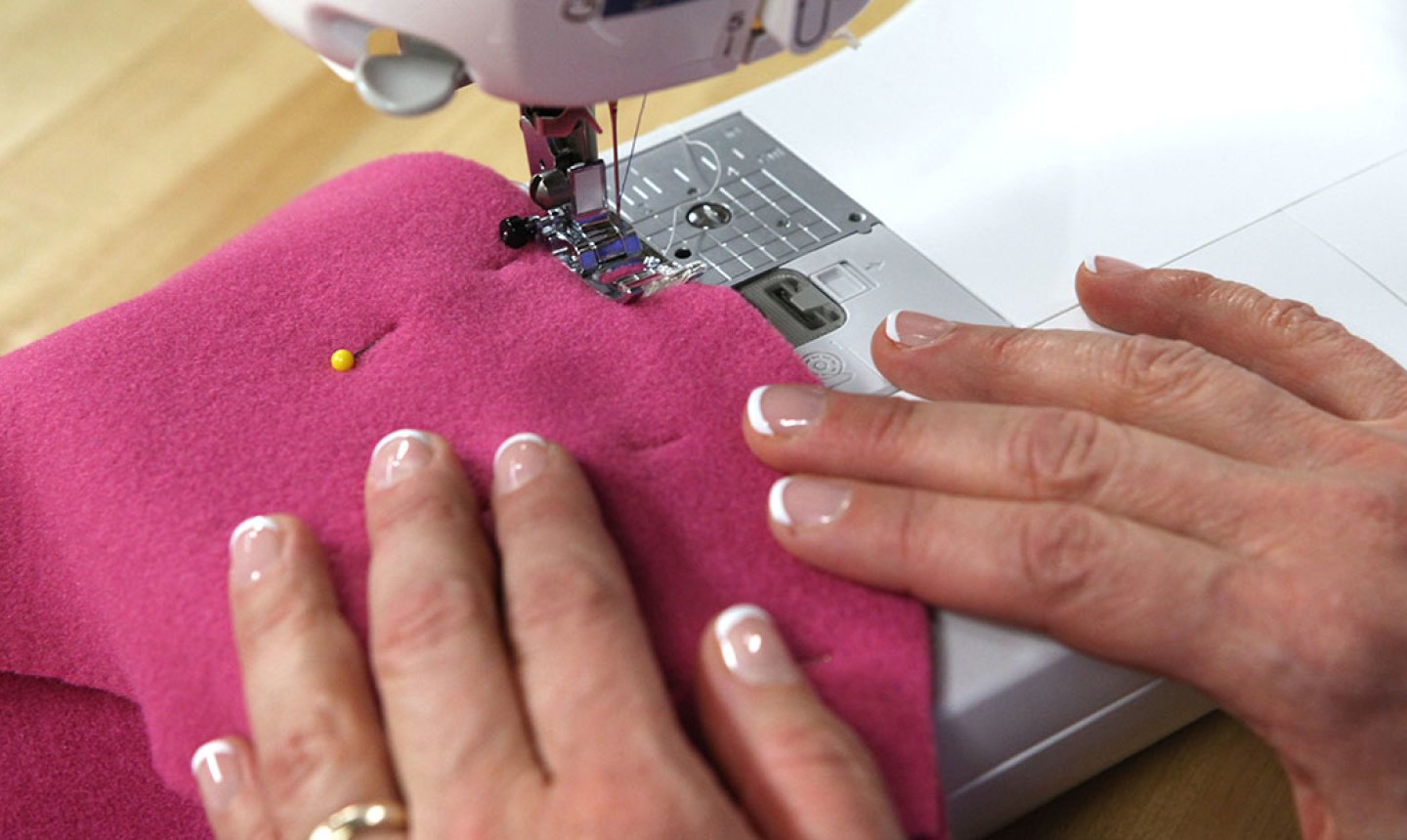
Image Source: d2culxnxbccemt.cloudfront.net
Easy Way: How To Sew A Blanket With A Sewing Machine
Yes, you absolutely can sew a blanket easily with a sewing machine! It is a great beginner blanket sewing project and a fun way to make something warm and cozy. This guide will show you simple steps to make your own blanket using a machine, covering things like layering blanket fabric and finishing the edges.
Sewing a blanket is simple once you know the basic steps. You put pieces of fabric together and sew them. Machines make this fast. You can make a simple throw blanket or add layers for more warmth. Let’s gather what you need and get started! This can be a really easy throw blanket tutorial.
Getting Ready: What You Need
To sew a blanket, you need a few simple things.
Tools You Will Use
- A sewing machine. Any basic machine will work.
- Fabric scissors. Good ones cut fabric cleanly.
- Pins or fabric clips. These hold your fabric in place.
- Measuring tape or ruler. To measure your fabric.
- Matching thread. Pick a color that goes with your fabric.
- An iron and ironing board. To make seams flat and neat.
Materials You Will Need
- Fabric! The amount depends on the size of your blanket.
- Maybe batting. This is a soft, fluffy layer you can put inside for extra warmth. (More on this later).
Let’s talk about fabric. Picking the right fabric is important. Different fabric types for sewing blankets feel different and work best for different projects.
Picking Your Fabric
The fabric you choose makes a big difference in how your blanket feels and looks. Think about who the blanket is for and how it will be used.
Here are some popular fabric types for sewing blankets:
- Fleece: This is very popular for blankets. It is soft, warm, and does not fray. This makes it great for simple blankets. Sewing fleece on a fleece blanket sewing machine is usually easy. It stretches a little, so be gentle.
- Flannel: This is soft cotton with a napped surface. It is warm and cozy. It does fray, so you need to finish the edges well. Learning how to sew a flannel blanket means paying attention to those edges.
- Cotton: Cotton fabrics, like quilting cotton, are good too. They are not as warm as fleece or flannel but come in many colors and patterns. You can layer cotton fabrics or add batting for warmth.
- Minky or Cuddle Fabric: Super soft and plush. It can be tricky to sew because it is slippery and sheds fluff. But the result is very cozy.
- Sherpa: Looks like sheep wool. It is soft and warm. Often used on one side of a blanket.
You can use just one type of fabric for both sides of your blanket. Or you can mix them! Maybe soft minky on one side and pretty cotton on the other.
Let’s look at common fabrics and how much you might need for a simple throw blanket.
| Fabric Type | Feel | Warmth | Ease of Sewing | Good For… | Typical Width |
|---|---|---|---|---|---|
| Fleece | Soft, Plush | High | Easy | Simple throws, Kids | 58-60 inches |
| Flannel | Soft, Napped | Medium | Medium | Cozy throws | 42-44 inches |
| Cotton | Smooth | Low | Easy | Layering, Quilting | 42-44 inches |
| Minky/Cuddle | Very Soft | High | Harder | Plush throws, Babies | 58-60 inches |
| Sherpa | Textured | High | Medium | Blanket backs, Trim | 58-60 inches |
For a simple blanket made of two fabric pieces, you will need enough fabric to cut two pieces the size you want your finished blanket to be. Add a little extra for trimming. A common throw blanket size might be about 50×60 inches. If your fabric is wide enough (like fleece at 60 inches), you might only need about 3.5 to 4 yards total (for two pieces). If it is narrower (like cotton at 44 inches), you might need to sew pieces together to get the width, or buy more length. Keep it simple for your first project! Pick a wide fabric like fleece.
Learning About Batting
Batting is the middle layer of a quilt or blanket. It adds warmth, puffiness, and structure. Sewing batting for blankets is simple but changes how you put the layers together.
Batting comes in different materials and thicknesses:
- Cotton: Natural, breathable.
- Polyester: Warm, holds shape well, less expensive.
- Blend (Cotton/Poly): Combines features of both.
- Wool: Very warm, light.
Thickness is called ‘loft’. Low loft is thin. High loft is thick and puffy.
For a simple blanket, you do not have to use batting. Many easy blankets, like fleece ones, are just two layers of fabric.
If you do use batting, you will need a piece the same size (or slightly smaller) than your fabric layers. Adding batting makes your blanket warmer and gives it a nice weight. When using batting, you often need to sew through all layers to keep it from shifting. This is called quilting or tying. For an easy blanket, simple straight lines or ties are fine. This involves sewing batting for blankets by stitching through all layers.
Getting Your Fabric Ready
Before you sew, do these steps. They help make your blanket look good and last longer.
Wash Your Fabric
Always wash your fabric before sewing.
Why? Fabric can shrink the first time it gets wet.
If you sew first and then wash, your stitches might pull or the fabric might get wavy.
Washing also removes chemicals from the fabric.
Wash and dry your fabric just like you will wash and dry the finished blanket.
Iron Your Fabric
After washing and drying, iron your fabric.
Make it smooth and flat.
This makes it much easier to cut and sew straight lines.
It helps with layering blanket fabric neatly.
Cut Your Fabric
Now cut your fabric to the size you want.
Remember, you need two pieces for a simple blanket.
If you are adding batting, you need a third piece the same size.
Measure carefully. Use your ruler or tape.
Cut with sharp fabric scissors.
For a simple two-layer blanket, cut both pieces the exact same size rectangle.
For example, cut two pieces that are 52 inches by 62 inches if you want a final blanket about 50×60 inches (this leaves room for seams).
How to Sew a Simple Two-Layer Blanket
This is a great easy throw blanket tutorial. We will make a blanket with two layers of fabric, sewn together and turned right side out. This method is perfect for fleece, flannel, or cotton.
Step 1: Layering Your Fabric
Put one piece of fabric flat on a large surface, like a table or the floor.
This is your bottom layer.
Put the second piece of fabric right on top of the first one.
Make sure the “right sides” of the fabric are facing each other.
The “right side” is the side you want to see on the outside of your finished blanket.
The “wrong side” is the back or less pretty side.
So, you stack fabric with right sides together.
Smooth out any wrinkles. Make the edges line up as best as you can.
This is the important step of layering blanket fabric.
Step 2: Pinning the Layers
Use pins or fabric clips to hold the two layers of fabric together.
Put pins along the edges of the fabric.
Place pins about every 6-8 inches.
This stops the fabric from shifting while you sew.
Do not use too many pins, but enough to keep things steady.
Step 3: Sewing the Sides
Go to your sewing machine.
Make sure it is threaded with your chosen thread.
Set your machine to a straight stitch.
A medium stitch length is good (like 2.5).
Start sewing near one corner along one edge.
Sew about 1/2 inch away from the edge of the fabric. This is called the seam allowance.
Sew all the way down that side.
When you get close to the corner, stop about 1/2 inch from the end. Lift your presser foot, turn the fabric, put the foot back down. Now sew down the next side.
Do this for three full sides and part of the fourth side.
Important: On the fourth side, do NOT sew all the way to the end.
You need to leave an opening.
This opening is where you will turn the blanket right side out.
Make the opening about 8-12 inches wide. This is big enough to pull the fabric through.
Backstitch a few stitches at the start and end of your sewing line.
Backstitching means sewing backward a few stitches.
This makes the seam strong so it does not pull apart when you turn the blanket.
So, sew along the edge, backstitch, sew almost all the way around, leave a gap, backstitch.
Step 4: Clipping the Corners
After sewing, cut the fabric away from the corners.
Cut diagonally across the corner.
Do not cut into your stitches!
This removes bulk from the corners.
It makes the corners look neat and pointy when you turn the blanket.
Step 5: Turning the Blanket
Now it is time to turn the blanket right side out.
Reach into the opening you left on the fourth side.
Grab the fabric inside and pull it through the hole.
Keep pulling until the whole blanket is turned the right way.
The side with the pretty fabric should now be on the outside.
Use a tool (like a chopstick or your finger) to gently push out the corners.
Make them nice and square.
Step 6: Closing the Opening
You have a hole where you turned the blanket. You need to close it.
Fold the raw edges of the opening inside the blanket.
Fold them in by the same amount as your seam allowance (about 1/2 inch).
Press this folded edge with your iron. This makes it flat and easy to sew.
Pin the folded edge closed.
Now you will sew close to the edge all the way around the entire blanket.
This is called topstitching.
Topstitching closes the hole neatly.
It also gives a nice finished look to the edges of the blanket.
It helps the layers lay flat. This is a simple way for sewing baby blanket edges or any blanket edges neatly.
Start sewing near the opening.
Sew about 1/4 inch or less away from the folded edge.
Sew slowly and carefully.
When you reach the opening, keep sewing right over it.
Sew all the way around the blanket until you meet where you started.
Backstitch where you start and end to secure the stitches.
You can sew another line of topstitching further in from the edge if you like the look.
And that is it! You have sewn a simple two-layer blanket. This is an easy throw blanket tutorial anyone can follow.
How to Sew a Blanket with Batting
Adding batting makes a warmer blanket. The process is similar to the two-layer blanket but with an extra layer. This involves sewing batting for blankets.
Step 1: Layering with Batting
You will have three layers:
1. One fabric piece (wrong side up).
2. Batting on top of the first fabric.
3. Second fabric piece (right side down) on top of the batting.
So, lay one fabric piece flat with the back side up.
Place the batting smoothly on top of it.
Place the second fabric piece on top of the batting, with the pretty side facing down.
The two fabric right sides are not facing each other with this method. They are facing outwards, with the batting in between.
Smooth all three layers. Pin them together well, especially in the center.
Step 2: Sewing Around the Edges
Sew around the edge of these three layers.
Use a 1/2 inch seam allowance.
Sew most of the way around, just like before.
Remember to leave an opening (about 8-12 inches) on one side for turning.
Backstitch at the start and end of your seam.
Step 3: Clipping Corners and Turning
Clip the corners, cutting across them without cutting stitches.
Turn the blanket right side out through the opening.
Push out the corners.
The batting should now be inside the two layers of fabric.
Step 4: Closing and Quilting/Tying
Fold the raw edges of the opening inside. Press them flat. Pin shut.
Topstitch close to the edge all the way around the blanket. This closes the hole and gives a finished edge.
Now, because you have batting inside, you need to keep it from bunching up when you wash the blanket. You do this by sewing through all the layers or tying them together.
- Quilting (Simple Version): Sew lines of stitching across the blanket through all layers. Straight lines or a grid pattern are simple. Sew lines about 4-8 inches apart. This holds the batting in place. A quilt binding sewing machine might be used on more complex quilts, but for an easy blanket, simple straight lines sewn with your regular machine are fine. This is part of sewing batting for blankets.
- Tying: Use strong thread or yarn to tie knots through all layers. Space the ties about 4-6 inches apart. Knot them securely.
Choosing quilting or tying is up to you. Tying is often seen as easier for beginners.
How to Sew Blanket Binding
Binding is a strip of fabric sewn around the edge of a blanket or quilt. It gives a clean, durable finish. Sewing blanket binding adds a nice touch but is a little more involved than just topstitching. It is a common technique for quilt binding sewing machine users.
You can buy pre-made binding or make your own. Making your own involves cutting strips of fabric (often on the bias, which means at a 45-degree angle to the fabric edge). For an easy blanket, straight-cut strips work too, especially on edges that are not curved.
Steps for Simple Binding:
- Cut fabric strips. For a simple straight binding, cut strips 2.5 inches wide. You need enough strips sewn together end-to-end to go all the way around your blanket plus a little extra.
- Sew the strips together end-to-end to make one long strip. Press seams open.
- Fold the long strip in half lengthwise, wrong sides together. Press.
- Take your finished blanket (edges sewn, maybe trimmed, but not topstitched closed yet if you used the turning method, or finished if you used a serger/other edge finish).
- Start somewhere in the middle of one side. Line up the raw edge of the folded binding strip with the raw edge of the blanket.
- Sew the binding strip to the blanket edge with a 1/4 inch seam allowance. Sew all the way around. For corners, stop 1/4 inch from the corner, sew diagonally off the corner, fold the binding up and then down to make a mitered corner, and start sewing again from the edge. (This corner part can be tricky – look up videos for ‘mitered binding corners’ if you are new to it).
- Once you have sewn the binding all the way around and joined the ends neatly (this join can also be tricky), press the binding away from the blanket.
- Now, fold the binding to the other side of the blanket. It should wrap around the raw edge you just sewed.
- On this second side, the folded edge of the binding should cover your first line of stitches.
- Sew the binding down on this second side. You can stitch by hand for an invisible look, or use your sewing machine to stitch very close to the folded edge of the binding. This is where a quilt binding sewing machine foot can help sew perfectly straight.
Sewing blanket binding makes a very durable and professional edge. It is a great skill to learn after you master the simple turn-and-topstitch method. This technique is essential for quilts and perfect for neat sewing baby blanket edges.
Special Tips for Different Fabrics
- Fleece: Does not fray! You can make a super easy blanket by just cutting two pieces of fleece and tying the edges (no sewing machine needed for that!). If you do sew fleece on a fleece blanket sewing machine, use a ballpoint needle. It slides between the fibers instead of piercing them. Use a slightly longer stitch length (like 3). Fleece can stretch, so do not pull it while sewing.
- Flannel: Frays a lot. Use a slightly wider seam allowance (maybe 1/2 inch or more). Finish the edges well if not using the turn-and-topstitch method (like with a serger or zigzag stitch). How to sew a flannel blanket neatly often means managing fraying.
- Minky: Very slippery and sheds fluff everywhere! Use lots of pins or clips. Consider using a walking foot on your machine; it helps feed the layers evenly. Sew slowly. Clean your machine often as the fibers get everywhere.
Sewing Baby Blanket Edges
When making baby blankets, think about safety and durability.
* Choose soft, washable fabrics like cotton, flannel, or soft fleece.
* Make sure all seams are secure so they do not unravel.
* Avoid buttons, beads, or other small items that could be a choking hazard.
* The simple turn-and-topstitch method creates smooth, enclosed edges perfect for babies. Sewing baby blanket edges like this keeps them neat and safe.
* Binding also makes a secure edge, but make sure it is sewn down tightly everywhere.
Making it a Beginner Blanket Sewing Project
Keep your first blanket simple!
* Choose easy-to-sew fabrics like fleece or cotton.
* Start with a simple two-layer blanket without batting or binding.
* Pick a smaller size, like a baby blanket or lap throw.
* Follow the turn-and-topstitch method.
* Do not worry if your first stitches are not perfect. Practice makes better!
This is designed as an easy throw blanket tutorial specifically for people new to sewing or new to sewing blankets.
Simple Troubleshooting
- Stitches Look Bad: Check your machine’s tension. Rethread the machine completely (top thread and bobbin). Make sure you have the right needle for your fabric.
- Fabric Bunching Up: You might be pulling or pushing the fabric too much. Let the machine feed the fabric. Make sure your pins are not in the way of the needle. A walking foot can help with slippery or thick fabrics.
- Machine Won’t Sew: Is it plugged in? Is the power on? Is the presser foot down? Is the bobbin in right? Is there thread tangled somewhere? Check your machine’s manual.
Caring for Your New Blanket
How you wash your blanket depends on the fabric you used.
Generally, wash on a gentle cycle with cool or warm water.
Use a mild detergent.
Dry on low heat or air dry, especially for fleece or minky, which can melt or get damaged with high heat.
Always check the fabric’s care instructions if you can.
Finishing Your Project
You have sewn your seams, turned the blanket, closed the gap, and maybe added topstitching or quilting/tying. Give it one last look over. Trim any loose threads. Feel proud of what you made! Sewing a blanket is a rewarding project.
Frequently Asked Questions (FAQ)
Q: How much fabric do I need for a throw blanket?
A: For a typical throw (around 50×60 inches) using two layers of fabric that is at least 58-60 inches wide (like fleece), you need about 3.5 to 4 yards total (2 pieces cut from this length). If your fabric is narrower, you will need more or have to sew pieces together to get the width.
Q: Can I make a blanket with just one layer of fabric?
A: Yes, but you need to finish the edges so they don’t fray. You can hem the edges by folding them over twice and sewing. Or use a serger if you have one. For fabrics that don’t fray like fleece, you can just cut the edges cleanly, or add a decorative edge stitch on your machine.
Q: Do I have to use batting?
A: No, not for an easy blanket. Many warm blankets are just two layers of fleece or minky. Batting adds extra warmth and weight, but it is optional.
Q: What is the easiest fabric to sew for a beginner?
A: Cotton is very stable and easy to sew. Fleece is also easy because it doesn’t fray, but it can be a little stretchy.
Q: How wide should the opening be to turn the blanket?
A: About 8 to 12 inches is usually enough for a throw blanket. For a baby blanket, 6-8 inches might be fine. Make it big enough that you can easily pull the fabric through.
Q: What does “right sides together” mean?
A: It means putting the sides of the fabric that you want to show on the outside of the finished item face-to-face before you sew.
Q: Can I use a regular sewing machine for these projects?
A: Yes! All these projects can be done on a standard home sewing machine. Special feet like a walking foot or specific needles can help with certain fabrics like fleece or minky, but they are often not required for a first simple blanket. Sewing fleece blanket machine requires little more than basic settings.
Wrapping Up Your Easy Blanket Project
You now have the steps to sew a warm, cozy blanket using your sewing machine. Whether you choose simple layers of fleece, classic flannel, or add batting for extra warmth, this is a rewarding project. Practice these steps and soon you will be able to make blankets for yourself, your family, or as gifts. Enjoy your machine-sewn creation!