
Threading your Singer sewing machine is a basic skill you need to sew well. It might seem tricky at first. This guide will help make it easy. It walks you through each step. We will cover winding the bobbin, which is a common first step. You will learn how to wind a bobbin correctly. This sets you up for good sewing. Let’s get your machine ready to sew.
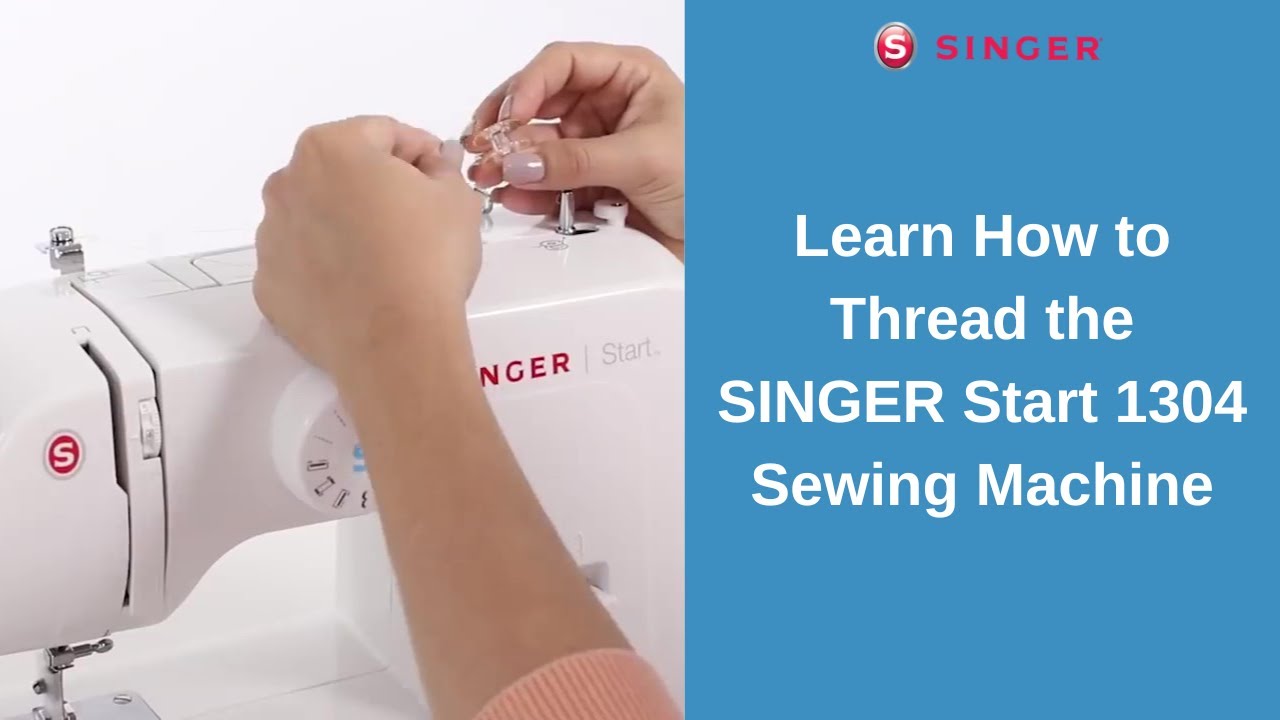
Image Source: i.ytimg.com
Get Your Singer Ready to Go
Before you start threading, do a few quick checks. These checks help prevent problems later. They are part of a good Singer machine setup guide.
Power and Safety First
Turn off the power switch. This is very important. It keeps you safe. You do not want the machine to start by accident. Find the power switch. Flip it off.
Raise the Needle
Turn the handwheel on the side of the machine. Turn it towards you. This makes the needle go up. It needs to be at its highest point. The take-up lever also needs to be up high. This makes the threading path open. It is a key step for getting the thread through correctly. Make sure the take-up lever position is high.
Gather Your Tools
You need a few things.
* Your Singer sewing machine.
* A spool of thread.
* An empty bobbin that fits your machine.
* Your machine’s manual (it’s a good friend!).
Knowing your Singer sewing machine parts helps a lot. You’ll use parts like the spool pin, thread guides, take-up lever, and bobbin winder.
How to Wind Your Bobbin Just Right
You need thread in the bobbin. This is the thread that works under your fabric. Learning how to wind a bobbin is step one for many machines. A badly wound bobbin causes many problems. It can make your stitches look bad. Or it can stop your machine from sewing at all.
Place the Spool
Put your spool of thread on the spool pin. This pin usually sticks up from the top of the machine. Make sure the thread comes off the spool in the right direction. Usually, it comes off towards the front or left. Check your manual if you are not sure. Some machines have a spool cap. Put the cap on the spool pin. It keeps the thread from jumping off.
Find the Bobbin Winding Path
Your machine has a special path for winding the bobbin. Look on top of your machine. You will see some hooks, discs, or guides. These are for winding the bobbin. This is different from the main threading path. Follow the pictures on your machine or in your manual. They show the thread path diagram for winding the bobbin.
Guide the Thread
Take the thread from the spool. Lead it through the first bobbin winding guide. This might be a small hook or loop. Then, wrap the thread around the tension discs for bobbin winding. These discs make sure the thread winds tightly and smoothly. Wrap it one or two times around these discs.
Get the Bobbin Ready
Take your empty bobbin. Find the small hole on the edge of the bobbin. Push the end of the thread through this hole. Push it from the inside to the outside. Pull the thread out a few inches.
Place the Bobbin
Put the bobbin onto the bobbin winder spindle. This is a small metal shaft. It is usually on the top or front of the machine. Push the bobbin down firmly onto the spindle. Make sure it clicks into place.
Secure the Thread End
Hold onto the short end of the thread sticking out of the bobbin hole. Keep holding it for the first few turns. This stops the thread from tangling.
Start Winding
Push the bobbin winder spindle over to the right. This engages the winding part of the machine. On some machines, you might need to loosen the handwheel. This stops the needle from moving while you wind. Your manual will tell you if you need to do this.
Now, gently press the foot pedal. The bobbin will start to spin fast. Thread will start winding onto it. Let it wind smoothly. Do not let the thread pile up on one side. The machine will usually wind it evenly.
Trim the Thread
After a few turns, the end of the thread you were holding will be caught under the wound thread. You can now stop holding it. Carefully trim that short end close to the bobbin.
Fill the Bobbin
Keep pressing the foot pedal. Watch the bobbin fill up. Most machines will stop winding when the bobbin is full. Or they will slow down. Do not overfill the bobbin. It should not bulge out. An overfilled bobbin can cause problems in the bobbin case.
Finish Winding
Once the bobbin is full, release the foot pedal. The bobbin stops spinning. Push the bobbin winder spindle back to the left. This disengages it. Lift the full bobbin off the spindle. Cut the thread connecting it to the spool.
Your bobbin is now wound and ready. You have completed a key part of the Singer machine setup guide. A well-wound bobbin is the base for good sewing.
Putting the Bobbin in Your Machine
Now you need to put the wound bobbin into the machine. How you do this depends on your machine model. Singer machines usually have one of two types: a front-loading bobbin case or a top-loading drop-in bobbin. Both methods involve inserting the bobbin case or the bobbin itself correctly.
Front-Loading Bobbin Case
Many older Singer machines have a front-loading bobbin.
* Open the cover in front of the needle plate. This cover might flip down or slide off.
* You will see a metal bobbin case. This case holds the bobbin.
* Take the bobbin case out. It usually has a small latch or handle. Use this to pull it out.
* Take your full bobbin. Look at how the thread is coming off the bobbin. It should usually come off counter-clockwise. It looks like the letter ‘P’ if you hold the bobbin in your left hand. Check your manual to be sure.
* Put the bobbin into the bobbin case. Make sure it sits flat inside.
* Guide the thread into the slot on the side of the bobbin case. Pull it under the tension spring on the case. You should feel a slight pull or click as it goes under the spring. This spring provides the bobbin tension.
* Pull out about 4-6 inches of thread from the bobbin case.
* Hold the bobbin case by its latch. Put the case back into the machine. Line it up with the center pin in the machine’s bobbin area. Push it in until it clicks or locks into place. Release the latch.
* Let the thread hang out. Close the cover.
Top-Loading Drop-In Bobbin
Many newer Singer machines have a drop-in bobbin.
* Open the clear plastic cover on the needle plate. It usually slides off or flips up.
* You will see a place to drop your bobbin in. This area looks like a bowl or a flat space with guides. There is no separate bobbin case you remove (though the machine has an internal case).
* Take your full bobbin. Look at how the thread comes off. For top-loading bobbins, the thread usually comes off clockwise. It looks like the number ‘6’ if you hold the bobbin in your left hand. Again, check your manual or the diagram on the machine itself.
* Drop the bobbin into its spot. Make sure it lies flat.
* Find the thread path slots around the bobbin area. There are usually arrows or numbers. Guide the thread into the first slot.
* Pull the thread along the marked path. It will usually go through one or two slots or under a small guide. This sets the bobbin tension. Pull the thread until it is past the last guide.
* Pull out about 4-6 inches of thread. Let it lie across the needle plate area.
* Close the clear plastic cover.
Whichever type your machine has, inserting the bobbin case or the bobbin correctly is crucial. The thread must go through the tension system on the bobbin case or the machine’s built-in guides. If you miss this, your stitches will be bad or won’t form at all.
Threading the Upper Thread: Step-by-Step
This is the main part of threading. The upper thread comes from the spool. It goes through several points on the machine. These points are the thread guides sewing machine uses. They control the thread’s path and tension. Follow the steps carefully. Do not skip any guides. Skipping a guide will cause problems with your stitches.
Place the Spool
Put your spool of thread on the spool pin on top of the machine. Make sure it is on correctly. The thread should come off the spool in the right direction. Most spools have a small slit to tuck the end of the thread into when storing. Make sure the thread is not caught in this slit when sewing.
Find the First Guide
The first guide is usually near the spool pin. It might be a hook or a loop. Take the thread from the spool. Guide it through this first guide. These guides help control the thread. They keep it from snagging. They are part of the important Singer sewing machine parts involved in threading.
Go Down the First Channel
From the first guide, the thread usually goes down into a channel on the front of the machine. Follow the channel down. There might be numbers or arrows showing the path. Pull the thread all the way down this channel.
Loop Around the Bottom
At the bottom of the channel, the thread path curves. It usually goes around a U-turn or a loop. Follow the path around. This guides the thread back up the other side of the channel.
Catch the Take-Up Lever
This is a very important step. The thread must go through the hole or hook on the take-up lever. Remember, you raised the take-up lever position earlier? It should be at its highest point. Guide the thread up the second side of the channel. As you reach the top, the thread should pass through the eye or hook of the take-up lever. If the lever is not up, you cannot get the thread through the hole. This is a common mistake.
Go Down Again
From the take-up lever, the thread path goes back down towards the needle. There are usually more thread guides sewing machine places along this path. These might be hooks, loops, or clips on the machine arm or the needle bar. Guide the thread through each of these points. These guides keep the thread close to the machine. They help make sure the thread doesn’t get tangled as the machine sews.
Thread the Needle
You are almost done! The last step in threading the upper thread is threading a sewing machine needle. The needle has a small hole, called the eye. This hole is usually near the bottom of the needle. The eye faces either the front of the machine or the side (usually left or right, depending on the machine model). Check your manual or machine diagrams.
Take the end of your thread. Hold it between your finger and thumb. You might need to cut the end clean with scissors. Push the thread through the eye of the needle. Push it from the correct direction (front to back, or side to side). This can be tricky! Some machines have a needle threader. This is a small tool built into the machine that helps push the thread through the eye. If you have one, learn how to use it! It saves a lot of time and frustration.
Pull about 4-6 inches of thread through the needle eye. Let it hang down.
Recap the Upper Thread Path
Let’s quickly go over the path the upper thread takes. This is like following a thread path diagram on your machine:
1. From the spool pin.
2. Through the first guide (usually near the spool).
3. Down the right side of the front channel.
4. Around the bottom curve.
5. Up the left side of the front channel.
6. Through the eye/hook of the take-up lever (when it’s high).
7. Down towards the needle.
8. Through any guides on the machine arm or needle bar.
9. Through the eye of the needle.
Following this path exactly is key. Each guide and the take-up lever play a role. They manage the thread’s movement and tension. This affects how the stitches form.
Bringing Up the Bobbin Thread
You have the upper thread through the needle. You have the bobbin in place. Now you need to bring the bobbin thread up through the needle plate hole. This joins the two threads so they can form a stitch.
Hold the Upper Thread
Hold the end of the upper thread that comes out of the needle eye. Hold it gently to the left side.
Lower and Raise the Needle
Turn the handwheel on the side of the machine. Turn it towards you, slowly. The needle will go down into the needle plate hole. It goes around the bobbin area. As you keep turning, the needle will come back up. As it comes up, the upper thread will catch the bobbin thread. It will form a loop of bobbin thread.
Catch the Loop
As the needle comes back up, a small loop of bobbin thread will appear on the needle plate surface. It will be near the needle hole. Use a seam ripper, tweezers, or your finger to catch this loop.
Pull Up the Bobbin Thread
Gently pull the loop upwards. As you pull the loop, the end of the bobbin thread will come up through the needle plate hole.
Finish Up
Pull both threads (upper and bobbin) out a few inches. Lay them both under the presser foot. Pull them towards the back of the machine. Keep them out of the way. Close any covers you opened earlier.
You are now fully threaded! This is a big step in your Singer machine setup guide.
Checking Your Tension
Thread tension is super important. It is how tight the threads are pulled. If the tension is wrong, your stitches will look bad. They might be too loose or too tight. They might loop on the top or the bottom of the fabric.
Singer machines have a tension control. This is usually a dial or a set of discs with a dial. It controls the upper thread tension. The bobbin tension is set separately (on the bobbin case or in the drop-in area guides).
What Correct Tension Looks Like
When tension is right, the stitches look the same on both the top and bottom of the fabric. The two threads meet neatly between the layers of fabric. You will not see loops on either side.
Sewing Machine Tension Adjustment Basics
- Upper Thread Tension Dial: This dial usually has numbers. A higher number means more tension (tighter thread). A lower number means less tension (looser thread). The middle number (often 3, 4, or 5) is usually the normal setting.
- Bobbin Tension: This is less often adjusted. For front-loading cases, there’s a small screw on the case. Turning it slightly adjusts tension. For drop-in systems, the guides are designed to set tension. If bobbin tension seems wrong on a drop-in system, first re-thread the bobbin area carefully.
How to Check and Adjust Tension
- Get two scraps of fabric. Use the same fabric you plan to sew your project with.
- Use the thread you plan to use.
- Set your stitch to a basic straight stitch.
- Set the upper tension dial to the middle number (e.g., 4).
- Sew a few lines of stitches on your fabric scraps.
- Look at the stitches on the top side.
- Look at the stitches on the bottom side.
Common Tension Problems and Fixes
| Problem | Looks Like | Cause | Fix |
|---|---|---|---|
| Loose Upper Tension | Loops on the bottom of the fabric | Upper thread too loose / Bobbin thread too tight | Increase upper thread tension (higher number) |
| Tight Upper Tension | Loops on the top of the fabric | Upper thread too tight / Bobbin thread too loose | Decrease upper thread tension (lower number) |
| Loose Bobbin Tension | Loops on the top of the fabric | Bobbin thread too loose / Upper thread too tight | Check bobbin thread guides sewing machine path or adjust case screw |
| Tight Bobbin Tension | Loops on the bottom of the fabric | Bobbin thread too tight / Upper thread too loose | Check bobbin thread guides sewing machine path or adjust case screw |
If you see loops on the bottom, increase the upper tension number.
If you see loops on the top, decrease the upper tension number.
Always make small adjustments. Sew another test line. Check again. Keep adjusting the upper thread tension dial until the stitches look good on both sides.
If adjusting the upper tension dial doesn’t fix the problem, the issue might be with the bobbin threading or tension. Or, the machine might not be threaded correctly upstairs. Re-threading both the upper thread and the bobbin is often the first step to fixing tension problems. Make sure you used all the thread guides sewing machine needs. Make sure the take-up lever position was right when you threaded it.
Bad tension is very often caused by bad threading. Skipping a guide or not getting the thread through the take-up lever eye will cause bad tension. Always re-thread before changing the tension dial a lot.
Common Threading Mistakes and How to Fix Them
Even experienced sewers make threading mistakes sometimes. Knowing the common ones helps you fix them fast.
Skipping a Thread Guide
Mistake: You missed one of the hooks or loops along the upper thread path.
Fix: Unthread the machine. Start again from the spool pin. Follow the thread path diagram on your machine or in the manual. Make sure you click or loop the thread into every guide.
Take-Up Lever Not Engaged
Mistake: The thread is not through the eye of the take-up lever. This happens if the lever was not at its highest point when you threaded it.
Fix: Turn the handwheel towards you to bring the take-up lever to its highest point. If the thread is not through the eye, unthread from the lever down. Put the thread through the lever’s eye. Then finish threading the rest of the way to the needle.
Bobbin Thread Not in Tension
Mistake: The bobbin thread is not under the tension spring on the bobbin case or through the guides in the drop-in area.
Fix: Take out the bobbin/bobbin case. Re-insert the bobbin carefully. Make sure the thread goes into the correct slot or under the spring. You should feel it catch slightly.
Bobbin Wound Wrong
Mistake: The bobbin was wound loosely, unevenly, or overfilled.
Fix: Take the bobbin out. Wind a new bobbin following the steps for how to wind a bobbin carefully. Make sure the thread winds on smoothly and evenly.
Threading with Presser Foot Down
Mistake: You threaded the upper thread while the presser foot was down. The tension discs only open to let the thread seat correctly when the presser foot is up.
Fix: Lift the presser foot using the lever on the back of the machine. Unthread the upper thread completely. Re-thread it with the presser foot lifted. Once threaded, you can lower the foot to sew.
Thread Breaking Often
Causes:
* Badly wound bobbin.
* Incorrect threading (upper or lower).
* Tension too tight.
* Using old or poor-quality thread.
* Using the wrong size or type of needle for the fabric.
* Needle is bent or dull.
* Machine needs cleaning (lint in tension areas).
Fixes:
* Re-wind the bobbin (how to wind a bobbin).
* Re-thread the machine (upper and lower), checking all thread guides sewing machine uses.
* Check and adjust sewing machine tension adjustment.
* Use new, good-quality thread.
* Change the needle. Make sure it’s the right type and size for your fabric.
* Clean your machine, especially the bobbin area and tension discs.
These problems are usually related to the thread path, tension, or the bobbin. Fixing them often just means carefully re-doing the threading steps. Your Singer machine setup guide in the manual is the best resource for your specific model.
The Importance of Each Part
Every part you use when threading has a job.
- Spool Pin: Holds the thread spool.
- Thread Guides: Small hooks, loops, or clips. They direct the thread along the correct path. They keep the thread from tangling. They help control tension by keeping the thread in the right place before it enters the tension discs.
- Tension Discs (Upper Thread): Two metal discs that press together. The thread passes between them. The tension dial changes how hard they press. This sets the upper thread tension.
- Take-Up Lever: This arm moves up and down as you sew. It pulls the upper thread to form the stitch. The thread must go through its eye or hook. If it doesn’t, the stitch won’t form right. The take-up lever position must be high when threading.
- Needle: Carries the upper thread down through the fabric. Its eye must be threaded correctly (threading a sewing machine needle).
- Bobbin: Holds the lower thread. Must be wound correctly (how to wind a bobbin).
- Bobbin Case (or Internal Bobbin Area Guides): Holds the bobbin and provides tension for the lower thread (inserting the bobbin case).
- Needle Plate: The metal plate under the needle. Has a hole for the needle and feed dogs.
Knowing these Singer sewing machine parts helps you understand the threading process. It also helps you figure out problems.
Maintaining Your Machine for Smooth Threading
Proper threading relies on a clean machine. Lint and bits of thread can build up in thread guides sewing machine uses, tension discs, and the bobbin area. This affects tension and smooth thread flow.
- Use a small brush to clean out the bobbin area often.
- Check the upper tension discs for lint. Sometimes running a thread through them with the presser foot up helps clean them.
- Refer to your Singer machine setup guide (manual) for cleaning tips specific to your model.
A clean machine threads easier and sews better.
Grasping Stitch Formation
Just a little bit about how the stitches happen. The upper thread comes down through the needle. It makes a loop under the fabric as the needle goes back up. The hook in the bobbin area spins around. It catches this loop of upper thread. It pulls the loop around the bobbin thread. This wraps the two threads together. Then the take-up lever pulls the upper thread tight. This makes a locked stitch.
If the thread path is wrong, the loop might not form right. The hook might miss it. The take-up lever might not pull it tight. This is why correct threading using all the thread guides sewing machine provides is so key. And why the right take-up lever position when threading matters. And why sewing machine tension adjustment is needed to balance the threads.
Troubleshooting Quick Guide
Here’s a small table to help with common issues you might have even after threading.
| Problem | Possible Cause | Quick Check/Fix |
|---|---|---|
| Thread Breaks | Bad threading, tension, bad needle/thread, lint | Re-thread (upper & lower), check tension, change needle/thread, clean machine |
| Skipped Stitches | Wrong needle, bent needle, bad threading | Change needle, re-thread, check take-up lever position is threaded |
| Loops on Fabric | Incorrect tension (see tension table above) | Adjust upper thread tension dial, re-check bobbin threading/tension |
| Machine Jams | Thread bird’s nest (tangled thread) below fabric | Stop, remove fabric, clean bobbin area, re-thread carefully |
| No Stitch Forms | Bobbin empty, bobbin not threaded/inserted right, upper thread not through needle/take-up lever | Check bobbin (inserting the bobbin case), re-thread upper carefully, check take-up lever position |
Most issues go back to threading or tension. Master those, and you solve many sewing problems.
Frequently Asked Questions (FAQ)
What is the take-up lever?
The take-up lever is a metal arm with a hole or hook. It moves up and down as you sew. Its main job is to pull the upper thread upwards. This action helps form the stitch and pulls the stitch tight. The take-up lever position is important for successful threading; it must be at its highest point.
Why is my thread looping on the bottom of the fabric?
This is usually a sign that your upper thread tension is too loose. The upper thread isn’t being pulled tight enough. It leaves loops on the underside. Try increasing the number on your upper tension dial slightly. Also, check that the upper thread is correctly seated in the tension discs and through all thread guides sewing machine uses, including the take-up lever.
Why is my thread looping on the top of the fabric?
This often means your upper thread is too tight, or your bobbin thread is too loose. The bobbin thread is being pulled too hard by the tight upper thread. Try decreasing the number on your upper thread tension dial. If that doesn’t work, check that the bobbin thread is properly inserted and under its tension spring (inserting the bobbin case or following drop-in guides).
Do I need to thread with the presser foot up or down?
Always thread the upper thread with the presser foot up. Lifting the foot opens the tension discs. This allows the thread to sit correctly between the discs. If the foot is down, the discs are closed. The thread won’t go in correctly. This will cause tension problems.
How do I know if my bobbin is wound correctly?
A correctly wound bobbin is smooth and even. The thread is wound tightly, not loose and springy. It should not be overfilled or bulging. Follow the steps for how to wind a bobbin carefully to get the best results.
My machine isn’t sewing, just making a noise. What’s wrong?
Check the basics first. Is the machine threaded correctly (upper and lower)? Is there thread on the bobbin? Is the presser foot down? Is the stitch length set? If the needle is going up and down but no stitch is forming, check that the upper thread is through the take-up lever and the needle. Also check that the bobbin is in correctly (inserting the bobbin case).
Where can I find a thread path diagram for my Singer machine?
Your Singer machine manual is the best place. It will have diagrams specific to your model. Many machines also have a simplified diagram printed on the machine itself, often near the threading path. Look for numbered guides or lines showing you where the thread should go.
How often should I adjust my sewing machine tension adjustment?
You shouldn’t need to adjust it for every project. The default setting (often around 4 or 5) works for many common fabrics and threads. You might need to adjust it when you change fabric types (very thin or very thick) or thread types (very fine or very thick thread). Always test on a scrap first.
Why are Singer sewing machine parts important to know?
Knowing the names and jobs of parts like the take-up lever, tension discs, and thread guides helps you follow instructions better. It makes troubleshooting easier when something goes wrong. You can understand where the problem is happening.
Conclusion
Threading your Singer sewing machine is a basic skill. It takes a little practice but gets easy fast. Remember to start with a well-wound bobbin (how to wind a bobbin). Follow the upper thread path diagram step by step, using all the thread guides sewing machine provides. Make sure the take-up lever position is high when threading. Properly setting upper thread tension and inserting the bobbin case or bobbin correctly are key for good stitches.
Use this guide as your Singer machine setup guide for threading. If you have trouble, check your manual. Carefully re-thread the machine from the start. Most threading and tension problems are solved by following the steps right. Happy sewing!