
Keeping your embroidery thread neat and tidy helps you find colors fast and stops messy knots. Many people wonder how to keep embroidery floss from tangling. The best way is to use some form of storage system that keeps each thread strand separate, like winding them onto bobbins or using special organizer boxes with compartments. Finding good embroidery floss storage ideas makes your crafting time much more fun and less frustrating. It saves time and keeps your precious thread safe and ready to use. Let’s look at lots of simple ways to get your thread organized.
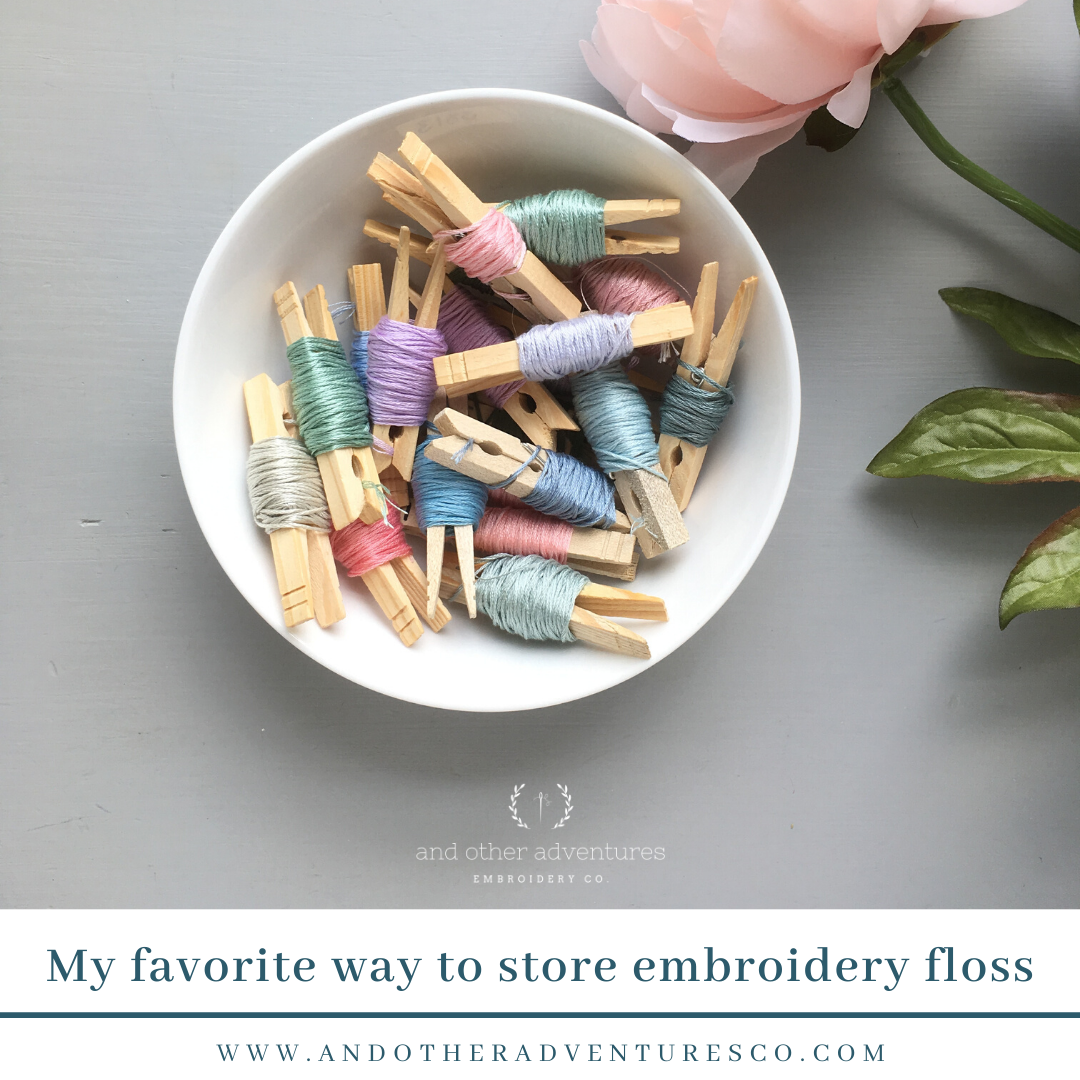
Image Source: andotheradventuresco.com
The Joy of Tangle-Free Thread
Think about starting a new project. You have all your fabric and needles ready. Now you need your thread. Do you dig through a big pile, pulling out knotted messes? Or do you open a box and pick the perfect color right away? The second way is much better! Good organizing embroidery thread stops tangles before they start. It also keeps your thread clean and protects the colors from fading.
Why Keeping Thread Tidy Matters
Having a system for your thread is more than just looking nice. It helps you in several ways:
* Saves Time: No more searching for lost colors or untangling big knots.
* Protects Thread: Keeps thread from getting dirty, dusty, or snagged.
* Easy Color Picking: You can see all your colors at once. This makes choosing colors for your project simple.
* Know What You Have: You can easily see which colors you have and which you need to buy.
* Less Waste: Untangled thread is much easier to use fully.
Popular Thread Storage Containers
There are many different kinds of thread storage containers you can use. The best one for you depends on how much thread you have and how you like to work. Some people like boxes, while others prefer hanging systems.
Plastic Floss Organizer Boxes
One of the most popular ways to store embroidery thread is using plastic boxes. These are often called floss organizer boxes. They usually have many small sections inside. You can keep one color or one bobbin in each section.
Features of Organizer Boxes
- Sections: The small parts inside keep colors separate.
- Clear Lids: Most boxes have see-through lids. This lets you see the colors inside without opening the box.
- Stackable: Many of these boxes are made to stack neatly on top of each other. This saves space.
- Portable: They often have handles, making them easy to carry to your sewing spot or a craft class.
Using Bobbins with Boxes
Many people who use these boxes first wind their thread onto small cards called bobbins. Embroidery bobbin storage often goes hand-in-hand with these plastic boxes. Bobbins are small pieces of plastic or cardboard. You wrap your thread around the bobbin. This keeps the strand together and stops it from tangling.
Winding Thread onto Bobbins
- Get a pack of plastic or cardboard bobbins.
- Take one skein of embroidery thread.
- Find the end of the thread.
- Slip a small part of the thread into the slot on the bobbin (if it has one).
- Start wrapping the rest of the thread neatly around the bobbin.
- When you get to the end, slip the end into the other slot on the bobbin.
- You can write the color number on the bobbin using a marker. This is very helpful for matching colors later. DMC numbers are most common.
After winding the thread onto bobbins, you place each bobbin into a section in the plastic box. This is a really effective method for how to keep embroidery floss from tangling.
Pros and Cons of Organizer Boxes
| Pros | Cons |
|---|---|
| Keeps thread very neat | Winding bobbins takes time |
| Prevents tangles | Boxes can get heavy when full |
| Easy to see colors (with clear lid) | Needs bobbins, which is an extra step |
| Portable and stackable | Some thread types might not wind well |
Storage Drawers and Cabinets
Another way to store thread is in small drawers or cabinets. These can be made of plastic, wood, or metal. You can buy small drawer units meant for craft supplies.
Types of Drawer Storage
- Small Plastic Drawer Units: These are cheap and come in many sizes. You can get ones with tiny drawers perfect for bobbins.
- Wooden Craft Cabinets: These look nice and can have many small compartments or drawers.
- Repurposed Furniture: Old tool cabinets or office organizers with small drawers can work well.
You can put bobbins directly into the drawers, or you can place skeins carefully if the drawers are big enough. Dividing the drawers with small inserts helps keep colors separate.
Pros and Cons of Drawer Storage
| Pros | Cons |
|---|---|
| Looks neat | Can be hard to see all colors at once |
| Protects thread from light and dust | Less portable than small boxes |
| Can store many bobbins or skeins | Need to pull out drawers to find thread |
Hanging Storage Solutions
Some people like to hang their thread storage on a wall or door. This saves table or shelf space.
Types of Hanging Storage
- Thread Racks: These are racks with pegs or bars. You can hang skeins or bobbins (if they have holes) on them.
- Clear Pocket Organizers: These are fabric or plastic sheets with clear pockets. You hang them up, and you can see the thread in each pocket. These are often used for doors or closets.
- Pegboards: You can put pegs on a pegboard and hang skeins or small bags of thread.
Hanging storage is great for seeing all your colors quickly. However, thread can collect dust if not covered.
Pros and Cons of Hanging Storage
| Pros | Cons |
|---|---|
| Saves table/shelf space | Thread can get dusty if open |
| Easy to see all colors quickly | Less protection from light |
| Good for many skeins or bobbins | Might not be as portable |
Organizing Embroidery Thread: How to Sort
Once you have your storage containers, you need a way to sort your thread. There are several good ways to do this. The best way depends on how you choose colors for your projects.
Sorting by Color
Many crafters sort their thread by color. This makes it easy to find the perfect shade of blue or green you need for a sky or leaves.
How to Organize by Color
- Gather all your thread.
- Make piles of similar colors: all the reds together, all the blues, all the greens, and so on.
- Within each color pile, arrange them from light to dark.
- Put the colors into your storage container in rainbow order (red, orange, yellow, green, blue, purple) with white, black, and grays at the end.
Sorting by color is simple and very visual. It helps you see your color options easily.
Sorting by Number (Especially for DMC)
DMC is a very popular brand of embroidery thread. Each DMC color has a unique number. Many patterns use these numbers. If you work from patterns often, sorting by number is a great idea. This is often seen as the best way to store DMC thread.
How to Organize by Number
- Find the number on the label of each thread skein or bobbin.
- Arrange your thread numerically from the lowest number to the highest.
- Store your thread in your container in this number order.
- If using bobbins, write the number clearly on the bobbin.
This method is very good if you follow patterns that list thread colors by number. You can quickly find the exact color needed.
Sorting by Project
Sometimes, you might be working on several projects at once. Or maybe you have a special project that needs a specific set of colors. You can sort thread by project.
How to Organize by Project
- For each project, gather all the threads you plan to use.
- Keep these threads together in a small bag, box, or a section of a larger organizer.
- Label the group of threads with the project name.
This method is good for keeping project threads ready to go. However, if you use the same color in many projects, you might need to have duplicates or remember which project box has the color you need.
Combining Methods
Many people use a mix of these methods. For example, they might keep most of their thread sorted by number (especially best way to store DMC thread) but pull out colors for a current project and keep them separate until the project is done.
Preventing Tangles: Key Strategies
We talked about how to keep embroidery floss from tangling in the first paragraph. Let’s look deeper at the strategies used in different storage methods.
Using Bobbins
Winding thread onto bobbins is one of the most effective ways to prevent tangles. Each bobbin holds one color neatly wrapped up.
Tips for Bobbins
- Wind neatly, not too loose or too tight.
- Make sure the ends are tucked into the bobbin slots.
- Store bobbins upright in a box or drawer so they don’t unwind.
Using Floss Away Bags
Small, clear plastic bags that seal shut are called floss away bags. You can put one skein of thread in each bag. They often have a space to write the color number. These bags usually have holes so you can put them on a ring or in a binder.
Pros and Cons of Floss Bags
| Pros | Cons |
|---|---|
| Keeps skein intact (no winding needed) | Bags can be bulky |
| Prevents tangles well | Finding specific colors in a binder takes time |
| Good for larger amounts of thread | Can be more expensive than bobbins |
Keeping Skeins Neat
If you don’t want to wind bobbins or use bags, you can store skeins carefully.
Tips for Skeins
- Keep the paper bands on the skein. These bands often have the color number and help hold the skein shape.
- Store skeins in a way that they don’t get mixed up. Boxes with dividers or small plastic bags can help.
- When you use thread from a skein, pull it from one end. Don’t take the paper band off until the skein is almost empty.
No matter which method you use – bobbins, bags, or careful skein storage – keeping each color separate is the key to preventing tangles.
Specific Thread Types: Silk and Specialty
Most embroidery thread is cotton, like DMC or Anchor. But you might also use silk thread or other specialty threads. These might need special care when storing.
Storing Silk Embroidery Thread
Silk thread is beautiful and shiny, but it can be more delicate than cotton. It can also be more expensive. Storing silk embroidery thread needs a little extra thought.
Special Needs for Silk
- Avoid Sharp Bends: Silk fibers can weaken if bent sharply for a long time. Winding tightly onto small bobbins might not be the best choice for very fine or delicate silk.
- Protect from Light: Silk colors can be more sensitive to light fading than cotton. Store silk in a box or drawer that is not clear, or keep clear containers out of direct sunlight.
- Protect from Dust and Dirt: Keep silk thread in closed containers.
- Humidity: Extreme dampness or dryness can affect silk. Store it in a stable environment.
Best Storage for Silk
- Original Skeins/Cards: If possible, keep silk on the card or in the hank it came on. Store these in acid-free tissue paper inside a closed box.
- Larger Bobbins: If you must wind it, use larger bobbins made for silk or ribbon to avoid tight bends.
- Floss Bags: Putting silk skeins into clear plastic bags works well, especially if the bags are then stored in a dark box.
Avoid winding very fine or antique silk threads onto small, tight bobbins. Loose storage in a protective box is often better for storing silk embroidery thread.
Storing Metallic, Rayon, and Other Threads
Metallic and rayon threads can sometimes be slippery or behave differently than cotton.
* Metallic: Can be stiff or fragile. Bobbins work, but don’t wind too tightly. Keeping on the original spool or card is often best. Store in a way that prevents snagging.
* Rayon: Very shiny and sometimes slippery. Floss bags or careful skein storage in compartments work well.
For any specialty thread, check the manufacturer’s recommendations if possible.
DIY Thread Storage Ideas
You don’t have to buy fancy organizers. You can make your own DIY thread storage using things you already have or can get cheaply.
Using Everyday Items
Many common household items can be turned into thread storage.
Ideas for DIY Storage
- Shoe Boxes: Cover an old shoe box with pretty paper. Use cardboard dividers inside to make sections for skeins or bobbins.
- Food Containers: Clean plastic food containers (like from yogurt or takeaway) can hold bobbins or small groups of skeins. Use smaller containers inside larger ones to make sections.
- Ice Cube Trays: These are perfect size for holding individual bobbins or small bits of leftover thread.
- Binder Rings and Cardboard: Cut cardboard into bobbin shapes. Wind thread on them. Punch a hole in one end and put them on a binder ring. This is a simple, cheap way to make your own bobbins and keep them together.
- Clothespins: Wrap thread around wooden clothespins. The clip can hold the end. Store clothespins in a jar or box.
Making your own storage can be fun and cost less money. It’s a great way to create DIY thread storage that fits your space and style.
Building Simple Wooden Racks
If you like woodworking, you can build a simple rack for hanging thread.
How to Build a Rack (Simple Idea)
- Get a piece of wood board.
- Buy small wooden pegs or dowels.
- Drill holes partway into the board, spaced out evenly.
- Glue the pegs into the holes.
- Let the glue dry.
- You can paint or stain the rack.
- Mount the rack on a wall.
- Hang your skeins or bobbins (if they have holes) on the pegs.
This is a nice DIY thread storage solution that keeps your thread visible and saves space.
Putting it All Together: Embroidery Thread Storage Solutions
Let’s look at how all these ideas fit together to create good embroidery thread storage solutions. The best solution for you depends on:
* How much thread you have.
* The types of thread you have (cotton, silk, etc.).
* How much space you have.
* How you like to work (by color, by number, by project).
* Your budget.
Small Collections
If you only have a few dozen skeins:
* A small floss organizer box with bobbins is perfect.
* Or use a few binder rings with DIY cardboard bobbins.
* A small ice cube tray or repurposed food container works well.
Medium Collections
If you have a few hundred skeins:
* Several large floss organizer boxes, perhaps sorted by color or number.
* Using floss bags in binders is a good option.
* A small set of craft drawers or a simple hanging rack might be useful.
* Mixing methods, like bobbins in boxes for main colors and bags for specialty ones, can work.
Large Collections
If you have many hundreds or thousands of skeins:
* Need a system that can hold a lot!
* Multiple stacking organizer boxes.
* Dedicated craft drawers or cabinets.
* Large hanging racks or pegboard systems.
* Combining drawer storage (for bobbins sorted by number) with hanging storage (for easy color viewing) might be the best way to store DMC thread in large quantities.
Considering Thread Type Again
Remember storing silk embroidery thread might need different care than cotton. Keep silks in closed boxes away from light and don’t wind them too tightly if using bobbins. Store specialty threads where they won’t snag.
Making it Look Nice
Your storage doesn’t just have to be functional. It can look nice too!
* Decorate DIY thread storage boxes.
* Choose storage containers in colors you like.
* Arrange hanging racks neatly on a wall.
Having a well-organized and pleasant-looking thread storage area can make your crafting space more enjoyable. It’s part of creating good embroidery thread storage solutions.
Keeping It Organized Over Time
Getting organized is one step. Staying organized is another!
Tips for Maintaining Organization
- Put Thread Away Right Away: When you finish a project or buy new thread, put it in its spot right away. Don’t let it sit in a pile.
- Use a System for Leftovers: Have a plan for small bits of leftover thread. You can wind them onto small bobbins, put them in small bags, or wrap them around clothespins. Keep them separate from full skeins.
- Regular Check-In: Every few months, quickly go through your thread storage. Straighten things up, rewind any loose bobbins, and see if you need to adjust your system.
- Color/Number Chart: If you use bobbins sorted by number, keep a printed DMC color chart handy. This helps you quickly identify numbers or see colors you might be missing.
Maintaining good organizing embroidery thread habits means your storage system will work for you for a long time. It keeps your crafting stress-free.
Summary of Embroidery Thread Storage Solutions
We’ve looked at many ways to store embroidery thread. From simple bobbins and plastic boxes to DIY ideas and special care for silk.
| Storage Method | Description | Best For | Key Benefit |
|---|---|---|---|
| Bobbins in Plastic Boxes | Winding thread onto small cards/plastic shapes & storing in compartmentalized boxes | Preventing tangles, sorting by number/color | Very neat, portable |
| Floss Bags on Rings/in Binders | Putting skeins into small plastic bags & grouping them | Keeping skeins intact, medium to large collections | Easy to see whole skein |
| Drawer Units | Storing bobbins or skeins in small drawers | Protecting from light/dust, neat look | Hides clutter, stacks often |
| Hanging Racks | Hanging skeins or bobbins on pegs/bars on a wall | Seeing all colors at once, saving surface space | Saves space, visual |
| DIY Solutions | Using everyday items or simple builds | Budget-friendly, customized storage | Cheap, personal |
Each method helps with how to keep embroidery floss from tangling and makes finding colors easier. Whether you choose a pre-made floss organizer box, decide the best way to store DMC thread is on bobbins sorted by number, find a good system for storing silk embroidery thread, or create your own DIY thread storage, having a system is key.
Taking the time to set up and maintain your embroidery thread storage solutions is an investment in your hobby. It means more time stitching and less time searching or untangling. Happy stitching!
Frequently Asked Questions
Is it better to store thread on bobbins or in skeins?
This is really up to you! Winding onto bobbins takes time upfront but prevents tangles very well and makes sorting by number easy (which is often the best way to store DMC thread if following patterns). Storing in skeins means less prep work, but you need to be careful to keep the paper band on and store them neatly (like in floss bags or compartments) to avoid tangles. Some people find winding bobbins relaxing!
How do I stop my embroidery floss from getting dusty?
Store your thread in closed containers. Plastic boxes with lids, drawers, or storage bags are all good for keeping dust out. If you use open hanging storage, try to keep it in a clean area or consider putting threads you don’t use often into lidded boxes.
Can I store different brands of thread together?
Yes, you can store different brands together. However, it’s best to keep them organized separately if you need to match specific colors to patterns. For example, keep all your DMC thread together, sorted by number, and other brands sorted by color in a different section or box. DMC colors have numbers that are easy to work with numerically, which helps with organizing embroidery thread.
What’s the best way to store thread bits that are too short for a project?
Don’t throw those bits away! You can wrap them around small pieces of cardboard, tiny bobbins, or clothespins. You can also put them in small bags sorted by color. These bits are great for small projects, adding texture, or practice stitches. Keeping them in a dedicated small container is a good embroidery floss storage idea for scraps.
How do I know what color number a thread is if it lost its paper band?
This is tricky! If it’s a common color, you can sometimes compare it to a printed color chart or your existing thread collection to find a close match for the number. DMC makes color charts showing all their colors with numbers. If it’s an old or unusual thread, it might be hard or impossible to know the exact number. You can give it your own system, maybe store it with similar colors and label it “mystery red”.
Do I need special containers for metallic thread?
Metallic thread doesn’t need special containers in terms of material, but it can be more prone to snagging or breaking if wound too tightly or stored messily. Keeping it on its original spool or card and giving it its own spot in a box or drawer where it won’t get crushed or tangled with other threads is a good idea. This helps with how to keep embroidery floss from tangling, especially tricky types like metallic.