
Having a neat sewing room is key to enjoying your craft. A big part of this is knowing how to store your fabric stash. Proper sewing room fabric organization helps you find what you need fast, keeps fabric safe, and makes your space a joy to work in. Let’s look at some clever fabric storage solutions to make your sewing life easier.
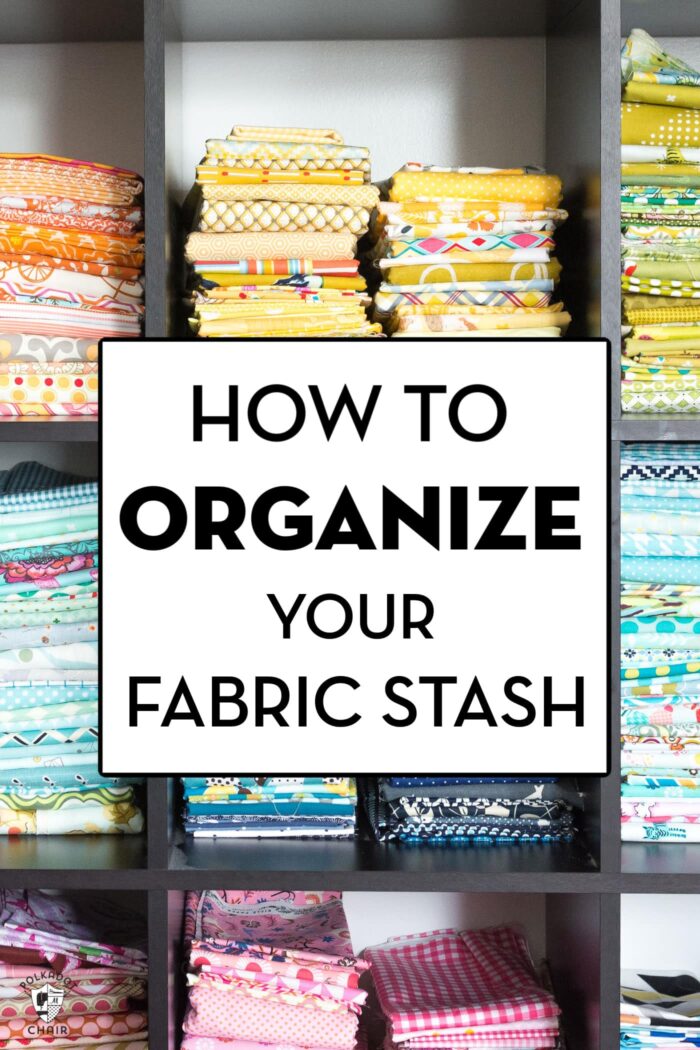
Image Source: www.polkadotchair.com
Why Good Fabric Storage Matters
Keeping fabric tidy does more than just make your room look nice. It protects your fabric from damage. Dust, dirt, light, and even tiny bugs can harm fabric over time. Good storage keeps these things away. It also helps you see what you have. No more buying fabric you already own! When fabric is easy to find, you use it more. This saves you money and lets you start projects faster. Good storage brings calm to your sewing space. It makes sewing less about searching and more about creating.
Grasping Different Fabric Types
Fabric comes in many forms. Each type might like a slightly different storage method.
- Cotton and Quilting Fabric: These are often sold in yards. They fold well and can be stacked or put on shelves.
- Knit Fabric: Knits can stretch out of shape if hung or folded the wrong way. Rolling them is often best.
- Delicate Fabrics: Silk, lace, and sheers need care. Keep them away from rough surfaces and snags. Storing flat or rolling might be best.
- Upholstery or Heavy Fabrics: These are bulky. They take up a lot of space. They are often sold on bolts or tubes.
- Specialty Fabrics: Vinyl, leather, and fake fur have unique needs. Vinyl can stick to itself. Leather needs air. Fake fur can get squished.
Knowing your fabric helps you pick the best fabric storage methods.
Popular Fabric Storage Methods
There are many ways to store fabric. The best way for you depends on how much fabric you have, the types of fabric, and how much space you have.
Using Fabric Storage Bins and Shelves
Bins and shelves are very popular for fabric storage. They are easy to find and come in many sizes.
Shelving Units:
Open shelves let you see your fabric easily. You can fold fabric into neat piles and place them on shelves.
* Pros: Fabric is visible, easy to grab, uses vertical space.
* Cons: Fabric can get dusty, neat folding is needed to look good.
* Tips: Use shelf dividers to keep piles from falling over. Group fabric by color, type, or project.
Fabric Storage Bins:
Plastic bins, fabric boxes, or baskets hide fabric away. They protect fabric from dust and light better than open shelves.
* Pros: Protects fabric, looks neat (hides clutter), stackable.
* Cons: Harder to see what’s inside, takes up floor or shelf space.
* Tips: Label bins clearly. Use clear bins so you can see the contents. Sort fabric before putting it in bins (e.g., cottons, knits, scraps).
Let’s look at different types of bins:
| Bin Type | Material | Best For | Pros | Cons |
|---|---|---|---|---|
| Plastic Bins | Plastic | Most fabrics, dust protection | Durable, stackable, often clear | Can be bulky |
| Fabric Boxes | Cardboard/Cloth | Medium cuts, tidy look | Lightweight, decorative, foldable | Not stackable when full, less durable |
| Wire Baskets | Metal Wire | Rolls, larger cuts | Airflow, visible contents, durable | Can snag delicate fabric |
| Wicker Baskets | Natural Fiber | Cozy look, medium cuts | Airflow, decorative | Can snag fabric, less durable, dusty |
| Drawer Units | Plastic/Wood | Smaller cuts, fat quarters | Pull-out access, protects from light | Takes up floor space, limits size |
Putting fabric storage bins and shelves together is a great way to keep your organizing fabric stash simple and tidy.
Folding Fabric for Storage
How you fold fabric makes a big difference in storage. A good fold keeps fabric neat and easy to stack or place on shelves.
- Standard Fold: Fold fabric in half lengthwise, then in half again, and maybe again until it’s the size you want. This works for most woven fabrics.
- Book Fold: Fold fabric lengthwise, but leave a small gap along the fold. Then fold again, lining up edges. This creates a neat ‘book’ shape good for stacking on shelves.
- Using Boards: For smaller pieces, fat quarters, or half-yard cuts, fold them around small cardboard or plastic boards. This keeps them very neat and uniform. It makes your shelves look like a fabric shop!
Let’s look at folding methods for shelves:
| Method | Description | Best For | Look on Shelf | Space Efficiency |
|---|---|---|---|---|
| Standard Fold | Multiple folds to a manageable rectangle | Yards of woven cotton | Stacked piles | Good |
| Book Fold | Folded with edges aligned to form a ‘book’ | Yards, smaller cuts | Side-by-side ‘books’ | Very Good |
| Board Folding | Folded around a flat board (cardboard/plastic) | Fat quarters, half yards, scraps | Uniform stacks | Excellent |
| Rolling Fabric | Roll fabric tightly around a tube or itself | Knits, silks, delicate fabrics | Cylinders on shelves | Good |
Folding fabric for storage keeps your piles neat and stable. It helps you fit more fabric in a space too.
Using Fabric Bolts for Storage
Large amounts of fabric, especially wide fabrics or upholstery, often come on bolts. You can buy empty bolts or tubes to put your own fabric on.
- Full-Size Bolts: These are the large cardboard tubes from the store. You can stand them upright in a corner or lay them on heavy-duty shelves.
- Mini Bolts/Boards: For smaller cuts (like 5-10 yards), you can wrap fabric around smaller, flat cardboard or plastic pieces. These look like small bolts.
- Tubes: Cardboard tubes (like from paper towel rolls, but stronger) work well for rolling fabric.
Using fabric bolts for storage is great for seeing a lot of fabric at once. It keeps wrinkles away, especially for wider fabrics.
- Pros: Prevents deep creases, easy to see the full print, good for large cuts, can stand tall.
- Cons: Takes up a lot of space (especially full bolts), heavy duty shelves needed for large bolts, buying mini-bolts/boards costs money.
You can store mini-bolted fabric on shelves or in drawers. Full bolts usually need floor space or deep, strong shelves.
Hanging Fabric
Yes, you can hang fabric! This is good for knits, large cuts, or fabrics you want to display.
- Pant Hangers: Clamp the fabric to the hanger, letting it hang down. Good for medium cuts.
- Scarf Hangers: Hangers with multiple loops are great for smaller cuts, fat quarters, or strips.
-
Bolt Hangers: Special hangers let you hang fabric folded on mini-bolts.
-
Pros: Uses closet/wardrobe space, prevents some wrinkles, easy to flip through fabric like clothes.
- Cons: Can stretch some fabrics (like heavy knits), fabric can get dusty depending on where you hang it, takes up hanging rail space.
Hanging works well if you have closet space in your sewing room.
Fabric Storage Ideas for Small Spaces
If your sewing room is small, you need clever tricks to store fabric.
- Go Vertical: Use tall, narrow shelves. Hang fabric on walls or the back of doors. Use over-the-door shoe organizers for small scraps or fat quarters.
- Under the Bed: Use flat storage bins with wheels to store fabric under a bed or table.
- On Walls: Install floating shelves high up. Use pegboards with hooks and shelves to hold rolled or folded fabric.
- Dual-Purpose Furniture: Use a storage ottoman that holds fabric inside. Get a cutting table with shelves or drawers underneath.
- Mini Bolts: Wrapping fabric around small boards (mini-bolts) makes the stacks very neat and compact, fitting more on shelves.
Fabric storage ideas for small spaces focus on using every bit of room, especially walls and hidden spots.
Storing Fabric Scraps
Scraps are tricky. They are too small for regular folding but too precious to throw away! Storing fabric scraps needs a system.
- By Size: Keep large scraps separate from tiny ones. Large scraps might go into a bigger bin. Small scraps might go into jars or small boxes.
- By Color: This is popular. Get bins or bags for each color or color family. This makes finding scraps for scrappy projects easy.
- By Type: Keep knit scraps separate from woven scraps. Keep special fabrics (like silk or wool) separate.
- In Jars or Vases: For very small, pretty scraps, putting them in clear jars or vases is a storage method and decoration!
- Project Bags: Put scraps related to a specific project into a bag or bin with the project pieces.
Bins, baskets, clear plastic drawers, or even Ziploc bags work well for scraps. The key is to sort them somehow so you aren’t just digging through a messy pile.
- Bin Method: Use small bins on a shelf or in a drawer. Label them (e.g., “Blue Scraps,” “Cotton Scraps”).
- Bag Method: Put scraps in labeled fabric bags or large Ziploc bags. Store bags in a larger bin or hang them.
- Drawer Method: Use clear plastic drawer units. Dedicate drawers to different scrap types or colors.
Choosing a system for storing fabric scraps means you will actually use them instead of letting them become clutter.
Organizing Fabric Stash: A Step-by-Step Guide
Ready to get your fabric under control? Here’s a plan for organizing fabric stash.
- Gather It All: Pull out all your fabric from every closet, bin, and corner. Pile it up so you can see how much you really have.
- Sort: Go through the pile. Sort fabric by:
- Type (cotton, knit, flannel, etc.)
- Size (large cuts, fat quarters, scraps)
- Project (fabric bought for a specific item)
- Keepers vs. Giveaways (Decide what you will keep and what to donate or sell). Be honest about what you will actually use.
- Prepare Fabric:
- Check for wrinkles. Iron or press fabric if needed, especially if you plan to fold it neatly.
- Consider pre-washing some fabrics, especially if you plan to use them soon or if they are known to shrink or bleed color. Store washed and unwashed fabric separately or label clearly.
- Trim off selvages if they are bulky or distracting when folding.
- Choose Your Method(s): Based on your sorted fabric and your space, decide which storage methods you will use (shelves, bins, bolts, hanging, etc.). You will likely use a mix.
- Store: Put your fabric away using the chosen methods.
- Fold or roll larger cuts.
- Wrap medium cuts around boards.
- Sort and store scraps.
- Place fabric in bins, on shelves, or hang it up.
- Label: Label bins, shelves, or drawers. Knowing where things are saves time.
- Inventory (Optional but helpful): Make a list of your fabric. You can use a notebook, a spreadsheet, or a phone app. Note fabric type, amount, color, and where it’s stored. This helps you remember what you have.
- Maintain: Put fabric away properly after use. Every few months, tidy up shelves and bins.
This process for organizing fabric stash might take time, but it’s worth it!
Deciphering Storage Space Types
Let’s look closer at common storage spaces and how to use them for fabric.
Using Closets
Closets are great because they hide fabric from light and dust.
* Install shelves for folded fabric or bins.
* Use hanging rails for fabric on hangers or mini-bolts.
* Use the back of the door for over-the-door storage.
* Store bins on the floor.
Using Dedicated Storage Furniture
Furniture made for storage, like bookcases, cube organizers, or filing cabinets (yes, filing cabinets work for fabric folded on boards!), can be perfect.
* Bookcases with adjustable shelves let you change shelf height for different fabric pile sizes.
* Cube organizers are great with fabric bins inserted.
* Filing cabinets can hold fabric folded around letter-size boards, standing up like files.
Using Wall Space
Walls offer lots of storage potential without taking up floor space.
* Floating shelves can hold neatly folded or rolled fabric.
* Pegboards with hooks and small shelves are versatile.
* Install a rail high up to hang fabric.
Using Under-Furniture Space
Space under tables, desks, or beds can be used with flat storage bins.
Choosing the right space and furniture is key to effective sewing room fabric organization.
Keeping Fabric Tidy Long-Term
Getting organized is the first step. Keeping fabric tidy is the ongoing job.
- Put Away Right Away: After using fabric, fold or roll the leftover piece and put it back in its spot immediately. Don’t leave it out.
- One In, One Out (Optional): Some people follow a rule: if you buy new fabric, use up or get rid of an equal amount of old fabric. This stops your stash from growing too big.
- Regular Tidy-Up: Spend 15-30 minutes every week or two just tidying your fabric area. Refold messy piles, put scraps away, straighten bins.
- Seasonal Refresh: A few times a year, do a deeper clean. Dust shelves, check fabric for any issues (like pests), and rethink your system if it’s not working.
- Use It! The best way to keep your stash manageable and tidy is to use your fabric. Plan projects that use fabrics you have.
Keeping fabric tidy means making organization a habit, not just a one-time task.
Protecting Your Fabric Stash
Proper storage is also about protecting your fabric.
- Light: Sunlight can fade fabric colors over time. Keep fabric away from direct sun. Use curtains or store fabric in closed bins or closets.
- Dust: Open shelves let dust settle. Use bins or boxes with lids, or cover shelves with a curtain or cloth.
- Moisture and Pests: Fabric can attract bugs like moths or silverfish, especially natural fibers like wool or silk. High moisture can cause mold.
- Store fabric in a dry area.
- Use airtight bins for valuable pieces or natural fibers.
- Cedar blocks or lavender sachets can help deter pests naturally. Avoid mothballs near fabric you will use, as the smell is strong.
- Keep the sewing room clean. Vacuum regularly.
- Temperature: Avoid storing fabric in places with extreme temperature changes, like attics or garages, if possible. Stable room temperature is best.
These simple steps help protect your investment and keep your fabric ready for use.
Exploring More Fabric Storage Ideas
Let’s look at some less common but effective ways to store fabric.
- Rolling on Cardboard Tubes: Similar to bolts, but you can use sturdy tubes cut to length. This is great for longer cuts or knits. Store tubes on shelves or in bins standing upright.
- Plastic Bags (for sorting): While not long-term storage alone, large clear plastic bags (like garment bags) can hold fabric on hangers or keep sets of fabric together for a project. Ziploc bags are good for sorting scraps temporarily.
- Vintage Suitcases or Trunks: For a decorative touch, use old suitcases or trunks to store fabric. Make sure they are clean and dry inside. Adds charm but can make fabric harder to access quickly.
- Overhead Storage: If your room has high ceilings, install shelves high up for lesser-used fabric. Make sure they are sturdy and you have a safe way to reach them (like a step stool).
Mixing and matching these fabric storage solutions can help you create a system that works perfectly for your space and your stash.
Planning Your Fabric Storage System
Before buying storage items, take some time to plan.
- Assess Your Stash: How much fabric do you have? What types? What sizes (large pieces, small cuts, scraps)?
- Assess Your Space: How much floor space, wall space, closet space do you have? What furniture is already there?
- Think About Access: How often do you need certain fabrics? Your most-used fabrics should be easiest to reach. Less-used fabrics can go higher up or in less accessible spots.
- Set a Budget: How much can you spend on storage? Look for sales or use items you already own (like old bookshelves).
- Draw a Simple Plan: Sketch your room and where you think storage could go.
This planning stage helps you avoid buying storage that doesn’t fit or doesn’t work for your needs. Good sewing room fabric organization starts with a good plan.
Maintaining Your Fabric Inventory
Knowing exactly what fabric you own is a powerful tool for organizing fabric stash. An inventory helps you:
- Avoid buying duplicates.
- Easily find fabric for a project.
- Know when you are low on a certain type or color.
- See the total value or amount of your stash.
How to create an inventory:
- Notebook: Simple and low-tech. Write down fabric details when you buy it or when you organize.
- Spreadsheet: Use a computer program like Excel or Google Sheets. You can include columns for type, color, print, amount, cost, location stored, and even a small description or project idea.
- Phone App: There are apps made for tracking craft supplies, including fabric. Some let you take photos.
An inventory takes effort to set up and maintain, but it’s a great tool for serious stash management. It supports keeping fabric tidy by making you more aware of what you have.
Common Questions About Fabric Storage
Here are answers to some questions people often ask about fabric storage.
h4 Is it okay to store fabric in plastic bags?
Yes, for sorting or temporary storage, but avoid long-term storage in non-breathable plastic, especially in humid areas. Airtight bins are better for protection, but fabric needs some airflow to prevent mold if there’s any moisture. Use breathable bags (like cotton or muslin) for natural fibers in humid places, or ensure plastic bins are not completely sealed if humidity is a concern.
h4 Should I wash fabric before storing it?
It depends. Washing removes factory chemicals and pre-shrinks fabric. Some people wash everything right away. Others only wash fabric just before using it for a project. If you pre-wash, make sure it’s fully dry before storing to prevent mold. Storing washed and unwashed fabric together is fine, but it’s helpful to label or sort them.
h4 How do I protect fabric from pests like moths?
Keep your storage area clean. Vacuum regularly. Use cedar blocks, lavender sachets, or other natural repellents. Store valuable wool or silk in airtight containers. Check your fabric regularly for signs of pests. Avoid strong chemical mothballs near fabric you plan to use.
h4 How do I keep my fabric from getting dusty on open shelves?
You can cover open shelves with a curtain or a large piece of fabric. Or, store fabric in bins, boxes, or drawers, which provide better dust protection.
h4 What’s the best way to store knit fabric so it doesn’t stretch?
Rolling knit fabric is usually the best method. Fold it lengthwise once or twice, then roll it around a tube or itself. Avoid hanging heavy knits for long periods, as gravity can pull and stretch them out of shape.
h4 Can I store fabric in a garage or basement?
Only if the area is climate-controlled, dry, and clean. Garages and basements often have moisture, temperature swings, and pests that can damage fabric. It’s best to store fabric inside your home where the environment is stable.
h4 What’s a good way of storing fabric scraps?
Sort scraps by size, color, or fabric type. Store them in clear bins, jars, baskets, or labeled bags. This makes them easy to find and use. Don’t just toss them all into one big box!
Getting your fabric organized takes effort, but the result is a calm, functional sewing space where you can easily find and use your beautiful fabrics. Use these clever fabric storage solutions and fabric storage methods to create a system that keeps your organizing fabric stash simple and your keeping fabric tidy goals achievable. Happy sewing!