
You can tailor jeans for a great fit by following a few key steps, including measuring correctly, choosing the right tools, and knowing how to make specific adjustments like hemming or taking in the waist.
Do you have a favorite pair of jeans that just don’t fit quite right? Maybe they’re too long, a little too baggy, or the waist gapes at the back. Don’t despair! With a little know-how and a few simple tools, you can transform those “almost” jeans into your perfect pair. Tailoring jeans is a rewarding skill that allows you to achieve a custom fit, enhancing both comfort and style. This guide will walk you through the essential steps of denim alteration, from precise measuring to expert finishing, ensuring your jeans look and feel as if they were made just for you.
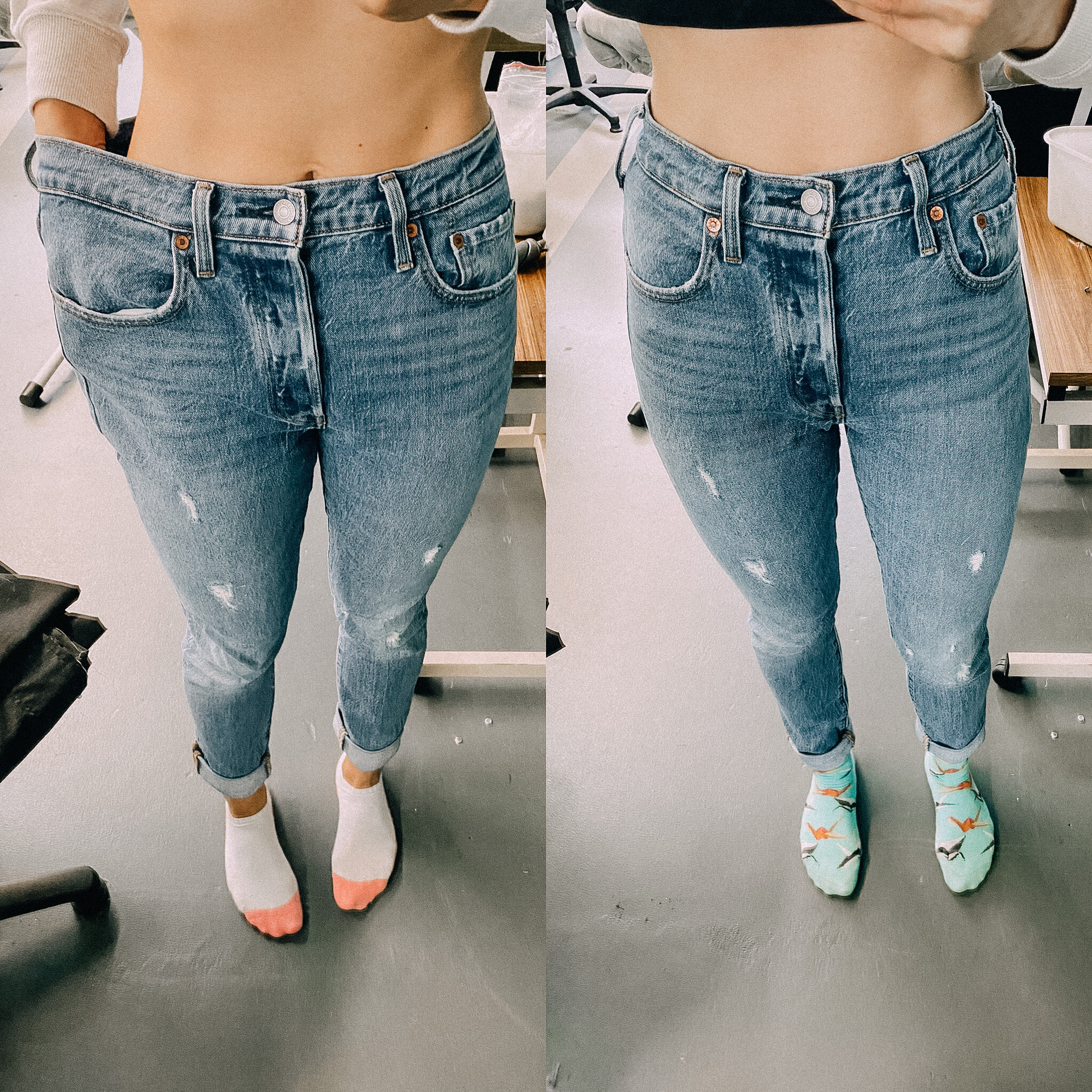
Image Source: images.squarespace-cdn.com
The Basics of Denim Alteration
Fitting denim properly is the first hurdle to overcome. Ill-fitting jeans can be uncomfortable and unflattering, no matter how stylish they are. Fortunately, most common fit issues can be resolved with basic sewing techniques. This process, often referred to as jeans modification, involves adjusting the garment to better suit your body shape. Whether it’s a simple hemming jeans job or a more complex adjustment to the waist, the principles remain the same: accuracy and patience.
Essential Tools for Jeans Modification
Before you start sewing, gather your supplies. Having the right tools makes the process smoother and yields better results.
- Sewing Machine: A sturdy sewing machine capable of handling denim is crucial. Look for one with a powerful motor and a needle designed for heavy fabrics.
- Denim Needles: These are specifically designed to pierce thick denim without breaking. Sizes 90/14 or 100/16 are usually suitable.
- Heavy-Duty Thread: Polyester or cotton-wrapped polyester thread is strong and durable, perfect for sewing jeans. Choose a color that matches your jeans or a contrasting color for a decorative touch.
- Fabric Scissors: Sharp scissors are essential for clean cuts. Invest in a good pair dedicated to fabric.
- Measuring Tape: A flexible tape measure is needed for accurate body and garment measurements.
- Fabric Chalk or Marker: For marking your cut lines and sewing points.
- Seam Ripper: For carefully undoing existing seams.
- Pins: To hold fabric in place while sewing.
- Iron and Ironing Board: For pressing seams flat, which is vital for a professional finish.
- Optional: Jeans Button and Shank Button: For replacing missing or broken buttons.
- Optional: Jeans Hook and Eye or Snap Fastener: For alternative closures.
Measuring for a Perfect Fit
Accurate measurements are the cornerstone of successful tailoring. Take your time and be precise.
Key Measurements to Take:
- Inseam: This is the measurement from the crotch seam down the inner leg to the desired hemline.
- How to Measure: Wear the shoes you typically wear with your jeans. Stand up straight. Have someone else measure from the top of your inner thigh (where the crotch seam meets) down to the floor, or to your preferred hem length. Alternatively, measure the inseam of a pair of jeans that already fit you well. Lay them flat, smooth out the fabric, and measure from the crotch seam to the bottom of the leg hem.
- Waist: Measure around your natural waistline where you want the jeans to sit.
- How to Measure: Wrap the tape measure around your waist, keeping it parallel to the floor. Don’t pull it too tight; it should be snug but comfortable.
- Hip: Measure around the fullest part of your hips and rear.
- How to Measure: Stand with your feet together and wrap the tape measure around the widest part of your hips.
- Rise: This is the measurement from the crotch seam to the top of the waistband. It determines how high or low the jeans sit on your body.
- How to Measure: Measure from the crotch seam to the top of the waistband on the front and back. Jeans fit differently depending on the rise.
When tailoring pants, especially jeans, it’s often best to measure a pair you already own that fits well in terms of length. This gives you a concrete reference point.
Popular Jeans Alterations Explained
Most jeans modification projects fall into a few common categories. Let’s dive into how to tackle them.
1. Hemming Jeans: Adjusting the Length
This is the most common denim alteration. Whether your jeans are too long or you want to change the style, hemming is straightforward.
Preserving the Original Hem
For a truly authentic look, especially with selvedge denim or jeans that have a factory-faded hem, it’s best to keep the original hem. This involves carefully unpicking the original hem, shortening the leg, and then reattaching the original hem.
Steps for Preserving the Original Hem:
- Prepare the Jeans: Turn the jeans inside out.
- Unpick the Original Hem: Using a seam ripper, carefully unpick the stitching that creates the original hem. Be gentle to avoid damaging the fabric. You only need to unpick enough to allow you to separate the hemmed portion from the leg.
- Measure and Mark: Try on the jeans with the shoes you’ll wear them with. Have someone mark the desired new length with chalk or pins. Alternatively, lay the jeans flat and measure from the crotch to your desired length. Add the width of your original hem (usually about 1 to 1.5 inches) to this measurement to determine where to cut.
- Cut the Excess Fabric: Once you’ve marked the cut line, trim off the excess fabric. Ensure the cut is straight and even all the way around the leg.
- Reattach the Original Hem:
- Turn the jeans right side out.
- Fold the raw edge of the shortened leg up by the width of the original hem allowance (the part you unpicked). Press this fold firmly with an iron.
- Reposition the original hem so it lies over the folded edge.
- Pin the original hem in place, ensuring the stitching line matches where it was originally.
- Using your sewing machine with a denim needle and heavy-duty thread, sew along the original stitch line of the hem. Go slowly and carefully.
Creating a New Hem
If preserving the original hem isn’t a priority, or if the original hem is damaged, you can create a new hem.
Steps for Creating a New Hem:
- Prepare and Measure: As above, turn the jeans inside out, try them on, and mark the desired length.
- Cut the Fabric: Trim the excess fabric, leaving a 1-inch to 1.5-inch hem allowance.
- Finish the Raw Edge: To prevent fraying and create a clean finish, you can use a zigzag stitch or a serger around the raw edge of the fabric.
- Fold and Press: Fold the raw edge up by about 1/2 inch and press with an iron. Then, fold it up again by the remaining hem allowance (about 1/2 inch to 1 inch) to create a double-folded hem. Press this second fold firmly.
- Sew the New Hem: Pin the hem in place. Using your sewing machine, stitch along the top folded edge of the hem. For a classic jeans look, use a topstitch that is visible from the outside. A twin needle can also give a professional, double-stitched appearance.
Table: Hemming Options Compared
| Method | Appearance | Difficulty | Best For |
|---|---|---|---|
| Original Hem | Authentic, factory-finished look | Medium | Selvedge denim, vintage jeans, or when preserving original detail is key. |
| New Double-Folded Hem | Clean, finished edge, can be topstitched | Easy | Most jeans, when original hem is damaged, or for a modern look. |
| Cuffed Hem | Casual, stylish, adjustable length | Easy | Casual styles, when you want to show off footwear. |
| Raw Hem | Edgy, distressed look, frays over time | Easy | Trendy styles, when you don’t mind fraying. |
2. Adjusting the Waist: Tackling Gaping and Looseness
A common problem is jeans that fit well in the hips and thighs but are too loose around the waist, leading to a dreaded gap at the back. This adjustment requires taking in the waistband.
Steps for Adjusting the Waist:
- Prepare the Jeans: Turn the jeans inside out.
- Locate the Center Back Seam: Identify the seam running up the center of the back waistband. This is where you’ll make your adjustment.
- Unpick the Waistband: Carefully unpick the stitching that attaches the waistband to the main body of the jeans, starting from the top of the waistband and going down to the point where the back yoke seam ends. You may also need to unpick the center back seam of the jeans itself for a few inches.
- Measure and Mark the Take-In:
- Try on the jeans and pinch out the excess fabric at the back waistband to achieve a snug fit.
- Pin the excess fabric in place.
- Remove the jeans carefully, keeping the pins in.
- Lay the jeans flat. Measure the amount of fabric you’ve pinned. This is the amount you need to take in on each side of the center back seam. For example, if you need to take in 2 inches total, you’ll take in 1 inch from each side of the center back seam.
- Mark a new stitching line on the inside of the jeans, parallel to the center back seam, at your measured distance.
- Sew the New Seam:
- Sew along your new marked line, starting from the top of the waistband and going down to the end of the unpicked section of the jeans. Use a strong stitch and backstitch at the beginning and end.
- Repeat this process on the other side of the center back seam if you need to take in more than can be accommodated by a single seam.
- Redraw and Reattach the Waistband:
- You’ll need to redraw the top edge of the waistband to match the new shape. Trim any excess fabric if necessary, leaving a small seam allowance.
- Fold the waistband back into its original position and pin it securely.
- Carefully stitch the waistband back onto the jeans, following the original stitch lines. This is often done with a strong, visible topstitch on the outside of the waistband. You might need to use a zipper foot or a piping foot to get close to the edge.
- Reinforce and Finish: If you unpicked the jeans’ center back seam, you’ll need to re-sew that seam as well, ensuring it aligns with your new waistband stitching.
Table: Waist Adjustment Considerations
| Problem | Solution | Key Considerations |
|---|---|---|
| Waist Gaping | Take in the center back waistband seam. | Ensure the take-in is distributed evenly on both sides of the center back seam. Preserve the original waistband stitching for a clean finish. |
| Waist Too Tight | Let out the waistband seams (if possible, limited by seam allowance). Consider adding an expansion panel. | Most jeans have limited seam allowance. Adding fabric requires more advanced skills and matching the denim. |
| Waist Too Loose (all around) | Take in the side seams of the jeans, starting from the waistband and tapering down to the hip. | This can affect the overall fit of the hips and seat. Take small amounts at a time and try on frequently. |
3. Taking in the Seat and Thighs: Slimming Down the Fit
If your jeans are too baggy in the seat or thighs, you can take them in along the inseam and outseam. This is a more involved process that requires careful fitting.
Steps for Slimming the Seat and Thighs:
- Prepare the Jeans: Turn the jeans inside out.
- Measure and Mark:
- Try on the jeans. Pinch out the excess fabric in the seat and thighs to achieve the desired fit.
- Pin the fabric along the inseam and/or outseam. Aim for smooth, gradual curves rather than sharp angles.
- Remove the jeans carefully, keeping the pins in.
- Lay the jeans flat. Measure the amount of fabric you’ve pinned on each leg.
- Sew New Seams:
- Inseam: Sew along the pinned line on the inseam, starting from the crotch and going down towards the hem. Backstitch at the beginning and end.
- Outseam: If you need to adjust the outseam as well, sew along the pinned line on the outseam.
- Seat Seam: You may also need to adjust the seat seam, especially if the bagginess is concentrated in the rear. This involves unpicking the seat seam, redistributing the fabric, and re-sewing.
- Trim and Finish:
- After sewing, trim the excess fabric from the new seams, leaving a 1/2-inch to 3/4-inch seam allowance.
- Finish the raw edges of these new seams with a zigzag stitch or serger to prevent fraying.
- Press the seams flat.
Important Note: Taking in the seat and thighs can significantly alter the drape and comfort of your jeans. It’s best to take small amounts at a time and try them on frequently to ensure you achieve the desired fit without making them too tight or restrictive.
4. Repairing Denim: Fixing Wear and Tear
Denim repair is an essential part of extending the life of your favorite jeans. Common repairs include fixing holes in the knees, worn-out crotches, or frayed hems.
Knee Repair
Holes in the knees are common. You can patch them from the inside or outside.
Steps for Knee Repair (Inside Patch):
- Prepare the Area: Turn the jeans inside out. Lay them flat so the knee area is smooth.
- Cut a Patch: Cut a piece of denim fabric slightly larger than the hole, ensuring the grain of the patch matches the jeans. You can use a scrap of similar denim or a piece from an old pair of jeans.
- Pin the Patch: Place the patch over the hole and pin it securely in place.
- Sew the Patch: Using your sewing machine, stitch around the edges of the patch to secure it. You can use a straight stitch or a zigzag stitch. For a decorative touch, you can stitch over the hole itself with a dense zigzag or even a decorative stitch.
Crotch Repair
A worn-out crotch is another frequent issue. This repair is similar to taking in the seat but focuses on reinforcing a weakened area.
Steps for Crotch Repair:
- Prepare the Area: Turn the jeans inside out.
- Reinforce: If there’s a small tear, you can often reinforce it with a few stitches using strong thread. If the fabric is very thin or has a hole, cut a piece of denim fabric slightly larger than the worn area.
- Apply the Patch: Place the patch on the inside of the jeans, covering the worn area. Pin it securely.
- Sew: Stitch the patch in place using a strong stitch. For added durability, you can sew in a zigzag pattern over the worn fabric and the patch, extending the stitching slightly beyond the worn area.
5. Custom Jeans: Beyond Basic Adjustments
Sometimes, you might want to go beyond simple fit adjustments and truly customize your jeans. This could involve changing the leg opening, adding decorative stitching, or even altering the rise.
Changing the Leg Opening
- Narrowing the Leg: To create a more tapered or slim-fit look, you can take in the inseam and outseam from the knee down to the hem.
- Widening the Leg: This is more complex and usually involves opening up the outseam and inserting a panel of matching or contrasting fabric.
Adding Decorative Elements
- Embroidery: You can add embroidered designs to pockets, yokes, or down the legs.
- Patches: Iron-on or sew-on patches can add personality.
- Contrast Stitching: Using a brightly colored thread for seams and hems can create a unique look.
The Art of Fitting Denim
Achieving a perfect fit with jeans is an art form. It involves not just knowing how to sew but also how to accurately assess the fit and make the right adjustments.
The Importance of a Good Fit
Why is fitting denim so important?
- Comfort: Well-fitting jeans move with you, offering unrestricted comfort throughout the day.
- Style: Properly fitted jeans enhance your silhouette, making you look and feel more confident.
- Longevity: Tailoring can often save jeans from being discarded due to minor fit issues or minor damage.
Fitting Denim: Trial and Error is Key
When you’re unsure about the fit, it’s always better to err on the side of caution. Make small adjustments, try the jeans on, and then decide if further alterations are needed. This iterative process is crucial for successful jeans modification.
Frequently Asked Questions (FAQ)
Q1: Can I tailor jeans myself?
A1: Yes, absolutely! With basic sewing skills, the right tools, and this guide, you can successfully tailor your jeans.
Q2: What’s the best way to hem jeans while keeping the original look?
A2: The best way is to carefully unpick the original hem, shorten the leg, and then reattach the original hem by sewing along the original stitch line.
Q3: My jeans are too big in the waist. How much can I take them in?
A3: You can usually take in the waistband by 1 to 2 inches by adjusting the center back seam. Taking in more than that might distort the fit of the back yoke.
Q4: Is it possible to shorten jeans without losing the original “stack” or fade at the hem?
A4: Yes, by carefully unpicking and reattaching the original hem, you preserve the original look, including any unique fading or whiskering at the hem.
Q5: What kind of sewing machine is best for sewing jeans?
A5: A sturdy sewing machine with a powerful motor that can handle thick layers of denim is ideal. Many modern computerized machines are well-suited for this task.
Q6: Can I fix a hole in the crotch of my jeans?
A6: Yes, you can fix a crotch hole by patching it from the inside with a piece of denim fabric and sewing it securely. Reinforcing the area with strong thread can also help.
Q7: How do I adjust the fit if my jeans are too tight in the hips?
A7: Adjusting for tightness is more challenging. If there’s enough seam allowance, you might be able to let out the side seams or the seat seam. Otherwise, you might need to consider adding fabric panels, which is a more advanced alteration.
Q8: What is a “jean inseam”?
A8: The jean inseam refers to the length of the leg measured along the inner seam from the crotch to the hem.
Q9: How can I make my jeans fit better if they are too baggy in the legs?
A9: You can take in the inseam and/or outseam from the knee down to the hem to create a more tapered or slim fit.
Q10: What does “tailoring pants” encompass?
A10: Tailoring pants is a broad term that includes any alterations made to improve the fit of trousers, including jeans. This can involve hemming, adjusting the waist, taking in or letting out seams, and repairing damage.
By following these detailed steps and tips, you can confidently undertake most denim alteration projects. Transforming your jeans into a perfectly fitting pair is not only cost-effective but also a fantastic way to express your personal style and make the most of your wardrobe. Happy sewing!