
Learning sewing a skirt is a fantastic way to start your sewing journey. Can you sew a skirt as a beginner? Absolutely! With a good skirt pattern and clear instructions, beginner skirt sewing is very achievable. This DIY skirt tutorial will guide you through skirt making from start to finish. We’ll cover everything you need to know, from choosing fabric for skirts to finishing your first sewing machine skirt. Get ready to create your own unique skirt design with this easy skirt tutorial. We’ll be focusing on a basic skirt pattern that’s perfect for newcomers.
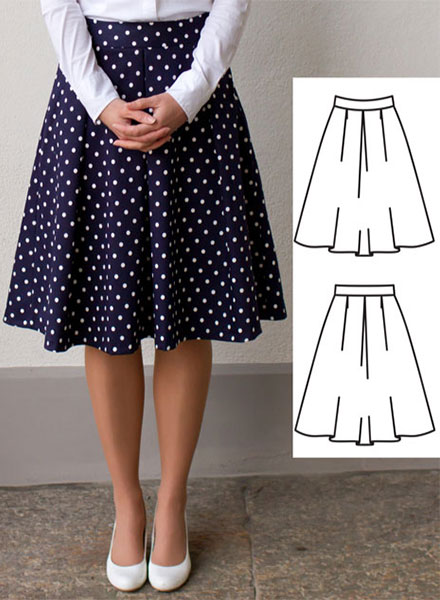
Image Source: www.ginareneedesigns.com
Your Sewing Adventure Begins: What You’ll Need
Before you can start skirt making, gathering your supplies is key. Think of this as your sewing toolkit!
Essential Sewing Tools
- Sewing Machine: A reliable sewing machine is your best friend for skirt making. Even a basic model will work wonderfully for beginner skirt sewing. Make sure it’s threaded correctly and you know how to change the needle.
- Fabric Scissors: Sharp scissors are a must for cutting fabric cleanly. Fabric scissors should only be used for fabric; using them on paper will dull them quickly.
- Paper Scissors: You’ll need these to cut out your skirt pattern pieces.
- Pins: Good quality sewing pins will hold your fabric pieces together while you sew. Ballpoint pins are great for knit fabrics, while standard pins work well for wovens.
- Thread: Choose a good quality polyester thread that matches or complements your fabric color.
- Measuring Tape: Essential for taking accurate body measurements and measuring fabric.
- Seam Ripper: Every sewer needs a seam ripper! It’s for those little oops moments when you need to unpick a seam.
- Iron and Ironing Board: Pressing seams as you go makes a huge difference in the final look of your DIY skirt.
Choosing Your Fabric for Skirts
The right fabric for skirts can make all the difference. For a basic skirt pattern, it’s best to start with fabrics that are stable and easy to handle.
- Cotton: Cotton is a fantastic choice for beginners. It’s breathable, easy to press, and doesn’t stretch much. Quilting cottons or medium-weight cottons are perfect for this skirt tutorial.
- Linen Blends: Linen offers a lovely drape and texture, but 100% linen can wrinkle. A linen blend often combines the best of both worlds.
- Polyester Blends: Many polyester blends offer durability and wrinkle resistance, making them user-friendly for a sewing machine skirt.
Fabrics to Avoid for Your First Skirt:
- Silks and Satins: These can be slippery and tricky to cut and sew.
- Sheer Fabrics: While beautiful, they require special techniques.
- Stretchy Knits: Unless your skirt pattern is specifically designed for knits, avoid them for your first project.
Your Skirt Pattern
For this skirt tutorial, we’ll use a simple A-line skirt pattern. You can find these online (many are free for download!) or in sewing pattern books. When choosing a skirt pattern, look for terms like “easy,” “beginner,” or “learn to sew.”
- Pattern Pieces: Your pattern will have several pieces: the front skirt, the back skirt, and possibly a waistband.
- Size Selection: It’s crucial to measure yourself and compare those measurements to the size chart on your skirt pattern envelope or download. Don’t just pick your ready-to-wear size!
Step-by-Step: Sewing Your Basic Skirt
Let’s dive into the actual skirt making process. Follow these steps carefully for a successful DIY skirt.
Step 1: Preparing Your Pattern and Fabric
- Cut Out the Pattern: Carefully cut out your chosen skirt pattern pieces using paper scissors.
- Read Pattern Instructions: Even though this is a simple basic skirt pattern, always read the pattern’s specific instructions. They might have helpful tips or slight variations.
- Pre-wash Your Fabric: This is a vital step! Wash and dry your fabric as you plan to wash the finished skirt. This pre-shrinks the fabric and removes any manufacturing chemicals.
- Iron Your Fabric: Press your fabric to remove any wrinkles. This ensures accurate cutting.
- Lay Out the Pattern: Fold your fabric according to the pattern’s instructions (usually lengthwise, right sides together). Place the pattern pieces on the fabric, paying close attention to the grainline arrow. This arrow needs to be parallel to the selvage (the finished edge of the fabric). Pin the pattern pieces securely to the fabric.
- Cut the Fabric: Using your fabric scissors, carefully cut around the pattern pieces. Cut notches (small marks) as indicated on the pattern. These help you line up pieces later.
Step 2: Transferring Markings
Your skirt pattern might have markings for darts, pleats, or pocket placements.
- Marking Darts: Darts are triangular folds that give shape to the skirt. You can mark them by making small snips in the seam allowance at the dart points, or by using chalk or a fabric marker to draw the dart lines.
- Marking Other Notches: Transfer any other important markings from the pattern to your fabric.
Step 3: Sewing the Side Seams
This is where your sewing machine skirt journey really begins!
- Pinning: Place the front and back skirt pieces right sides together. Match the side seams and pin them securely. If your pattern has darts, sew those first before pinning the side seams.
- Sewing Darts: Fold the fabric along the dart lines, right sides together. Stitch from the wide end of the dart to the sharp point. Backstitch at the beginning and end to secure. Press the darts as directed by your pattern (usually towards the center front or back).
- Sewing Side Seams: Sew along the pinned side seams. Most patterns recommend a 5/8 inch (1.5 cm) seam allowance, but always check your skirt pattern. Sew slowly and keep your fabric straight. Backstitch at the beginning and end of each seam.
- Finishing Seams: To prevent fraying, you need to finish the raw edges of your seams. You can do this in a few ways:
- Zigzag Stitch: Use a zigzag stitch on your sewing machine along the raw edge of each seam allowance.
- Serger/Overlocker: If you have a serger, this is the quickest and neatest way to finish seams.
- Pinking Shears: For fabrics that don’t fray excessively, pinking shears can be used.
- Pressing Seams: Open up the side seams and press them flat with your iron. This makes your skirt lay smoothly.
Step 4: Attaching the Waistband
The waistband gives your skirt a polished finish. This part of beginner skirt sewing can seem daunting, but it’s straightforward.
- Prepare the Waistband: Your skirt pattern will include waistband pieces. You might need to sew two pieces together to make one long waistband. Follow the pattern instructions for joining and pressing the waistband pieces.
- Attach Waistband to Skirt:
- Pinning: With the right sides of the skirt and waistband together, pin the raw edge of the waistband to the top raw edge of the skirt. Make sure the center markings align.
- Sewing: Sew the waistband to the skirt using the specified seam allowance.
- Finishing the Waistband: Now, you need to finish the inside edge of the waistband.
- Fold and Press: Fold the raw edge of the waistband to the inside, along the seam line, and press.
- Topstitching: You have a few options here:
- Stitch-in-the-ditch: This is a neat technique where you sew in the crease of the seam on the right side of the skirt, which catches the folded waistband on the inside.
- Topstitch: You can also simply topstitch along the bottom edge of the waistband from the right side of the skirt. This is easier for beginners.
- Add Closures (Optional but Recommended): Most skirts need a closure, like a zipper or buttons. For a basic skirt, a side zipper or a back zipper is common. If your skirt pattern includes a zipper, follow its specific instructions carefully. If it’s a simple elastic waist skirt, you’ll create a casing for the elastic instead.
Step 5: Hemming Your Skirt
Hemming is the final step in creating your DIY skirt. A neat hem makes a big difference.
- Try On and Mark: Put the skirt on (or have someone help you) and decide how long you want it. Use pins to mark the hemline evenly all around.
- Prepare the Hem:
- Double Fold Hem: This is a popular and neat way to hem. Fold the raw edge up about 1/4 inch (0.6 cm) and press. Then, fold it up again by about 1/2 inch (1.3 cm) and press. This encloses the raw edge.
- Hem Tape: You can also use iron-on hem tape for a quick finish.
- Sew the Hem: Stitch along the folded edge of the hem. Again, backstitch at the beginning and end. For a truly invisible hem, you can use a blind hem stitch on your sewing machine or hand sew it.
Variations and Customizations for Your Skirt Design
Once you’ve mastered the basic skirt pattern, you can start exploring different skirt design elements.
Different Hemlines
- Curved Hem: Instead of a straight hem, you can create a gentle curve for a softer look.
- Asymmetrical Hem: One side can be longer than the other for a modern touch.
- Ruffle Hem: Add a gathered ruffle to the hem for a feminine flair.
Waistline Options
- Elastic Waist: For ultimate comfort and ease, skip the waistband and create a casing for elastic at the top of the skirt.
- Contoured Waistband: A waistband that is shaped to fit the natural curve of your waist.
Pockets
- Patch Pockets: Simple square or rounded pockets sewn onto the outside of the skirt.
- In-Seam Pockets: Pockets sewn into the side seams, offering a seamless look. This is a popular skirt design feature.
Maintaining Your Sewing Machine and Tools
To ensure your sewing projects continue to be enjoyable, proper care of your equipment is essential.
Sewing Machine Care
- Clean Your Machine: Regularly remove lint and dust from around the bobbin case and needle area. A small brush or canned air works well.
- Change Your Needle: Needles get dull and bent with use. Change your needle every 6-8 hours of sewing or when you notice skipped stitches or fabric pulling.
- Oil Your Machine: Consult your sewing machine manual for oiling instructions.
- Proper Threading: Always ensure your machine is threaded correctly before you start sewing.
Tool Maintenance
- Sharpen Scissors: Keep your fabric scissors sharp by using them only on fabric.
- Store Pins: Keep pins organized and away from children and pets.
Frequently Asked Questions (FAQ) about Sewing a Skirt
Here are some common questions beginner sewers have about sewing a skirt.
Q1: What is the easiest skirt to sew for a beginner?
A simple gathered or elastic-waist skirt is often considered the easiest for beginners. It involves fewer pattern pieces and less precise construction than a zippered skirt. However, this basic skirt pattern tutorial for an A-line skirt is also very beginner-friendly.
Q2: Can I use any fabric for a skirt?
While you can use almost any fabric, some are much easier for beginners. Medium-weight cottons, linens, and stable polyester blends are ideal for your first DIY skirt. Avoid very slippery, sheer, or stretchy fabrics until you have more experience.
Q3: How do I find the right size for a skirt pattern?
Always measure your body (waist, hips) and compare these measurements to the size chart on the skirt pattern envelope or download. Do not go by your ready-to-wear clothing size, as pattern sizing can differ significantly.
Q4: What does seam allowance mean in a skirt pattern?
Seam allowance is the distance between the edge of the fabric and the stitching line. Most patterns use a 5/8 inch (1.5 cm) seam allowance, but it’s crucial to check your specific skirt pattern for its recommended seam allowance.
Q5: How do I prevent my skirt seams from fraying?
Finishing your seam allowances is key. You can use a zigzag stitch on your sewing machine, a serger/overlocker, or pinking shears on the raw edges after sewing the seam.
Q6: My skirt looks baggy. What did I do wrong?
This could be due to several reasons:
* Incorrect Sizing: You might have cut a size too large.
* Fabric Choice: A very drapey fabric might not hold the shape of a structured basic skirt pattern well.
* Sewing Darts Incorrectly: Ensure darts are sewn to the correct point and pressed properly.
* Seam Allowance Issues: Inconsistent seam allowances can affect the fit.
Q7: How do I get a really neat hem on my skirt?
Pressing is crucial for a neat hem. Use an iron to create crisp folds. A double-fold hem, where you fold the fabric twice, encloses the raw edge and creates a clean finish. Practicing on a scrap piece of fabric first can be helpful.
Q8: What’s the difference between a skirt pattern and a sewing pattern in general?
A skirt pattern is specifically a set of templates and instructions for creating a skirt. “Sewing pattern” is a broader term that refers to any set of templates and instructions for making garments or other fabric items, such as dresses, pants, tops, or even bags.
Q9: Is learning to sew a skirt a good first sewing project?
Yes, learning to sew a skirt, especially a simple A-line or elastic-waist style, is an excellent first sewing project. It introduces fundamental sewing techniques like cutting, pinning, sewing straight lines, finishing seams, and hemming in a manageable way.
Q10: What are some popular skirt designs for beginners?
Besides the A-line skirt covered in this tutorial, popular beginner-friendly skirt design options include:
* Gathered Skirt: Very simple, usually made from a rectangle of fabric gathered onto a waistband.
* Pencil Skirt (with simple closure): If the skirt pattern is designed with an elastic back or a very simple zipper insertion, it can be manageable.
* Tiered Skirt: Made from multiple fabric strips sewn together, often resulting in a flowy, bohemian style.
Embarking on skirt making is a rewarding experience. This comprehensive skirt tutorial has laid the groundwork for your DIY skirt creation. Remember, practice makes perfect, and every stitch you make brings you closer to mastering the art of sewing a skirt. Enjoy the process and the beautiful garment you create!