
Learning to sew opens up a world of creativity, and at its core is the ability to properly thread a bobbin. So, how do you thread a bobbin in a sewing machine? You prepare your thread, attach the bobbin to the bobbin winder, guide the thread through the tension disc, and then wind it onto the bobbin.
The bobbin is a small, spool-shaped object that holds the lower thread for your sewing machine. It’s a crucial component that works in tandem with the needle to create stitches. Without a correctly wound bobbin, your sewing machine simply won’t stitch. This guide will walk you through the entire process of bobbin winding, making it easy for even the most novice sewer to master. We’ll cover everything from selecting the right thread to troubleshooting common issues.
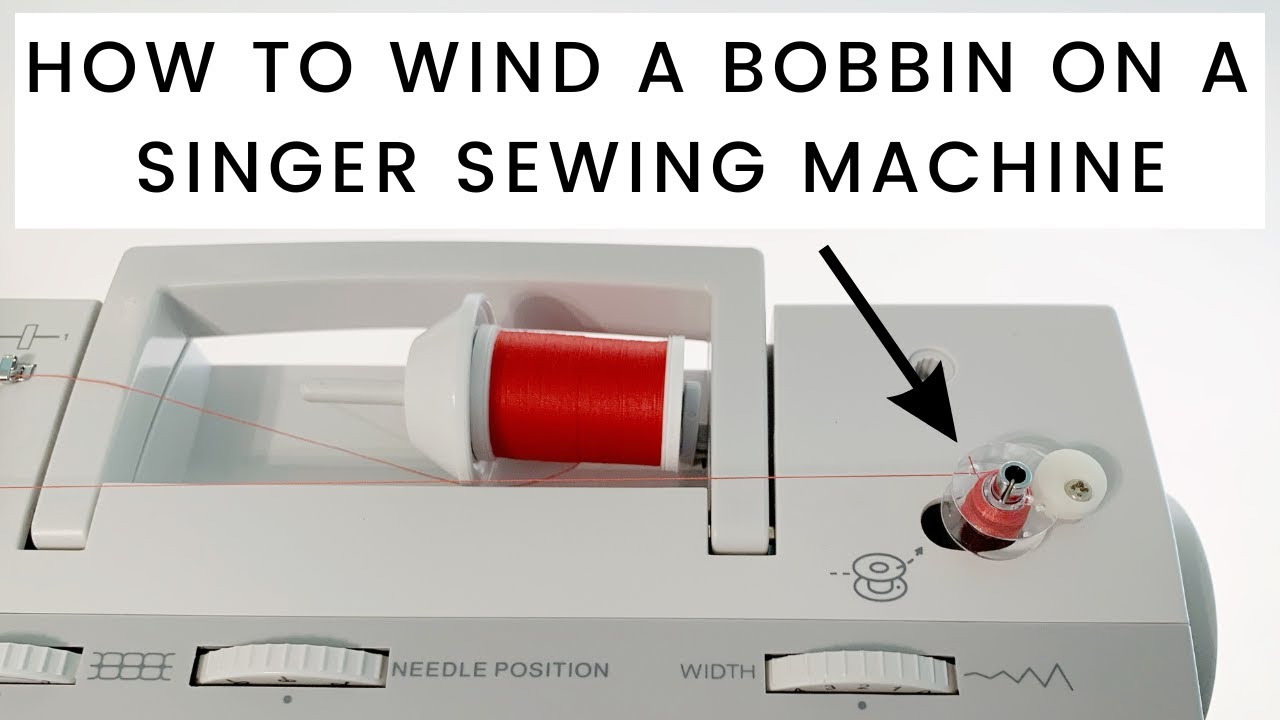
Image Source: i.ytimg.com
Getting Ready: Essential Supplies for Bobbin Winding
Before you begin winding a bobbin, gather these simple yet vital supplies:
- Your Sewing Machine: Ensure it’s plugged in and powered on.
- A Bobbin: Make sure it’s the correct type for your specific sewing machine. Check your machine’s manual if you’re unsure.
- Sewing Thread: Choose a good quality thread that matches your project.
- Thread Spool Pin: This is where your main spool of thread will rest.
- Bobbin Winder: Most sewing machines have a built-in bobbin winder.
- Scissors or Thread Cutter: For snipping the thread.
Choosing the Right Bobbin
There are various types of bobbins, and using the wrong one can cause significant problems.
| Bobbin Type | Common Material | Usage Notes |
|---|---|---|
| Plastic Bobbins | Plastic | Most common, suitable for general sewing. |
| Metal Bobbins | Metal | Durable, often used in older or heavy-duty machines. |
| Specialty Bobbins | Various | For specific machines or stitch types (e.g., quilting). |
Always refer to your sewing machine’s manual to confirm the correct bobbin type.
Selecting Your Sewing Thread
The type and quality of your sewing thread matter for smooth bobbin winding and strong stitches.
- All-Purpose Polyester Thread: This is the most common and versatile choice for everyday sewing. It’s strong and holds up well to washing and wear.
- Cotton Thread: Best for natural fabrics like cotton or linen. It can shrink and is less strong than polyester.
- Specialty Threads: Think embroidery thread, metallic thread, or invisible thread. These require careful handling during bobbin winding and may need specific needles.
For beginners, starting with a good quality all-purpose polyester thread is ideal.
The Step-by-Step Guide to Bobbin Winding
Now, let’s dive into the actual process of how to thread a bobbin in a sewing machine. It’s a straightforward procedure once you know the steps.
Step 1: Prepare Your Thread and Spool
- Place the Thread Spool: Take your spool of sewing thread and place it onto the spool pin of your sewing machine. Make sure the thread unwinds smoothly from the spool.
- Find the Thread Tail: Gently pull a few inches of thread from the spool. You’ll need this to start the winding process.
Step 2: Guide the Thread to the Bobbin Winder
This is where we connect the main thread supply to the bobbin winder.
- Locate the Bobbin Winder: Look for a small rod or spindle, usually located near the top of your sewing machine. It might be horizontal or vertical.
- Place the Bobbin on the Winder: Take an empty bobbin and slide it onto the bobbin winder spindle. Some machines have a small notch or a spring-loaded mechanism to secure the bobbin. Ensure it sits snugly.
- Thread Through the Winder: Now, take the thread tail you pulled from the spool and guide it towards the bobbin.
- Thread the Bobbin: Most machines require you to thread the sewing thread through a small hole or slot at the end of the bobbin. This secures the thread so it doesn’t unravel as you start.
- Wrap Around the Bobbin: After passing through the bobbin hole, wrap the thread around the bobbin a few times. This helps to create a firm base for the winding.
Step 3: Navigate the Thread Through the Tension Disc
This is a critical step for achieving even bobbin winding. The thread needs to pass through a tension mechanism designed for the bobbin winder.
- Locate the Tension Disc: On your bobbin winder, you’ll find a small, disc-like mechanism. It often looks like a tiny metal spring or a pair of metal plates.
- Thread the Disc: Take the thread tail and guide it through this tension disc. It usually involves sliding the thread between the two discs. You might need to use your finger to separate them slightly. The exact path will vary slightly between machine models, so consulting your manual is helpful here.
- Check the Tension: Once threaded, pull gently on the thread. You should feel a slight resistance. This tension is crucial for creating a balanced stitch.
Step 4: Engage the Bobbin Winder and Start Winding
- Engage the Winder: Your sewing machine has a mechanism to engage the bobbin winder. This usually involves pushing the bobbin winder spindle to one side (often towards the bobbin itself) or engaging a separate lever. You’ll know it’s engaged when the winder spindle is held firmly in place.
- Hold the Thread Tail: Before starting, hold the loose end of the thread firmly for the first few turns. This prevents the thread from becoming tangled at the start.
- Start Winding: Gently press the foot pedal to start your sewing machine. The bobbin winder will begin to spin, wrapping the thread around the bobbin.
- Maintain Even Tension: As the bobbin winds, try to keep the thread feeding smoothly from the spool. Avoid jerky movements.
Step 5: Monitor the Winding Process
- Observe the Winding: Watch the thread as it winds onto the bobbin. It should be building up evenly, layer by layer, without overlapping or becoming messy.
- Automatic Stop: Many modern sewing machines have an automatic stop feature. Once the bobbin is full, the winder will disengage. If your machine doesn’t have this, you’ll need to stop it manually.
- Stopping Manually: Listen to the sound of the winder. As the bobbin fills up, the pitch might change slightly. You can also visually check the bobbin. Stop the machine before the thread reaches the very top edge of the bobbin or starts to wind over the flanges. Overfilling can cause issues.
- Cut the Thread: Once winding is complete (either by automatic stop or manual intervention), snip the thread near the bobbin using your scissors or thread cutter.
Step 6: Remove the Wound Bobbin
- Disengage the Winder: Push the bobbin winder spindle back to its original position to disengage it.
- Remove the Bobbin: Carefully slide the wound bobbin off the winder spindle.
Congratulations! You have successfully wound a bobbin.
Advanced Tips for Perfect Bobbin Winding
While the basic steps are straightforward, a few advanced tips can elevate your bobbin winding from good to great.
Maintaining Even Thread Distribution
- Guide the Thread: Use your finger to guide the thread across the bobbin, ensuring it winds evenly from bottom to top. Don’t let it pile up on one side.
- Adjust Threading Path: If you notice uneven winding, re-check how the thread is passing through the tension disc and the bobbin hole. Small adjustments can make a big difference.
Dealing with Different Thread Types
- Embroidery or Specialty Threads: These threads can be more delicate or have unique textures. Wind them at a slightly slower speed and ensure they aren’t too tight or too loose on the bobbin.
- Thicker Threads: For thicker threads, you might need to wind fewer layers to avoid overfilling the bobbin.
Troubleshooting Common Bobbin Winding Issues
Sometimes, even with careful attention, you might encounter problems. Here are some common issues and their solutions:
- Bobbin Winds Unevenly:
- Cause: Thread not guided properly, tension issues.
- Solution: Re-thread the bobbin winder, paying close attention to the tension disc. Guide the thread manually across the bobbin.
- Thread Snaps During Winding:
- Cause: Thread snagged, tension too tight, poor quality thread.
- Solution: Check for snags on the spool or machine. Loosen the tension slightly. Try a different spool of thread.
- Bobbin Doesn’t Wind at All:
- Cause: Bobbin winder not engaged, machine not in bobbin winding mode, issue with the winder mechanism.
- Solution: Ensure the bobbin winder is fully engaged. Check your machine’s manual for specific instructions on engaging the winder. If the problem persists, the winder mechanism might need servicing.
- Thread Slips Off the Bobbin:
- Cause: Thread not secured in the bobbin hole at the start.
- Solution: Ensure you thread the tail through the bobbin hole and wrap it a few times before starting the winder.
Inserting the Wound Bobbin into the Bobbin Case
Once your bobbin is wound, it needs to be placed correctly into the bobbin case (or shuttle, depending on your machine type) for sewing.
For Front-Loading Bobbins (Drop-in Bobbins)
Many modern machines feature a “drop-in” bobbin system.
- Remove the Bobbin Cover: Lift off the small plate that covers the bobbin area.
- Remove the Empty Bobbin: If there’s an empty bobbin already in place, remove it.
- Place the Wound Bobbin: Hold your wound bobbin so the thread unwinds from the front (towards you).
- Guide the Thread: Follow the path indicated by the arrows or diagrams usually found on the bobbin case or the machine itself. This typically involves looping the thread through a small slit or a tension spring.
- Leave a Tail: Leave a tail of thread about 4-6 inches long hanging out.
- Replace the Bobbin Cover: Snap the bobbin cover back into place.
For Front-Loading Bobbins with a Removable Bobbin Case
Some machines have a removable bobbin case.
- Unlock and Remove the Bobbin Case: Locate the latch or lever that holds the bobbin case in place and gently pull it out.
- Insert the Wound Bobbin: Hold the wound bobbin so the thread unwinds from the front.
- Guide the Thread: Feed the thread through the tension slot in the removable bobbin case. You should feel a slight resistance.
- Ensure Correct Orientation: The bobbin should sit snugly within the case.
- Reinsert the Bobbin Case: Slide the bobbin case back into its housing until it clicks into place.
For Rear-Loading Bobbins (Classic Drop-in Style)
Older machines or specific models might have a different setup.
- Locate the Bobbin Shuttle: This is often a small metal or plastic piece that holds the bobbin.
- Insert the Wound Bobbin: Place the wound bobbin into the bobbin shuttle.
- Guide the Thread: You’ll typically need to thread the thread through a small slit or notch in the bobbin shuttle. This creates the necessary tension.
- Hold the Tail: Keep a light hold on the thread tail.
- Insert the Bobbin Shuttle: Gently slide the bobbin shuttle, with the bobbin inside, into its designated compartment under the needle plate. It usually clicks or slots into place.
Frequently Asked Questions About Bobbin Winding
Here are answers to some common questions new sewers have about how to thread a bobbin in a sewing machine.
Q1: Why is my bobbin winding unevenly?
A: Uneven winding often happens when the thread isn’t guided properly through the tension disc or across the bobbin. Try re-threading the winder and gently guide the thread with your finger to ensure it distributes evenly. Also, check if your bobbin is seated correctly on the winder spindle.
Q2: Can I use any kind of thread to wind a bobbin?
A: While you can technically wind any thread, it’s best to use good quality sewing thread that matches your project. Specialty threads like metallic or embroidery threads might require specific winding techniques or slower speeds to avoid breakage or tangling. For general sewing, all-purpose polyester is ideal for both the top and the bobbin.
Q3: My sewing machine won’t wind the bobbin. What’s wrong?
A: First, ensure the bobbin winder spindle is fully engaged. There’s usually a lever or a push mechanism to activate it. Make sure your machine is also in a mode that allows bobbin winding (sometimes the needle might need to be lifted, or a switch flipped). If these steps don’t help, check your machine’s manual for specific troubleshooting for the bobbin winder.
Q4: How much thread should be on a bobbin?
A: Wind the bobbin until it’s nearly full, but not overflowing. The thread should reach close to the top edge of the bobbin, but not extend over the sides or flanges. Most machines have an automatic stop, or you can stop it manually when it looks full. Overfilling can cause stitching problems.
Q5: What is the purpose of the tension disc on the bobbin winder?
A: The tension disc provides the necessary resistance to the thread as it winds onto the bobbin. This resistance ensures the thread is wound at the correct tension, which is crucial for creating balanced stitches when you start sewing. If the tension is too loose or too tight, it can lead to skipped stitches or thread breakage.
Q6: How do I know if I have the correct bobbin for my machine?
A: The best way to know is to consult your sewing machine’s manual. It will specify the exact type, size, and material of bobbins compatible with your model. Using the wrong bobbin can cause the machine to jam, skip stitches, or even damage the bobbin case or the bobbin shuttle.
Q7: My bobbin thread is breaking during sewing. What could be the cause?
A: Bobbin thread breaking can stem from several issues. Ensure the bobbin is wound evenly and not overfilled. Check that the thread is properly threaded through the bobbin case or shuttle and that the tension is correctly set. Also, inspect the bobbin case for any burrs or rough spots that might be snagging the thread. Sometimes, a dull needle can also cause thread breakage.
By following these comprehensive steps and tips, you’ll master the art of bobbin winding in no time, laying a solid foundation for all your sewing endeavors. Happy stitching!