
Can I thread a Singer sewing machine? Absolutely! Threading a Singer sewing machine is a fundamental skill for any sewer. It’s the first step in transforming fabric and thread into something beautiful. This guide will walk you through Singer sewing machine threading step-by-step, ensuring you can get your machine ready to stitch with confidence. We’ll cover everything from preparing your machine to troubleshooting common issues. Whether you’re new to sewing or looking for a refresher, this comprehensive sewing machine threading guide Singer is for you.
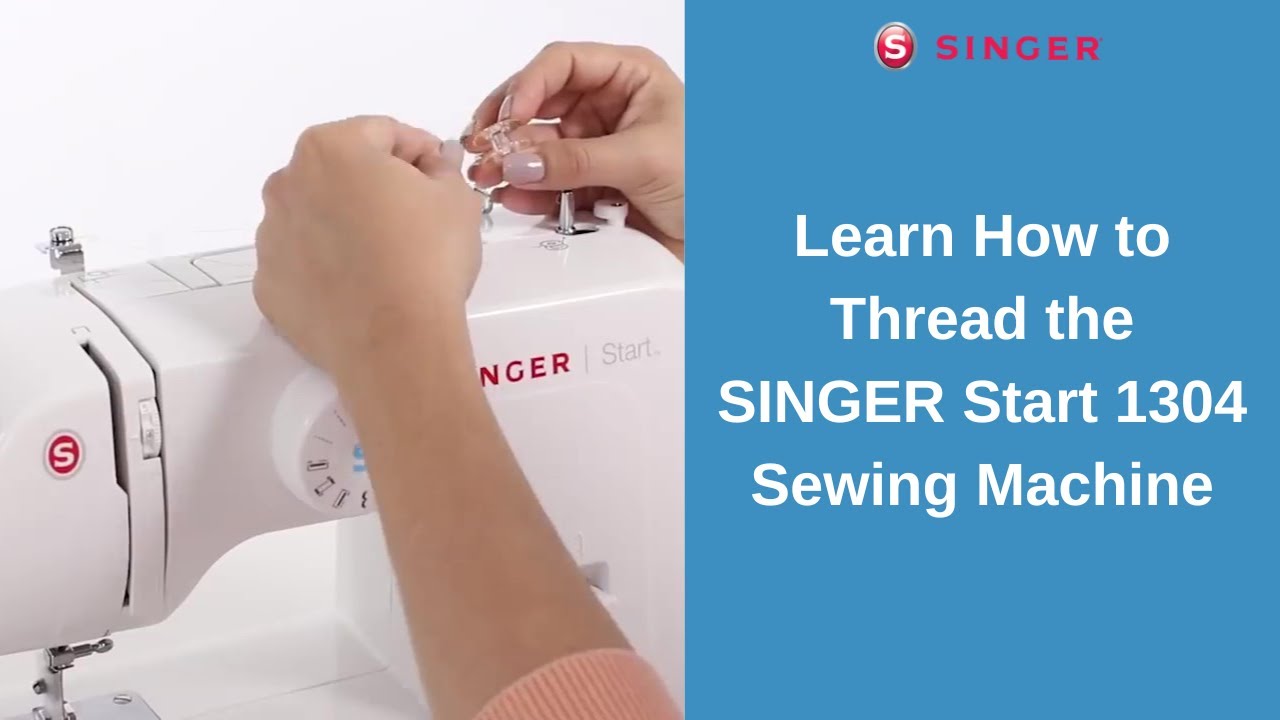
Image Source: i.ytimg.com
Getting Started: Essential Singer Sewing Machine Parts
Before we dive into how to thread Singer machines, let’s familiarize ourselves with the key Singer sewing machine parts involved in the threading process. Knowing these components will make following the steps much easier.
- Spool Pin: This is where you place your spool of thread.
- Thread Guides: These are small loops or slots that direct the thread from the spool to the needle.
- Tension Discs: These two metal discs squeeze the thread, controlling how tightly it’s pulled.
- Take-Up Lever: This arm moves up and down, carrying the thread through the machine.
- Needle Clamp Screw: This screw holds the needle in place.
- Needle: The pointed part that pierces the fabric.
- Presser Foot: This foot holds the fabric in place while you sew.
- Bobbin: A small spool that holds the lower thread.
- Bobbin Case: This holds the bobbin and is inserted into the bobbin area.
Step-by-Step: Singer Sewing Machine Threading
The process for threading a Singer sewing machine can vary slightly depending on the specific model. However, the general principles remain the same. We’ll cover the most common method, which is applicable to a wide range of Singer machines. For specific instructions, always refer to your Singer sewing machine manual.
Step 1: Prepare Your Machine and Thread
- Turn Off the Machine: Always ensure your sewing machine is switched off and unplugged before you start. Safety first!
- Raise the Presser Foot: Lift the presser foot using the presser foot lifter. This opens up the tension discs, allowing the thread to pass through them smoothly.
- Raise the Take-Up Lever: Turn the handwheel towards you until the take-up lever is in its highest position. This is crucial for proper thread path.
- Select Your Thread: Choose a good quality sewing thread that matches your fabric and project. Ensure the spool is wound evenly.
- Place the Spool: Place your spool of thread onto the spool pin. Make sure the thread unwinds in the correct direction as indicated by your machine’s threading diagram (usually counter-clockwise). Some machines have a vertical spool pin, while others have a horizontal one.
Step 2: Winding the Bobbin (Singer Bobbin Winding)
Before you can thread the machine, you’ll need a wound bobbin. Winding bobbins Singer is a straightforward process.
- Place a Bobbin on the Bobbin Winder Spindle: Locate the bobbin winder spindle, often a small rod with a spring-loaded clip or a groove. Push a bobbin onto it.
- Thread the Bobbin:
- Bring the end of the thread from your spool.
- Guide it through the bobbin winder thread guide.
- Thread the thread through one of the holes in the bobbin.
- Pull a small amount of thread through the bobbin hole.
- Hold the thread end firmly against the bobbin.
- Engage the Bobbin Winder:
- Some machines have a separate bobbin winder clutch. You might need to push the bobbin winder spindle to the right or left to engage it. On other machines, you might press a button.
- You may also need to disengage the main sewing mechanism so the needle doesn’t move. Check your manual for this step.
- Start Winding: Gently press the foot pedal. The bobbin will start to wind. Once it gets going, you can trim the excess thread close to the bobbin.
- Wind Evenly: Keep an eye on the winding process to ensure the thread winds evenly onto the bobbin. Most machines have a guide or mechanism to help with this.
- Stop Winding: Once the bobbin is full or you have enough thread, release the foot pedal.
- Disengage and Trim: Disengage the bobbin winder. Cut the thread, leaving a tail. Remove the wound bobbin.
Table: Bobbin Winding Tips
| Tip | Description |
|---|---|
| Use the right bobbin | Always use the correct type and size of bobbin for your Singer sewing machine. Incorrect bobbins can damage the machine. |
| Wind evenly | Ensure the thread is wound smoothly and evenly across the bobbin for consistent tension. |
| Don’t overfill | Overfilling can cause tangles and issues with bobbin placement. Stop when the bobbin is nearly full. |
| Secure the thread tail | Leave a short tail of thread when you’re done winding to prevent it from unraveling. |
| Use matching thread | For best results, use thread of the same weight and color for both the spool and the bobbin. |
Step 3: Threading the Upper Thread
Now, let’s get the upper thread ready. This is where accurate Singer sewing machine threading is key.
- Follow the Thread Path: Look for the numbered or clearly marked thread path on your machine. This diagram is your best friend.
- First Thread Guide: Guide the thread from the spool through the first thread guide, usually located near the spool pin.
- Around the Tension Discs: This is a critical step. You need to make sure the thread passes between the two tension discs.
- Bring the thread down and loop it around the tension discs. The thread should enter from the front, go around the discs, and come back out.
- Ensure the thread is firmly seated in the groove of the tension discs.
- Through the Take-Up Lever: Guide the thread up and through the eye of the take-up lever. Make sure it goes from right to left or left to right, depending on your machine’s design, and sits in the groove.
- More Thread Guides: Continue guiding the thread down through any subsequent thread guides. These are usually small metal loops or plastic slots.
- Needle Thread Guide: Finally, bring the thread down to the needle. There might be a final thread guide close to the needle.
- Threading a Needle Singer: This is where precision matters most.
- Use a Needle Threader (if available): Most modern Singer machines come with a built-in needle threader. Follow your machine’s specific instructions for using it. Typically, you’ll guide the thread into a hook, lower the threader arm, and the hook will push the thread through the needle’s eye.
- Manual Threading: If you don’t have a needle threader, or it’s not working, you’ll need to thread the needle by hand.
- Cut the thread end cleanly with sharp scissors. A slightly angled cut can make it easier to insert.
- Hold the needle firmly.
- Bring the thread end up to the eye of the needle.
- Pass the thread through the eye from front to back. Some people find it easier to thread from back to front. Experiment to see what works best for you.
- A small amount of saliva or beeswax on the thread end can help prevent fraying and make it easier to thread.
- Pull Through a Tail: Once threaded, pull about 4-6 inches of thread through the needle’s eye.
Step 4: Threading the Bobbin (Lower Thread)
This is the other half of the Singer sewing machine threading equation.
- Insert the Bobbin:
- Open the bobbin cover or shuttle cover. This might be a metal plate on the sewing bed or a removable plastic cover.
- Place the wound bobbin into the bobbin case or bobbin holder. The bobbin should be oriented so that the thread unwinds in the correct direction (usually counter-clockwise when looking from the top). Check your machine’s manual for the specific bobbin insertion direction.
- There is usually a small notch or slot on the bobbin case or bobbin area. Guide the thread into this notch.
- Pull the Bobbin Thread:
- Hold the tail of the upper thread with your left hand.
- Turn the handwheel towards you (counter-clockwise). This will lower the needle and catch the bobbin thread.
- As the needle goes down and then comes back up, it will loop the bobbin thread.
- Gently pull the upper thread to bring the bobbin thread loop up through the needle plate.
- Use your fingers or tweezers to pull the entire loop of bobbin thread through.
- Position the Threads:
- Pull both the upper thread and the bobbin thread towards the back of the machine, under the presser foot.
- Ensure about 4-6 inches of both threads are trailing behind the presser foot.
Step 5: Final Checks and First Stitches
- Lower the Presser Foot: Lower the presser foot to its normal sewing position.
- Check Tension: The tension should feel balanced. If the stitches look loopy on one side or the other, you may need to adjust the tension discs. We’ll touch on this in troubleshooting.
- Test Stitch: Before sewing your project, test stitch on a scrap piece of fabric. This allows you to check the stitch quality and make any necessary adjustments.
Threading Specific Singer Models
While the general principles are consistent, threading a Singer Model can have slight variations. It’s always best to consult your specific model’s manual for precise instructions. However, here are a few common Singer types and their potential threading nuances:
Threading a Singer Model [Model Number] (e.g., Singer Simple, Singer Tradition)
These entry-level machines often follow a very standard threading path. The numbers on the machine casing are usually clear indicators.
- Upper Thread: Spool pin -> Thread guide near spool pin -> Tension discs -> Take-up lever -> Lower thread guides -> Needle.
- Bobbin: Insert bobbin with thread unwinding counter-clockwise (usually) -> Guide thread through notch -> Pull thread up with upper thread.
Threading a Singer Model [Model Number] (e.g., Singer Heavy Duty)
Singer Heavy Duty machines are built for tougher fabrics, and their threading process is generally similar to standard models, but ensure the thread path is robust and clear.
- Upper Thread: Follow the numbered guides precisely. Heavy Duty models might have slightly different thread guide placements.
- Bobbin: Ensure the bobbin is seated correctly to handle the increased tension and potential for thicker threads.
Threading a Singer Model [Model Number] (e.g., Singer Quantum Stylist)
More advanced Singer machines, like the Quantum Stylist series, often have more complex thread paths and may include advanced features like automatic needle threaders.
- Upper Thread: Pay close attention to any additional thread guides or channels designed for specific stitch functions. The take-up lever path is particularly important.
- Bobbin: Ensure the bobbin is seated firmly. These machines might have specific instructions for engaging the bobbin winder.
If you are threading a Singer Model [Model Number] and are unsure, always refer to your specific user manual. You can usually find these manuals online on the Singer website by searching for your model number.
Common Threading Issues and Solutions
Even with the best guidance, you might run into a few hiccups. Here are some common problems and how to fix them.
Issue: Thread is not going through the tension discs.
- Why it happens: The presser foot is down, or the thread isn’t properly seated in the grooves of the tension discs.
- Solution:
- Ensure the presser foot is up.
- Re-thread the upper thread, making sure it passes between the tension discs and is firmly in the groove. Gently pull the thread to feel the resistance from the discs.
Issue: Thread is looping on the underside of the fabric.
- Why it happens: The upper thread is not properly tensioned, or the bobbin is not threaded correctly.
- Solution:
- Re-thread the upper thread, paying close attention to the tension discs and take-up lever.
- Check that the bobbin is inserted correctly and the thread is guided through the bobbin case notch.
- Ensure the bobbin thread tail is pulled through.
Issue: Thread is breaking.
- Why it happens: Several reasons! The needle could be blunt, bent, or inserted incorrectly. The thread could be tangled on the spool, or the tension might be too tight.
- Solution:
- Check the Needle: Replace the needle with a new, sharp one of the correct type for your fabric. Ensure it’s inserted all the way up and secured with the needle clamp screw (flat side facing the correct direction as per your manual).
- Check Thread: Make sure the thread isn’t snagged on the spool or tangled.
- Adjust Tension: If the tension is too high, it can cause thread breakage. Loosen the upper tension slightly.
- Re-thread: Sometimes, a complete re-thread of both upper and bobbin threads can resolve the issue.
Issue: Bobbin thread is not picking up.
- Why it happens: The upper thread is not catching the bobbin thread. This is often due to incorrect threading or the needle being in the wrong position.
- Solution:
- Ensure the take-up lever is in its highest position before starting to thread the upper thread.
- Double-check that the upper thread has been pulled correctly through the take-up lever and all other guides.
- Make sure the bobbin is inserted with the thread unwinding in the correct direction.
- Turn the handwheel towards you to pick up the bobbin thread.
Issue: Uneven stitches.
- Why it happens: The tension is unbalanced between the upper thread and the bobbin thread, or the fabric is not feeding evenly.
- Solution:
- Tension Adjustment: This is the most common cause.
- If the stitches look like loops on the top of the fabric, the bobbin tension might be too loose, or the upper tension too tight. Try tightening the bobbin case screw slightly (a tiny turn can make a difference). Or loosen the upper tension dial.
- If the stitches look like loops on the bottom of the fabric, the upper tension might be too loose, or the bobbin tension too tight. Try tightening the upper tension dial.
- Needle Type: Using the wrong type of needle for your fabric can also cause uneven stitches.
- Fabric Feeding: Ensure the feed dogs are engaged and the presser foot is providing even pressure.
- Tension Adjustment: This is the most common cause.
Table: Troubleshooting Common Threading Issues
| Problem | Likely Cause | Solution |
|---|---|---|
| Thread not going through tension discs | Presser foot down, thread not in tension disc grooves | Lift presser foot, re-thread upper thread ensuring it’s between discs. |
| Looping on underside of fabric | Upper thread tension too loose, or bobbin threaded incorrectly | Check upper thread path, ensure bobbin is inserted correctly, adjust upper tension. |
| Thread breaking | Blunt/bent needle, tangled thread, incorrect needle insertion, tension too high | Replace needle, check thread for tangles, re-thread, adjust tension. |
| Bobbin thread not picking up | Upper thread not catching bobbin thread, incorrect needle position | Ensure take-up lever is at highest point, re-thread upper and bobbin threads, turn handwheel towards you. |
| Uneven stitches | Unbalanced tension, wrong needle type, fabric feeding issues | Adjust upper/bobbin tension, use correct needle for fabric, ensure feed dogs are up and presser foot is firm. |
Maintaining Your Singer Sewing Machine for Smooth Threading
Regular maintenance is key to ensuring your Singer sewing machine threads smoothly every time.
Cleaning
- Lint Removal: After each use, especially after sewing through linty fabrics like cotton or fleece, clean out any lint that may have accumulated around the bobbin area and feed dogs. Use a small brush or tweezers.
- Needle Plate and Bobbin Area: Wipe down the needle plate and the area where the bobbin case sits with a dry, soft cloth.
Oiling
- Refer to your Singer sewing machine manual for specific oiling points. Oiling helps moving parts run smoothly, preventing thread snagging and breakage. Don’t over-oil, as excess oil can attract lint.
Needle Replacement
- Change your needle regularly. A dull or damaged needle is a primary cause of skipped stitches, thread breakage, and fabric damage. For most home sewing, changing the needle every 8-10 hours of sewing time or every few projects is a good rule of thumb.
Frequently Asked Questions (FAQ) about Singer Sewing Machine Threading
Q1: What is the correct way to thread a Singer sewing machine?
A1: The correct way involves threading the upper thread through the spool pin, thread guides, tension discs, take-up lever, and finally the needle, ensuring the presser foot is up and the take-up lever is at its highest point. Then, the bobbin is inserted correctly, and its thread is pulled up to meet the upper thread.
Q2: Why does my Singer sewing machine keep unthreading?
A2: This usually happens if the presser foot is down during threading, the take-up lever is not in the highest position, or the thread is not properly seated in the tension discs or guides.
Q3: Can I use any thread to thread my Singer sewing machine?
A3: While you can technically thread any thread, it’s best to use good quality sewing thread that is appropriate for your fabric and machine. Very cheap or old thread can be prone to breaking and linting.
Q4: How do I know if my Singer bobbin winding is correct?
A4: Your Singer bobbin winding is correct if the thread is wound evenly across the bobbin, not too loose or too tight, and the bobbin is not overfilled. The thread should unwind smoothly from the wound bobbin.
Q5: My Singer sewing machine skips stitches. What should I do?
A5: Skipped stitches are often caused by a dull or bent needle, incorrect needle insertion, or the needle being the wrong type for the fabric. Try replacing the needle and ensuring it’s inserted correctly. Re-threading the machine can also help.
Q6: How do I thread a Singer sewing machine without a needle threader?
A6: To thread a Singer sewing machine without a needle threader, cut the thread end cleanly, hold the needle firmly, and carefully guide the thread through the eye of the needle from front to back or back to front. You can moisten the thread end slightly to prevent fraying.
Q7: What is the difference between threading a top-loading bobbin Singer and a front-loading bobbin Singer?
A7: The main difference is the location of the bobbin case. Top-loading systems have a clear cover over the bobbin area, making it easier to see how much bobbin thread you have left. Front-loading systems require you to open a small door to access the bobbin. The threading process for the bobbin itself (inserting and pulling the thread) is very similar, but the placement of the bobbin and bobbin case differs.
Mastering Singer sewing machine threading is a key step in your sewing journey. With a little practice and attention to detail, you’ll be threading your machine quickly and efficiently, ready to tackle any creative project. Happy sewing!