
Setting up your Brother sewing machine for sewing means getting ready. One key thing is the bobbin. The bobbin holds the thread for the bottom side of your stitch. Before you can sew, the bobbin needs thread on it. This guide shows you the easy steps to wind the bobbin on a Brother sewing machine.
Why is winding a bobbin important? It holds the thread you need for sewing. Can you wind a bobbin without threading the needle? Yes, absolutely! The process of winding the bobbin uses a separate thread path and mechanism on your machine. Where is the bobbin winder? On most Brother sewing machines, you’ll find the bobbin winder spindle near the top or front of the machine, often on the right side.
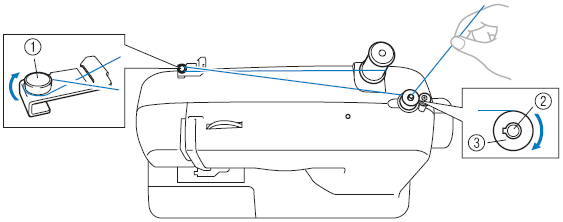
Image Source: support.brother.com
Why Wind Your Bobbin Right?
Winding your bobbin is a simple task. But doing it the right way is a big deal for your sewing. A bobbin wound correctly helps your stitches look good. It helps the machine work smoothly.
Think of the bobbin as the base for your sewing. The thread from the bobbin meets the needle thread. They lock together to make a stitch. If the bobbin thread is not right, your stitches will be wrong. They can be loose. They can be tight. They can skip stitches.
Winding the bobbin wrong can also cause problems with your machine. Thread can get tangled. It can break. This stops your sewing fun. So, taking a few moments to wind the bobbin well saves time later. It stops headaches. It makes your sewing time happy time.
A properly wound bobbin has thread wrapped neatly and evenly. The thread tension on the bobbin should be just right. Not too loose, not too tight. This helps the thread feed out smoothly when you sew.
Parts You Need To Know
To wind the bobbin, you need to find specific parts on your Brother sewing machine. Knowing the names of these parts helps you follow the steps easily. Here are the main Brother sewing machine parts you will use:
- Spool Pin: This is where you put the spool of thread you want to wind onto the bobbin. Machines usually have one or two. They can be upright or lie flat.
- Thread Guides: These are little hooks or loops the thread passes through. They help guide the thread from the spool to the bobbin winder. They make sure the thread goes where it needs to go.
- Bobbin Tension Disc (or pretension disc): This is a small disc or set of discs. The thread goes between them. They add a little pull or tension to the thread as it winds. This makes the thread wind tightly and evenly onto the bobbin.
- Bobbin Winder Spindle: This is a small metal or plastic stick. You put the empty bobbin onto this spindle. This spindle spins very fast to wrap the thread onto the bobbin.
- Bobbin Winder Stopper (or lever): This is a small part, often a lever or knob near the bobbin winder spindle. You push the spindle towards this stopper to start winding. It often moves away automatically when the bobbin is full.
- Foot Pedal: This controls the speed of your machine. For winding, you press it like you do for sewing.
- Start/Stop Button (if your machine has one): Some machines have a button instead of a foot pedal. You can use this to start and stop winding.
- Handwheel: This large wheel on the side of the machine moves the needle up and down. For bobbin winding, you often pull it out or push it in to stop the needle from moving while the bobbin winds.
Knowing these Brother sewing machine parts makes the winding process clear. You will know exactly where to put the thread and the bobbin.
Getting Ready for Bobbin Winding
Before you start winding, do a few quick things. This helps make sure the winding goes well. This is part of setting up for bobbin winding.
Gather Your Stuff
You don’t need much. Just grab these things:
- Your Brother sewing machine. Make sure it’s plugged in.
- A spool of thread. This is the thread color you need for your project.
- An empty bobbin that fits your Brother machine. It’s important to use the right type of bobbin. Using the wrong bobbin can cause big problems. Brother machines usually use plastic bobbins, but check your manual.
Check Your Machine
Make sure your machine is ready.
- Turn the power switch on.
- Check that the needle is up. Use the handwheel if needed.
- Find your foot pedal or start/stop button.
Position Your Thread Spool
This is about the spool pin setup. Your machine might have a spool pin that stands up straight. Or it might have one that lies down sideways.
- Upright Spool Pin: Slide the spool of thread onto the upright pin. Make sure the thread comes off the spool in the right direction. Look at the end of the thread spool. Is there a little cut or notch? Sometimes the thread should come off so it doesn’t catch on that notch. Or sometimes it should come off so it does catch, depending on the machine’s design. Check your machine’s manual to be sure. Often, for upright pins, the thread comes off the front or top. Place a spool cap (a little plastic disc) onto the pin after the spool. This stops the thread from bouncing off.
- Horizontal Spool Pin: Place the spool onto the pin that lies flat. Again, check the thread direction. Usually, the thread comes off the front of the spool towards the machine. Put a spool cap on the end of the pin to hold the spool on. Make sure the spool cap is the right size for the spool. Using the wrong size can make the thread snag.
Getting the spool pin setup right helps the thread feed smoothly. This stops snags and breaks during winding.
How To Thread for Bobbin Winding
Threading for bobbin winding is different from threading the machine for sewing. The thread follows a special sewing machine thread path just for winding bobbins. Look closely at the top of your machine. You will see pictures or numbers showing this path. Follow these guides carefully.
Step-by-Step Threading
- Thread from the Spool: Take the end of the thread from the spool you just put on the spool pin.
- First Thread Guide: Find the first thread guide for bobbin winding. This is often a hook or a loop near the spool pin. Pull the thread through or under this guide. This guide starts directing the thread.
- The Bobbin Tension Disc: This is a very important step. Find the bobbin tension disc. It looks like a round knob or a small channel on the machine’s top. The diagram on your machine will show you where to put the thread. Often, you wrap the thread around this disc. The thread needs to go between the parts of the disc. This creates the needed pull on the thread. This tension is key for winding a tight, even bobbin. Passing the thread incorrectly here is a common cause of uneven bobbin winding or loose bobbins. Make sure the thread is seated correctly inside the tension disc. You should feel a slight resistance when you pull the thread through it.
- Towards the Spindle: After the bobbin tension disc, the thread path goes towards the bobbin winder spindle. There might be another guide here. Follow the line or number on your machine’s body.
This completes the basic threading for bobbin winding. The thread is now ready to go onto the bobbin.
Putting the Bobbin On The Spindle
Now you will put the empty bobbin onto the bobbin winder spindle.
- Get an Empty Bobbin: Pick up an empty bobbin that fits your machine. Look at the bobbin. You will see a small hole or maybe two on one side.
- Thread Through the Bobbin Hole: Take the end of the thread that is coming from the bobbin tension disc. Pass the end of this thread through one of the small holes in the top of the empty bobbin. Push it through from the inside to the outside. Leave about 3-4 inches of thread sticking out. This tail of thread is important. It helps the thread catch and start winding.
- Place Bobbin on Spindle: Slide the bobbin onto the bobbin winder spindle. Push it down firmly so it sits flat.
- Engage the Winder: This is how you tell the machine you want to wind the bobbin, not sew. Push the bobbin winder spindle firmly towards the right (or sometimes the left, check your machine). You will often hear a small click. The spindle locks into place near the bobbin winder stopper. When you do this, the machine often stops the sewing needle from moving. This makes sure all the power goes to spinning the bobbin winder spindle. This is how the automatic bobbin winder gets ready to work.
Now the bobbin is on the spindle, threaded, and the winder is engaged. You are ready to start winding.
Starting the Bobbin Winder
With the bobbin in place and the winder engaged, you can start the machine.
- Hold the Thread Tail: Hold onto the tail of thread you pulled through the bobbin hole. Keep a gentle hold on it. Holding this tail for the first few turns helps the thread wrap neatly onto the bobbin. It stops the thread from tangling at the start.
- Press the Foot Pedal or Button: Gently press your foot pedal or push the start button. The bobbin winder spindle will start to spin. It will spin quite fast.
- Watch the First Wraps: The thread will start wrapping around the bobbin. Hold the thread tail for just a few seconds. After the bobbin has turned maybe 5 to 10 times, you can let go of the thread tail. The thread wraps will trap the tail, holding it in place. You can then trim the tail close to the bobbin if you like, but it’s okay to just let go.
- Control the Speed: You can control how fast the bobbin winds by how hard you press the foot pedal. It’s often best to start slowly. Once the thread is catching well, you can press harder to wind faster. However, winding too fast can sometimes lead to uneven bobbin winding or thread tangles with some thread types. Find a speed that works well for your machine and thread.
The automatic bobbin winder feature on your Brother machine means you don’t need to guide the thread onto the bobbin yourself. As the bobbin spins, the bobbin winder stopper assembly helps the thread lay back and forth across the bobbin. This makes the thread wind evenly from side to side.
Watching the Winding Process
As the bobbin spins, watch how the thread wraps.
- Check for Evenness: Look at how the thread is layering onto the bobbin. Is it winding smoothly from one edge to the other? Is it filling the bobbin evenly? A correctly wound bobbin will have thread stacked neatly and flat across the bobbin core. The thread will not be piled up only in the middle. It will not be thick on one side and thin on the other. This is key to preventing uneven bobbin winding.
- Check Thread Tension: The thread should be winding onto the bobbin firmly. It shouldn’t be loose and puffy. It also shouldn’t be so tight that the thread stretches or breaks. The bobbin tension disc helps set this. If your bobbin is winding too loose or too tight, check that the thread is correctly seated in the bobbin tension disc. If it is, and the problem continues, your machine might need a check-up, but this is rare.
- Watch the Bobbin Fill: Keep an eye on the bobbin as it fills up. The thread will build up on the bobbin.
- Automatic Stop: Most Brother machines have an automatic bobbin winder. When the bobbin gets full, the thread will push against the bobbin winder stopper. This causes the bobbin winder spindle to move slightly away from the stopper. This movement automatically stops the winding. The spindle stops spinning. This is a great feature. It stops you from overfilling the bobbin. Overfilling can cause problems when the bobbin goes into the machine.
If your machine does not have an automatic stop, or if you want to wind only a partial bobbin, you will need to watch and stop it yourself.
Stopping the Winding and Cutting Thread
Once the bobbin is full or has enough thread, you need to stop the winding.
- Machine Stops: If your machine has the automatic bobbin winder stop, the spindle will stop spinning on its own when full.
- Manual Stop: If you are stopping it yourself (either because your machine doesn’t stop automatically, or you only want a partial bobbin), take your foot off the pedal or press the start/stop button again. The bobbin winder spindle will stop spinning.
- Disengage the Winder: Push the bobbin winder spindle back to its original position. This is usually towards the left, away from the bobbin winder stopper. You will hear another click. This makes the needle ready to sew again (if the handwheel was disengaged).
- Remove the Bobbin: Take the wound bobbin off the spindle.
- Cut the Thread: The thread still connects the bobbin to the spool. Your machine might have a little cutter built into the bobbin winder area. Slide the thread into this cutter to snip it. If there is no cutter, use scissors to cut the thread. Cut the thread between the spool and the newly wound bobbin. Leave a little tail of thread on the bobbin, maybe 3-4 inches.
You now have a perfectly wound bobbin ready for loading the bobbin into your machine.
What If Something Goes Wrong? Troubleshooting
Sometimes, winding doesn’t go perfectly. Here are some common problems and what to do. Knowing your Brother sewing machine parts helps here.
Uneven Bobbin Winding
This is a common issue. The thread piles up in the middle. Or it’s thick on one side and thin on the other.
* Check Thread Path: Is the thread going through all the correct guides? Did you miss one? Go back and re-thread just for winding. Follow the sewing machine thread path shown on your machine.
* Check Bobbin Tension Disc: Is the thread correctly wrapped around or through the bobbin tension disc? The thread must be between the discs to get tension. If it’s just sitting on top or looped loosely, it won’t wind evenly. Re-seat the thread firmly in the tension disc.
* Bobbin Type: Are you using the correct bobbin for your Brother machine? Different bobbins have different shapes and sizes. Using the wrong one can mess up the winding. Check your manual.
* Thread Spool: Is the thread coming off the spool smoothly from the spool pin setup? Is the spool cap holding it on? Is the thread catching on a notch in the spool?
* Winder Engagement: Is the bobbin winder spindle pushed fully into the winding position? It needs to lock into place so the automatic winder can move the thread back and forth.
Bobbin Winds Too Loose or Too Tight
- Bobbin Tension Disc: This is almost always the cause. The thread must be pulled tight enough by the bobbin tension disc. If the thread is not seated in the disc, the bobbin will be loose and puffy. If the tension disc is somehow too tight (less common), the thread could stretch or break while winding. Make sure the thread is correctly in the disc. On some older machines, you might be able to adjust the tension slightly, but on most modern Brother machines, this disc provides fixed tension for winding.
- Winding Speed: Winding too fast can sometimes lead to slightly looser winding, especially with slippery threads. Try winding at a medium speed.
Thread Breaks While Winding
- Bad Thread: Is your thread old? Is it weak? Try a different spool of thread.
- Incorrect Thread Path: Is the thread snagging anywhere along the sewing machine thread path for winding? Check all guides.
- Bobbin Tension Disc: Is the tension disc too tight? Is the thread catching on the disc edge? Re-thread carefully.
- Sharp Edges: Check for any nicks or sharp spots on the spool pin, guides, or bobbin winder spindle. Smooth plastic parts can sometimes get worn.
Bobbin Winder Spindle Won’t Spin
- Machine Power: Is the machine on and plugged in?
- Winder Engaged: Is the bobbin winder spindle pushed all the way into the winding position? It must click into place.
- Handwheel: On some machines, you need to pull the handwheel out to engage the winder and stop the needle. Check your manual. If the handwheel is pushed in, the machine might be trying to sew instead of winding.
- Foot Pedal/Button: Are you pressing the foot pedal or the start button?
Bobbin Winder Doesn’t Stop Automatically
- Bobbin Full: Is the bobbin truly full? The automatic stop engages when the thread reaches a certain level.
- Winder Stopper: Is there thread or debris blocking the bobbin winder stopper? Is the bobbin winder spindle pushed fully towards the stopper?
- Faulty Part: In rare cases, the automatic stop mechanism might be broken.
Most issues with uneven bobbin winding or other problems can be fixed by carefully re-threading the machine for winding and checking the position of the bobbin and spindle. Always refer to your specific Brother sewing machine manual. It has diagrams showing the exact sewing machine thread path and bobbin winder location for your model.
Tips for Perfect Bobbin Winding
Here are some extra tips to help you get a great bobbin every time:
- Use the Right Bobbin: This is super important. Use only bobbins made for your specific Brother machine model. They look similar, but tiny differences in size or shape can cause big problems with tension and winding.
- Match Thread and Bobbin: Use the same type of thread on the bobbin as you are using for the needle (in most cases).
- Wind a Full Bobbin: Unless you only need a little bit of thread, wind the bobbin until the automatic winder stops it. A fuller bobbin often gives more consistent tension while sewing.
- Watch and Learn: Pay attention the first few times you wind. See how the automatic bobbin winder lays the thread. See how the bobbin tension disc works. This helps you spot problems early.
- Clear the Area: Make sure the thread path from the spool pin setup to the bobbin winder spindle is clear. No tangled thread or things in the way.
- Check Thread Quality: If your thread is fuzzy, old, or keeps breaking, it might cause uneven winding or other issues. Use good quality thread.
These tips, along with following the steps for setting up for bobbin winding and using the correct threading for bobbin winding, will help you wind perfect bobbins easily.
More About Key Parts
Let’s look closer at some of the Brother sewing machine parts key to winding.
The Spool Pin Setup
This is where it all starts. The spool pin holds the thread supply. If the spool is wobbly, or the thread catches, it can affect the whole winding process. Using the right size spool cap is part of good spool pin setup. It keeps the spool steady. If your machine has a horizontal pin, make sure the thread unwinds correctly (usually off the front).
The Bobbin Tension Disc
This little part does a big job. The thread must pass through this disc, not just around it. The disc puts a slight pull on the thread. This pull is called tension. This tension makes the thread wrap tightly around the bobbin core. Without this tension, the thread would wind on loosely and puffily. A loose bobbin causes messy stitches because the thread feeds out too easily. Make sure the thread is snapped firmly into this disc.
The Bobbin Winder Spindle
This is the main actor. It spins the bobbin. It needs to be clean and smooth. Putting the bobbin on correctly is key. The little hole in the bobbin is where you start the thread. This helps anchor the beginning of the thread wraps. Pushing the spindle into the winding position is also vital. This engages the winding mechanism and often disengages the needle bar.
The Sewing Machine Thread Path for Winding
Machines have specific paths for sewing and for winding. They use different guides. The path for winding is usually simpler and shorter. It goes from the spool pin, through one or two guides, through the bobbin tension disc, and then straight to the bobbin winder spindle. Always follow the marked path on your machine housing. Getting this wrong is a major reason for winding problems.
The Automatic Bobbin Winder
Many Brother machines have an automatic bobbin winder. This is a fantastic feature. It means you don’t have to watch constantly and stop the machine yourself when the bobbin is full. As the thread builds up on the bobbin, it pushes against a lever or stopper (the bobbin winder stopper). This movement signals the machine to stop the spindle from spinning. It ensures the bobbin is filled just right, not too much, not too little. This prevents overfilling which can make loading the bobbin tricky and cause tension issues when sewing.
Getting familiar with these Brother sewing machine parts and their roles makes the bobbin winding process simple and successful.
Loading the Bobbin After Winding
While this article is mainly about winding, knowing where the bobbin goes next is helpful. After you have wound the bobbin, you will load it into the bobbin case or the bobbin compartment of your machine.
Brother machines typically have two types of bobbin systems:
- Top Load (Drop-in) Bobbin: The bobbin goes into a case or area right under the needle plate on the top of the machine bed. These are very common on modern machines.
- Front Load Bobbin: The bobbin goes into a metal bobbin case. This case then slides into a shuttle in the front of the machine, often behind a door.
The way you insert the bobbin depends on the type. For top-load, you drop it in, making sure the thread is coming off in the right direction (check your manual, it’s usually counter-clockwise). For front-load, you place the bobbin into the metal case first, then put the case into the machine.
Always refer to your manual for the correct way of loading the bobbin for your specific model. Putting the bobbin in the wrong way (thread coming off the wrong direction) is a very common reason for stitching problems, even if the bobbin was wound perfectly.
A Look at Different Brother Models
Brother makes many kinds of sewing machines. From very simple mechanical ones to complex computerized models. The steps for winding a bobbin are very much the same on most of them. The location of the bobbin winder spindle, the bobbin tension disc, and the spool pin setup might look a little different. But the process of threading for bobbin winding and using the bobbin winder spindle is usually the same general method.
Even machines with an automatic bobbin winder follow these core steps. You still need to put the thread on the spool pin, guide it through the tension disc, put the bobbin on the spindle, and engage the winder. The automatic part is just the stopping mechanism.
So, whether you have a basic model or a fancy one, these easy steps for how to wind the bobbin on a Brother sewing machine will apply.
Summing Up the Winding Process
Let’s quickly go over the main actions one more time. Think of it as a flow.
- Setup: Put your thread on the spool pin setup. Get an empty bobbin.
- Threading: Guide the thread through the specific sewing machine thread path for winding. This path includes a guide and the important bobbin tension disc. Make sure the thread is correctly seated in the tension disc.
- Bobbin Ready: Put the empty bobbin on the bobbin winder spindle. Thread the end through a hole in the bobbin.
- Engage: Push the bobbin winder spindle into the winding position.
- Wind: Press the foot pedal or start button. Hold the thread tail at the start. Watch the thread wind evenly. Check for uneven bobbin winding.
- Stop: The automatic bobbin winder stops when full, or you stop it manually.
- Finish: Disengage the spindle. Remove the bobbin. Cut the thread.
Following these simple steps makes winding a bobbin on your Brother machine quick and easy. It sets you up for successful sewing with good stitch quality because your bobbin is wound just right. Paying attention to the details, like correct threading for bobbin winding and using the bobbin tension disc correctly, prevents most common issues. Knowing the function of the key Brother sewing machine parts helps you understand the process better and troubleshoot if needed.
Table of Common Winding Problems and Fixes
Here is a quick table to help if you run into trouble winding your bobbin.
| Problem | Possible Cause | How to Fix It | Key Part Involved |
|---|---|---|---|
| Uneven Bobbin Winding | Thread not in tension disc | Re-thread, make sure thread is in the bobbin tension disc. | Bobbin Tension Disc |
| Incorrect sewing machine thread path | Check machine diagram, re-thread following correct path for winding. | Sewing Machine Thread Path | |
| Winder not fully engaged | Push bobbin winder spindle fully into winding position. | Bobbin Winder Spindle | |
| Wrong bobbin type | Use only bobbins recommended for your machine model. | Bobbin | |
| Bobbin Winds Too Loose | Thread not in tension disc | Re-thread, ensure thread is seated firmly in the bobbin tension disc. | Bobbin Tension Disc |
| Winding too fast (sometimes) | Try winding at a slower or medium speed. | N/A (Operator Control) | |
| Bobbin Winds Too Tight | Tension disc too tight (rare) | Re-thread carefully. Check if thread is snagging on tension disc edge. | Bobbin Tension Disc |
| Thread catching on spool or guides | Check spool pin setup, clear thread path. | Spool Pin Setup, Thread Guides | |
| Thread Breaks | Bad or old thread | Use new, good quality thread. | Thread Spool |
| Thread path snagging | Check all guides and tension disc for snags. Re-thread carefully. | Sewing Machine Thread Path, Bobbin Tension Disc | |
| Winding too fast / tension too high | Slow down speed, ensure thread is correctly in tension disc (not overtight). | N/A, Bobbin Tension Disc | |
| Winder Spindle Won’t Spin | Not engaged | Push bobbin winder spindle fully into winding position (check manual for direction). | Bobbin Winder Spindle |
| Handwheel engaged for sewing | Pull handwheel out (if your machine requires this for winding). | Handwheel | |
| Machine not on | Turn on power switch. | Power | |
| Auto-Stop Not Working | Bobbin not full | Wait until bobbin is completely full against the stopper. | Automatic Bobbin Winder |
| Stopper blocked | Check bobbin winder stopper area for thread bits or lint. | Bobbin Winder Stopper |
This table offers quick help for common problems you might face when winding your bobbin.
Frequently Asked Questions (FAQ)
Here are some common questions people ask about winding bobbins on Brother machines.
Q: How do I know which side the thread should come off the bobbin when I put it in the machine?
A: This is very important! It depends on if your machine is a top-load (drop-in) or front-load system. For most top-load Brother machines, the thread comes off the bobbin in a counter-clockwise direction. There’s usually a diagram near the bobbin area showing which way the thread should go. For front-load machines, the thread usually comes off clockwise when placed in the metal bobbin case. Always check your machine manual for the exact direction. Putting it in the wrong way causes bad stitches.
Q: My bobbin looks puffy after winding. What did I do wrong?
A: A puffy bobbin usually means the thread didn’t have enough tension when winding. The most likely cause is that the thread was not correctly seated in the bobbin tension disc. Re-thread the machine specifically for winding, making sure the thread snaps firmly into that tension disc.
Q: Can I wind a bobbin with a different type of thread than I will sew with?
A: It’s generally best to wind the bobbin with the same type of thread you are using in the needle. For example, if you are sewing with cotton thread, wind the bobbin with cotton thread. If you are using polyester, wind with polyester. Using different types can cause tension issues and uneven stitches. You can, however, use a different color thread in the bobbin than the needle thread if you want the stitch to look different on the back side of your fabric.
Q: My machine didn’t stop automatically. Is it broken?
A: First, make sure the bobbin is completely full and the thread is pressing against the bobbin winder stopper. Also, check for any lint or thread bits around the stopper. If the bobbin is definitely full and clear, and it still doesn’t stop, the automatic stop mechanism might need looking at. But check the simple things first. You can always stop it manually by taking your foot off the pedal or pressing the stop button.
Q: Do I need to hold the thread while winding?
A: You only need to hold the thread tail for the very first few wraps. This helps the thread catch onto the bobbin core neatly. After 5-10 wraps, the thread is secured, and you can let go or trim the tail. The automatic bobbin winder mechanism handles the rest of the winding evenly.
Q: The bobbin winder spindle is wobbly. Is that normal?
A: The bobbin winder spindle needs to be able to move slightly to engage and disengage the winding mechanism and, on automatic winders, to allow the stop feature to work. A little bit of play or wiggle is normal. If it seems excessively loose or bent, it might be damaged.
Q: Can I fill a bobbin that isn’t completely empty?
A: Yes, you can wind more thread onto a bobbin that isn’t fully empty. Just make sure the existing thread on the bobbin is wound neatly. If the thread on the bobbin is already wound messy or looks bad, it’s better to unwind it first or use an empty bobbin. Starting with a neat bobbin helps ensure the new thread layers on top evenly.
Winding a bobbin is a basic skill for any sewing machine user. With a Brother machine, the process is designed to be simple and efficient. By knowing your Brother sewing machine parts, following the correct sewing machine thread path, using the bobbin tension disc properly, setting up the spool pin setup correctly, engaging the bobbin winder spindle, and understanding the automatic bobbin winder, you can easily wind bobbins and avoid uneven bobbin winding. Happy sewing!