
Can you sew without a bobbin? No, you cannot sew without a bobbin; it is a crucial component of your sewing machine that works with the needle thread to create stitches. Learning how to thread a bobbin on a sewing machine is a fundamental skill for any sewer, from beginner to expert. This guide will walk you through the process, ensuring your sewing projects are successful. We’ll cover everything from preparing your bobbin and thread to the actual winding process and what to do if you encounter issues. Mastering bobbin winding is key to smooth and consistent stitching.
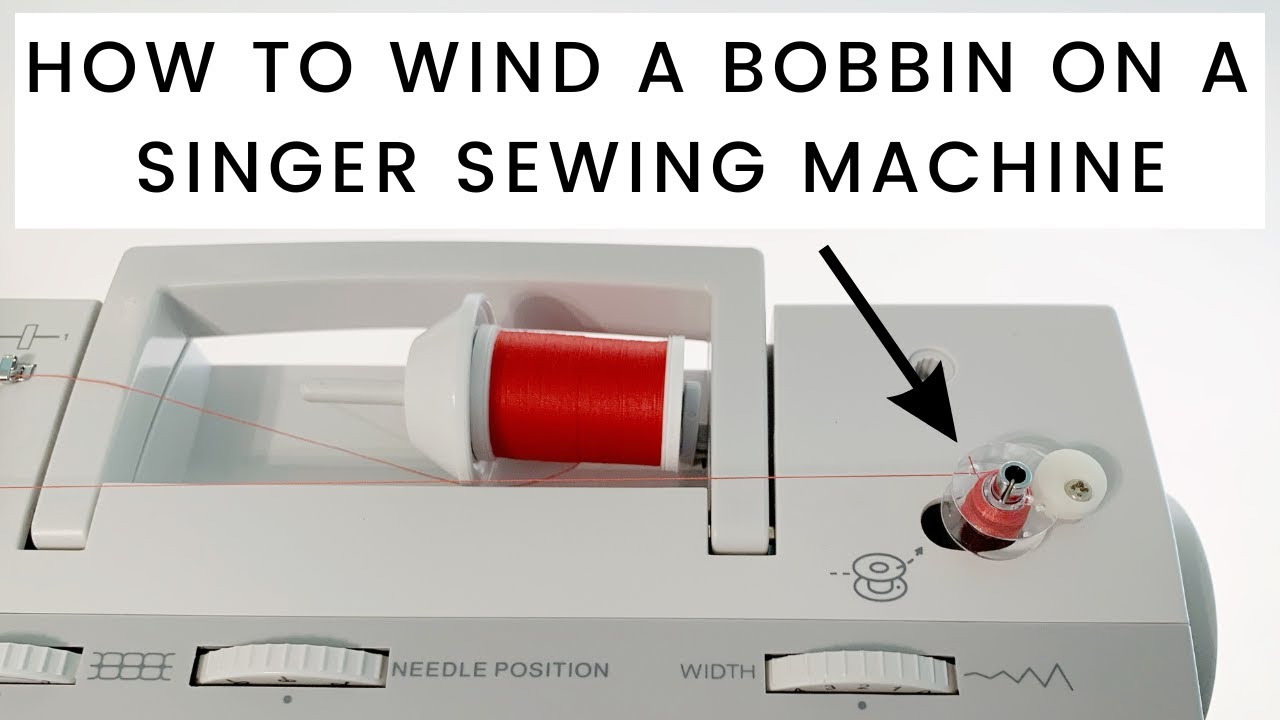
Image Source: i.ytimg.com
Preparing for Success: What You Need
Before you can start bobbin winding, gather your supplies. Having everything ready makes the process much smoother.
Essential Tools and Materials
- Sewing Machine Bobbin: Ensure you have the correct type of sewing machine bobbin for your specific machine. They come in different sizes and materials (plastic, metal). Check your machine’s manual if you’re unsure.
- Thread: Select a good quality thread that matches your fabric and project. It should be the same type of thread you’ll use for your upper stitching.
- Bobbin Winder Assembly: This is part of your sewing machine. Most machines have a dedicated bobbin winder post or spindle.
- Scissors or Thread Cutter: To snip the thread.
- Sewing Machine Manual: Always a good reference if you get stuck.
Choosing the Right Bobbin
Using the correct bobbin is vital. Different sewing machines use different types of bobbins. They can vary in size, shape, and whether they have a groove.
Common Bobbin Types
| Bobbin Type | Description | Common Machines |
|---|---|---|
| Class 15 | Standard size, often clear plastic, with a smooth surface. | Many Brother, Janome, Singer |
| Class 15J | Similar to Class 15 but often deeper with a slightly different winding pattern. | Some Singer models |
| Class 66 | Larger than Class 15, often plastic or metal, with a characteristic flatter profile. | Older Singer models |
| Class 100 | Smaller and shallower than Class 15, often used in compact or portable machines. | Some portable/mini machines |
| M-Style Bobbins | Deep and have a large capacity, often used in industrial or heavy-duty machines. | Heavy-duty sewing machines |
Always refer to your sewing machine manual to identify the correct bobbin type. Using the wrong bobbin can lead to skipped stitches, thread breakage, or even damage to your machine.
The Step-by-Step Guide to Bobbin Winding
Now, let’s get to the core of sewing bobbin winding. Follow these steps carefully for optimal results.
Step 1: Prepare the Thread and Bobbin
First, you need to get your thread ready to go onto the bobbin.
Winding the Thread onto the Bobbin
- Thread the Bobbin Winder: Take the end of your thread. Most sewing machines have a small thread guide near the bobbin winder spindle. Pass the thread through this guide.
- Secure the Thread: Place the bobbin onto the bobbin winder spindle. Push it firmly to ensure it’s seated correctly.
- Tie Off the Thread: Take the end of the thread and weave it through one of the holes in the bobbin. Pull a few inches of thread through the hole. You can also lightly tape the thread end to the side of the bobbin to prevent it from unraveling during the initial winding.
- Position the Thread: Hold the loose end of the thread firmly as you begin winding. This prevents the thread from bunching up at the start.
Step 2: Engaging the Bobbin Winder
This step tells your machine to start winding a bobbin instead of sewing.
Activating the Winder Mechanism
- Locate the Winder Clutch: Most sewing machines have a clutch mechanism. This usually involves pushing the bobbin winder spindle either to the left or right, or sometimes pushing it inwards. When the spindle is pushed to the “wind” position, the machine’s needle will disengage, and only the bobbin winder will operate.
- Check Your Manual: If you’re unsure about how to engage the clutch on your machine, consult your sewing machine manual. It will clearly show you the correct direction or method.
Step 3: Starting the Winding Process
Now it’s time to let the magic happen!
Initiating the Bobbin Wind
- Begin Slowly: Gently press the foot pedal. Start at a slow speed. This allows the thread to wind evenly onto the bobbin.
- Guide the Thread: As the bobbin starts to spin, use your finger to guide the thread across the bobbin, ensuring it winds neatly from one side to the other. This is crucial for even bobbin thread tension.
- Wind Evenly: Keep the thread taut and guide it smoothly. Avoid overlapping or bunching. A well-wound bobbin makes for perfect stitches.
Step 4: Winding the Bobbin to Completion
Most people wonder how much thread to put on the bobbin.
Achieving an Even Wind
- Watch the Speed: As the bobbin fills, you can gradually increase the speed of the foot pedal, but always maintain control. Listen to your machine; if it sounds strained, slow down.
- Stopping the Winder: Most machines have an automatic stop feature when the bobbin is full. If yours doesn’t, keep an eye on the bobbin. Stop winding when it’s almost full, leaving a tiny space at the top. Overfilling can cause the thread to snag or unwind.
- Disengage the Clutch: Once the bobbin is wound, turn off the machine. Move the bobbin winder spindle back to its original position to re-engage the needle mechanism.
- Cut the Thread: Cut the thread, leaving a tail of a few inches. You can then pull the bobbin off the spindle.
Loading the Bobbin: Inserting it into the Machine
Once your bobbin is wound, the next step is loading bobbin into your sewing machine. This process varies slightly depending on whether your machine has a top-loading or front-loading bobbin system.
For Top-Loading Bobbin Systems
Top-loading bobbins are very common in modern machines and are generally easier to manage.
Installing a Bobbin in a Top-Loading System
- Locate the Bobbin Case: Remove any sewing machine bobbin that is currently in the machine. You’ll see a removable bobbin case or a direct slot for the bobbin.
- Note the Thread Direction: Look closely at the bobbin case or the diagram in your manual. There’s a specific direction the thread needs to come off the bobbin. Usually, it’s in a “C” shape, with the thread feeding off the front of the bobbin.
- Place the Bobbin: Place the bobbin into the case or slot.
- Thread Through the Guide: Guide the thread through the small slit or tension spring in the bobbin case. This provides the correct tension for the bobbin thread.
- Pull Thread into Channel: Follow the diagram on your machine or in your manual to thread the bobbin thread through a specific channel and out towards the needle. There’s usually a small notch or slit to pull the thread through.
- Bring Up the Bobbin Thread: Hold the upper thread with one hand. With the other hand, turn the machine’s handwheel towards you (one full rotation). This will catch the bobbin thread and pull it up through the needle plate.
- Position the Threads: Pull both the upper thread and the bobbin thread towards the back of the machine, letting them lie under the presser foot.
For Front-Loading Bobbin Systems
Front-loading systems involve a removable bobbin case that you load with the bobbin and then insert into the machine.
Installing a Bobbin in a Front-Loading System
- Remove the Bobbin Case: Open the front cover of your sewing machine. You’ll see a removable bobbin case. Gently pull it out.
- Prepare the Bobbin: Take your wound sewing bobbin. Note the direction the thread needs to unwind – usually counter-clockwise or with the thread feeding from the front.
- Thread the Bobbin Case: Place the bobbin into the case. Guide the thread through the small slit or tension spring on the side of the bobbin case. Pull a few inches of thread through.
- Insert the Bobbin Case: Carefully insert the loaded bobbin case back into its housing in the machine. There will be a specific way it fits, often with a small notch that aligns with a corresponding groove in the machine.
- Bring Up the Bobbin Thread: Hold the upper thread taut. Turn the machine’s handwheel towards you (one full rotation). The needle will catch the bobbin thread and pull it up.
- Position the Threads: Pull both threads to the back, under the presser foot.
Troubleshooting Common Bobbin Winding Issues
Even with careful attention, you might run into a few snags. Here are some common problems and how to fix them.
Bobbin Not Winding Evenly
An unevenly wound bobbin is a frequent headache.
Reasons for Uneven Winding and Solutions
- Incorrect Thread Tension: Ensure the thread is not too loose or too tight as it winds onto the bobbin. Adjusting the tension on the thread spool can help.
- Wobbly Bobbin: Make sure the bobbin is securely seated on the spindle and isn’t loose or damaged.
- Improper Thread Guiding: You must actively guide the thread across the bobbin evenly with your finger during winding.
- Wrong Bobbin Type: Using a bobbin not meant for your machine can cause uneven winding. Double-check your machine’s manual.
- Thread Snags: Ensure the thread is smoothly feeding from the spool and not catching on anything.
Thread Breaking During Winding
This is frustrating and wastes thread.
Diagnosing and Fixing Thread Breaks
- Sharp Edges: Check the bobbin winder spindle and the bobbin itself for any rough spots or burrs that could be cutting the thread.
- Too Much Speed: Winding too fast can cause the thread to snap. Slow down your foot pedal.
- Poor Quality Thread: Cheap or old thread can be brittle. Try a different brand or spool of thread.
- Tension Issues: While less common during winding, an extremely tight tension can sometimes cause breakage.
Bobbin Stops Winding Prematurely
Sometimes the machine stops before the bobbin is full.
Reasons for Premature Stopping
- Automatic Stop Feature: Your machine might have an automatic stop. If it’s stopping too soon, it could be a sensor issue. Consult your manual.
- Winder Clutch Slipping: The bobbin winder clutch might be worn or not fully engaged, causing it to slip and stop the winding.
- Machine Malfunction: In rare cases, there might be an internal mechanical issue with the winder.
Bobbin Thread Tension is Off
After winding, the stitches might look bad.
Adjusting Bobbin Thread Tension
- Check Bobbin Case Tension: For front-loading machines, the bobbin case itself has a small screw that adjusts tension. If your bobbin thread is too loose, you might need to slightly tighten this screw (turn clockwise). If it’s too tight, loosen it slightly (turn counter-clockwise). Make very small adjustments.
- Inspect Bobbin for Damage: A damaged or nicked bobbin can affect tension.
- Ensure Proper Threading: Double-check that the bobbin thread is correctly threaded through the tension slit in the bobbin case.
Frequently Asked Questions (FAQ)
Here are some common questions people have about sewing bobbin winding.
Q1: How much thread should be on a bobbin?
A1: A bobbin should be filled almost to the top, leaving a very small gap (about 1-2mm) to prevent the thread from snagging or unwinding. Overfilling can cause problems.
Q2: Can I use any thread to wind a bobbin?
A2: It’s best to use the same type and weight of thread for your bobbin as you plan to use for your upper stitching. This ensures balanced tension and consistent stitches. Using very different threads can lead to puckering or skipped stitches.
Q3: What if my bobbin spins freely when I try to wind it?
A3: This usually means the bobbin winder clutch is not engaged, or the needle mechanism is still engaged. Ensure the bobbin winder spindle is pushed firmly into the winding position. Also, make sure the presser foot is up, as this sometimes disengages the winder.
Q4: My sewing machine has a top-loading bobbin. How do I know which way the thread goes?
A4: Look for a small diagram on your machine near the bobbin area, or check your manual. Typically, the thread should feed off the bobbin in a “C” shape, from the front of the bobbin. It will then go through a slit in the bobbin cover.
Q5: What is the purpose of the bobbin case?
A5: The bobbin case holds the bobbin and contains a tension spring that regulates how the bobbin thread is released. It’s essential for creating balanced stitches.
Q6: How do I know if I have the right bobbin for my machine?
A6: The best way is to check your sewing machine’s manual. It will specify the bobbin type (e.g., Class 15, Class 66). You can also compare your existing bobbins to ones you might need to purchase.
Conclusion: The Art of Perfect Bobbin Winding
Mastering bobbin winding is an essential skill that directly impacts the quality of your sewing. By following these detailed steps, paying attention to your machine’s specific requirements, and practicing good technique, you can ensure every bobbin you wind is perfect. A well-wound bobbin leads to smoother sewing, fewer thread breaks, and professional-looking results. Don’t underestimate the power of a good bobbin – it’s the unsung hero of every stitch! Now go forth and create with confidence, knowing your sewing bobbin is perfectly prepared.