
Making your own embroidery patch is a fun and rewarding way to personalize clothing, bags, or hats. Can you make an embroidery patch at home? Absolutely! This guide will walk you through everything you need to know, from picking your embroidery patch design to adding the finishing touches. Whether you’re a beginner or have some sewing experience, you can create unique, custom embroidered patches.
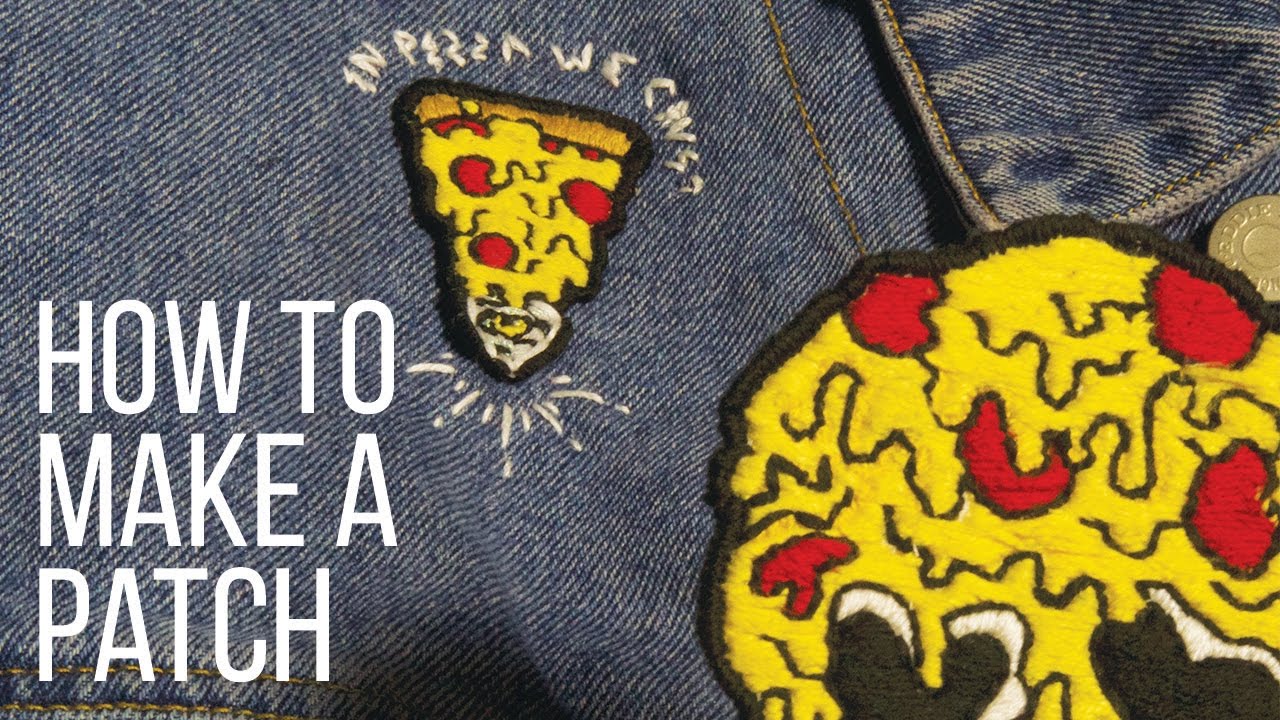
Image Source: i.ytimg.com
The Basics of Patch Making
A patch is essentially a piece of fabric with a design stitched onto it, often with a border, meant to be attached to another item. They can be purely decorative or carry symbolic meaning.
What are the essential patch making supplies?
To get started, you’ll need a few key items:
- Embroidery Hoop: This holds your fabric taut, making stitching easier.
- Embroidery Fabric: Felt, denim, or cotton canvas are good choices.
- Embroidery Thread: Available in a vast array of colors.
- Needles: Specific embroidery needles are best.
- Scissors: Sharp scissors for cutting fabric and thread.
- Pencil or Fabric Marker: For transferring your design.
- Backing Material: To give your patch structure.
Step-by-Step Guide to Creating Your Patch
Let’s break down the process into manageable steps.
Step 1: Choosing and Creating Your Embroidery Patch Design
This is where your creativity shines! You can draw your own design or find inspiration online.
Developing Your Embroidery Patch Design
- Keep it Simple: For your first few patches, opt for designs with fewer colors and simpler shapes. Intricate details can be challenging for beginners.
- Consider Size: Think about where you want to place the patch. A small clutch bag might need a tiny patch, while a jacket can handle a larger one.
- Color Palette: Choose colors that complement each other and the item you’ll attach the patch to.
- Outline: A clear outline often makes a patch stand out.
Creating a Patch Template
Once you have a design in mind, you’ll need to transfer it to your fabric.
- Sketch your design: Draw it on paper first.
- Resize if needed: Use a photocopier or design software to get the exact size.
- Transfer to fabric:
- Tracing: For lighter fabrics, you can place your design underneath and trace it with a pencil or fabric marker.
- Transfer Paper: Special embroidery transfer paper can be ironed or rubbed onto the fabric.
- Freehand: Experienced embroiderers might draw directly onto the fabric.
Step 2: Selecting Your Embroidery Method
There are two main ways to create embroidery patches: by hand or by machine.
Hand Embroidery Patches
Hand embroidery offers a unique, crafted feel. It’s slower but allows for more control and a distinct artistic touch.
- Stitch Selection: Common stitches for patches include:
- Satin Stitch: For filling in solid areas with smooth color.
- Running Stitch: For outlines and simple lines.
- Backstitch: A strong outline stitch.
- Chain Stitch: Creates a textured, cord-like line.
- Whipstitch: Often used for attaching the patch, but can also be decorative.
Machine Embroidery Patches
Machine embroidery is faster and can achieve very intricate designs with consistent results.
- What you’ll need for Machine Embroidery Patches:
- A sewing machine with an embroidery function.
- Embroidery thread.
- Embroidery stabilizer.
- Embroidery hoop for your machine.
- Your design digitized for your machine.
Step 3: Choosing Your Embroidery Thread Types
The type of thread you use significantly impacts the look and feel of your patch.
| Thread Type | Description | Best For |
|---|---|---|
| Rayon | Shiny, silky appearance. Colors are very vibrant. | High-visibility designs, bold colors. |
| Polyester | Durable, resistant to fading and shrinkage. Good sheen. | Everyday wear, designs that need to last. |
| Cotton | Matte finish, natural look. Can be less shiny than synthetic threads. | Vintage looks, subtle designs. |
| Metallic | Adds sparkle and shimmer. Can be more difficult to work with. | Accents, decorative details, making a statement. |
| Specialty Threads | Glow-in-the-dark, variegated (multiple colors in one thread), etc. | Unique effects and special features. |
Step 4: The Stitching Process
This is the core of patch making.
For Hand Embroidery Patches:
- Thread your needle: Cut a length of embroidery thread (about 18 inches is manageable). You might use one strand or multiple, depending on the desired thickness.
- Secure your fabric: Place your fabric in the embroidery hoop, pulling it taut.
- Start stitching: Begin with your chosen stitch. For outlines, a backstitch is excellent. For filling areas, use satin stitch.
- Work systematically: Follow your design template. Change thread colors as needed.
- Tie off threads: When you finish a section or change colors, secure the thread on the back of the fabric with a knot.
For Machine Embroidery Patches:
- Digitize your design: If you have a custom design, you’ll need to convert it into a format your machine can read (e.g., .DST, .PES). Many software programs are available for this.
- Hoop stabilizer and fabric: Layer your chosen fabric onto an embroidery stabilizer, and then secure both in your machine’s hoop.
- Load your design: Transfer the digitized design to your embroidery machine.
- Select thread colors: Load your embroidery machine with the appropriate thread colors.
- Start stitching: The machine will automatically stitch the design. Monitor the process to ensure everything runs smoothly.
Step 5: Adding Structure with Patch Backing Options
The backing gives your patch stiffness and a clean finish.
Common Patch Backing Options:
- Felt: A popular choice for DIY embroidery patches. It’s easy to cut and provides a good base. You can layer a piece of felt behind your embroidered fabric.
- Stiffened Fabric: You can use fabric stiffener on your embroidered piece, or iron on a heavy fusible interfacing.
- Plastic Canvas: For very stiff patches, you can embroider over a piece of plastic canvas. This is good for novelty patches.
- Embroidery Backing (Stabilizer): While stabilizer is used during machine embroidery to prevent puckering, some types can be left on as a backing for a softer patch.
- Iron-On Adhesive: This can be applied to the back to make your patch iron-on ready.
- Velcro Backing: For patches that need to be removable.
How to Attach Backing:
- Cut the backing: Cut your chosen backing material to the shape of your patch, slightly smaller than the embroidered area if you plan to wrap the fabric around it.
- Adhere the backing:
- Sewing: Hand-sew the backing to the back of your embroidered fabric.
- Adhesive: Use fabric glue or an iron-on adhesive to attach the backing.
- Fusing: For fusible interfacing, iron it onto the back of your embroidered piece according to the product instructions.
Step 6: Creating the Border
A border gives your patch a polished look and helps prevent fraying.
How to Sew a Patch Border:
- Hand-Sewn Border:
- Trim Excess Fabric: Trim the embroidered fabric to about ¼ inch around your design.
- Fold and Press: Fold this ¼ inch edge under and press it flat.
- Whipstitch: Use a whipstitch or a running stitch to neatly sew the folded edge down, securing it to the backing.
- Merrowed Border (Machine Finished):
- This is the classic, slightly raised, overlocked edge you see on many commercial patches.
- Some advanced sewing machines have a specific “merrow” stitch.
- Alternatively, you can achieve a similar effect by carefully using an overlock stitch on your sewing machine, trimming excess fabric as you go, and then sewing the overlock stitch around the edge. This requires practice.
- Cut Edge: For felt patches, you can simply cut around the design with sharp scissors for a clean, flat edge.
Step 7: Final Touches and Attachment
Your patch is almost ready!
Attaching Your Patch:
- Sewing: This is the most durable method. Use a needle and thread that matches your fabric or patch, and sew around the border of the patch. A simple running stitch or backstitch works well.
- Iron-On Adhesive: If you applied iron-on adhesive to the backing, follow the product instructions to fuse it to your garment. Make sure your garment can withstand the heat.
- Fabric Glue: For lighter fabrics or items that can’t be ironed, strong fabric glue can work. Apply it evenly and press the patch into place.
Tips for Making Great DIY Embroidery Patches
- Practice Stitches: If you’re new to embroidery, practice your stitches on scrap fabric first.
- Keep Your Workspace Clean: A tidy area prevents losing small items and keeps your fabric clean.
- Good Lighting: Essential for detailed work, especially for hand embroidery.
- Use Quality Supplies: Investing in good embroidery thread and needles makes a big difference.
- Test Colors: Before committing, test your thread colors on a scrap of your backing fabric to ensure they look good together.
- Patience is Key: Especially for hand embroidery, take your time. Rushing can lead to mistakes.
Advanced Techniques and Ideas
Once you’ve mastered the basics, explore these ideas to elevate your patch-making skills.
Custom Embroidered Patches with Complex Designs
- Layering: Combine different embroidery stitches and textures to add depth to your designs.
- Appliqué: Cut out shapes from different fabrics and appliqué them onto your embroidered base before stitching.
- Beading and Sequins: Add sparkle and dimension by incorporating beads or sequins into your design.
Making Patches for Specific Purposes
- Merch and Branding: Create custom embroidered patches for your business or band.
- Gift Giving: Personalized patches make thoughtful gifts.
- Costume Embellishments: Add unique details to cosplay or theatrical costumes.
- Repairs: Cover up small holes or stains on clothing with a stylish patch.
Frequently Asked Questions (FAQ)
Q: What is the best fabric for embroidery patches?
A: Felt, cotton canvas, and denim are excellent choices. Felt is easy to work with for DIY embroidery patches, while cotton canvas and denim offer more durability.
Q: Can I use regular sewing thread for embroidery?
A: While you can use regular sewing thread for outlines or less prominent areas, embroidery thread types are specifically designed for embroidery. They are often thicker, shinier, and come in a wider range of colors, providing a much better result.
Q: How do I digitize a design for machine embroidery?
A: You’ll need specialized embroidery software. Many programs allow you to convert images (like JPEGs or PNGs) into stitch files. You can also find online services that digitize designs for you.
Q: How do I make a patch that can be ironed on?
A: You’ll need to apply an iron-on adhesive to the back of your finished patch. Make sure the fabric you’re attaching it to can withstand heat.
Q: What is the difference between hand embroidery patches and machine embroidery patches?
A: Hand embroidery patches are stitched by hand, offering a personal, artisanal look and more control over individual stitches. Machine embroidery patches are created with an embroidery machine, allowing for faster production, greater intricacy, and consistent results.
Q: How do I prevent fraying on my patch edges?
A: A clean, defined border is key. Options include a hand-sewn whipstitch around a folded edge, a machine merrow stitch, or simply using a fabric like felt which doesn’t fray easily.
Q: Can I make a circular embroidery patch?
A: Absolutely! Circular designs are very popular. When cutting out your fabric and backing, simply use a round template or freehand a circle. The stitching and bordering techniques remain the same.
Embroidery patch making is a craft that allows for endless creativity. With a little practice and the right materials, you can transform your ideas into unique, wearable art. Happy stitching!